
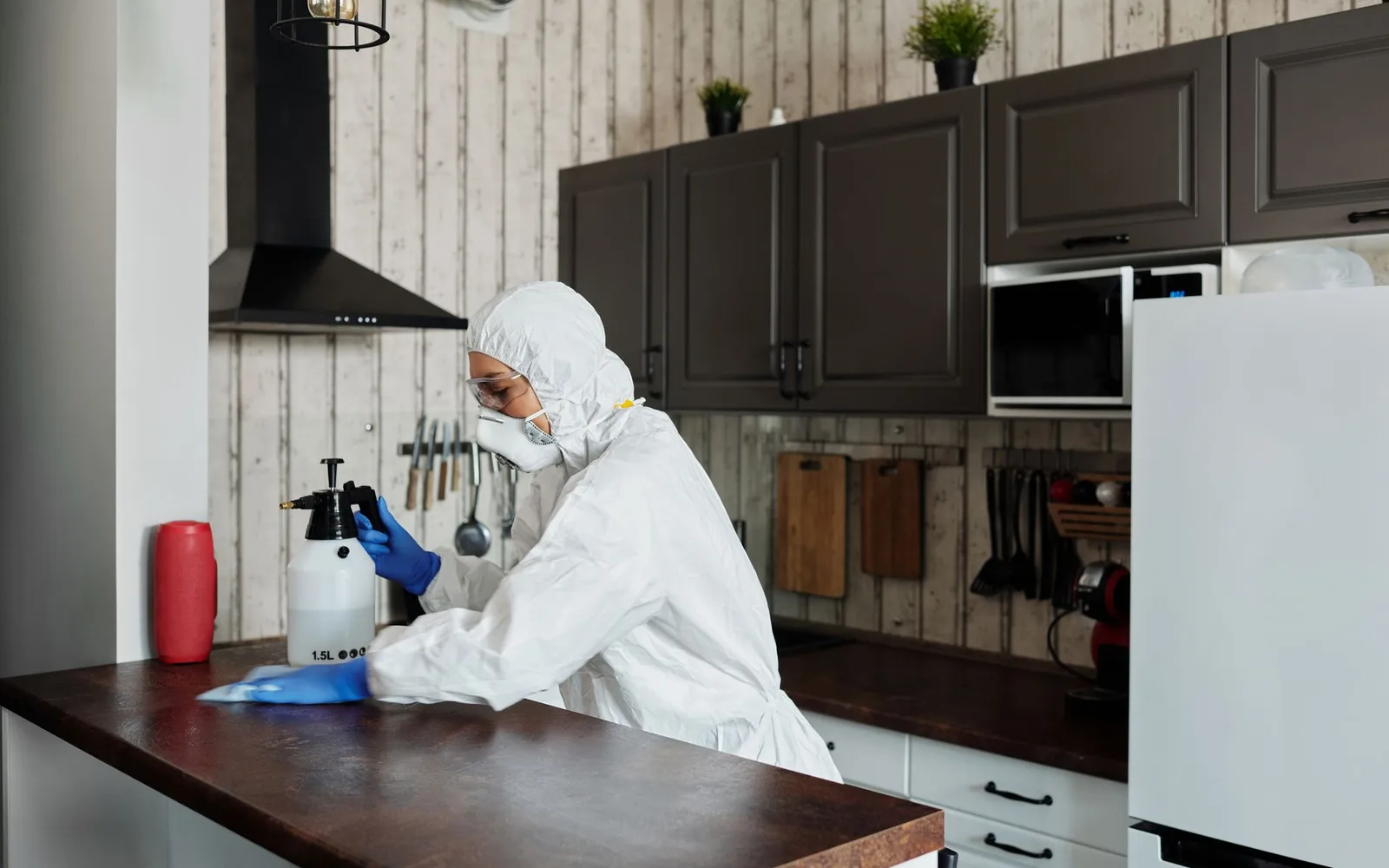
Disinfection in Al Wurud Jeddah
Al Wurud is a residential district between King Fahd Road and Prince Majid Road, developed on the site of the old airport, containing villas and mixed residential and commercial buildings. Bordering Al Naseem to the east and Bani Malik to the north, the mixed density and flat former airport land mean poor drainage and long standing water that attracts insects and rodents.
-
Targeted, not broadcast
Product goes into cracks and runways, never sprayed across open surfaces.
-
Told before we start
What we will use, where it goes, and what to cover or move before we arrive.
-
A follow-up visit
We return after the first treatment, because what survives it does not show on the day.
-
Homes and businesses
Apartments and villas, and kitchens and stores that need a record of each visit.
Why they keep coming back in Al Wurud
Irrigated gardens, playing fields and green spaces around villas and blocks provide continuous damp conditions ideal for breeding mosquitoes, flies and cockroaches in large numbers. The method is set out in full on our Disinfection service.
Former airport flat ground retains rainwater and drainage is poor
The district was built on an extremely flat former airport site, and streets and gardens do not drain rainwater efficiently. Standing water persists in open spaces, gardens and passageways for long periods, creating ideal conditions for mosquitoes, flies and rodents. We focus on treating damp voids and gardens and passages with special concentration.
Daily watered gardens and playing fields provide standing water continuously
Every villa and block has a small garden or shared playing field watered daily. Standing water after watering provides ideal habitats for mosquitoes and flies. We focus on treating areas beneath dense plants where insects shelter, and drying standing water before treatment.
Position between two main roads brings heavy foot traffic and new pests
The district lies between King Fahd and Prince Majid Roads, so vehicle and pedestrian traffic is very heavy. Visitors, deliverymen and workers enter villas and blocks in high numbers daily and may carry new pests. We concentrate on touch points at entrances, stairs and windows.
Al Wurud on the map
Al Wurud sits about 2 km from Al Sharafiyah and about 2 km from Bani Malik.
Open in Google MapsWhat we look at before the product is chosen
The district was built on flat, low lying former airport land, streets do not drain efficiently, rainwater stands in gardens and open spaces for extended periods, and although pipes are relatively new, the low ground elevation causes constant seepage.
The touch points
Damp areas beneath gardens and voids filled with standing rainwater are critical first touch points, so we focus on drying them first before any chemical treatment.
Porous surfaces
Surfaces in gardens and green spaces absorb disinfectants quickly in waterlogged soil, so we use strong disinfectants at high concentration and leave them wet longer.
The finish itself
Timber and metal surfaces in gardens are exposed to moisture and sun, so we select disinfectants that resist oxidation and corrosion and do not leave harsh chemicals on these surfaces.
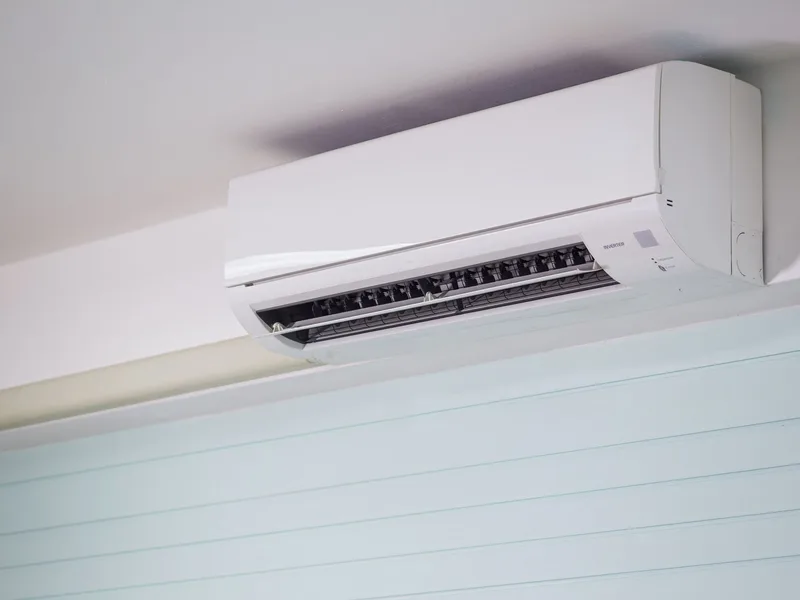
The air conditioning unit
Air conditioning units in villas near gardens absorb moisture and odours quickly, so we treat filters and drains carefully, and recommend replacing filters more frequently.
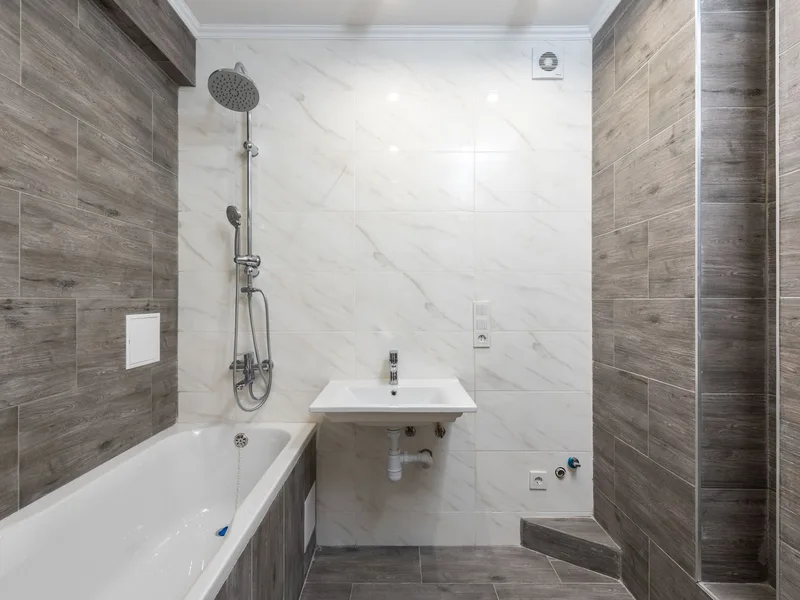
Floor traps
Bathroom drains, garden drains and playing field drains are often shared, so we flush every drain with boiling water and baking soda first, then apply strong disinfectant that penetrates piping.
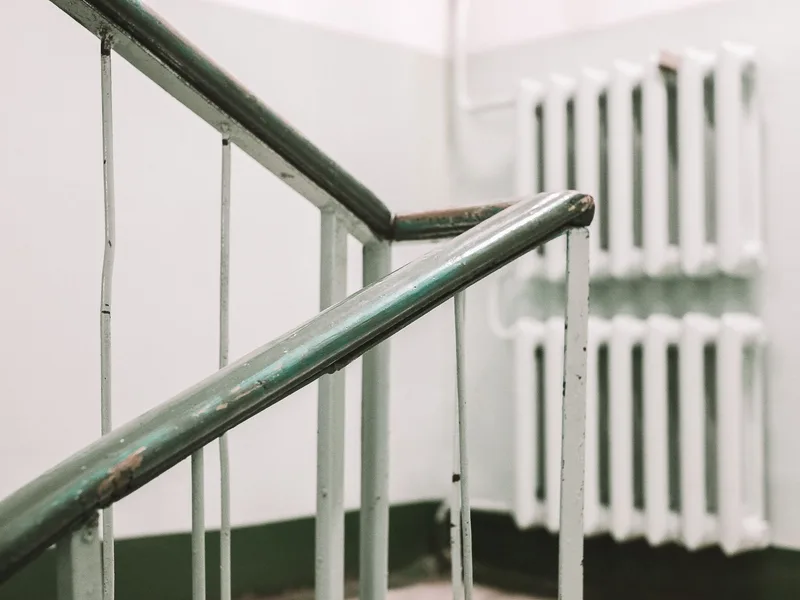
Shared entrances and stairs
Shared entrances, stairs and passages stay damp permanently because garden irrigation sprays continuous moisture, so we deep clean first then treat every surface with strong disinfectant.
How we work
-
1
Walk the space and list the surfaces
We go through the rooms and mark the touch points, the porous surfaces and the finishes, then ask what prompted the call: illness at home, moving into a new place, building work, or a smell that arrived out of nowhere.
-
2
Clean what we are about to treat
We take the film of dust and grease off the surfaces that are in scope, so the product reaches the surface itself. This is preparation for the treatment, not general house cleaning.
-
3
Apply it, and hold the contact time
Hand work on the touch points, a product matched to each surface, and the surface left visibly wet for as long as that material needs before it is dried off. Cold fogging comes last, for what a cloth cannot reach.
-
4
Ventilate and hand back
We open the place up, rinse food preparation surfaces with water, and tell you when each room goes back into use. We give you that timing on the call, because it changes with the product and the space.
What a disinfection visit includes
-

A surface and touch point survey
What gets treated, and with what, settled before anything is opened.
-

Soil off first, then the disinfectant
The greasy film comes off first, then a product that stays wet for the contact time it needs.
-

Floor traps and the air conditioning drain
Floor traps, sink outlets and the drain tray, which is where most smells actually begin.
-
Cold fogging for the space
For upward faces and corners a cloth never reaches, done as the last thing before we leave a room.
-

Ventilation and use instructions
What gets rinsed with water, what is left alone, and when each room goes back into use.
-

A scheduled repeat when it is needed
For shared entrances and places people pass through every day, because a disinfectant leaves nothing behind to stop the next contact.
The character of Al Wurud
Mixed district: shops at street level with homes above them
The mixed district where large villas and residential commercial blocks sit side by side means insects move easily from commercial units to villas through shared piping and lower cavities. Effective treatment requires special focus on shared lower spaces and drains.
Questions about this district
Does standing rainwater in the district specially attract insects here?
Absolutely, mosquitoes especially need standing water to breed. We focus on drying any standing water before disinfection, and recommend improving drainage in gardens and passages.
Do daily watered gardens need different treatment than dry areas?
Yes, daily watered gardens provide perpetually damp conditions that suit insects. We focus on cleaning beneath dense plants and treating dark damp areas.
Does the location between two main roads increase insect entry from outside?
Yes, heavy vehicle and pedestrian traffic brings new insects constantly. We focus on sealing gaps around doors and windows with special care.
Do large villas in Al Wurud need different treatment than apartment blocks?
Large villas have more gardens and deeper spaces beneath the building, so they need special force on treating the lower cavities. Blocks have denser shared passages and common areas.
How often should a home in Al Wurud be disinfected given the high humidity?
Every six to eight weeks at minimum, because continuous moisture and daily garden watering provide perpetual insect habitat.
Does poor drainage mean the disinfectant may not reach all voids?
Yes, voids filled with standing water need special handling. We drain water first, then apply disinfectant to exposed surfaces and dry cavities.
How much does disinfection in Al Wurud cost?
It is set after the inspection, because the price follows the type of infestation, the size of the space, how far it has spread and the number of visits it needs. Send a photo and a description on WhatsApp and we will give you an estimate before we reach Al Wurud.
Nearby districts we cover
Other services in Al Wurud
Other services we provide to residents of Al Wurud.
-
 Residential
Cockroach control
Residential
Cockroach control
-
 Residential
Bed bug control
Residential
Bed bug control
-
 Residential
Termite control
Residential
Termite control
-
 Residential
Rodents and mice
Residential
Rodents and mice
-
 Residential
Mosquito control
Residential
Mosquito control
-
 Residential
Fly control
Residential
Fly control
-
 Residential
Ant control
Residential
Ant control
-
 Residential
Gecko control
Residential
Gecko control
-
 Residential
Scorpion control
Residential
Scorpion control
-
 Residential
Snake control
Residential
Snake control
-
 Residential
Flea control
Residential
Flea control
-
 Residential
Bird and pigeon control
Residential
Bird and pigeon control
-
 Residential
Preventive treatment
Residential
Preventive treatment
-
 Commercial
Annual contracts
Commercial
Annual contracts
-
 Commercial
Restaurants and cafes
Commercial
Restaurants and cafes
-
 Commercial
Hotels and apartments
Commercial
Hotels and apartments
-
 Commercial
Warehouses and factories
Commercial
Warehouses and factories
-
 Commercial
Schools and nurseries
Commercial
Schools and nurseries
-
 Commercial
Retail and malls
Commercial
Retail and malls
-
 Commercial
Rest houses and farms
Commercial
Rest houses and farms
-
 Commercial
Fumigation
Commercial
Fumigation
-
 Water tanks
Water tank cleaning
Water tanks
Water tank cleaning
-
 Water tanks
Water tank sterilization
Water tanks
Water tank sterilization
-
 Water tanks
Water tank sealing
Water tanks
Water tank sealing
-
 Water tanks
Tank leak repair
Water tanks
Tank leak repair
Need disinfection in Al Wurud? Tell us what you saw and we will tell you what it needs
We reach Al Wurud at a time we agree, and you get the full cost before we start.