
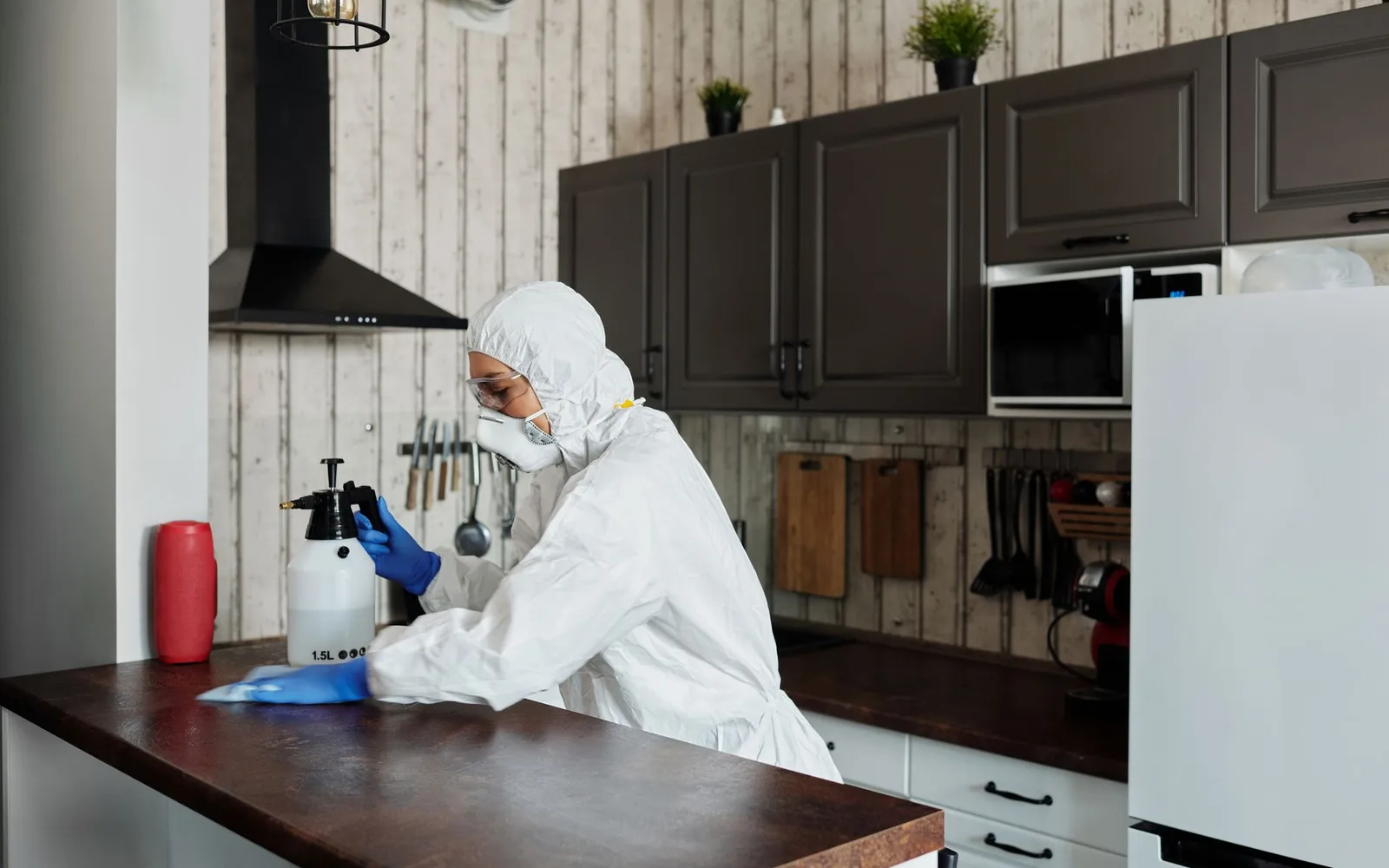
Disinfection in Harat Al Mazloum Jeddah
Harat Al Mazloum is the north eastern sector of the old quarter inside the ancient wall, where coral stone houses press against each other on lanes so narrow that sunlight rarely reaches the ground. The buildings are centuries old, and the timber rawashin, the voids between the stone and the damp air have sheltered moulds, termites and hidden bacteria for generations. Disinfection is not a surface wipe here; it is a staged penetration of a complex, age-soaked environment.
-
Targeted, not broadcast
Product goes into cracks and runways, never sprayed across open surfaces.
-
Told before we start
What we will use, where it goes, and what to cover or move before we arrive.
-
A follow-up visit
We return after the first treatment, because what survives it does not show on the day.
-
Homes and businesses
Apartments and villas, and kitchens and stores that need a record of each visit.
Why they keep coming back in Harat Al Mazloum
The old timber in the rawashin windows has been swollen by sea moisture for centuries, and the coral stone itself is so porous that dirt and spores settle into its grain and cannot be brushed away. Gaps between stones and crumbling mortar hold centuries of accumulated dust. The method is set out in full on our Disinfection service.
Ancient timber holds moisture and mould deeper than modern wood
The rawashin windows and doors in these century-old houses have absorbed sea humidity so completely that the wood itself is half water. Mould colonies thrive inside the grain, and a surface disinfection leaves the infection untouched beneath the timber. The product must soak deep, which takes time and heat that old wood sometimes cannot tolerate.
Coral stone is porous and traps contamination in its grain
The coral limestone (menchabi) that built these quarters is riddled with tiny holes, and old mortar has gaps an insect can crawl through. Germs lodge in these voids where disinfectant cannot easily reach. The product must stay wet much longer than on modern concrete to penetrate properly, and prolonged wetness can damage soft stone.
Perpetual darkness and stagnant air prevent drying and re-infestation
The narrow lanes receive so little sun that moisture does not evaporate quickly. Disinfectant stays damp longer, which extends its working time but also means odours linger and mould may return faster if humidity is not addressed alongside the treatment. Air circulation aids nothing in a walled maze.
Landmarks of Harat Al Mazloum
Work centres on the historic souqs and house quarters between Bab Makkah and Al Alawi Street. Souq Al Jami and Baeshen House are reference points where access to residential lanes and commercial floors can be coordinated, and Al Shafi'i Mosque marks the northern boundary of the treatment zone.
- Al Shafi'i Mosque
- Souq Al Jami
- Baeshen House
- Bab Makkah
- Al Alawi Street
What we look at before the product is chosen
The quarter sits low and close to the sea and Islamic Port, with no air circulation through its high-walled lanes. Humidity stays permanently high, seeping into every timber joint and stone void, and the narrow streets allow no wind to dry what has been wetted.
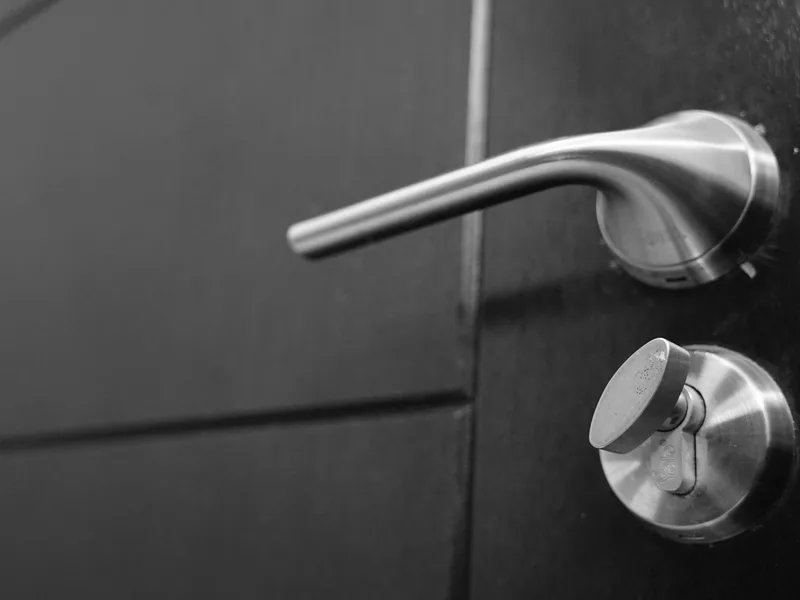
The touch points
Touch points in the souqs and houses are wooden stair rails, ancient metal door handles and stone benches at shop fronts, all heavily corroded and requiring deep disinfection after removal of oxide and built-up dirt.
Porous surfaces
Old porous timber in rawashin and doors absorbs disinfectant deeply but requires much longer drying time than modern wood. The product must stay wet for an extended contact period, and air circulation or heat may be needed to achieve proper drying afterwards.
The finish itself
Coral stone and aged mortar are soft and erode quickly if exposed to harsh disinfectants or high concentrations. Mild product selection and dilution to the lower end of the range protect the structure itself.
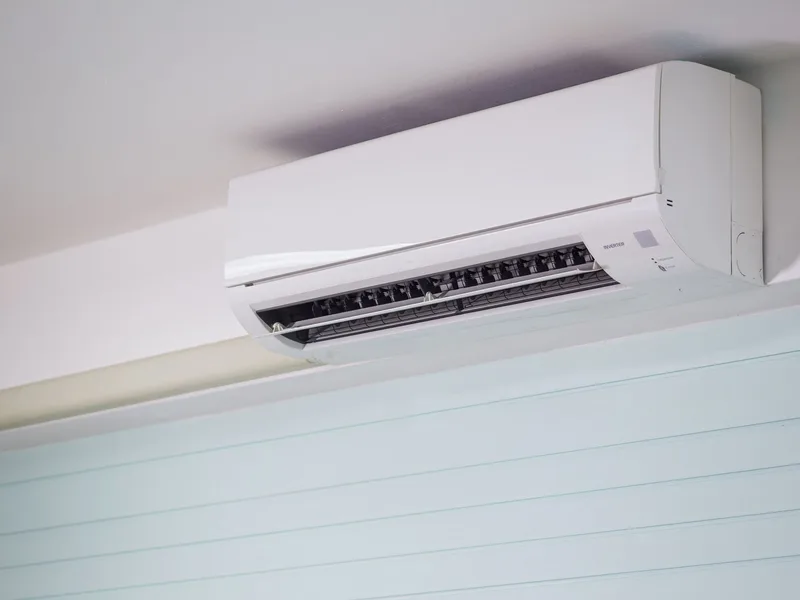
The air conditioning unit
Natural ventilation is poor in these lanes, and many old houses lack air conditioning units. Stale odours accumulate in closed rooms, and manual opening of windows and targeted ventilation during and after disinfection is necessary.
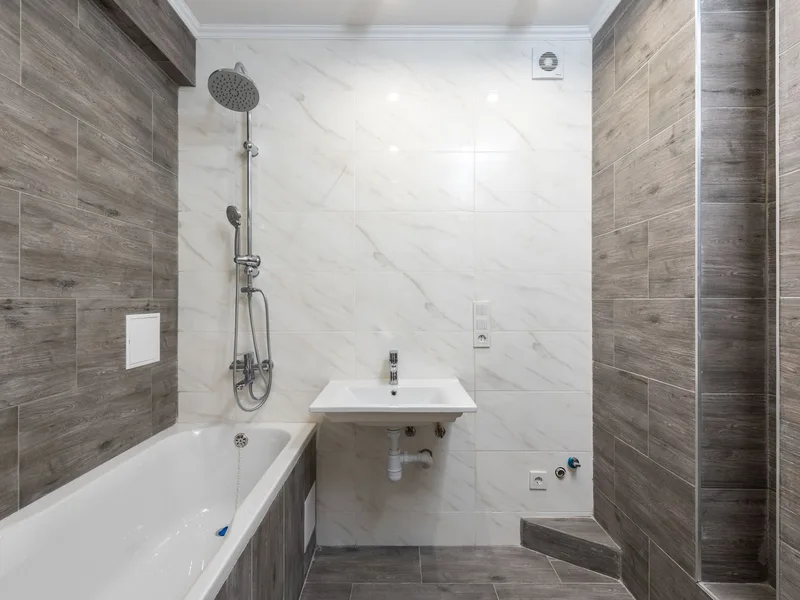
Floor traps
Floor drains in very old houses may be cracked, blocked or so slow-draining that stagnant water sits in traps for weeks. Deep cleaning and disinfection of the trap itself is essential, and replacement of failed plumbing may be necessary alongside the treatment.
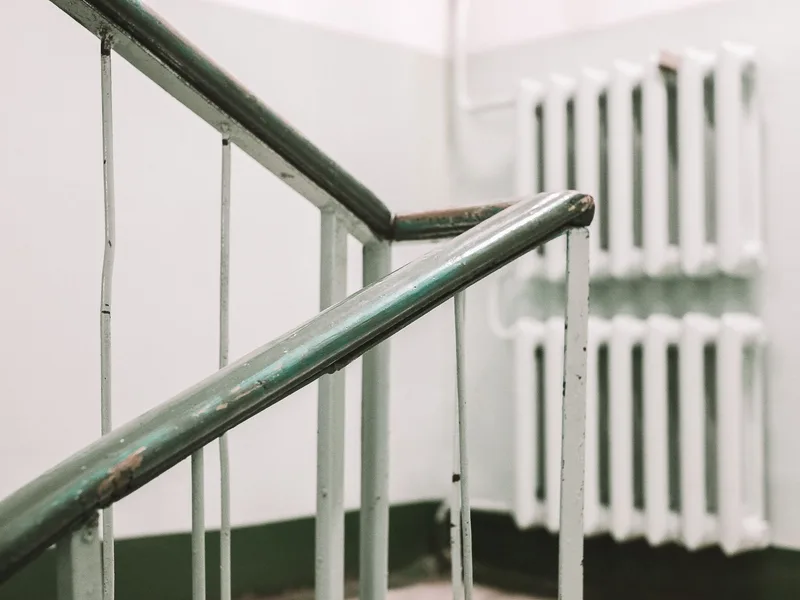
Shared entrances and stairs
Shared stairs and entrances between multiple house units on the same building create cross-contamination routes. Unified disinfection of these transition zones is critical, and coordination with multiple households is required to access all common areas.
How we work
-
1
Walk the space and list the surfaces
We go through the rooms and mark the touch points, the porous surfaces and the finishes, then ask what prompted the call: illness at home, moving into a new place, building work, or a smell that arrived out of nowhere.
-
2
Clean what we are about to treat
We take the film of dust and grease off the surfaces that are in scope, so the product reaches the surface itself. This is preparation for the treatment, not general house cleaning.
-
3
Apply it, and hold the contact time
Hand work on the touch points, a product matched to each surface, and the surface left visibly wet for as long as that material needs before it is dried off. Cold fogging comes last, for what a cloth cannot reach.
-
4
Ventilate and hand back
We open the place up, rinse food preparation surfaces with water, and tell you when each room goes back into use. We give you that timing on the call, because it changes with the product and the space.
What a disinfection visit includes
-

A surface and touch point survey
What gets treated, and with what, settled before anything is opened.
-

Soil off first, then the disinfectant
The greasy film comes off first, then a product that stays wet for the contact time it needs.
-

Floor traps and the air conditioning drain
Floor traps, sink outlets and the drain tray, which is where most smells actually begin.
-
Cold fogging for the space
For upward faces and corners a cloth never reaches, done as the last thing before we leave a room.
-

Ventilation and use instructions
What gets rinsed with water, what is left alone, and when each room goes back into use.
-

A scheduled repeat when it is needed
For shared entrances and places people pass through every day, because a disinfectant leaves nothing behind to stop the next contact.
What is different about Historic Jeddah Municipality
The Historic Jeddah municipality covers the quarters of Al Balad inside the old wall: Al Mazloum, Al Sham, Al Yaman and Al Bahr. The buildings are tall houses of coral limestone and timber rawashin, centuries old, standing shoulder to shoulder on narrow lanes that see little sun, many under restoration or partly vacant. The ground is low and close to the sea and the harbour, humidity stays high through the year, and popular souqs and eateries trade late into the night. Old timber, voids between walls and goods stores create conditions favoured by termites, cockroaches, rodents and wood boring beetles.
Questions about this district
An old house in Al Mazloum needs disinfection; will it damage ancient stone and timber?
Approved disinfectants at the correct dilution are safe on old coral stone and timber. A test patch on inconspicuous stone or wood first confirms compatibility. The application time must be limited to prevent damage, and thorough drying afterwards is essential.
The wooden rawashin are cracked and blackened with mould; will disinfection remove the staining?
Disinfectant kills the living mould colony but does not lighten the dark stain that years of growth have left. Light mechanical cleaning before treatment helps, and the mould is gone, but the discolouration may persist. Prevention of re-moisture is more important than cosmetic recovery.
Does disinfection stop termites and wood-boring insects entering the old house?
Disinfection kills insects on exposed surfaces at the moment of application. Termites and wood borers live inside timber and walls; they require separate specialist treatment. Disinfection alone does not repel new infestations.
The quarter is famous for busy trading souqs below residences; should they be disinfected differently?
Souq Al Jami and the commercial streets see constant foot traffic and hand contact. They need frequent disinfection, ideally twice weekly. The residential floors above need separate treatment to address the different contamination profile, and particular care must be taken with the interfaces between floors.
The ground is low, humidity is high year-round; does disinfection last as long here?
High humidity reduces disinfectant effectiveness slightly but does not eliminate it. Correct application technique delivers the required protection. Repeat intervals must be shorter, every two weeks rather than monthly, and moisture control measures alongside disinfection give better long-term results.
Baeshen House and heritage buildings in Al Mazloum, do they need special treatment?
Heritage and conservation-listed structures require consultation with cultural authorities before any disinfectant application. The product must be approved as completely safe for very old stone and timber, and documentation of the treatment must be kept for heritage records.
How much does disinfection in Harat Al Mazloum cost?
It is set after the inspection, because the price follows the type of infestation, the size of the space, how far it has spread and the number of visits it needs. Send a photo and a description on WhatsApp and we will give you an estimate before we reach Harat Al Mazloum.
Nearby districts we cover
Other services in Harat Al Mazloum
Other services we provide to residents of Harat Al Mazloum.
-
 Residential
Cockroach control
Residential
Cockroach control
-
 Residential
Bed bug control
Residential
Bed bug control
-
 Residential
Termite control
Residential
Termite control
-
 Residential
Rodents and mice
Residential
Rodents and mice
-
 Residential
Mosquito control
Residential
Mosquito control
-
 Residential
Fly control
Residential
Fly control
-
 Residential
Ant control
Residential
Ant control
-
 Residential
Gecko control
Residential
Gecko control
-
 Residential
Scorpion control
Residential
Scorpion control
-
 Residential
Snake control
Residential
Snake control
-
 Residential
Flea control
Residential
Flea control
-
 Residential
Bird and pigeon control
Residential
Bird and pigeon control
-
 Residential
Preventive treatment
Residential
Preventive treatment
-
 Commercial
Annual contracts
Commercial
Annual contracts
-
 Commercial
Restaurants and cafes
Commercial
Restaurants and cafes
-
 Commercial
Hotels and apartments
Commercial
Hotels and apartments
-
 Commercial
Warehouses and factories
Commercial
Warehouses and factories
-
 Commercial
Schools and nurseries
Commercial
Schools and nurseries
-
 Commercial
Retail and malls
Commercial
Retail and malls
-
 Commercial
Rest houses and farms
Commercial
Rest houses and farms
-
 Commercial
Fumigation
Commercial
Fumigation
-
 Water tanks
Water tank cleaning
Water tanks
Water tank cleaning
-
 Water tanks
Water tank sterilization
Water tanks
Water tank sterilization
-
 Water tanks
Water tank sealing
Water tanks
Water tank sealing
-
 Water tanks
Tank leak repair
Water tanks
Tank leak repair
Need disinfection in Harat Al Mazloum? Tell us what you saw and we will tell you what it needs
We reach Harat Al Mazloum at a time we agree, and you get the full cost before we start.