
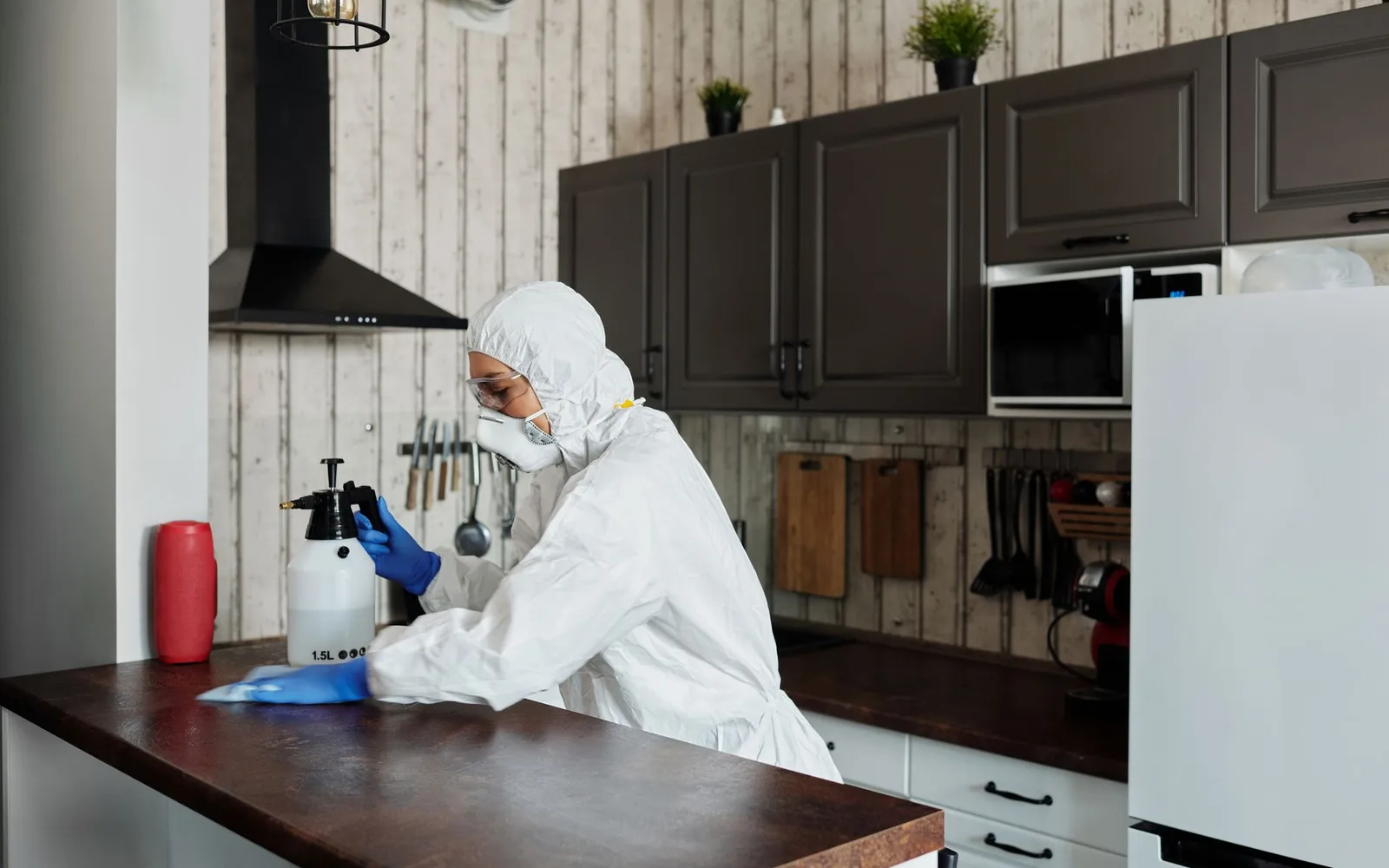
Disinfection in Harat Al Sham Jeddah
Harat Al Sham is a historic quarter inside the old city wall at Bab Al Madinah, with tall coral stone houses carrying wooden rawashin and extremely narrow lanes between them. This ancient construction means high humidity, very poor air circulation and damp foundations. We treat the lanes and buildings in ways that respect the nature of old stone, wood and antiquated plumbing.
-
Targeted, not broadcast
Product goes into cracks and runways, never sprayed across open surfaces.
-
Told before we start
What we will use, where it goes, and what to cover or move before we arrive.
-
A follow-up visit
We return after the first treatment, because what survives it does not show on the day.
-
Homes and businesses
Apartments and villas, and kitchens and stores that need a record of each visit.
Why they keep coming back in Harat Al Sham
The alleys are extremely narrow and direct sunlight reaches the ground floor only briefly, so moisture remains high and trapped in corners and crevices, with natural ventilation severely limited by the close-set buildings and by the wall itself. The method is set out in full on the full Disinfection page.
Coral stone and timber aged under high moisture and no drying winds
Buildings are constructed from soft historic coral stone and doors and windows are wood, and coral absorbs moisture deep into the material. Timber may be weakened by rot and mould, and the disinfectant must be safe on both stone and old wood. Strong chemicals can damage both materials.
Extremely narrow lanes and ventilation so poor that drying is very slow
Lanes are very narrow, buildings stand very close together, and direct sunlight never reaches the ground. High humidity means moulds grow very rapidly, and the disinfectant requires much longer drying time than on a sunny street. Mould often regrows within days in these conditions.
Ancient plumbing and deep underground drainage systems
Plumbing dates back centuries and pipes may be original Ottoman period construction. Water seepage from aged pipes causes constant dampness in walls, and odours return from very old underground drains that are difficult to inspect or clean from above ground.
Harat Al Sham on the map
Harat Al Sham sits about 0.5 km from Harat Al Mazloum and about 0.5 km from Harat Al Bahr.
Open in Google MapsWhat we look at before the product is chosen
The quarter sits inside the historic wall at Bab Al Madinah with old coral stone houses lining very narrow alleys, and was historically the merchant quarter, now containing known heritage buildings and traditional residences with characteristic wooden window screens and shutters.
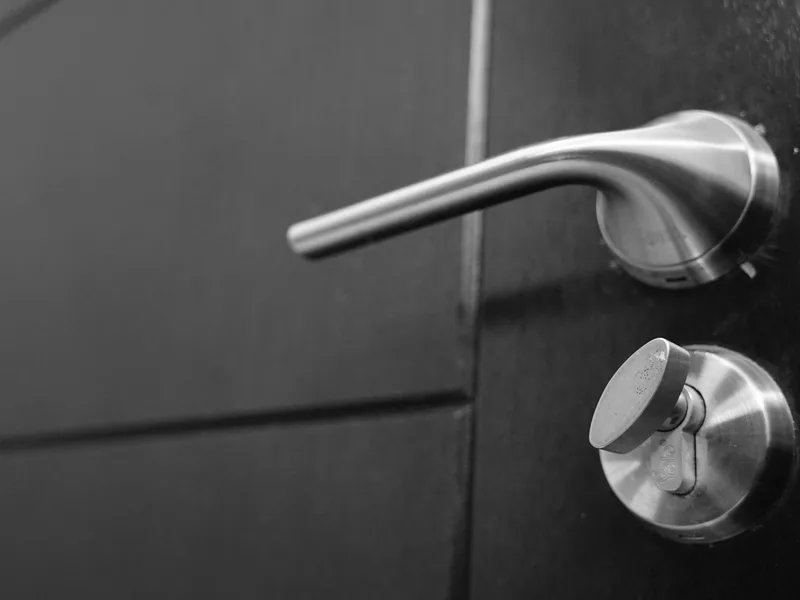
The touch points
Touch surfaces on ancient stone and wood carry mould and microbes that grow rapidly in the persistent high humidity trapped between buildings.
Porous surfaces
Porous coral stone absorbs water and mould deep into the material; surface cleaning alone does not reach contamination that has penetrated into the stone structure.
The finish itself
Paint and wax on old timber may be aged or failing, and the wood underneath may be weakened by moisture and dry rot from constant dampness.
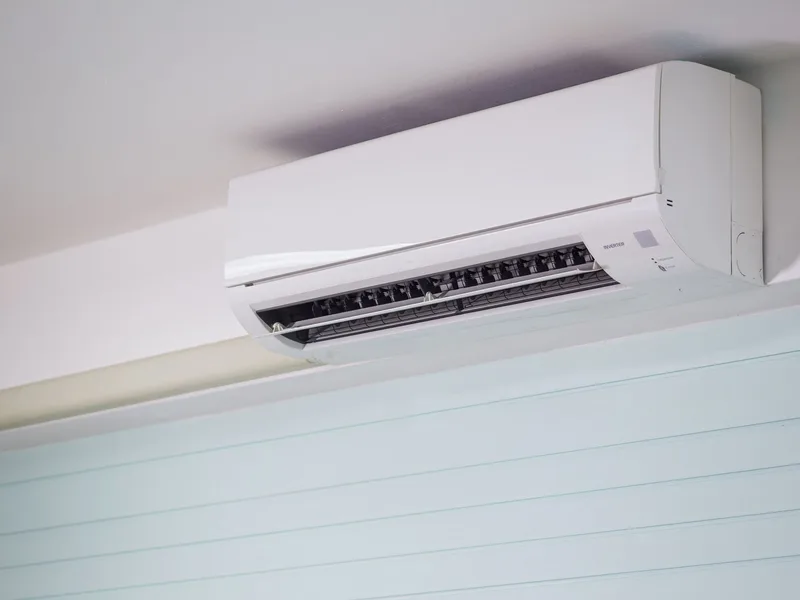
The air conditioning unit
Mechanical air conditioning is absent in traditional buildings, and natural humidity remains very high with limited air exchange or drying effect.
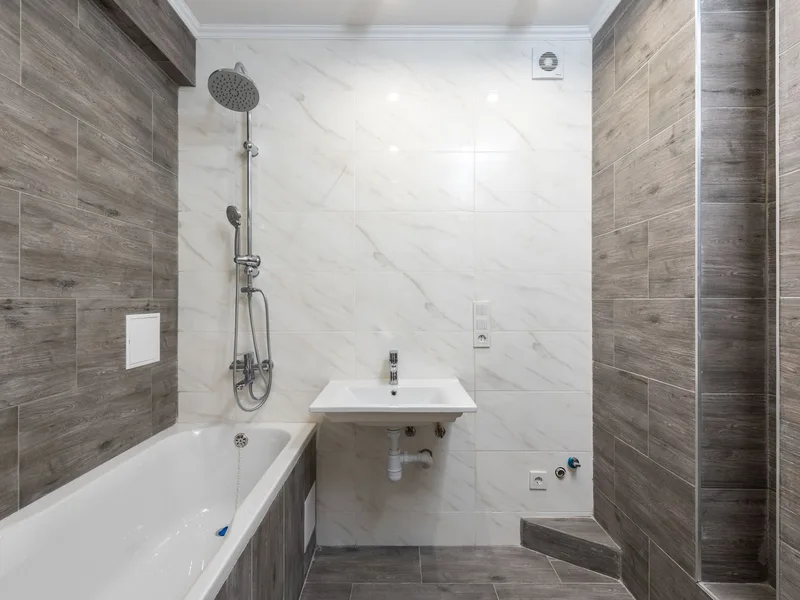
Floor traps
Old floor drains may be blocked or non functional, and much of the smell problem originates from beneath ground level where treatment is not possible.
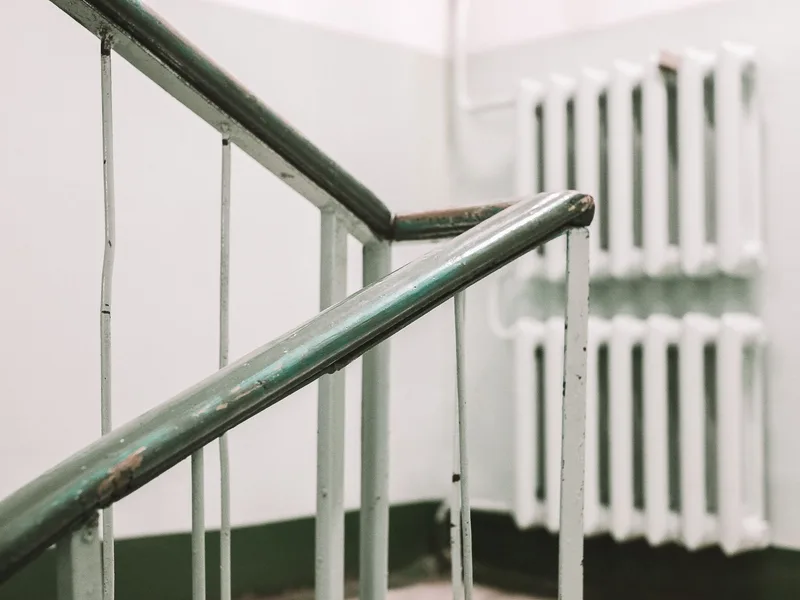
Shared entrances and stairs
Small cracks and mortar joints between ancient stones collect water and mould deep inside; disinfection requires careful treatment of these fine crevices.
How we work
-
1
Walk the space and list the surfaces
We go through the rooms and mark the touch points, the porous surfaces and the finishes, then ask what prompted the call: illness at home, moving into a new place, building work, or a smell that arrived out of nowhere.
-
2
Clean what we are about to treat
We take the film of dust and grease off the surfaces that are in scope, so the product reaches the surface itself. This is preparation for the treatment, not general house cleaning.
-
3
Apply it, and hold the contact time
Hand work on the touch points, a product matched to each surface, and the surface left visibly wet for as long as that material needs before it is dried off. Cold fogging comes last, for what a cloth cannot reach.
-
4
Ventilate and hand back
We open the place up, rinse food preparation surfaces with water, and tell you when each room goes back into use. We give you that timing on the call, because it changes with the product and the space.
What a disinfection visit includes
-

A surface and touch point survey
What gets treated, and with what, settled before anything is opened.
-

Soil off first, then the disinfectant
The greasy film comes off first, then a product that stays wet for the contact time it needs.
-

Floor traps and the air conditioning drain
Floor traps, sink outlets and the drain tray, which is where most smells actually begin.
-
Cold fogging for the space
For upward faces and corners a cloth never reaches, done as the last thing before we leave a room.
-

Ventilation and use instructions
What gets rinsed with water, what is left alone, and when each room goes back into use.
-

A scheduled repeat when it is needed
For shared entrances and places people pass through every day, because a disinfectant leaves nothing behind to stop the next contact.
Landmarks of Harat Al Sham
Work in the quarter is organised around Dar Al Zahid and Bab Jadid which mark the northern historic quarter inside the wall. We schedule disinfection cycles to cover the narrow alleys and shared openings and common areas that connect these heritage buildings and serve the residents.
- Bab Jadid
- Dar Al Zahid
- Banaja House
- Ribat Al Khunji Al Kabeer
- The Qishla
Questions about this district
Will the disinfectant damage the coral stone and old timber used in these buildings?
Strong disinfectants can damage soft historic coral and aged wood. We select a milder product that is safe on both stone and old timber, or apply a stronger product at lower concentration with extended drying time to minimise surface damage.
Does very high humidity in the historic lanes reduce how well the disinfectant works?
High humidity significantly reduces disinfectant potency and mould regrows more rapidly. We select a formulation potent enough to work through moisture and allow extended contact time, though mould prevention through ventilation is ultimately more important than treatment.
How often should the historic quarter be treated with disinfectant?
High humidity and rapid mould growth suggest weekly or twice weekly treatment of shared lanes and common areas. Interior disinfection of individual houses is the owners' responsibility, and may be limited by the age and condition of the structures.
Do bad smells come from the very old underground drainage systems?
Odours may originate from ancient sewers below ground or from water seepage in walls. We inspect the floor openings where we can, but solving persistent smells may require replumbing or deep drain cleaning, which is beyond disinfection.
Is the mould growing in these alleys a health risk or just a cosmetic problem?
Mould releases spores that can affect breathing, especially in children and the elderly. Disinfection kills existing mould, but good ventilation and keeping surfaces dry are what prevent health problems returning.
Do you disinfect inside the historic houses or just the outside lanes?
Historic buildings may require special permission from owners or heritage authorities before treatment. We focus on the shared lanes and common exterior areas that serve multiple buildings.
How much does disinfection in Harat Al Sham cost?
It is set after the inspection, because the price follows the type of infestation, the size of the space, how far it has spread and the number of visits it needs. Send a photo and a description on WhatsApp and we will give you an estimate before we reach Harat Al Sham.
Nearby districts we cover
Other services in Harat Al Sham
Other services we provide to residents of Harat Al Sham.
-
 Residential
Cockroach control
Residential
Cockroach control
-
 Residential
Bed bug control
Residential
Bed bug control
-
 Residential
Termite control
Residential
Termite control
-
 Residential
Rodents and mice
Residential
Rodents and mice
-
 Residential
Mosquito control
Residential
Mosquito control
-
 Residential
Fly control
Residential
Fly control
-
 Residential
Ant control
Residential
Ant control
-
 Residential
Gecko control
Residential
Gecko control
-
 Residential
Scorpion control
Residential
Scorpion control
-
 Residential
Snake control
Residential
Snake control
-
 Residential
Flea control
Residential
Flea control
-
 Residential
Bird and pigeon control
Residential
Bird and pigeon control
-
 Residential
Preventive treatment
Residential
Preventive treatment
-
 Commercial
Annual contracts
Commercial
Annual contracts
-
 Commercial
Restaurants and cafes
Commercial
Restaurants and cafes
-
 Commercial
Hotels and apartments
Commercial
Hotels and apartments
-
 Commercial
Warehouses and factories
Commercial
Warehouses and factories
-
 Commercial
Schools and nurseries
Commercial
Schools and nurseries
-
 Commercial
Retail and malls
Commercial
Retail and malls
-
 Commercial
Rest houses and farms
Commercial
Rest houses and farms
-
 Commercial
Fumigation
Commercial
Fumigation
-
 Water tanks
Water tank cleaning
Water tanks
Water tank cleaning
-
 Water tanks
Water tank sterilization
Water tanks
Water tank sterilization
-
 Water tanks
Water tank sealing
Water tanks
Water tank sealing
-
 Water tanks
Tank leak repair
Water tanks
Tank leak repair
Need disinfection in Harat Al Sham? Tell us what you saw and we will tell you what it needs
We reach Harat Al Sham at a time we agree, and you get the full cost before we start.