
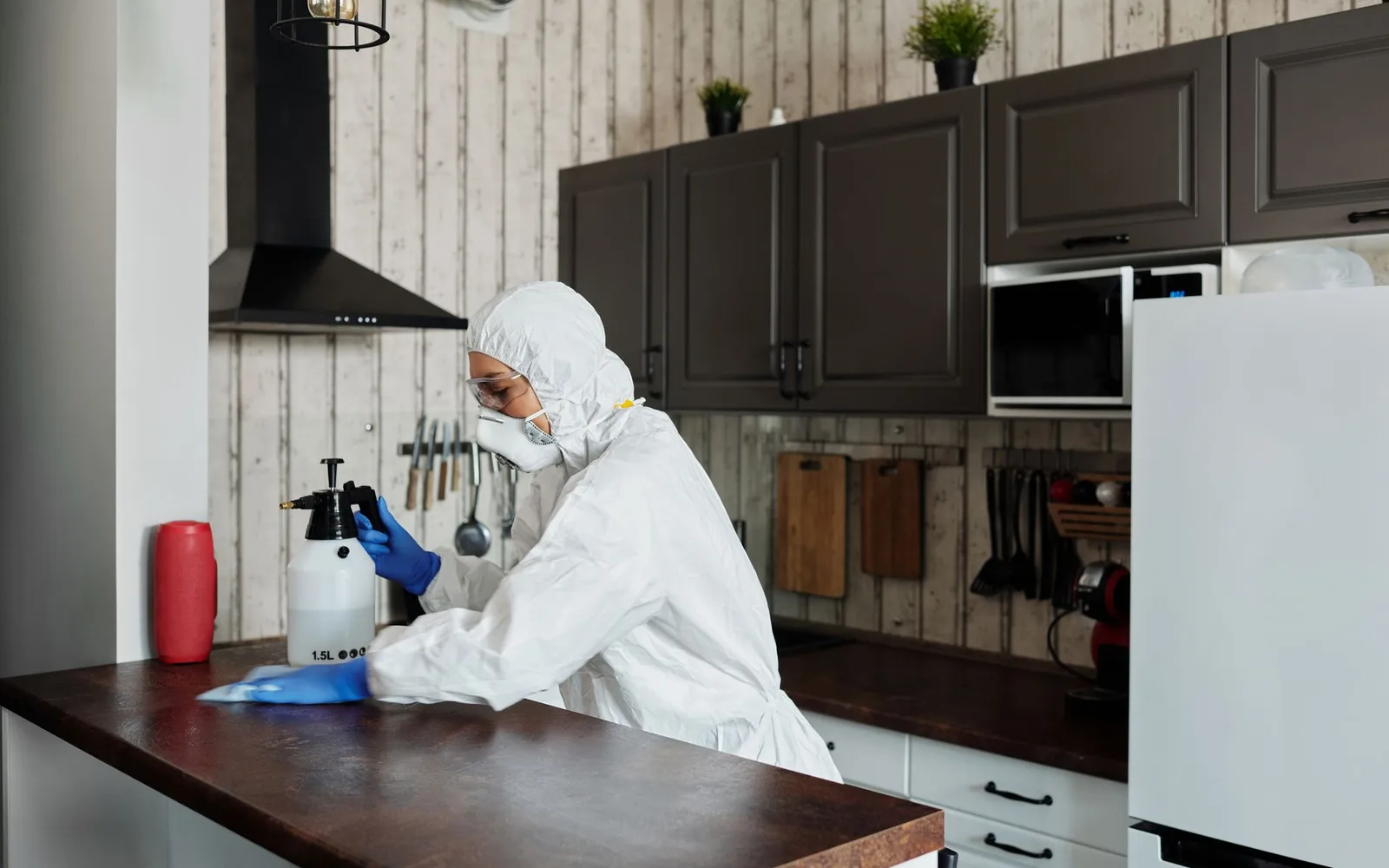
Disinfection in South Prince Fawaz Jeddah
South Prince Fawaz is a densely built residential extension south of Jeddah, close to the Haramain Road and the Jeddah Makkah Expressway, where apartment buildings and villas are crossed by an open stormwater channel. The district is relatively modern but older drainage networks and the open water course create persistent humidity and attract pests. We treat the apartment blocks and shared areas in ways that account for the high density and the continuous threat from the exposed channel.
-
Targeted, not broadcast
Product goes into cracks and runways, never sprayed across open surfaces.
-
Told before we start
What we will use, where it goes, and what to cover or move before we arrive.
-
A follow-up visit
We return after the first treatment, because what survives it does not show on the day.
-
Homes and businesses
Apartments and villas, and kitchens and stores that need a record of each visit.
Why they keep coming back in South Prince Fawaz
The open channel creates persistent dampness and attracts insects and rodents; seasonal rains intensify the problem in winter, and moisture penetration into surrounding buildings is a constant issue throughout the cooler months. The method is set out in full on Disinfection in detail.
The open stormwater channel drawing moisture and pests into the buildings
An open drainage channel crosses the district east to west carrying seasonal run off and stagnant water. High humidity persists in the foundations and shared corridors of nearby buildings, and insects and rodents live in the channel and readily enter the homes above it. The channel becomes a contamination source that affects a wide area.
Proximity to the Haramain and Expressway bringing vehicle pollution and dust
The district sits very close to major roads with heavy traffic, and pollution and dust blow into the streets and onto building surfaces. Streets within the district become soiled more rapidly than in more isolated areas, and vehicles account for a significant share of the dust load and the air contamination.
Mixed apartment and villa housing with different entry points and systems
The district contains both apartment blocks and standalone villas, each with different drainage systems and entry configurations. Some residents share common stairs and entries whilst others are independent. Disinfection strategy must differ between the two building types and their varying infection routes.
South Prince Fawaz on the map
South Prince Fawaz sits about 1 km from North Prince Fawaz and about 1.5 km from Al Adl.
Open in Google MapsWhat we look at before the product is chosen
The district lies close to the Haramain Road and the Jeddah Makkah Expressway, with apartment buildings and villas laid on a regular grid intersected by an open stormwater drainage channel. Al Quraawi Mosque, Al Fath Mosque, Al Dhafer Hospital and Talitla Secondary School serve the district and border it to the south is Prince Abdul Majeed.
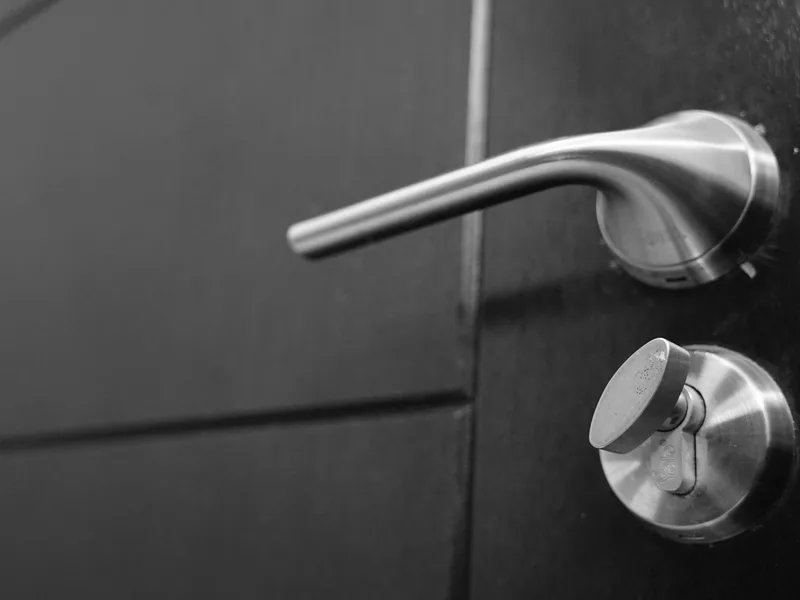
The touch points
Touch surfaces and shared corridors near the channel suffer very high humidity and collect both dust and moisture simultaneously, accelerating contamination.
Porous surfaces
Porous concrete surfaces in areas near the channel absorb moisture and minerals from the water very rapidly, shortening the interval between treatments.
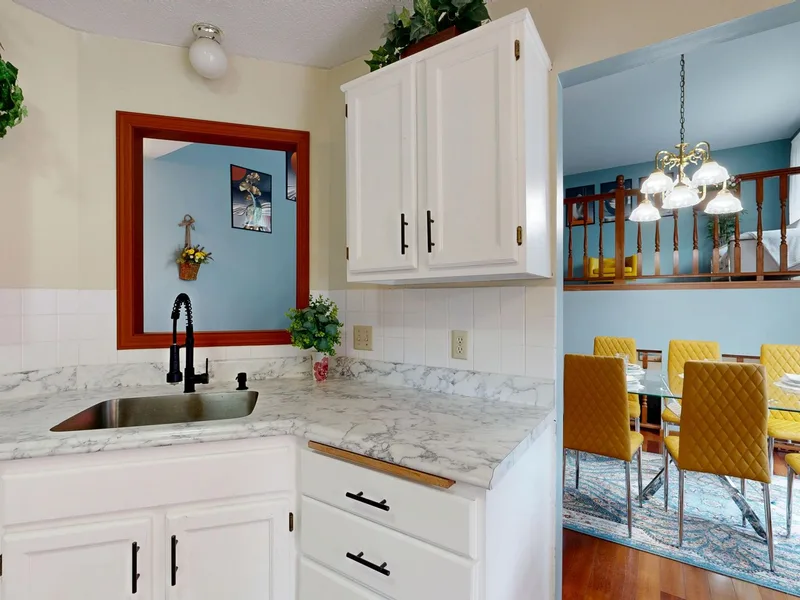
The finish itself
Interior paint in shared corridors near the channel peels from constant damp exposure, and failed finishes reduce the effectiveness of disinfection coverage.
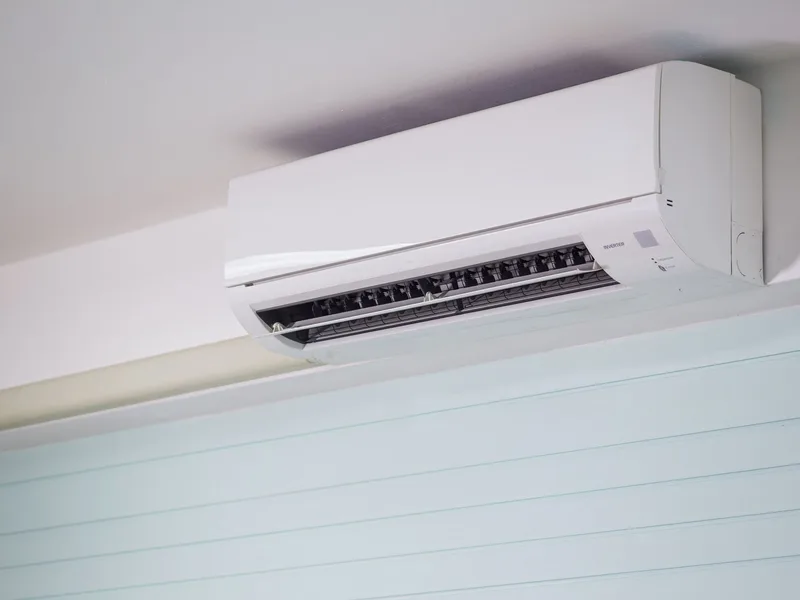
The air conditioning unit
Air conditioning units in areas near the channel produce more condensation and more mould in drain lines because indoor humidity is already elevated from outside sources.
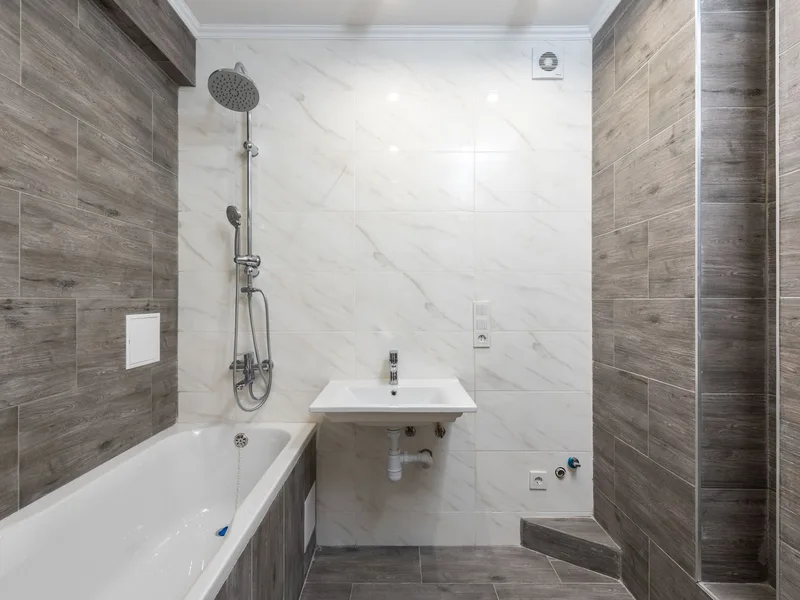
Floor traps
Floor drains in areas near the channel block more readily and cause strong odours when drainage is impeded by debris from the nearby watercourse.
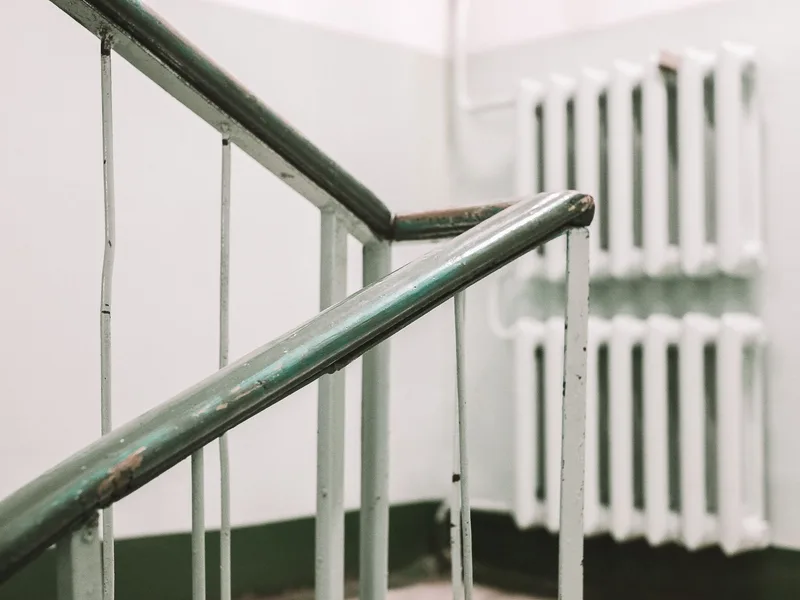
Shared entrances and stairs
Shared entries and corridors carry moisture and dust from the channel, and good ventilation and regular treatment are both essential to control contamination.
How we work
-
1
Walk the space and list the surfaces
We go through the rooms and mark the touch points, the porous surfaces and the finishes, then ask what prompted the call: illness at home, moving into a new place, building work, or a smell that arrived out of nowhere.
-
2
Clean what we are about to treat
We take the film of dust and grease off the surfaces that are in scope, so the product reaches the surface itself. This is preparation for the treatment, not general house cleaning.
-
3
Apply it, and hold the contact time
Hand work on the touch points, a product matched to each surface, and the surface left visibly wet for as long as that material needs before it is dried off. Cold fogging comes last, for what a cloth cannot reach.
-
4
Ventilate and hand back
We open the place up, rinse food preparation surfaces with water, and tell you when each room goes back into use. We give you that timing on the call, because it changes with the product and the space.
What a disinfection visit includes
-

A surface and touch point survey
What gets treated, and with what, settled before anything is opened.
-

Soil off first, then the disinfectant
The greasy film comes off first, then a product that stays wet for the contact time it needs.
-

Floor traps and the air conditioning drain
Floor traps, sink outlets and the drain tray, which is where most smells actually begin.
-
Cold fogging for the space
For upward faces and corners a cloth never reaches, done as the last thing before we leave a room.
-

Ventilation and use instructions
What gets rinsed with water, what is left alone, and when each room goes back into use.
-

A scheduled repeat when it is needed
For shared entrances and places people pass through every day, because a disinfectant leaves nothing behind to stop the next contact.
What is different about South Sub-Municipality
The South sub municipality runs from the edge of Old Makkah Road down to Al Khumrah and the southern corniche. Dense residential districts sit beside new subdivisions such as Al Sanabil and Al Taawun, warehouse fringes such as Al Saruriyah and Al Sarawat, and an old seaside settlement at Al Quzayn. Open stormwater channels cross the housing, and the warehouses, the vegetable and livestock markets and the nearby Islamic Port and Industrial City give pests shelter, food and year round humidity. Pressure is greatest in the older quarters, where drainage networks are ageing.
Questions about this district
Does the open stormwater channel cause disease in the district?
The channel can harbour bacteria, insects and rodents, and stagnant water in it causes odours and attracts pests. Regular disinfection of shared areas and buildings near the channel is essential, and pest control should be coordinated with disinfection cycles.
Does moisture from the channel reduce the effectiveness of the disinfectant?
Yes, the high humidity around the channel significantly reduces disinfectant potency. We select a formulation strong enough to work through persistent moisture and focus treatment on areas near the channel where dampness is worst.
How often should a district with an open drainage channel be disinfected?
High density, heavy traffic and the moisture source mean weekly treatment of shared areas and common corridors is advisable. More frequent treatment may be needed during winter when the channel carries more water and moisture penetration is worst.
Does disinfection include treating the channel itself?
No, the channel itself requires maintenance and cleaning by the municipality. We focus on the shared areas, corridors and building entries in the residential blocks, particularly those closest to the channel.
Does the Expressway so close by cause pollution problems in the district?
The Expressway is very close and generates dust and vehicle pollution. Buildings and streets closest to the road accumulate dust more rapidly and may benefit from more frequent disinfection cycles.
Do you disinfect villas the same way as apartment blocks in this district?
Villas and apartments need different approaches. Villas typically house one family with independent entries, whilst apartments share common areas. Treatment strategy differs based on the building type and how residents share or do not share access routes.
How much does disinfection in South Prince Fawaz cost?
It is set after the inspection, because the price follows the type of infestation, the size of the space, how far it has spread and the number of visits it needs. Send a photo and a description on WhatsApp and we will give you an estimate before we reach South Prince Fawaz.
Nearby districts we cover
Other services in South Prince Fawaz
Other services we provide to residents of South Prince Fawaz.
-
 Residential
Cockroach control
Residential
Cockroach control
-
 Residential
Bed bug control
Residential
Bed bug control
-
 Residential
Termite control
Residential
Termite control
-
 Residential
Rodents and mice
Residential
Rodents and mice
-
 Residential
Mosquito control
Residential
Mosquito control
-
 Residential
Fly control
Residential
Fly control
-
 Residential
Ant control
Residential
Ant control
-
 Residential
Gecko control
Residential
Gecko control
-
 Residential
Scorpion control
Residential
Scorpion control
-
 Residential
Snake control
Residential
Snake control
-
 Residential
Flea control
Residential
Flea control
-
 Residential
Bird and pigeon control
Residential
Bird and pigeon control
-
 Residential
Preventive treatment
Residential
Preventive treatment
-
 Commercial
Annual contracts
Commercial
Annual contracts
-
 Commercial
Restaurants and cafes
Commercial
Restaurants and cafes
-
 Commercial
Hotels and apartments
Commercial
Hotels and apartments
-
 Commercial
Warehouses and factories
Commercial
Warehouses and factories
-
 Commercial
Schools and nurseries
Commercial
Schools and nurseries
-
 Commercial
Retail and malls
Commercial
Retail and malls
-
 Commercial
Rest houses and farms
Commercial
Rest houses and farms
-
 Commercial
Fumigation
Commercial
Fumigation
-
 Water tanks
Water tank cleaning
Water tanks
Water tank cleaning
-
 Water tanks
Water tank sterilization
Water tanks
Water tank sterilization
-
 Water tanks
Water tank sealing
Water tanks
Water tank sealing
-
 Water tanks
Tank leak repair
Water tanks
Tank leak repair
Need disinfection in South Prince Fawaz? Tell us what you saw and we will tell you what it needs
We reach South Prince Fawaz at a time we agree, and you get the full cost before we start.