
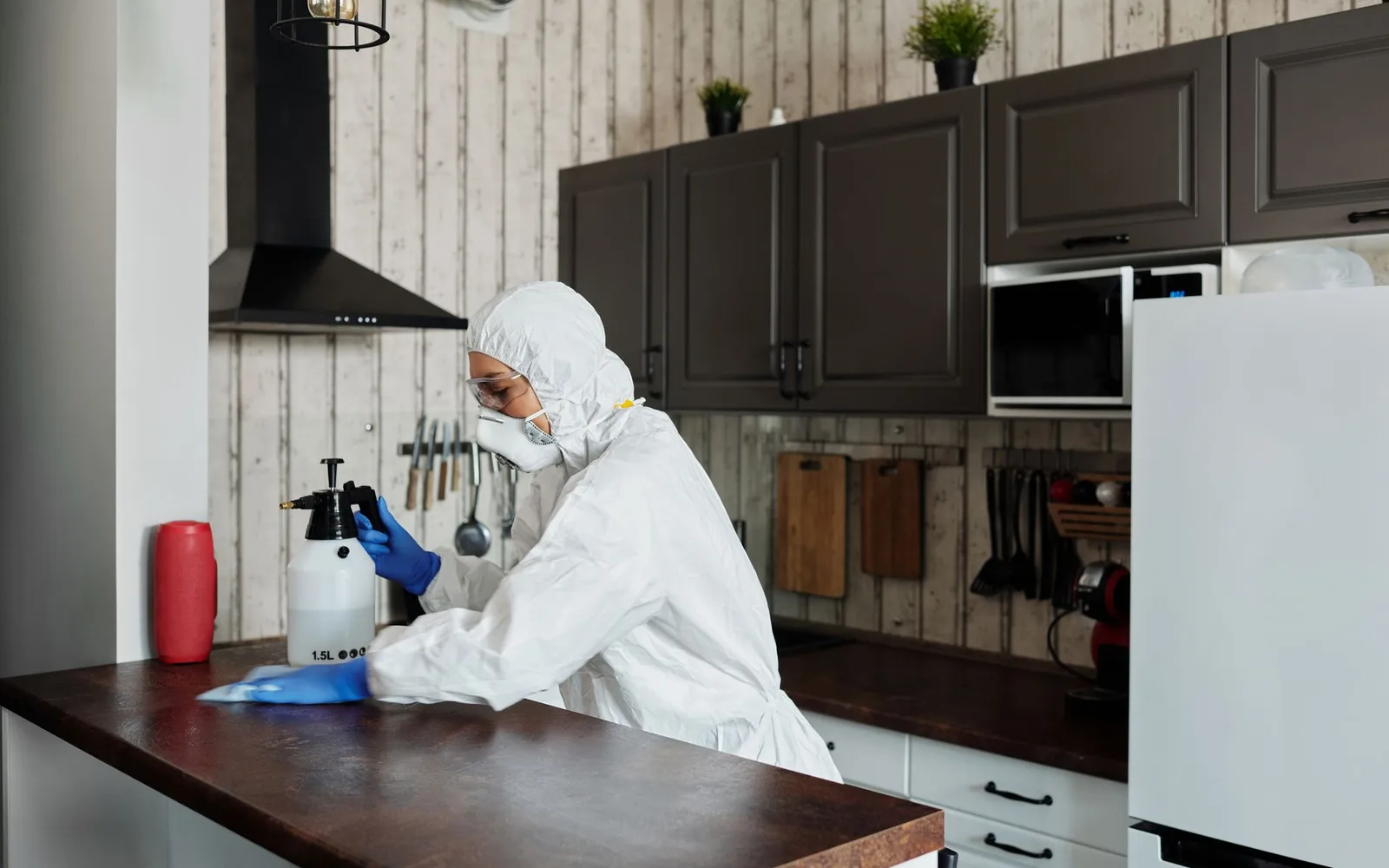
Disinfection in Umm Hablain Jeddah
Umm Hablain is a new development on Jeddah's north eastern fringe, with Wadi Umm Hablain and its dam running through the district. Ongoing construction and vacant plots between buildings, combined with elevated groundwater and incomplete drainage infrastructure, create a persistently damp environment that needs specialised disinfection treatment.
-
Targeted, not broadcast
Product goes into cracks and runways, never sprayed across open surfaces.
-
Told before we start
What we will use, where it goes, and what to cover or move before we arrive.
-
A follow-up visit
We return after the first treatment, because what survives it does not show on the day.
-
Homes and businesses
Apartments and villas, and kitchens and stores that need a record of each visit.
Why they keep coming back in Umm Hablain
Damp rising from foundations appears in new flats with surprising speed, with moisture stains visible on interior walls even in dry seasons because of the high water table beneath the district. The method is set out in full on what Disinfection involves.
Ground moisture from the elevated water table
The high water table in Umm Hablain means dampness rises from beneath buildings without pause. Walls and floors absorb water from the foundations upwards, and disinfectant alone cannot solve the underlying moisture problem, but it does treat the surface against germs and the mould that results from constant wetness.
Incomplete drainage and open excavations nearby
Drainage infrastructure in the district remains incomplete, so water pools in random places. Open excavations and vacant plots between buildings attract insects and rodents, becoming a source through which contaminants reach the flats above and around them.
Ongoing construction, dust and fresh building materials
Continuous building work around the neighbourhood brings airborne dust and mineral particles from new concrete and rust from exposed steel reinforcement. These contaminants enter flats through foundation gaps, windows and openings, and disinfection requires priority cleaning of these deposits before application to be effective.
Umm Hablain on the map
Umm Hablain sits about 4.5 km from Al Kawthar and about 6.5 km from Al Rayyan.
Open in Google MapsWhat we look at before the product is chosen
Wadi Umm Hablain and the vacant plots surrounding the neighbourhood retain moisture and standing water after rain. Elevated groundwater means dampness rises continuously from building foundations and lower walls.
The touch points
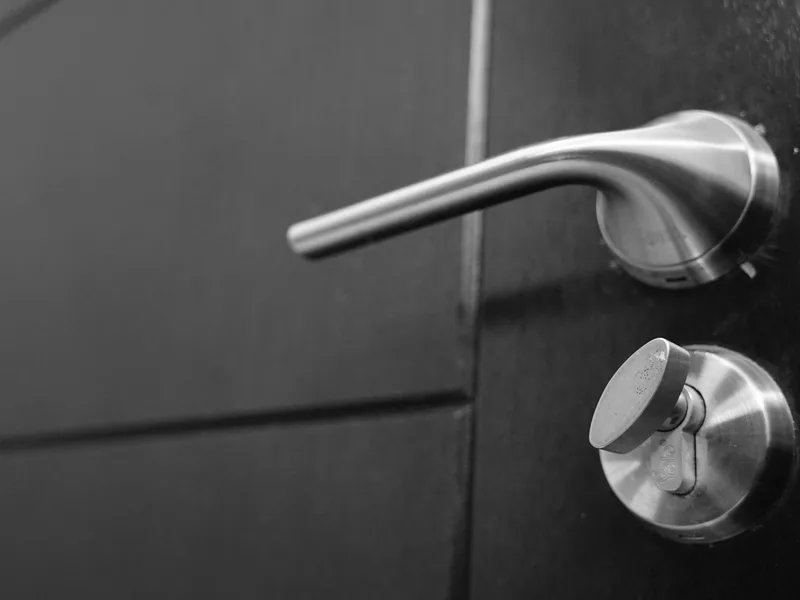
Touch points in the new flat become soiled rapidly by dust and rust particles drifting from surrounding construction sites and open excavations.
Porous surfaces
Porous surfaces from fresh concrete and new plaster absorb moisture and contaminants readily, requiring specialist preparation before the disinfectant is applied.
The finish itself
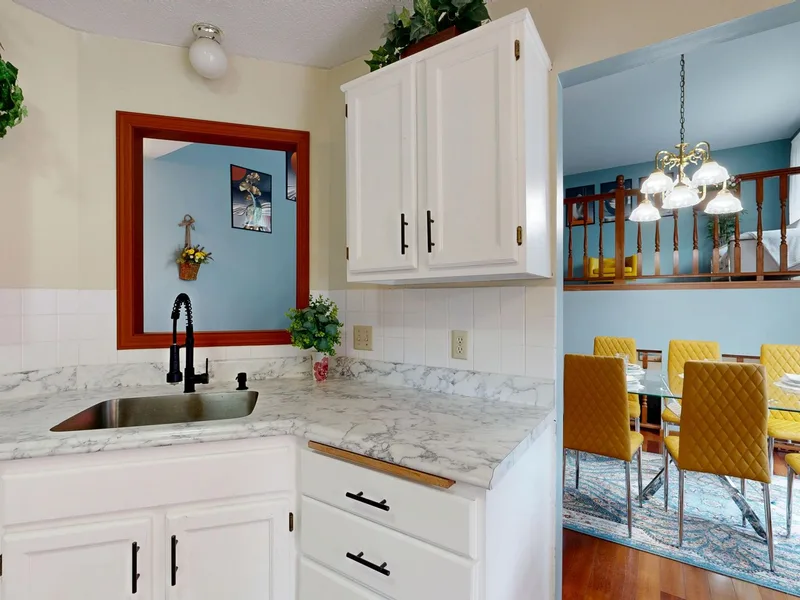
New finishes, paint and flooring materials may be contaminated with dust and residual chemicals from the building process, so early cleaning before disinfection is essential.
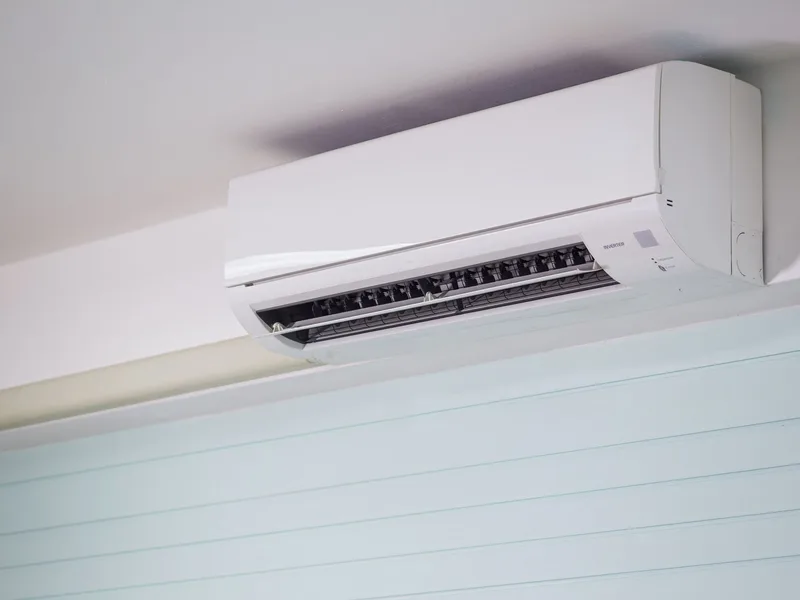
The air conditioning unit
Air conditioning condenser drain lines and new pipework may carry dust and moisture from installation work, requiring separate treatment away from the main living area.
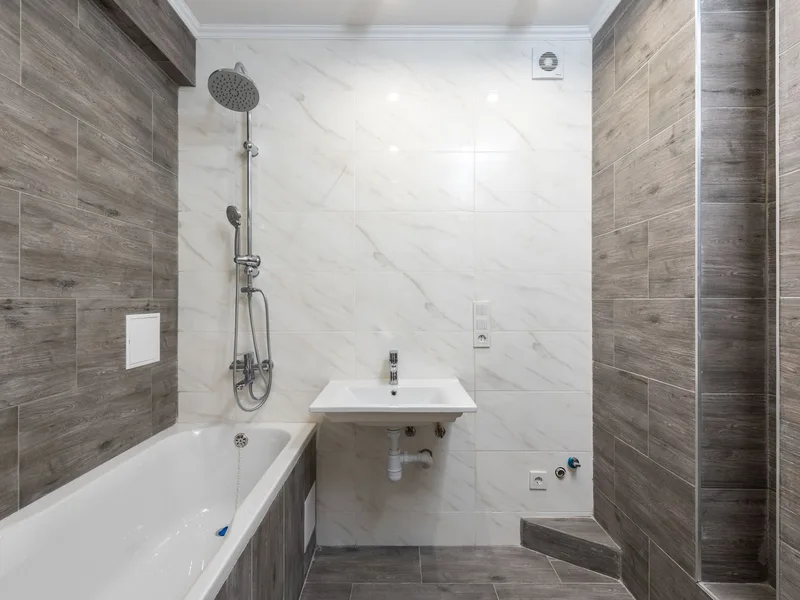
Floor traps
Floor traps and drains in new flats may be unsealed or incomplete, drawing dampness and insects from below, so they need priority attention during disinfection.
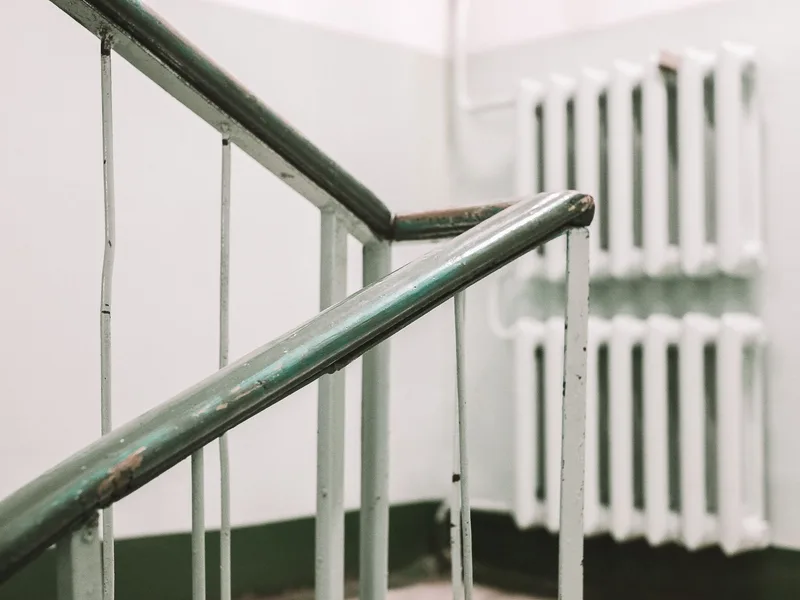
Shared entrances and stairs
Shared entrances and stairs in the new neighbourhood become quickly soiled by construction vehicle traffic and heavy lorry movements, needing separate disinfection from individual flats.
How we work
-
1
Walk the space and list the surfaces
We go through the rooms and mark the touch points, the porous surfaces and the finishes, then ask what prompted the call: illness at home, moving into a new place, building work, or a smell that arrived out of nowhere.
-
2
Clean what we are about to treat
We take the film of dust and grease off the surfaces that are in scope, so the product reaches the surface itself. This is preparation for the treatment, not general house cleaning.
-
3
Apply it, and hold the contact time
Hand work on the touch points, a product matched to each surface, and the surface left visibly wet for as long as that material needs before it is dried off. Cold fogging comes last, for what a cloth cannot reach.
-
4
Ventilate and hand back
We open the place up, rinse food preparation surfaces with water, and tell you when each room goes back into use. We give you that timing on the call, because it changes with the product and the space.
What a disinfection visit includes
-

A surface and touch point survey
What gets treated, and with what, settled before anything is opened.
-

Soil off first, then the disinfectant
The greasy film comes off first, then a product that stays wet for the contact time it needs.
-

Floor traps and the air conditioning drain
Floor traps, sink outlets and the drain tray, which is where most smells actually begin.
-
Cold fogging for the space
For upward faces and corners a cloth never reaches, done as the last thing before we leave a room.
-

Ventilation and use instructions
What gets rinsed with water, what is left alone, and when each room goes back into use.
-

A scheduled repeat when it is needed
For shared entrances and places people pass through every day, because a disinfectant leaves nothing behind to stop the next contact.
The character of Umm Hablain
New development: ongoing construction and vacant plots between the homes
New development and active construction mean contaminants enter continuously from outside through gaps and windows. Disinfection here is not a lasting barrier but a cyclical treatment that protects against germs and mould accumulation until building work around the district concludes.
Questions about this district
If dampness rises from the foundations, can disinfectant really solve the underlying moisture issue?
Disinfectant treats the surface against germs and mould caused by moisture, but it does not address the underlying dampness itself. Good ventilation, fans and continuous drying are needed, and disinfection protects against bacterial growth while ventilation improves gradually.
Do the excavations and vacant plots around the neighbourhood attract more insects?
Yes, excavations and vacant land provide a damp environment that attracts insects and rodents. Standing water and moisture in these areas encourage flying insects and ground dwelling species, which may enter flats through gaps and window openings.
Does fresh concrete and new building materials in new flats need cleaning before disinfection?
Fresh concrete and new steel react with moisture and air, leaving mineral deposits on surfaces. We clean these deposits first before disinfection, otherwise the smell of paint, new concrete and contaminants will persist even after the treatment.
Does construction dust from building sites around the district enter flats from the foundation level?
Yes, mineral dust and fine particles from concrete and steel become airborne, entering flats through foundation gaps, windows and openings. Regular disinfection helps remove this dust from surfaces before it builds up into a chronic problem.
Does a high water table mean we need far more frequent disinfection than other areas?
Yes, continuous moisture from the high water table supports bacterial and mould growth far more rapidly. Regular disinfection at shorter intervals is essential here to maintain a healthy environment, particularly during winter months and periods of rain.
After disinfection, when can we safely open windows to ventilate the new flat?
After a few hours, windows can be opened and the flat ventilated normally. Good ventilation after disinfection helps dry the flat of excess moisture and speeds the drying of the disinfectant itself, improving indoor air quality.
How much does disinfection in Umm Hablain cost?
It is set after the inspection, because the price follows the type of infestation, the size of the space, how far it has spread and the number of visits it needs. Send a photo and a description on WhatsApp and we will give you an estimate before we reach Umm Hablain.
Nearby districts we cover
Other services in Umm Hablain
Other services we provide to residents of Umm Hablain.
-
 Residential
Cockroach control
Residential
Cockroach control
-
 Residential
Bed bug control
Residential
Bed bug control
-
 Residential
Termite control
Residential
Termite control
-
 Residential
Rodents and mice
Residential
Rodents and mice
-
 Residential
Mosquito control
Residential
Mosquito control
-
 Residential
Fly control
Residential
Fly control
-
 Residential
Ant control
Residential
Ant control
-
 Residential
Gecko control
Residential
Gecko control
-
 Residential
Scorpion control
Residential
Scorpion control
-
 Residential
Snake control
Residential
Snake control
-
 Residential
Flea control
Residential
Flea control
-
 Residential
Bird and pigeon control
Residential
Bird and pigeon control
-
 Residential
Preventive treatment
Residential
Preventive treatment
-
 Commercial
Annual contracts
Commercial
Annual contracts
-
 Commercial
Restaurants and cafes
Commercial
Restaurants and cafes
-
 Commercial
Hotels and apartments
Commercial
Hotels and apartments
-
 Commercial
Warehouses and factories
Commercial
Warehouses and factories
-
 Commercial
Schools and nurseries
Commercial
Schools and nurseries
-
 Commercial
Retail and malls
Commercial
Retail and malls
-
 Commercial
Rest houses and farms
Commercial
Rest houses and farms
-
 Commercial
Fumigation
Commercial
Fumigation
-
 Water tanks
Water tank cleaning
Water tanks
Water tank cleaning
-
 Water tanks
Water tank sterilization
Water tanks
Water tank sterilization
-
 Water tanks
Water tank sealing
Water tanks
Water tank sealing
-
 Water tanks
Tank leak repair
Water tanks
Tank leak repair
Need disinfection in Umm Hablain? Tell us what you saw and we will tell you what it needs
We reach Umm Hablain at a time we agree, and you get the full cost before we start.