
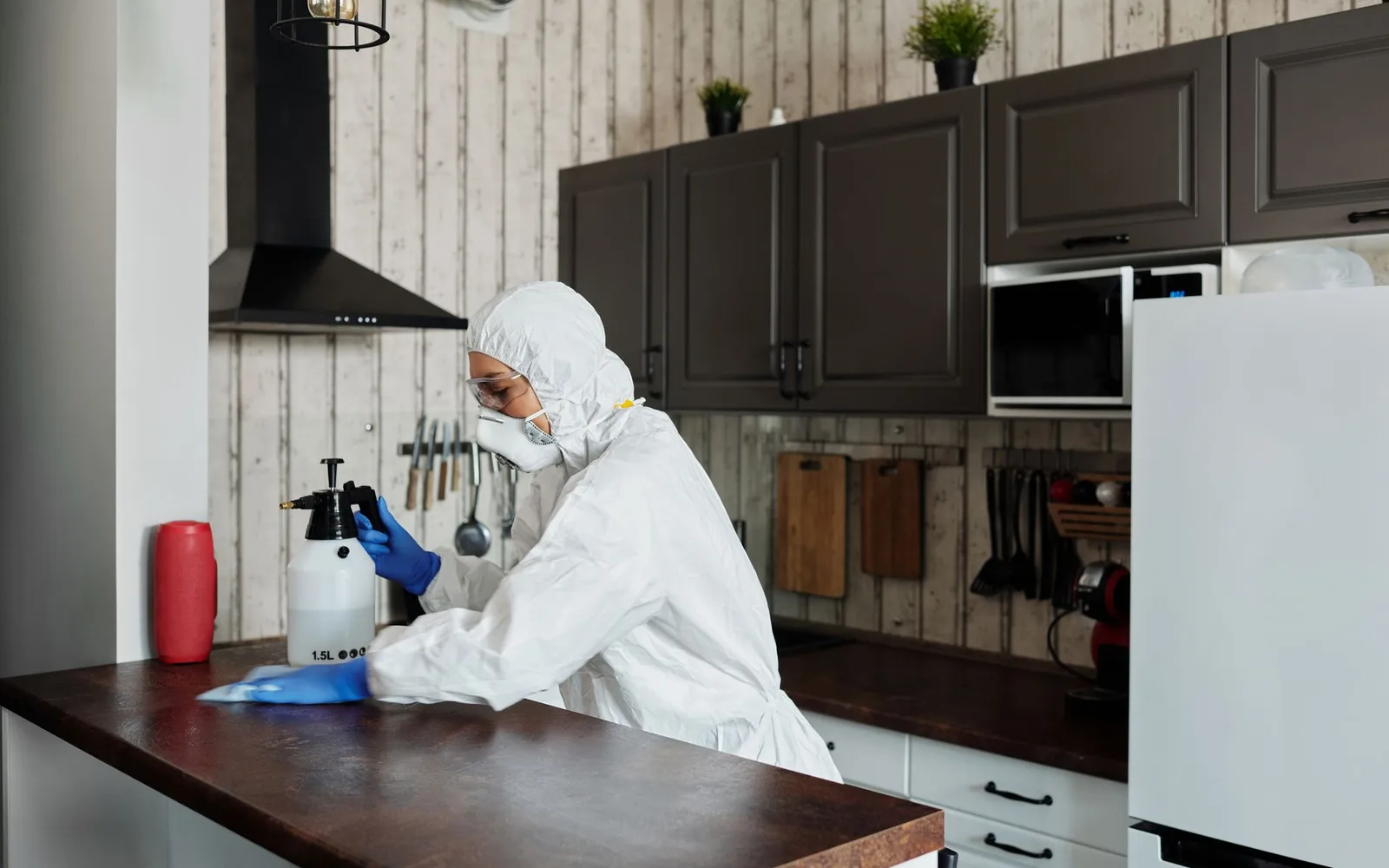
Disinfection in Al Kawthar Jeddah
Al Kawthar is a new eastern district east of King Abdulaziz International Airport, with ongoing construction and vacant land between new villas and apartment blocks that multiply contamination sources. The wide street grid allows direct access for the work, but construction dust from building projects and incomplete drainage networks require comprehensive treatment that reaches beyond the visible surfaces.
-
Targeted, not broadcast
Product goes into cracks and runways, never sprayed across open surfaces.
-
Told before we start
What we will use, where it goes, and what to cover or move before we arrive.
-
A follow-up visit
We return after the first treatment, because what survives it does not show on the day.
-
Homes and businesses
Apartments and villas, and kitchens and stores that need a record of each visit.
Why they keep coming back in Al Kawthar
Construction dust from stormwater network modifications recontaminates treated surfaces quickly, and the nearby vacant plots remain a continuous source of insects that migrate into occupied homes. The method is set out in full on what Disinfection involves.
Construction dust invalidates the treatment
Al Kawthar continues to see building and infrastructure modifications, and the resulting dust settles on treated surfaces faster than anywhere else. Disinfectant cannot work through a dust film, so treatment needs repeating more often until construction stabilises in the district. The work begins not with applying product but with thorough cleaning of every surface first.
Incomplete drainage multiplies the problem
The sewerage and stormwater systems are not finished across all parts of the district, so water pools in certain spots and becomes an ideal breeding ground for mosquitoes and insects. This means disinfection alone solves nothing; we must also treat floor traps and the damp points that harbour larvae and eggs that survive the product.
Vacant land beside the homes feeds a constant return
The open plots between new villas and apartment buildings shelter insects and pests, and they migrate back into homes quickly after treatment stops. The location next to unbuilt ground means disinfection must concentrate on entry points and gaps facing outward, sealing the places where insects travel in from the surrounding vacant land.
Al Kawthar on the map
Al Kawthar sits about 4.5 km from Umm Hablain and about 5.5 km from Al Rayyan.
Open in Google MapsWhat we look at before the product is chosen
A young district on Prince Khalid bin Abdullah Road, bordered by Al Rayyan to the south and Al Hamdaniyah to the north, where the sewerage and stormwater networks remain incomplete across large areas.
The touch points
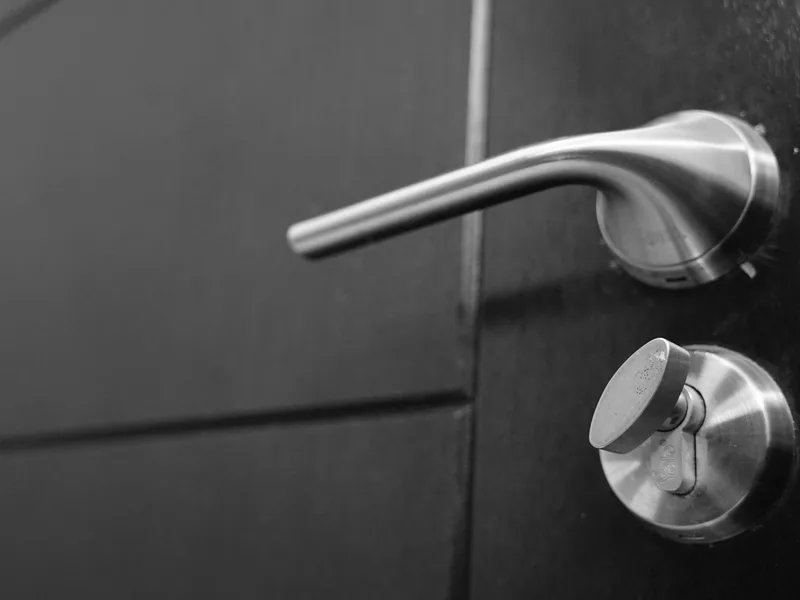
Multiple contamination sources from building and vacant land increase the frequency of high touch surfaces and common areas, so we clean and disinfect every regular touch point systematically.
Porous surfaces
Construction dust settles on porous surfaces quickly, and new plaster and stone absorb disinfectant faster but require thorough cleaning first to be effective.
The finish itself
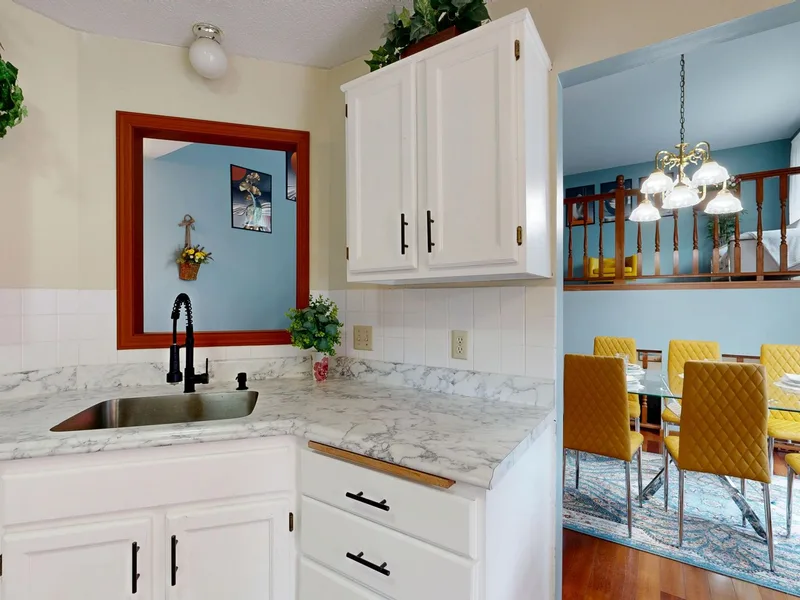
New finishes in modern villas and apartment buildings range from modern paint to marble and ceramic tiles, and each type needs appropriate treatment suited to its surface and porosity.
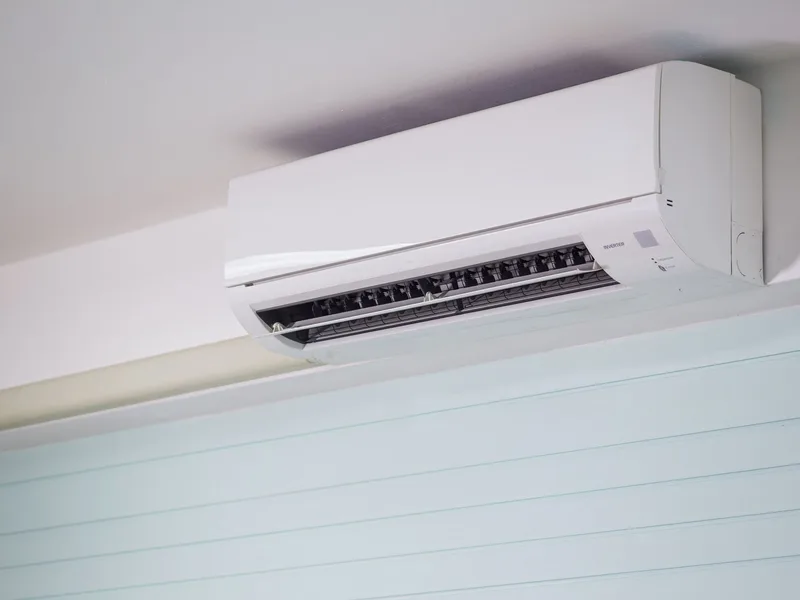
The air conditioning unit
Modern air conditioning units in Al Kawthar need regular drainage line clearance as construction dust and moisture accumulate in the cooling drain from ongoing building activity.
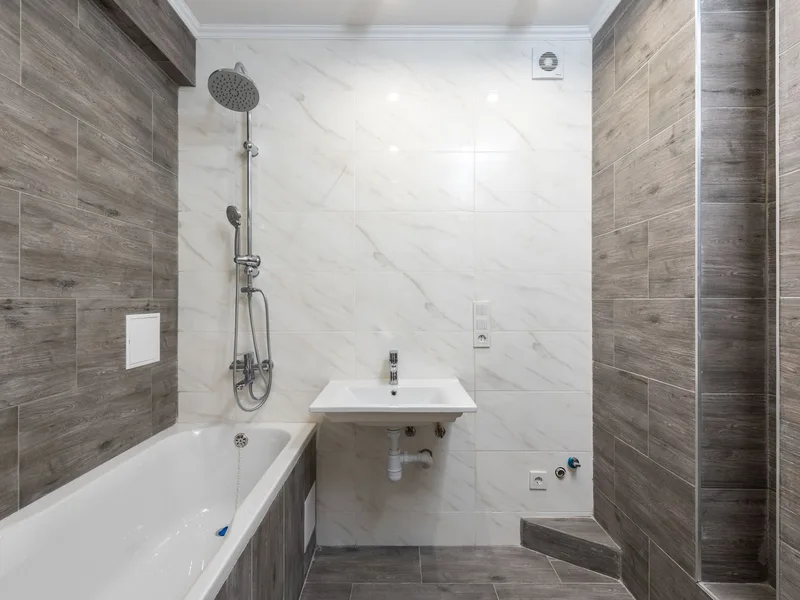
Floor traps
Floor traps in new kitchens and bathrooms need special cleaning and disinfection because building dust may block some and create ideal breeding conditions for pests if they stagnate.
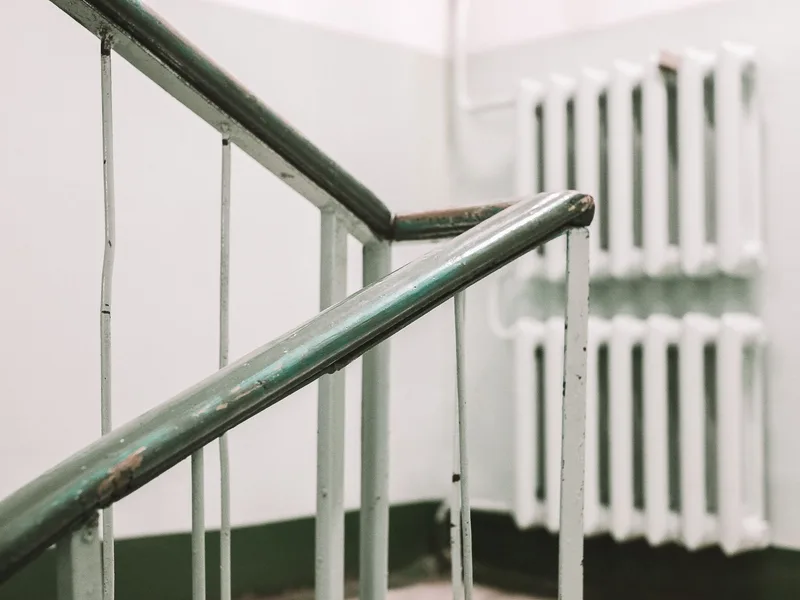
Shared entrances and stairs
Shared entrances and stairs in new apartment blocks need intensive treatment due to worker and delivery traffic during ongoing construction and finishing phases.
How we work
-
1
Walk the space and list the surfaces
We go through the rooms and mark the touch points, the porous surfaces and the finishes, then ask what prompted the call: illness at home, moving into a new place, building work, or a smell that arrived out of nowhere.
-
2
Clean what we are about to treat
We take the film of dust and grease off the surfaces that are in scope, so the product reaches the surface itself. This is preparation for the treatment, not general house cleaning.
-
3
Apply it, and hold the contact time
Hand work on the touch points, a product matched to each surface, and the surface left visibly wet for as long as that material needs before it is dried off. Cold fogging comes last, for what a cloth cannot reach.
-
4
Ventilate and hand back
We open the place up, rinse food preparation surfaces with water, and tell you when each room goes back into use. We give you that timing on the call, because it changes with the product and the space.
What a disinfection visit includes
-

A surface and touch point survey
What gets treated, and with what, settled before anything is opened.
-

Soil off first, then the disinfectant
The greasy film comes off first, then a product that stays wet for the contact time it needs.
-

Floor traps and the air conditioning drain
Floor traps, sink outlets and the drain tray, which is where most smells actually begin.
-
Cold fogging for the space
For upward faces and corners a cloth never reaches, done as the last thing before we leave a room.
-

Ventilation and use instructions
What gets rinsed with water, what is left alone, and when each room goes back into use.
-

A scheduled repeat when it is needed
For shared entrances and places people pass through every day, because a disinfectant leaves nothing behind to stop the next contact.
Landmarks of Al Kawthar
The district centres on Prince Khalid bin Abdullah Road and extends toward Al Masurah Street, and homes are accessed easily through the wide street grid. Al Mubashirin Mosque and Uqbah ibn Nafi Mosque serve as clear navigation points across the district to reach different residential locations.
- Prince Khalid bin Abdullah Road
- Al Masurah Street
- Al Mubashirin Mosque
- Uqbah ibn Nafi Mosque
- Lulu Hypermarket
Questions about this district
Do insects return quickly from the vacant plots around Al Kawthar?
Yes, the vacant land around the district is a continuous source of pests. We therefore concentrate on treating entry points and around windows and doors and the gaps where the exterior meets the building, and we recommend sealing small cracks and openings around the home to slow reinvasion.
When will the building projects that spread dust finish?
The district remains in construction phases and drainage modification projects continue. While work proceeds, we recommend disinfection after major building phases end, and a thorough clean before treatment to ensure the disinfectant reaches the surface itself and works fully.
Is deep cleaning before disinfection essential in Al Kawthar?
Yes, construction dust covers everything, and disinfectant cannot penetrate a dust layer. We clean surfaces thoroughly first, then apply the product so it reaches the surface itself and functions at full strength without being blocked by grime.
Do new villas need disinfection before moving in?
Yes, new villas need comprehensive disinfection before occupancy. Dust and soil from building and worker activity may leave behind pests and germs, so we disinfect every room and every surface before the first use of the home.
How often should we disinfect in a year with ongoing construction?
With continuous building and vacant plots, we recommend periodic disinfection every two to three months. Once major building phases finish in the district, the interval can lengthen to every four to six months as the contamination pressure drops.
Are floor traps and air conditioning drains important to treat here?
Very important, especially with incomplete drainage. Floor traps and the spaces around the cooling drain collect water and dampness, and they are where smells and insects breed. We treat these points with special care every time disinfection takes place.
How much does disinfection in Al Kawthar cost?
It is set after the inspection, because the price follows the type of infestation, the size of the space, how far it has spread and the number of visits it needs. Send a photo and a description on WhatsApp and we will give you an estimate before we reach Al Kawthar.
Nearby districts we cover
Other services in Al Kawthar
Other services we provide to residents of Al Kawthar.
-
 Residential
Cockroach control
Residential
Cockroach control
-
 Residential
Bed bug control
Residential
Bed bug control
-
 Residential
Termite control
Residential
Termite control
-
 Residential
Rodents and mice
Residential
Rodents and mice
-
 Residential
Mosquito control
Residential
Mosquito control
-
 Residential
Fly control
Residential
Fly control
-
 Residential
Ant control
Residential
Ant control
-
 Residential
Gecko control
Residential
Gecko control
-
 Residential
Scorpion control
Residential
Scorpion control
-
 Residential
Snake control
Residential
Snake control
-
 Residential
Flea control
Residential
Flea control
-
 Residential
Bird and pigeon control
Residential
Bird and pigeon control
-
 Residential
Preventive treatment
Residential
Preventive treatment
-
 Commercial
Annual contracts
Commercial
Annual contracts
-
 Commercial
Restaurants and cafes
Commercial
Restaurants and cafes
-
 Commercial
Hotels and apartments
Commercial
Hotels and apartments
-
 Commercial
Warehouses and factories
Commercial
Warehouses and factories
-
 Commercial
Schools and nurseries
Commercial
Schools and nurseries
-
 Commercial
Retail and malls
Commercial
Retail and malls
-
 Commercial
Rest houses and farms
Commercial
Rest houses and farms
-
 Commercial
Fumigation
Commercial
Fumigation
-
 Water tanks
Water tank cleaning
Water tanks
Water tank cleaning
-
 Water tanks
Water tank sterilization
Water tanks
Water tank sterilization
-
 Water tanks
Water tank sealing
Water tanks
Water tank sealing
-
 Water tanks
Tank leak repair
Water tanks
Tank leak repair
Need disinfection in Al Kawthar? Tell us what you saw and we will tell you what it needs
We reach Al Kawthar at a time we agree, and you get the full cost before we start.