
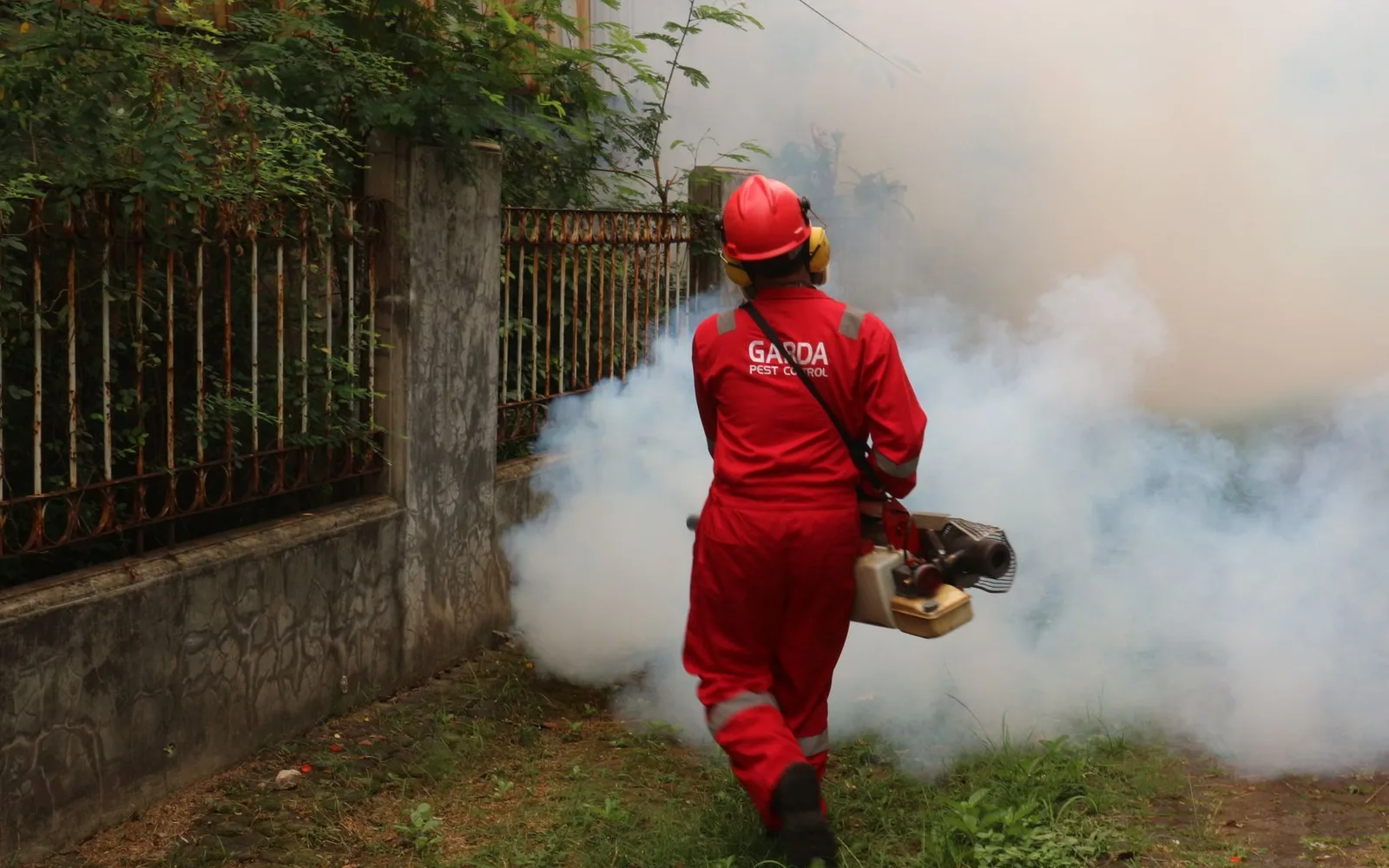
Rest houses and farms in Al Jamiah Jeddah
Al Jamiah is an old established district north of Old Makkah Road with densely packed apartment blocks, shops and restaurants crowded around Al Jamiah Roundabout. Buildings here are among Jeddah's oldest and plumbing is aged and almost always shared. Pests move easily from block to block through shared pipes, gaps beneath floors and cracks in party walls.
-
Targeted, not broadcast
Product goes into cracks and runways, never sprayed across open surfaces.
-
Told before we start
What we will use, where it goes, and what to cover or move before we arrive.
-
A follow-up visit
We return after the first treatment, because what survives it does not show on the day.
-
Homes and businesses
Apartments and villas, and kitchens and stores that need a record of each visit.
Why they keep coming back in Al Jamiah
Apartments in old Al Jamiah blocks experience repeated pest invasions even when a flat is clean, because the source is neighbouring flats, restaurants and shared entrances. The method is set out in full on the full Rest houses and farms page.
Shared pipes between neighbouring flats create direct highways for cockroaches and ants
Buried and exposed pipes beneath floors connect every flat to its neighbours. Cockroaches and ants travel through these pipes easily seeking food. If a neighbouring flat is infested, pests automatically migrate to the clean flat next door.
Restaurants and markets on ground floors supply unending pest populations upward
Restaurants and shops produce enormous food waste and moisture daily. Cockroaches, ants and flies move upward through pipes and cracks. Ground and second floor units have noticeably more pests than higher floors.
Shared entrances and stairwells are essential corridors for pest movement
Shared entrances, stairs and narrow passages provide direct routes for pests. Cockroaches escape from an infested flat into a clean flat via the stairwell. Narrow common areas create permanent damp conditions ideal for insects.
The character of Al Jamiah
Apartment district: residential blocks, repeated floors and shared entrances
Apartment blocks in Al Jamiah mean repeated floors, shared entrances and unified plumbing. This means pests do not remain in one flat but move easily to every connected unit. Our programme targets the entire building, not single flats, because isolation from infected neighbours is the key.
The site decides the shape of the programme
The district is old and buildings are very tightly spaced. Dense apartment blocks with shared entrances create easy pest highways between units. Shops and restaurants on ground floors pump insects to upper flats continuously.
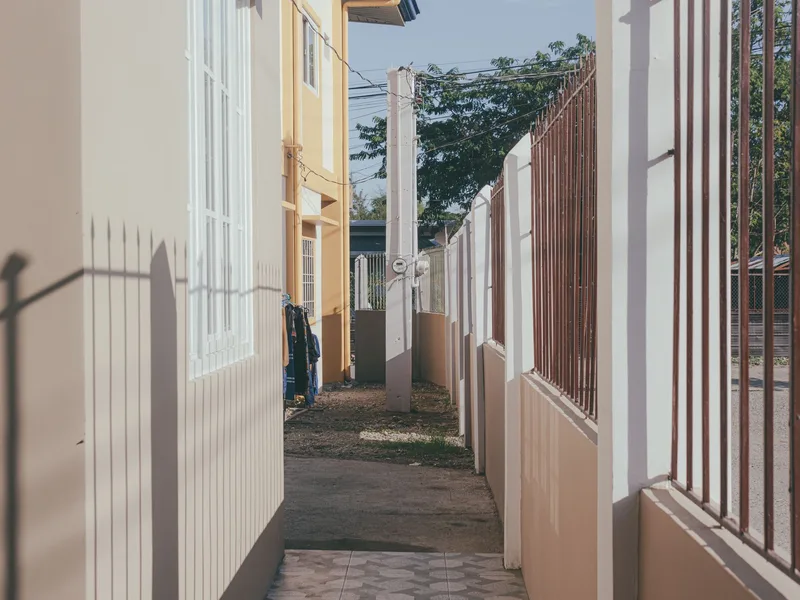
The foot of the wall
Boundaries between flats within one building do not actually exist as real walls. Units are separated by thin party walls and their plumbing below is shared.
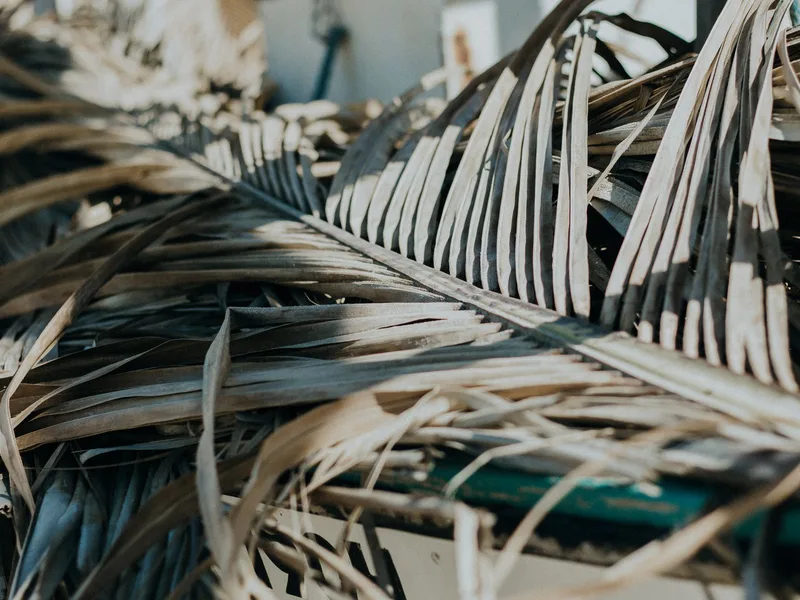
Frond and block piles
Piles of waste behind markets and restaurants shelter pest populations in enormous numbers. Pests move from these piles upward into blocks above them.
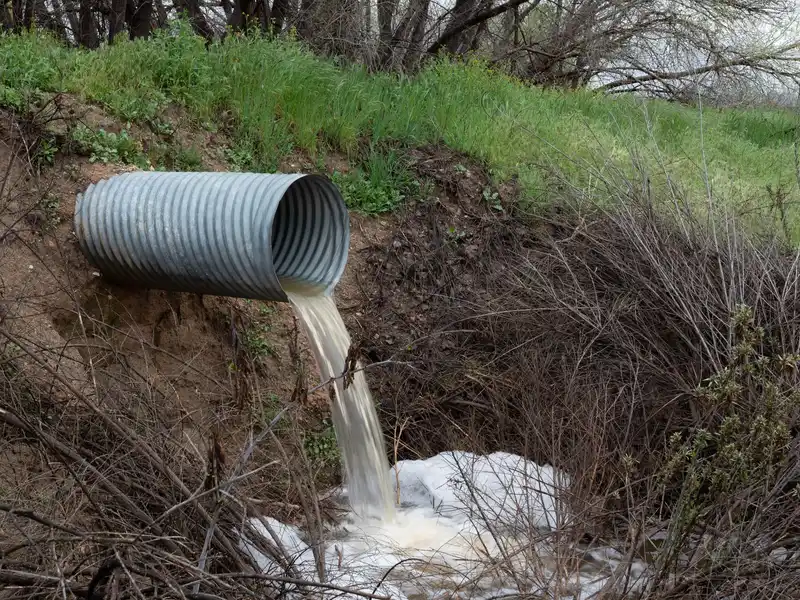
Standing water
Standing water in drains and sewers beneath blocks creates perfect mosquito breeding zones. Old sewage systems hold leaks and standing water year round.
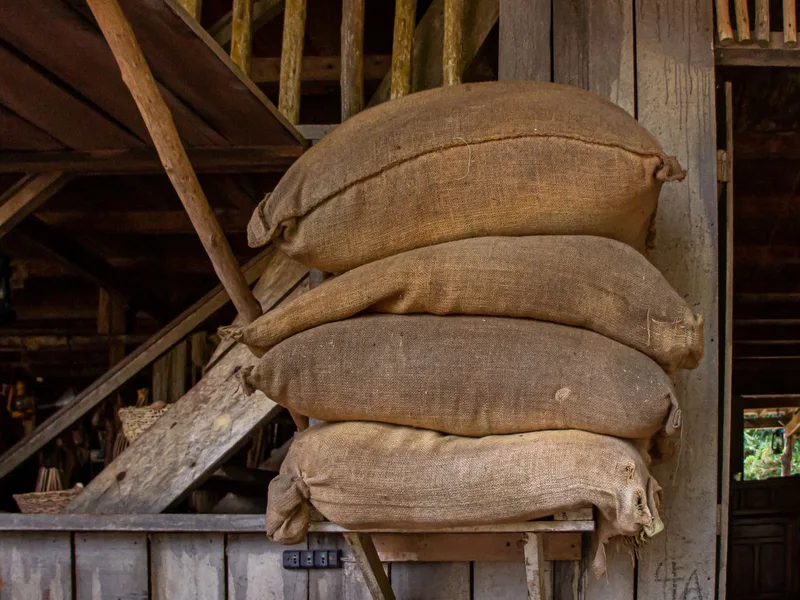
The feed store
Market and restaurant storerooms supply year round shelter and feeding for pests. These rooms are sealed, dark and damp.
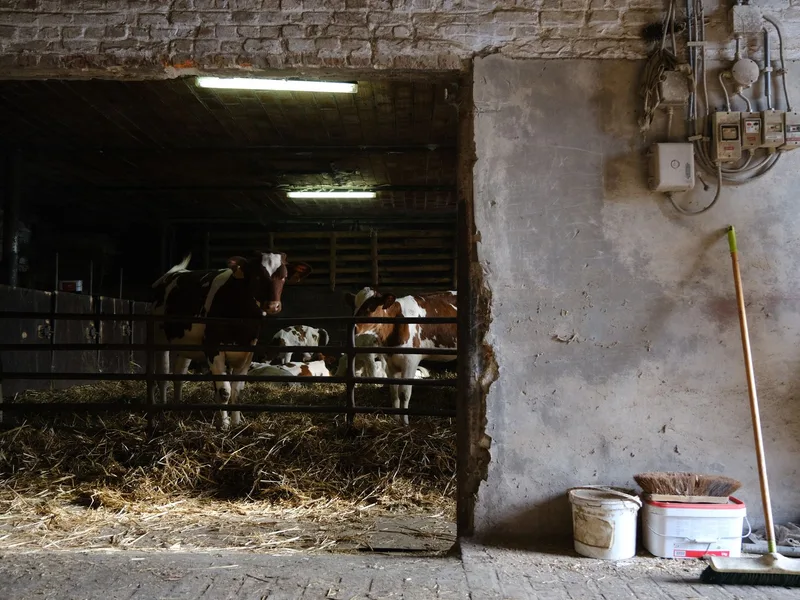
Pens and bedding
Pens do not occur but storerooms and basements below blocks accumulate pests in vast numbers.
The building that stays shut
Sealed spaces such as sub floor passages, basements and storerooms create ideal conditions for pests to establish.
How we work
-
1
Walk the site and number the points
We walk the boundary, the feed store, the pens, the water sources and the buildings, record the species present, the burrows, the entry points and every standing water source, and number the monitoring positions on a plan.
-
2
Lift what things hide under
The piles, the rubble, the fallen dates, the feed sacks pushed up against the wall. On any large plot these gather simply because there is room for them, and clearing them brings the numbers down before a single product is used.
-
3
The perimeter band and targeted treatment
A band at the foot of the wall and the buildings, treatment into the burrows and cracks, locked rodent stations fixed along the route, and mosquito breeding sites treated in the water itself.
-
4
Scheduled visits and a sheet each time
We come back on an agreed schedule, read the same points, renew the band the sun and the irrigation have used up, and write down what was found, what was applied and where, and what the site needs closed.
What the rest house and farm programme includes
-

A site walk and a map of the points
The boundary, the buildings, the pens and the water sources, and a plan with the monitoring positions numbered before anything is installed.
-

Water sources treated at the source
Drinking troughs, drip lines, tank outlets and anything that stands for days, because mosquitoes come out of water and not out of the air.
-

A treated band at the perimeter
The foot of the wall, the building bases and the path edges, which is the line anything coming off the open ground has to cross.
-

Locked rodent stations
Fixed and numbered along one route, and closed so that neither a child's hand nor an animal on the site can get into them.
-

What the site does afterwards
What to cover, where to move animal water bowls, when irrigation can start again without washing the band off, and the ventilation time, which we give you on the call because it changes with the product and the space.
-

Scheduled visits and a record
A schedule agreed ahead of the seasons, the same points read every time, and a record of what was found, what was treated and what is still open.
Landmarks of Al Jamiah
Al Jamiah Roundabout and Andalusia Hospital mark a congested junction of restaurants, shops and markets. This junction is the main pest pressure source on the surrounding apartment blocks. Our treatment starts from the restaurants and markets and moves upward through shared pipes and entrances to every flat in the block.
- Old Makkah Road
- Al Jamiah Road
- Al Jamiah Roundabout
- Andalusia Hospital Al Jamiah
- Al Fath Park
- Stadium Road
Questions about this district
Our flat is very clean yet we have cockroaches. Where do they come from?
From neighbouring flats through pipes, cracks and shared entrances. Cleanliness is important but isolation from infested neighbours is more critical.
The flat below ours is a restaurant. Does this mean permanent cockroaches?
Yes, definitely. Restaurants attract pests in enormous numbers. Flats directly above restaurants face unrelenting unending pest pressure.
Is a second floor flat worse than a fifth floor flat for pests?
Yes. Ground and second floor units are worse because they are nearer restaurants and storerooms. Pests do not fly upward as easily.
Our technician said we need pipe seals. What does that mean?
It means placing barriers on pipes at flat entry and exit points. This cuts the direct corridors for pests from neighbouring flats.
We have several neighbouring flats in the same block. Do we need unified treatment?
Yes, absolutely. Building wide treatment is far better than treating each flat alone. Pests move between flats very easily.
Must shared stairs and entrances also be treated?
Yes. Shared passages and stairwells are major pest highways. Their treatment is essential.
How much does rest houses and farms in Al Jamiah cost?
It is set after the inspection, because the price follows the type of infestation, the size of the space, how far it has spread and the number of visits it needs. Send a photo and a description on WhatsApp and we will give you an estimate before we reach Al Jamiah.
Nearby districts we cover
Other services in Al Jamiah
Other services we provide to residents of Al Jamiah.
-
 Residential
Cockroach control
Residential
Cockroach control
-
 Residential
Bed bug control
Residential
Bed bug control
-
 Residential
Termite control
Residential
Termite control
-
 Residential
Rodents and mice
Residential
Rodents and mice
-
 Residential
Mosquito control
Residential
Mosquito control
-
 Residential
Fly control
Residential
Fly control
-
 Residential
Ant control
Residential
Ant control
-
 Residential
Gecko control
Residential
Gecko control
-
 Residential
Scorpion control
Residential
Scorpion control
-
 Residential
Snake control
Residential
Snake control
-
 Residential
Flea control
Residential
Flea control
-
 Residential
Bird and pigeon control
Residential
Bird and pigeon control
-
 Residential
Preventive treatment
Residential
Preventive treatment
-
 Residential
Disinfection
Residential
Disinfection
-
 Commercial
Annual contracts
Commercial
Annual contracts
-
 Commercial
Restaurants and cafes
Commercial
Restaurants and cafes
-
 Commercial
Hotels and apartments
Commercial
Hotels and apartments
-
 Commercial
Warehouses and factories
Commercial
Warehouses and factories
-
 Commercial
Schools and nurseries
Commercial
Schools and nurseries
-
 Commercial
Retail and malls
Commercial
Retail and malls
-
 Commercial
Fumigation
Commercial
Fumigation
-
 Water tanks
Water tank cleaning
Water tanks
Water tank cleaning
-
 Water tanks
Water tank sterilization
Water tanks
Water tank sterilization
-
 Water tanks
Water tank sealing
Water tanks
Water tank sealing
-
 Water tanks
Tank leak repair
Water tanks
Tank leak repair
Need rest houses and farms in Al Jamiah? Tell us what you saw and we will tell you what it needs
We reach Al Jamiah at a time we agree, and you get the full cost before we start.