
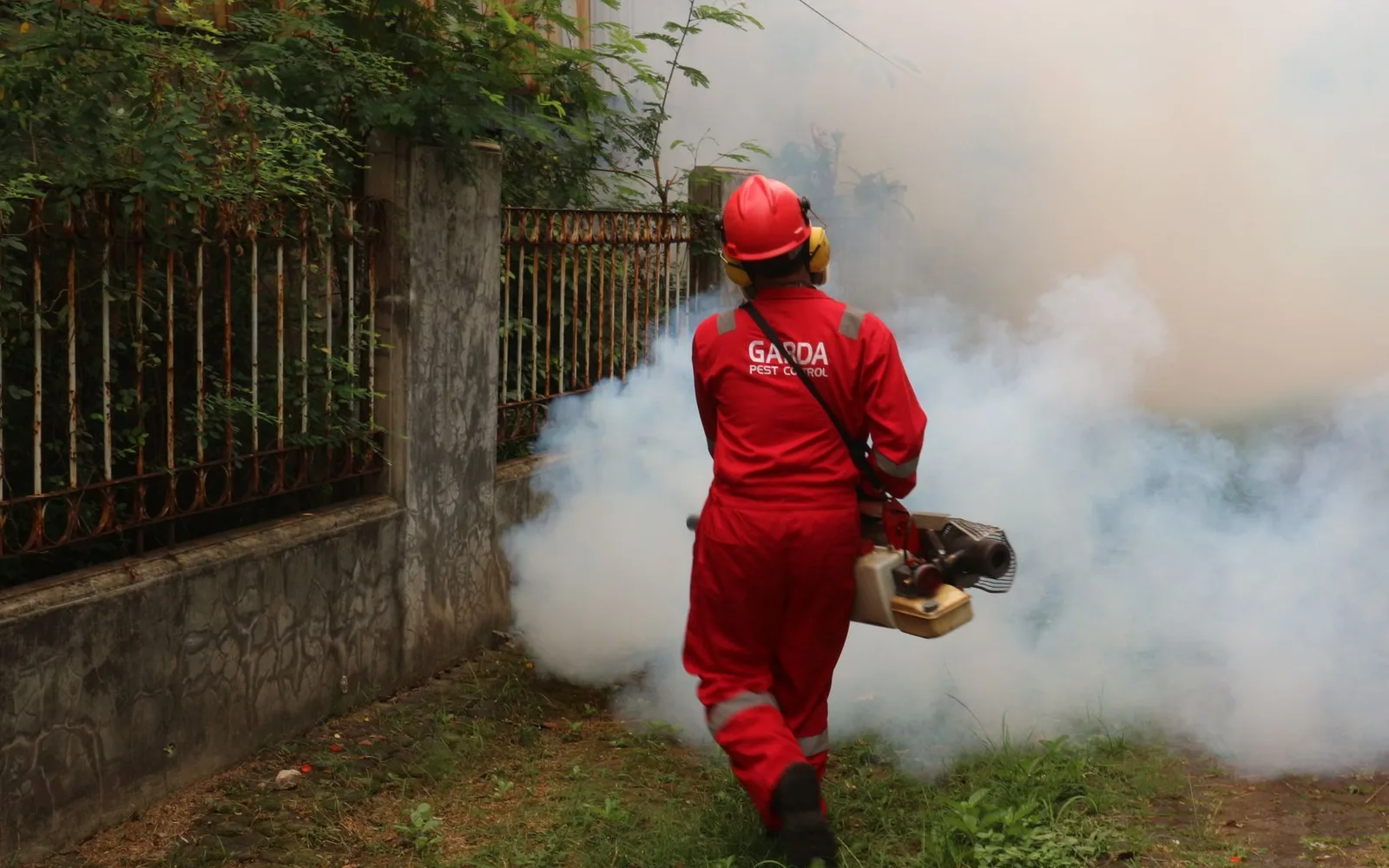
Rest houses and farms in Al Sulaymaniyah Jeddah
Al Sulaymaniyah is a comparatively new residential district on King Abdullah Road between Al Naseem and Al Fayha. Villas, apartment blocks and planned compounds sit at intervals, each with small irrigated gardens and low boundaries. Pressure on these neighbourhoods comes from outside: insects enter from open ground and neighbouring gardens before they reach the house itself.
-
Targeted, not broadcast
Product goes into cracks and runways, never sprayed across open surfaces.
-
Told before we start
What we will use, where it goes, and what to cover or move before we arrive.
-
A follow-up visit
We return after the first treatment, because what survives it does not show on the day.
-
Homes and businesses
Apartments and villas, and kitchens and stores that need a record of each visit.
Why they keep coming back in Al Sulaymaniyah
Scorpions appear in autumn and winter, moving in from the open ground surrounding the compounds. Black ants and mosquitoes spike within a week or two of any rainfall that settles in the gardens. The method is set out in full on Rest houses and farms in detail.
Boundaries and low or damaged fences
Fences between villas and flats are low and often broken. Some are timber that rots from dampness. Small animals and crawling insects cross between gardens with ease. Boundary treatment focuses on the base and tiny gaps under fences and around the footing.
Irrigated gardens and quiet tree-lined streets
The small garden in front of the villa or flat is watered three times weekly. Damp soil and trimmed grass create ideal breeding conditions for mosquitoes and garden ants. The street between villas is quiet and shaded, trapping moisture and supporting many night-active insects.
Open spacing between buildings and ground
The compound has shared green spaces and gaps between structures. Damp shaded ground draws scorpions and rodents from the wider district. The farm and chalet programme starts at the boundary, works through shared zones, then secures the buildings themselves.
Al Sulaymaniyah on the map
Al Sulaymaniyah sits about 3.5 km from Al Jamiah and about 3.5 km from Al Fayha.
Open in Google MapsThe site decides the shape of the programme
The district slopes south and east from King Abdullah Road. Low lying ground and sporadic rainfall collect standing water in small gardens and the quiet streets between villas.
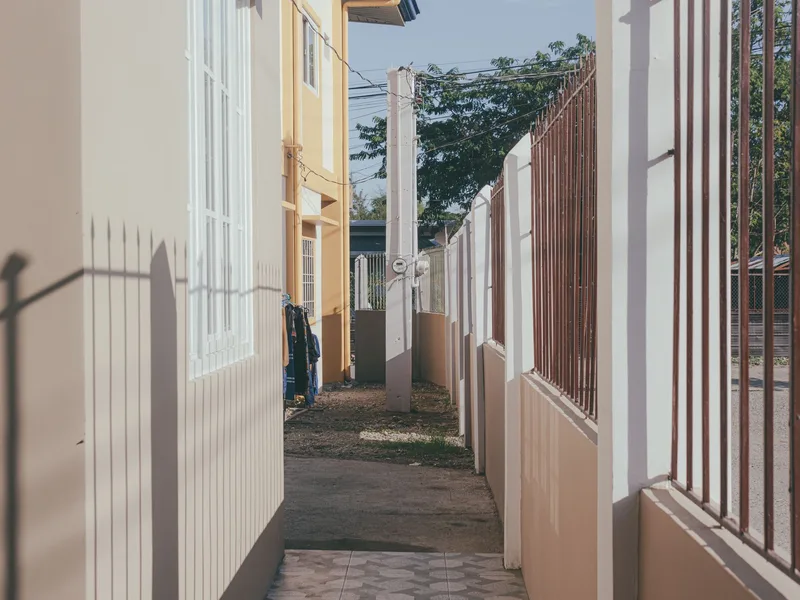
The foot of the wall
The foot of the boundary and foundation is treated in depth to 30 centimetres where soil stays wet from continuous garden irrigation. Tiny gaps where pipes pass through the footing are sealed after treatment.
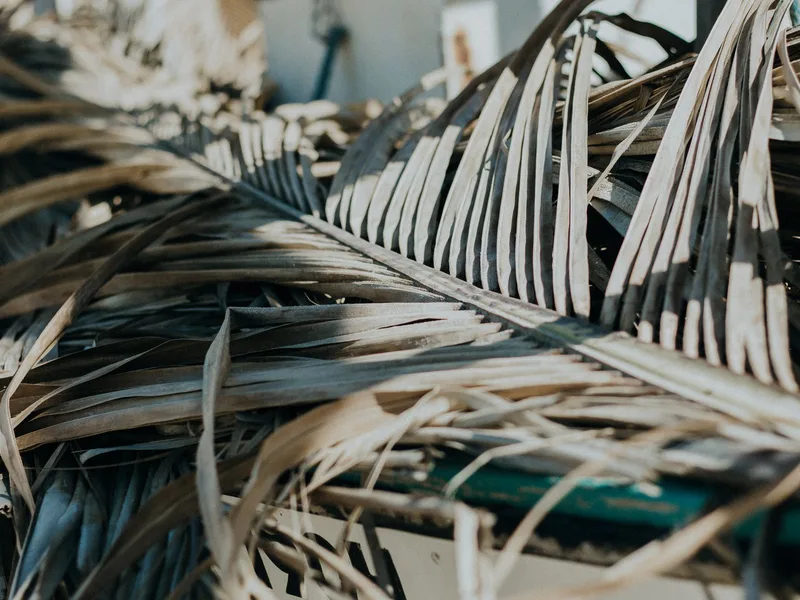
Frond and block piles
Small piles of dead fronds, cut wood and discarded items sometimes sit behind fences. These are cleared completely before work starts so they cannot harbour scorpions and rodents later.
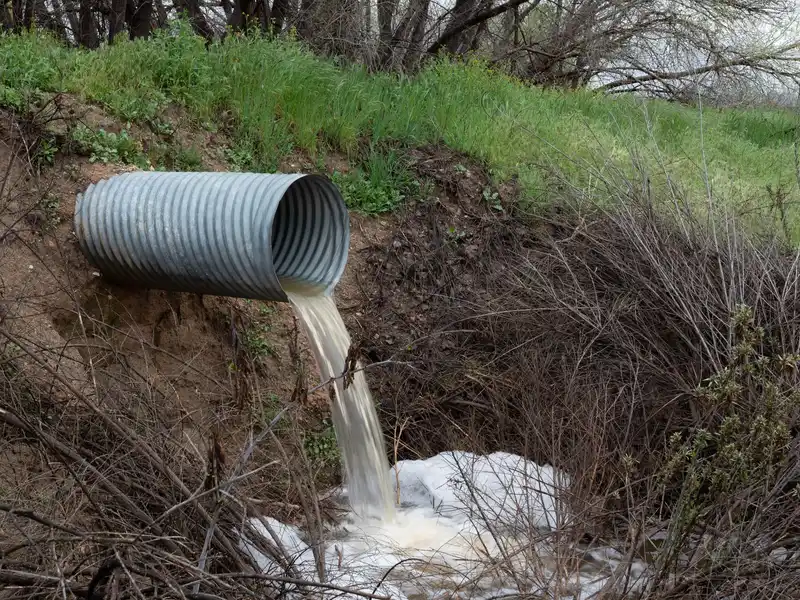
Standing water
Standing water gathers in quiet streets after rain and garden watering. This is removed and drains are cleaned before each visit to prevent mosquito breeding in the days that follow.
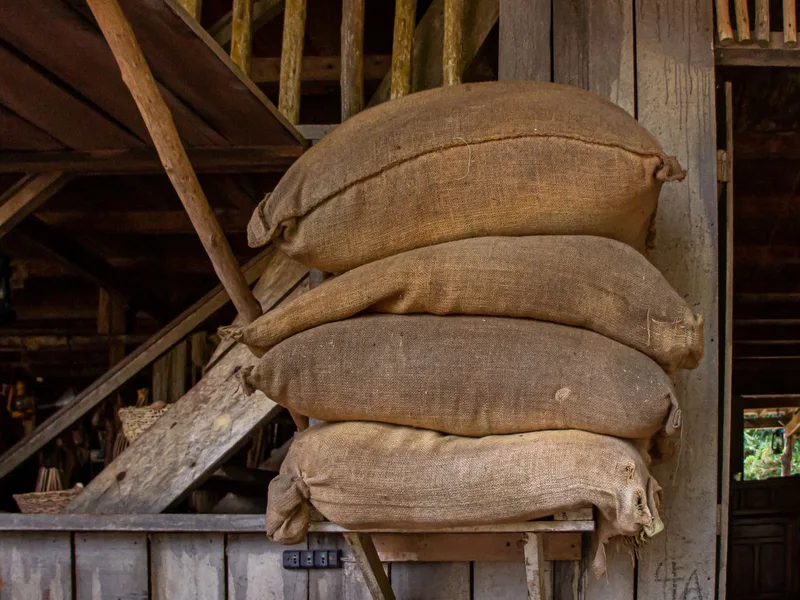
The feed store
Small storage sheds or open garages need careful checking because stored items provide shelter for rodents and scorpions to nest and breed undisturbed.
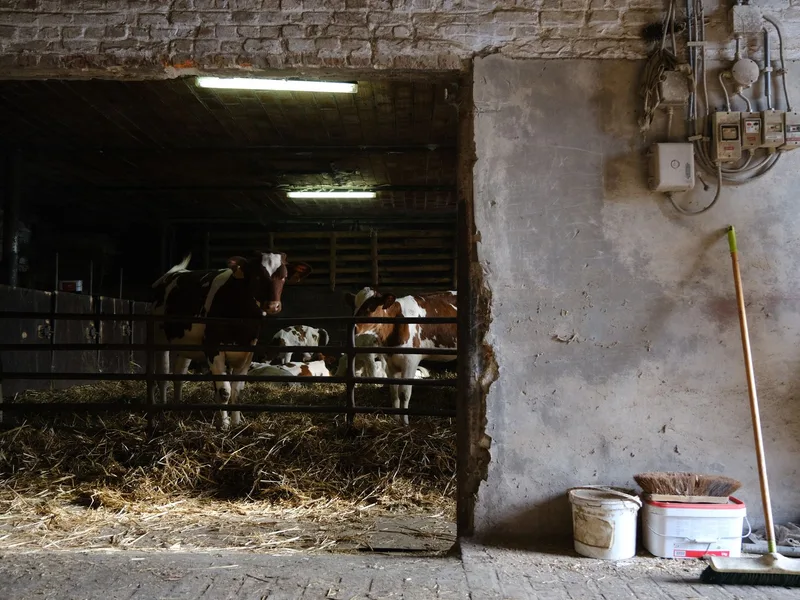
Pens and bedding
Any animal pen and bedding areas are kept clean regularly. Treatment is applied around the pen and openings, not inside if an animal occupies it at the time.
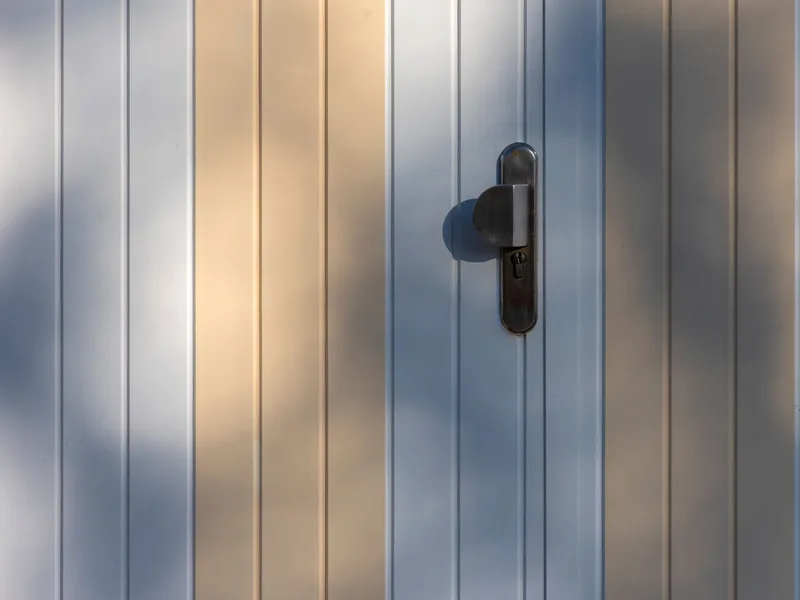
The building that stays shut
Rooms left locked during trips and holidays need deep treatment before closing because insects breed rapidly in warm, dark, still air for weeks unnoticed.
How we work
-
1
Walk the site and number the points
We walk the boundary, the feed store, the pens, the water sources and the buildings, record the species present, the burrows, the entry points and every standing water source, and number the monitoring positions on a plan.
-
2
Lift what things hide under
The piles, the rubble, the fallen dates, the feed sacks pushed up against the wall. On any large plot these gather simply because there is room for them, and clearing them brings the numbers down before a single product is used.
-
3
The perimeter band and targeted treatment
A band at the foot of the wall and the buildings, treatment into the burrows and cracks, locked rodent stations fixed along the route, and mosquito breeding sites treated in the water itself.
-
4
Scheduled visits and a sheet each time
We come back on an agreed schedule, read the same points, renew the band the sun and the irrigation have used up, and write down what was found, what was applied and where, and what the site needs closed.
What the rest house and farm programme includes
-

A site walk and a map of the points
The boundary, the buildings, the pens and the water sources, and a plan with the monitoring positions numbered before anything is installed.
-

Water sources treated at the source
Drinking troughs, drip lines, tank outlets and anything that stands for days, because mosquitoes come out of water and not out of the air.
-

A treated band at the perimeter
The foot of the wall, the building bases and the path edges, which is the line anything coming off the open ground has to cross.
-

Locked rodent stations
Fixed and numbered along one route, and closed so that neither a child's hand nor an animal on the site can get into them.
-

What the site does afterwards
What to cover, where to move animal water bowls, when irrigation can start again without washing the band off, and the ventilation time, which we give you on the call because it changes with the product and the space.
-

Scheduled visits and a record
A schedule agreed ahead of the seasons, the same points read every time, and a record of what was found, what was treated and what is still open.
What is different about Al Jamiah Sub-Municipality
Al Jamiah sub municipality spans the older south of Jeddah. Planned districts such as Al Fayha, Al Thaghr and Madain Al Fahd sit beside crowded popular quarters like the Nazlahs and Al Quraiyat, and beside cleared or clearing land in Ghulail, Petromin and Al Thaalibah awaiting redevelopment. Apartment buildings stand close together above dense runs of shops and restaurants along Old Makkah Road and Prince Majid Road. Drainage in the popular quarters is ageing, humid air drifts in from the port and refinery side to the west, and the flat low lying ground holds rainwater in narrow streets.
Questions about this district
The small garden is irrigated every day. Do mosquitoes and ants breed in the damp soil?
Yes, damp soil and cut grass provide breeding sites and feeding grounds for garden ants and mosquitoes. Treatment covers the entire garden, the boundary strip and foundation openings that allow insects to enter the building.
Our villa sits next to other flats and villas. Do the neighbour's insects migrate into our garden at night?
Scorpions and night-active insects move freely between adjacent gardens, especially after dark. Treating the foundation and boundary protects your own space, but treating the entire compound is more effective than one villa alone.
Is garden treatment safe if young children play there during the day?
Products used in gardens are safe once completely dry. We recommend keeping children away for a few hours after spraying, and the garden is re watered the day after treatment.
The street between villas is narrow and deeply shaded. Does this trap more moisture and attract night insects?
Shade and trapped moisture create ideal conditions for night-active insects and rodents. Treating boundaries, openings and shaded areas reduces populations noticeably.
I found a small scorpion near the back door to the garden. Is this normal in Al Sulaymaniyah?
Young scorpions appear in Al Sulaymaniyah, especially in autumn and winter when they seek warm shelter. Treatment focuses on boundaries, openings and dark corners around doors and windows.
Does treatment protect us from insects coming from open ground far beyond the villa's own garden?
Boundary and foundation treatment blocks entry routes. Insects travelling from open ground at distance need multi layer defence that includes both the garden and the perimeter working together.
How much does rest houses and farms in Al Sulaymaniyah cost?
It is set after the inspection, because the price follows the type of infestation, the size of the space, how far it has spread and the number of visits it needs. Send a photo and a description on WhatsApp and we will give you an estimate before we reach Al Sulaymaniyah.
Nearby districts we cover
Other services in Al Sulaymaniyah
Other services we provide to residents of Al Sulaymaniyah.
-
 Residential
Cockroach control
Residential
Cockroach control
-
 Residential
Bed bug control
Residential
Bed bug control
-
 Residential
Termite control
Residential
Termite control
-
 Residential
Rodents and mice
Residential
Rodents and mice
-
 Residential
Mosquito control
Residential
Mosquito control
-
 Residential
Fly control
Residential
Fly control
-
 Residential
Ant control
Residential
Ant control
-
 Residential
Gecko control
Residential
Gecko control
-
 Residential
Scorpion control
Residential
Scorpion control
-
 Residential
Snake control
Residential
Snake control
-
 Residential
Flea control
Residential
Flea control
-
 Residential
Bird and pigeon control
Residential
Bird and pigeon control
-
 Residential
Preventive treatment
Residential
Preventive treatment
-
 Residential
Disinfection
Residential
Disinfection
-
 Commercial
Annual contracts
Commercial
Annual contracts
-
 Commercial
Restaurants and cafes
Commercial
Restaurants and cafes
-
 Commercial
Hotels and apartments
Commercial
Hotels and apartments
-
 Commercial
Warehouses and factories
Commercial
Warehouses and factories
-
 Commercial
Schools and nurseries
Commercial
Schools and nurseries
-
 Commercial
Retail and malls
Commercial
Retail and malls
-
 Commercial
Fumigation
Commercial
Fumigation
-
 Water tanks
Water tank cleaning
Water tanks
Water tank cleaning
-
 Water tanks
Water tank sterilization
Water tanks
Water tank sterilization
-
 Water tanks
Water tank sealing
Water tanks
Water tank sealing
-
 Water tanks
Tank leak repair
Water tanks
Tank leak repair
Need rest houses and farms in Al Sulaymaniyah? Tell us what you saw and we will tell you what it needs
We reach Al Sulaymaniyah at a time we agree, and you get the full cost before we start.