
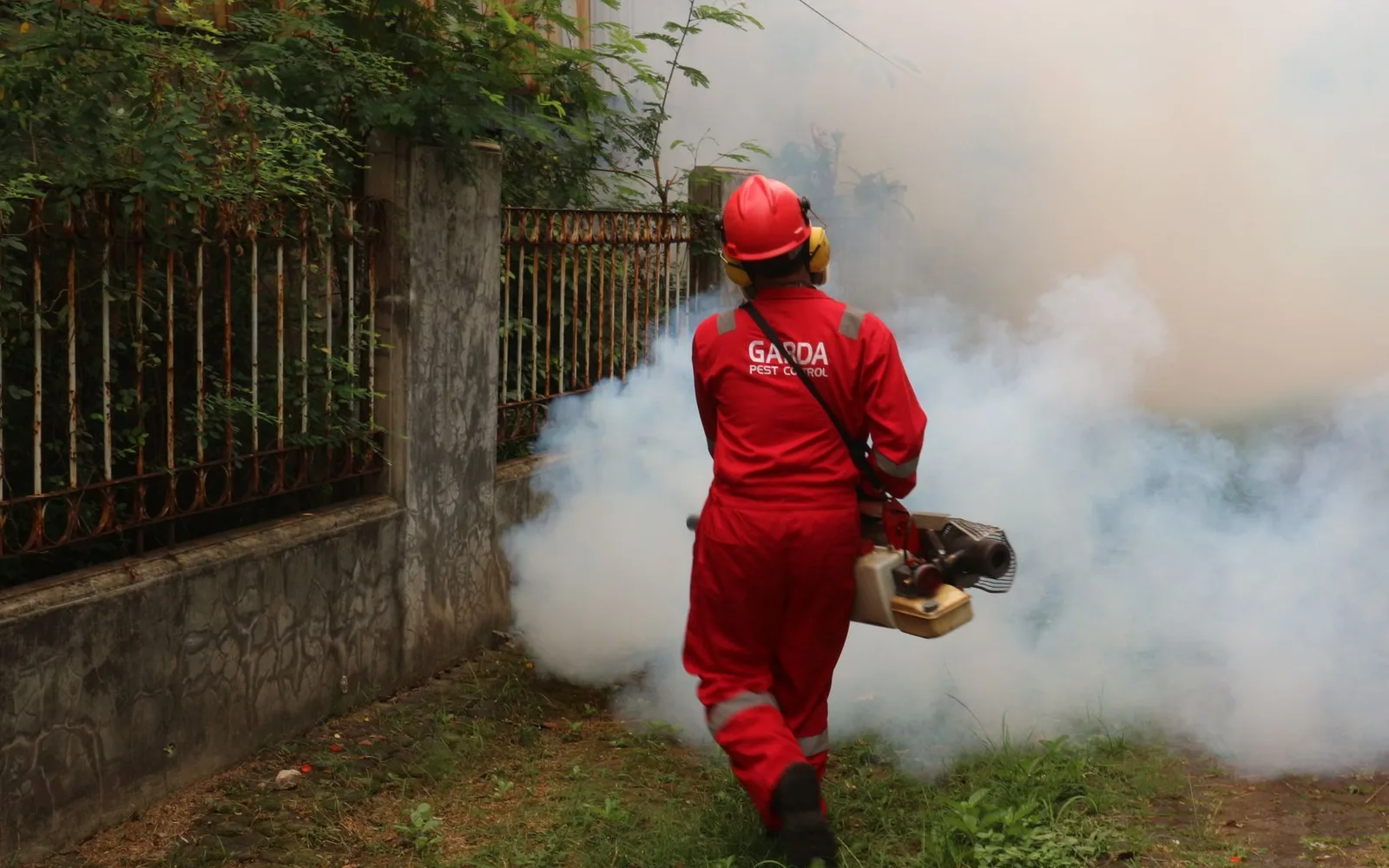
Pest control for rest houses and farms scheduled, with a record of each visit
We start at the boundary and the open ground rather than the majlis: a treated band along the foot of the wall, the piles that scorpions sit under lifted, every standing water source dealt with before mosquitoes come out of it, then scheduled visits that read the same points and write down what was found.
-
Targeted, not broadcast
Product goes into cracks and runways, never sprayed across open surfaces.
-
Told before we start
What we will use, where it goes, and what to cover or move before we arrive.
-
A follow-up visit
We return after the first treatment, because what survives it does not show on the day.
-
Homes and businesses
Apartments and villas, and kitchens and stores that need a record of each visit.
Why one spray does not hold on open ground
Three reasons, and all three come back to one thing: the ground is open and the place is empty most of the week.
The pressure comes from outside the wall
Open ground and the next plot keep pushing rodents and scorpions toward the first place with water and shade. A spray inside the majlis never touches that route.
The place is empty when it starts
The first sign shows up midweek: a chewed feed sack, a fresh burrow at the foot of the wall. Nobody is there to see it, so the problem reaches full size before anyone sees it once.
Sun and irrigation use the treatment up
An outdoor residual is broken down by heat, dust and irrigation water. That is why an outside programme is built on renewing the band when it is due, not on one heavier spray.
The site decides the shape of the programme
What we walk on the first visit, inside the wall and outside it, and why each item changes the treatment and how often we come.
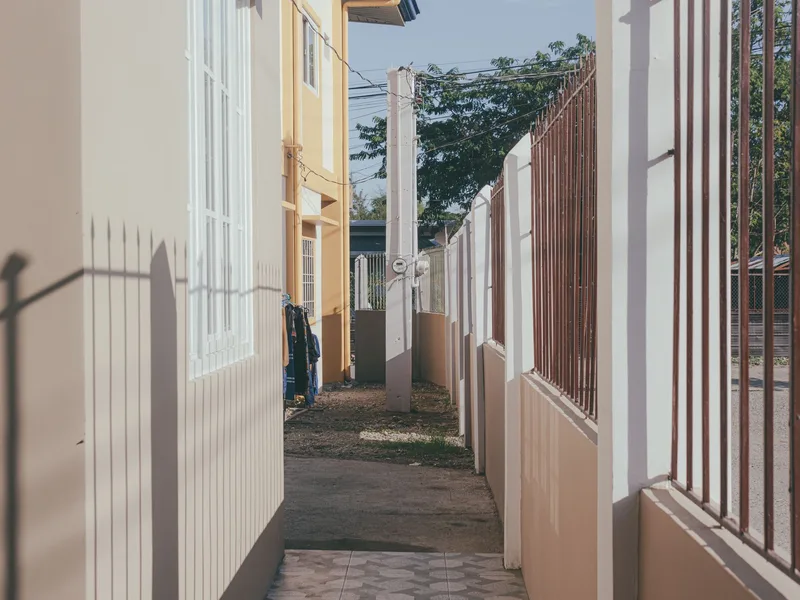
The foot of the wall
Burrows and gaps at the foot of the wall are the route rodents and reptiles use to get in, and they decide where the outside band runs.
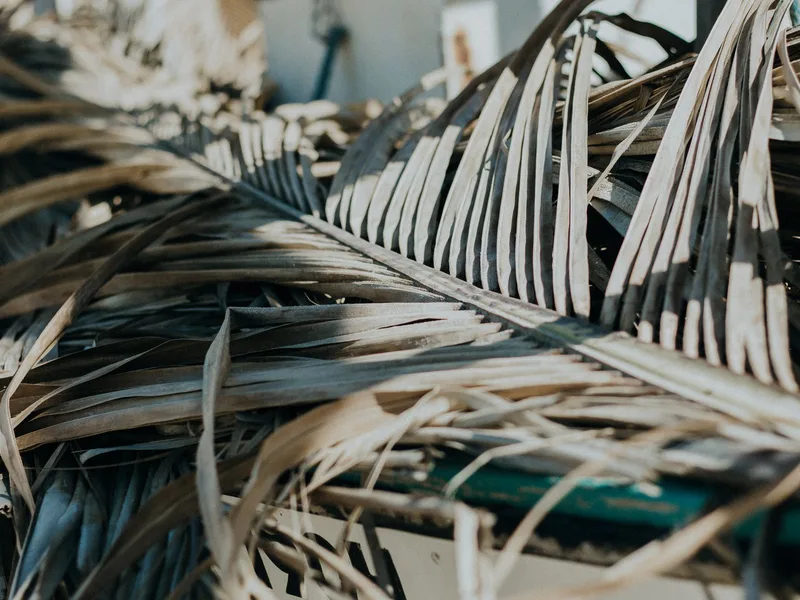
Frond and block piles
Scorpions and snakes stay under whatever is undisturbed, shaded and cool underneath, so moving the pile is the treatment, while a spray over the top of it never reaches what is beneath.
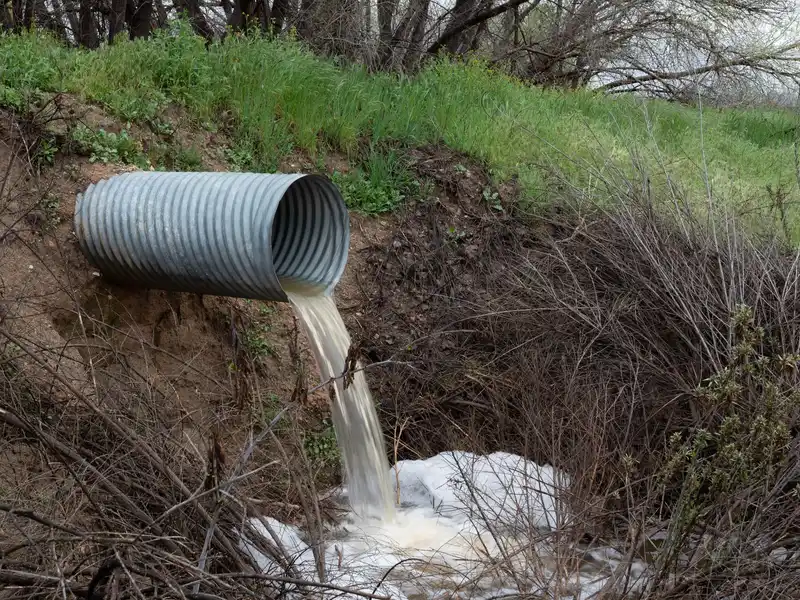
Standing water
A drinking trough, a leaking drip line or an open tank hatch is enough for a full mosquito cycle, which is why the water gets treated and not the air.
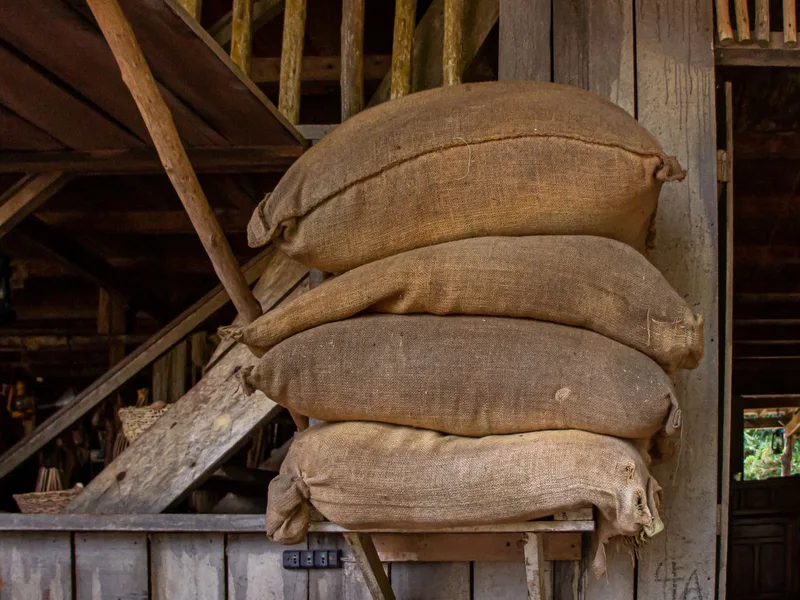
The feed store
A chewed sack or spilled grain explains a rodent population better than anything else, and getting the sacks off the floor and off the wall comes before any bait.
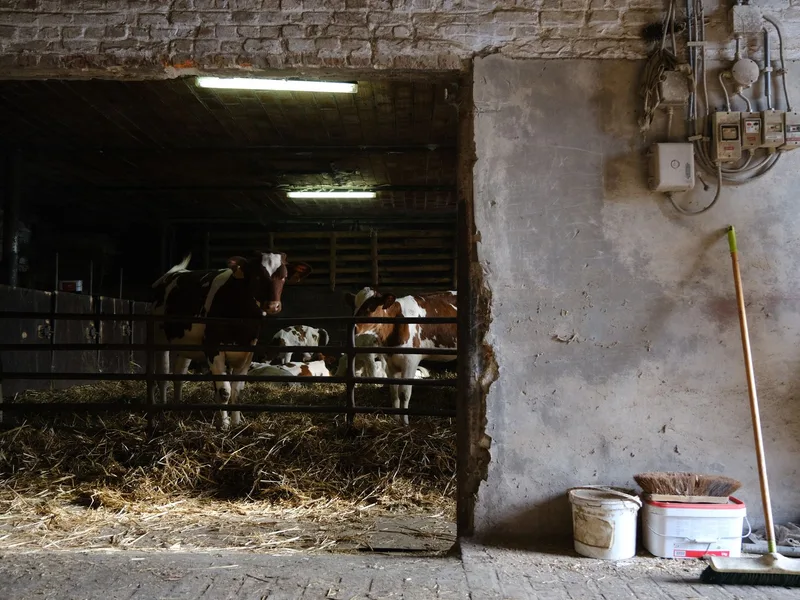
Pens and bedding
Flies breed in wet manure and damp bedding, so how often it is taken out and where it is heaped decide whether the treatment holds at all.
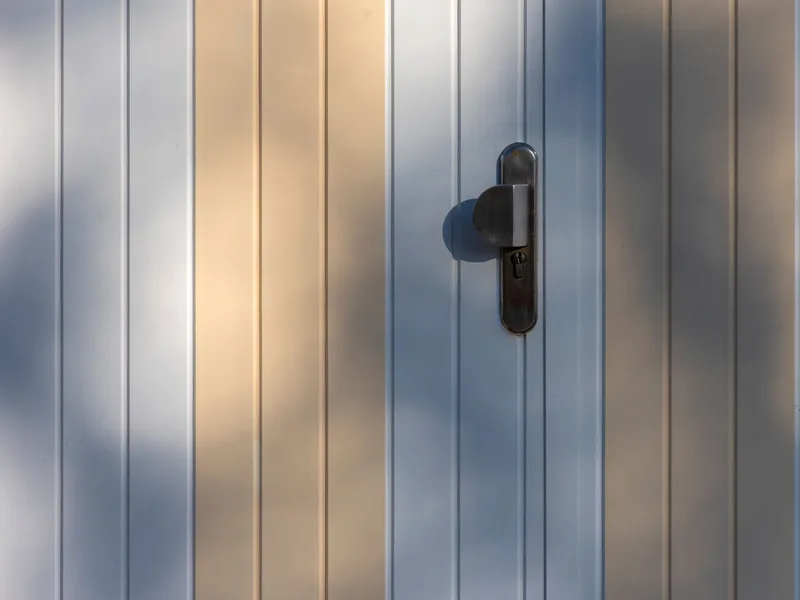
The building that stays shut
A gap under a door the width of a coin is enough for a mouse, and a building nobody opens for days gives it all the time it needs.
How the visit runs
Four steps. It starts with a walk inside the wall and outside it, and it does not end at the spray.
-
1
Walk the site and number the points
We walk the boundary, the feed store, the pens, the water sources and the buildings, record the species present, the burrows, the entry points and every standing water source, and number the monitoring positions on a plan.
-
2
Lift what things hide under
The piles, the rubble, the fallen dates, the feed sacks pushed up against the wall. On any large plot these gather simply because there is room for them, and clearing them brings the numbers down before a single product is used.
-
3
The perimeter band and targeted treatment
A band at the foot of the wall and the buildings, treatment into the burrows and cracks, locked rodent stations fixed along the route, and mosquito breeding sites treated in the water itself.
-
4
Scheduled visits and a sheet each time
We come back on an agreed schedule, read the same points, renew the band the sun and the irrigation have used up, and write down what was found, what was applied and where, and what the site needs closed.
What the rest house and farm programme includes
-

A site walk and a map of the points
The boundary, the buildings, the pens and the water sources, and a plan with the monitoring positions numbered before anything is installed.
-

Water sources treated at the source
Drinking troughs, drip lines, tank outlets and anything that stands for days, because mosquitoes come out of water and not out of the air.
-

A treated band at the perimeter
The foot of the wall, the building bases and the path edges, which is the line anything coming off the open ground has to cross.
-

Locked rodent stations
Fixed and numbered along one route, and closed so that neither a child's hand nor an animal on the site can get into them.
-

What the site does afterwards
What to cover, where to move animal water bowls, when irrigation can start again without washing the band off, and the ventilation time, which we give you on the call because it changes with the product and the space.
-

Scheduled visits and a record
A schedule agreed ahead of the seasons, the same points read every time, and a record of what was found, what was treated and what is still open.

Exactly where the product goes
-
1
Inside joints, not on surfaces
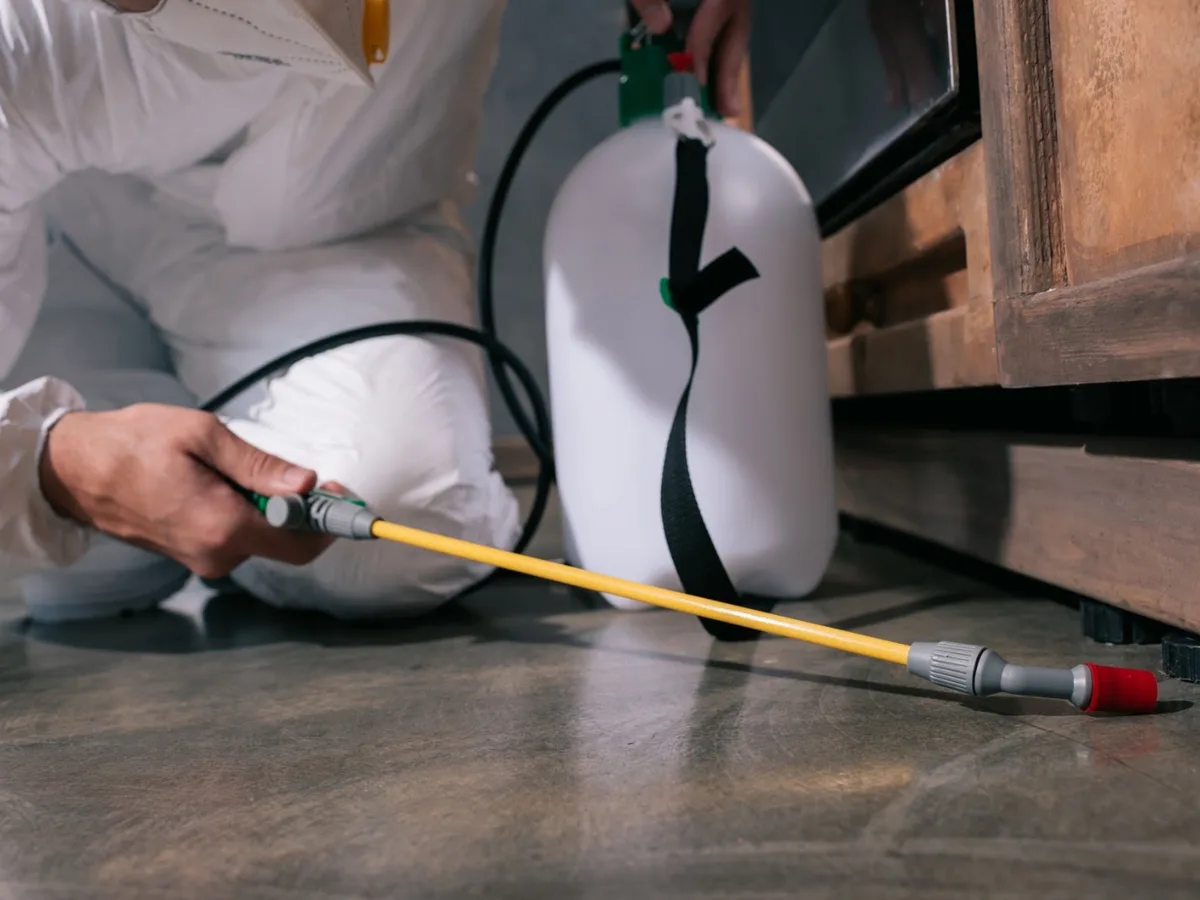
Bait goes into a cabinet joint or a gap behind an appliance, in dots the size of a match head, in places no hand reaches and nothing touches in ordinary use.
-
2
Away from where food is
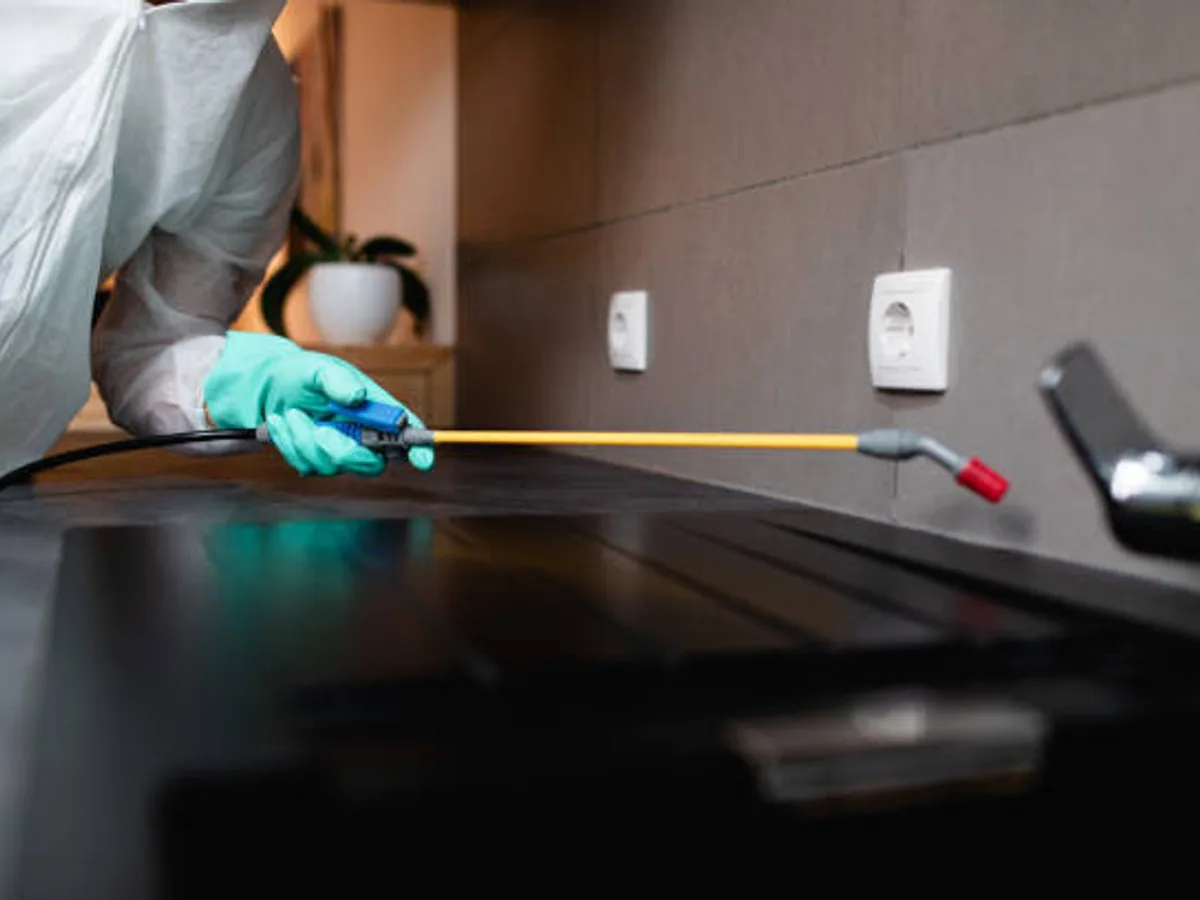
Nothing is sprayed on preparation surfaces, inside food cupboards, or across open floor in living rooms and bedrooms.
-
3
A little preparation first
Cover dishes, move water bowls. We give you the ventilation time for your treatment on the call, rather than a general number printed on a page.
-
4
Tell us the exceptions
Asthma, an allergy or a pregnancy in the home changes the product choice and the order of the visit. It is a change we make often and it does not delay the appointment.
Our work
What customers say on Google
We had a cockroach problem, and after the treatment, praise God, the cockroaches have largely gone. Their work is tidy and they are respectful to deal with. I recommend them.
Translated from the Arabic original.
Excellent and courteous service, and the bed bugs were cleared from the house completely. I recommend them, God willing.
Translated from the Arabic original.
Excellent to deal with, very good service, and they explain. The staff explain how each product is used, completely honestly.
Translated from the Arabic original.
We cover Jeddah and Makkah
Every district has its own page for this service. Tap yours.
Common questions
The plot is open on every side. Can control even work here?
Yes, though the target is different from a closed apartment. On open ground we are not sealing the land next door. We build a line at the wall and take away what makes coming in worth it: standing water, the piles scorpions shelter under, feed and fallen dates on the ground. The pressure from outside never stops. What changes is that the inside stops being worth crossing for.
We treated last summer and the scorpions and rodents came back. Why?
Usually two things. First, an outdoor residual is broken down by sun, dust and irrigation water, so the band needs renewing on a cycle rather than one heavier spray. Second, the source stayed inside the wall: a block or frond pile, a feed sack on the floor, a trough that drips. A scorpion does not live in the open and a mouse does not stay where there is nothing to eat, so while the shelter and the food are still there it comes back whatever was sprayed.
Is the treatment safe around livestock, poultry and what we grow?
We ask first what is on the site: sheep, poultry, horses, bees, and anything grown to be eaten. The products and the placements follow that answer, and some areas are excluded from treatment altogether. Rodent stations are locked and fixed down so that neither a child's hand nor an animal reaches them. Drinking troughs are moved or covered before we start, and we give you the ventilation time for the buildings on the call, because it changes with the product and the space. What to have ready before we arrive is in how rodents get in.
How often do we need a visit?
It is set after the walk, and it is not one answer for every site. Ground with animals, feed and daily irrigation needs closer visits than a rest house used at weekends. We tie the schedule to the seasons: as the heat rises, fly and ant development shortens and the pressure climbs, mosquitoes emerge from standing water roughly a fortnight after rain, and scorpions move on summer nights. The regular year-round arrangement, with its visits and its record, is Annual contracts, and the water tank can sit on the same schedule through Water tank cleaning.
We get scorpions, and sometimes a snake. Is that part of the programme?
Yes, and on open ground it is the most common request. Both start in the same place: lift what things hide under, treat the foot of the wall, close the openings in the buildings and the gaps under the doors. A snake follows rodents and does not stay where there is no prey, which is why the rodent work comes first. The detail is in Scorpion control and Snake control, and the rodent side is Rodents and mice.
Flies and mosquitoes never end however much we spray. What actually works?
Because a spray deals with the insect in the air now and not with the place it came out of. Mosquitoes come out of standing water: a trough, a leaking drip line, an open tank hatch, an old tyre holding rainwater. Flies breed in wet manure, damp bedding and spilled feed. We treat those two places and put manure removal and where it is heaped into the schedule, and only then does targeted treatment mean anything. More in Mosquito control and Fly control.
What does a rest house or farm programme cost?
It is set after the walk, because the figure follows the size of the plot and the length of the wall, how many buildings and pens there are, whether animals and edible crops are present since that changes both the products and the placements, how many monitoring points the layout demands, and how often we come. Send us the plot size and a description of what you have seen on WhatsApp and we will give you an estimate before we come out, then fix it in writing after the walk.
Other services
Scroll to see the rest of what we do.
-
 Residential
Cockroach control
Residential
Cockroach control
-
 Residential
Bed bug control
Residential
Bed bug control
-
 Residential
Termite control
Residential
Termite control
-
 Residential
Rodents and mice
Residential
Rodents and mice
-
 Residential
Mosquito control
Residential
Mosquito control
-
 Residential
Fly control
Residential
Fly control
-
 Residential
Ant control
Residential
Ant control
-
 Residential
Gecko control
Residential
Gecko control
-
 Residential
Scorpion control
Residential
Scorpion control
-
 Residential
Snake control
Residential
Snake control
-
 Residential
Flea control
Residential
Flea control
-
 Residential
Bird and pigeon control
Residential
Bird and pigeon control
-
 Residential
Preventive treatment
Residential
Preventive treatment
-
 Residential
Disinfection
Residential
Disinfection
-
 Commercial
Annual contracts
Commercial
Annual contracts
-
 Commercial
Restaurants and cafes
Commercial
Restaurants and cafes
-
 Commercial
Hotels and apartments
Commercial
Hotels and apartments
-
 Commercial
Warehouses and factories
Commercial
Warehouses and factories
-
 Commercial
Schools and nurseries
Commercial
Schools and nurseries
-
 Commercial
Retail and malls
Commercial
Retail and malls
-
 Commercial
Fumigation
Commercial
Fumigation
-
 Water tanks
Water tank cleaning
Water tanks
Water tank cleaning
-
 Water tanks
Water tank sterilization
Water tanks
Water tank sterilization
-
 Water tanks
Water tank sealing
Water tanks
Water tank sealing
-
 Water tanks
Tank leak repair
Water tanks
Tank leak repair
Need pest control for rest houses and farms? Describe what you saw and we will tell you what it needs
A short call is enough. We tell you what we can see and the full cost before we start, and you decide after that.