
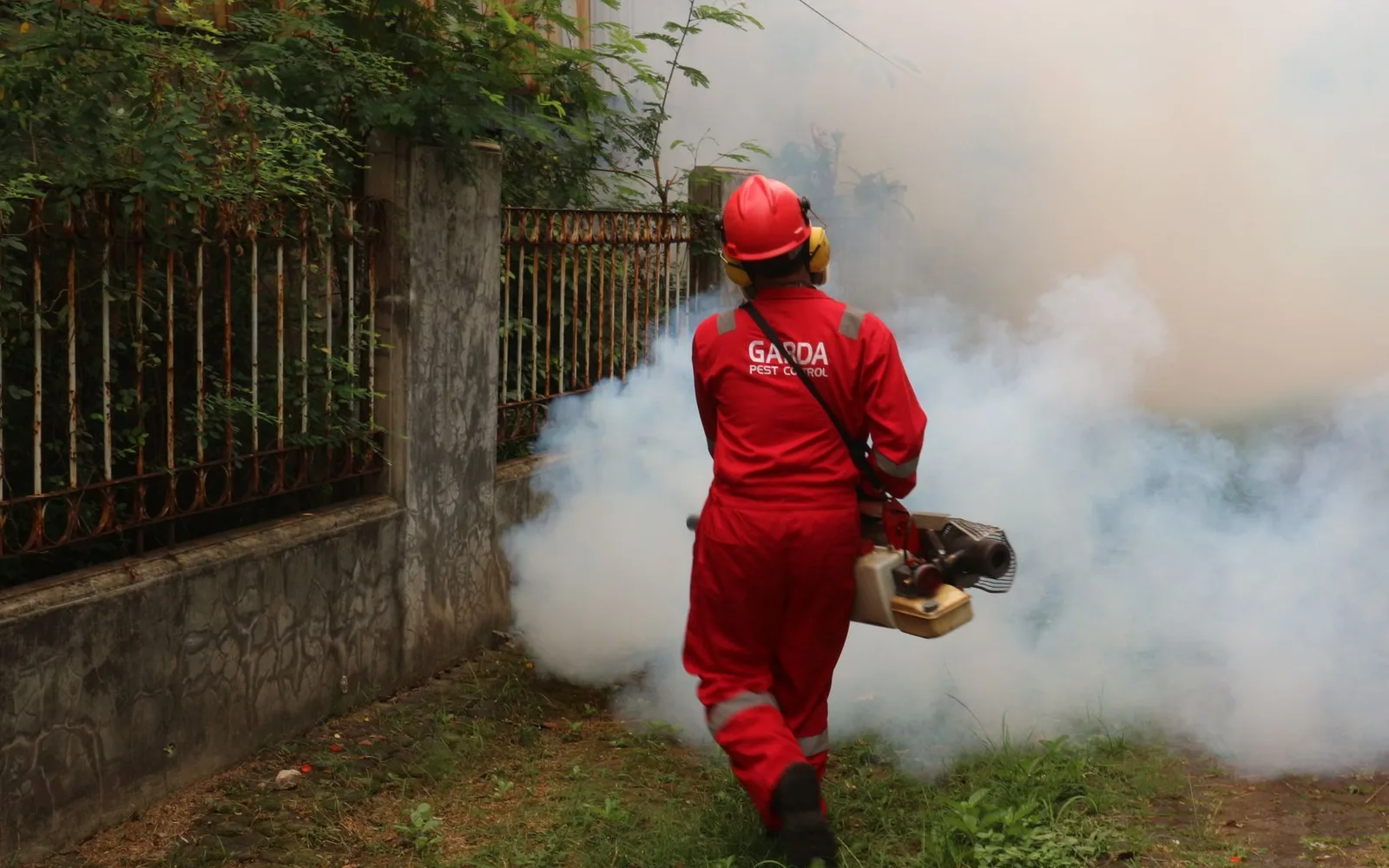
Rest houses and farms in Al Naeem Jeddah
Al Naeem's mixed commercial character, where upmarket villas sit beside restaurants, shops and hotels, creates a pest pressure pattern entirely unlike purely residential districts. Restaurants and cafes densely packed on Hira Street pump insects continuously into the street and flats above. Pests move not by property boundary but by food supply, flowing from commercial kitchens into residential units above.
-
Targeted, not broadcast
Product goes into cracks and runways, never sprayed across open surfaces.
-
Told before we start
What we will use, where it goes, and what to cover or move before we arrive.
-
A follow-up visit
We return after the first treatment, because what survives it does not show on the day.
-
Homes and businesses
Apartments and villas, and kitchens and stores that need a record of each visit.
Why they keep coming back in Al Naeem
Apartments directly above restaurants experience simultaneous pest invasions from commercial kitchens below them, a pattern that never occurs in purely residential districts with no food service underneath. The method is set out in full on our Rest houses and farms service.
Restaurants and cafes below pumping insects up through shared structures
Dense food service outlets on lower storeys produce high volumes of waste, grease and moisture daily. Cockroaches, ants and flies move upward through pipes and cracks between floors. Residents of flats above restaurants face pressure entirely different from those in quiet residential suburbs with no commercial kitchens overhead.
Hira International Market receiving daily shipments of imported pest hosts
The market receives daily consignments of produce and goods carrying insects and eggs in their packaging. This is a constant stream of fresh pest introduction to the district that never stops, and nearby retail outlets receive these shipments directly from the market.
Al Naeem Public Park as a source of water breeding mosquitoes each season
The park has irrigated vegetation and pathways that may hold standing water seasonally. Insects leave the park in the evening and are drawn toward lights in nearby shops and flats, creating a predictable seasonal inflow from the park into housing and commercial premises.
Al Naeem on the map
Al Naeem sits about 2 km from Al Nahdah and about 3 km from Al Muhammadiyah.
Open in Google MapsThe site decides the shape of the programme
Hira Street and Al Naeem Street carry an exceptionally dense line of restaurants, cafes, hotels and shops creating an unusual pest concentration along these commercial thoroughfares where commercial kitchens run their waste continuously.
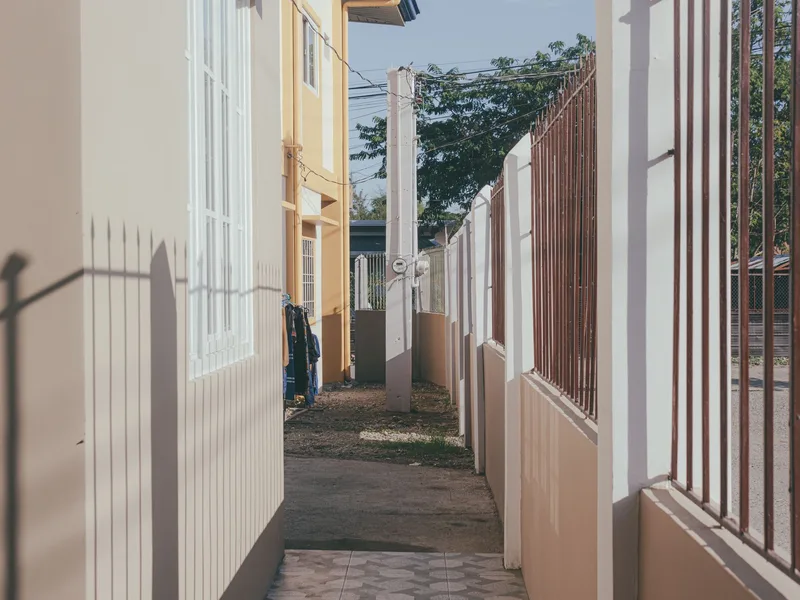
The foot of the wall
Boundaries between villas and flats in Al Naeem may be low or breached, and pests cross easily from one property to its neighbour across shared walls and fences.
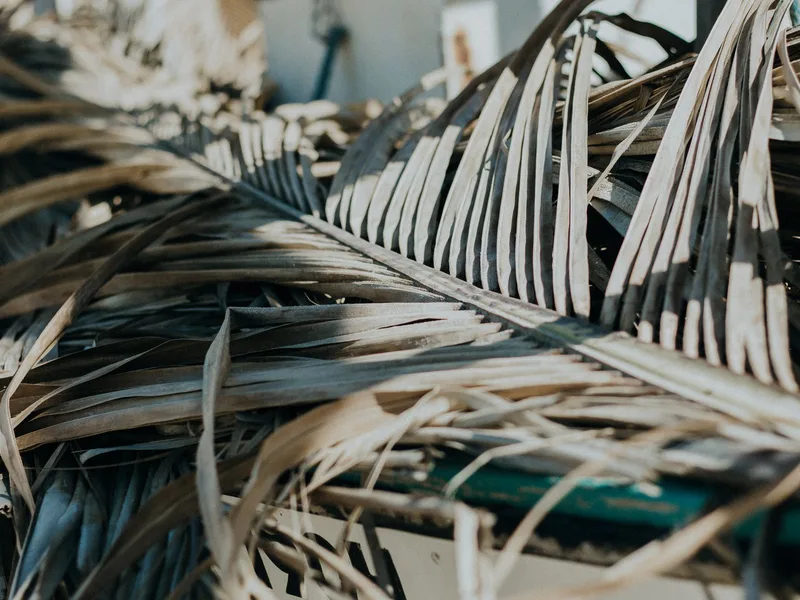
Frond and block piles
Piles of building waste and plastic chairs discarded behind shops shelter scorpions and centipedes. Regular clearance of rear spaces is critical because waste accumulates constantly.
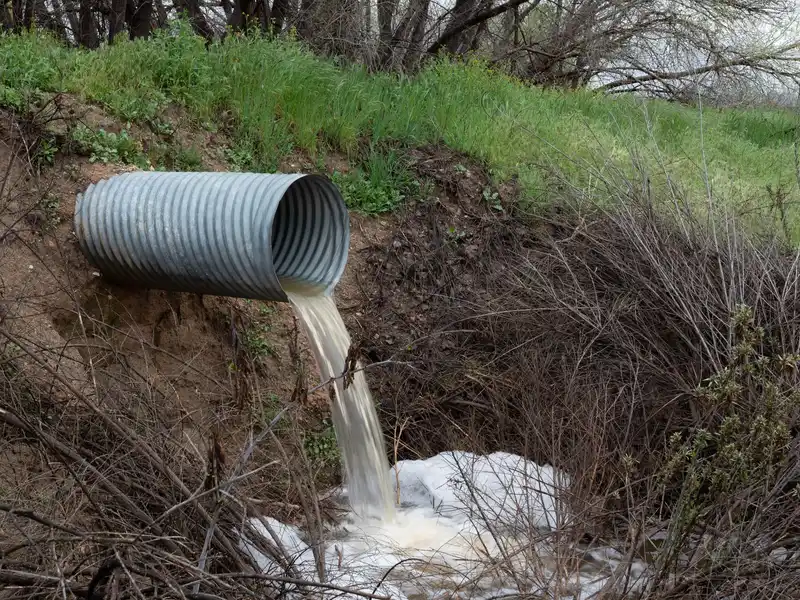
Standing water
Standing water may form behind restaurants in waste bins and at drain points, and mosquitoes breed rapidly in the warm, moist environment of a kitchen exhaust zone.
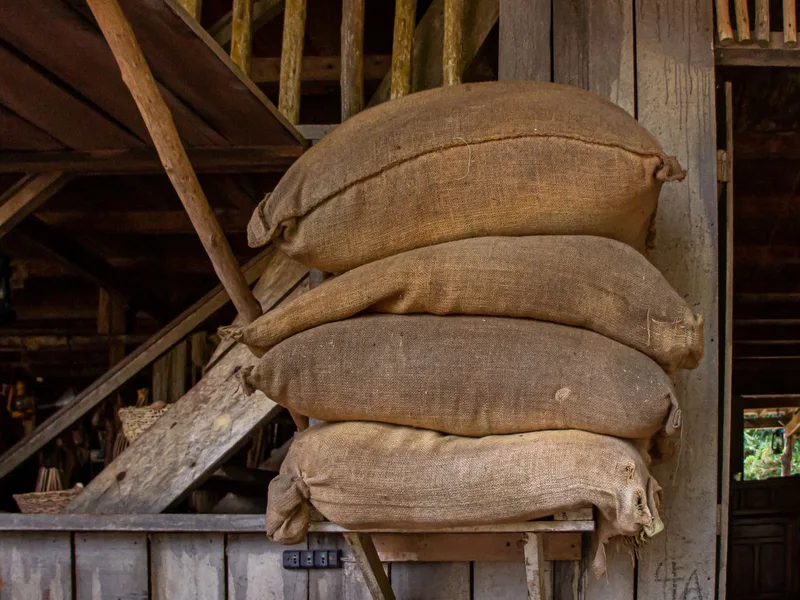
The feed store
Food stores, grain and spice supplies in shops and restaurants attract specific insects such as grain beetles and flour moths that require targeted application.
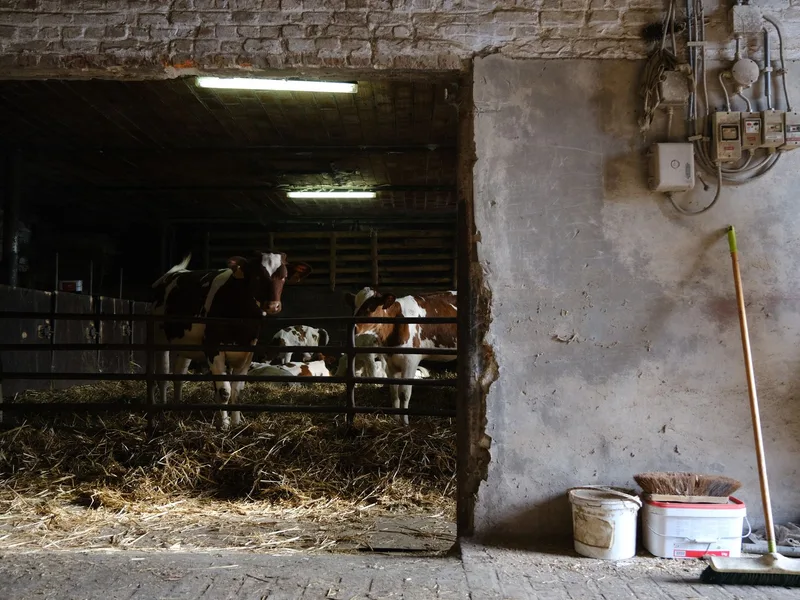
Pens and bedding
Pens do not occur typically in Al Naeem, but storage rooms behind restaurants function as isolated pest breeding chambers where cockroach colonies reach very high numbers.
The building that stays shut
Sealed buildings such as waste rooms, storage cupboards and fridges create ideal conditions for insects; warm humid air traps pests and allows colonies to establish.
How we work
-
1
Walk the site and number the points
We walk the boundary, the feed store, the pens, the water sources and the buildings, record the species present, the burrows, the entry points and every standing water source, and number the monitoring positions on a plan.
-
2
Lift what things hide under
The piles, the rubble, the fallen dates, the feed sacks pushed up against the wall. On any large plot these gather simply because there is room for them, and clearing them brings the numbers down before a single product is used.
-
3
The perimeter band and targeted treatment
A band at the foot of the wall and the buildings, treatment into the burrows and cracks, locked rodent stations fixed along the route, and mosquito breeding sites treated in the water itself.
-
4
Scheduled visits and a sheet each time
We come back on an agreed schedule, read the same points, renew the band the sun and the irrigation have used up, and write down what was found, what was applied and where, and what the site needs closed.
What the rest house and farm programme includes
-

A site walk and a map of the points
The boundary, the buildings, the pens and the water sources, and a plan with the monitoring positions numbered before anything is installed.
-

Water sources treated at the source
Drinking troughs, drip lines, tank outlets and anything that stands for days, because mosquitoes come out of water and not out of the air.
-

A treated band at the perimeter
The foot of the wall, the building bases and the path edges, which is the line anything coming off the open ground has to cross.
-

Locked rodent stations
Fixed and numbered along one route, and closed so that neither a child's hand nor an animal on the site can get into them.
-

What the site does afterwards
What to cover, where to move animal water bowls, when irrigation can start again without washing the band off, and the ventilation time, which we give you on the call because it changes with the product and the space.
-

Scheduled visits and a record
A schedule agreed ahead of the seasons, the same points read every time, and a record of what was found, what was treated and what is still open.
Landmarks of Al Naeem
Hira Street and Hira International Market are the pressure points of Al Naeem, concentrating commercial kitchens and daily shipments. We start the programme at street level shops and move upward into flats and villas, with particular focus on entry points flowing from the market and restaurants.
- Hira Street
- Al Naeem Street
- Hira International Market
- Al Naeem Public Park
- Prince Sultan Road
Questions about this district
The restaurant below our flat is disposing waste badly. Does this increase pest pressure on us?
Significantly. Commercial kitchens attract cockroaches, ants and flies in far greater numbers than typical apartments do. Shared plumbing and floor gaps must be treated very carefully where a restaurant kitchen sits below inhabited flats.
Can we living in the flat above prevent pests from the restaurant below us?
Only partially. Sealing gaps around pipes and treating cracks reduces crossing, but the restaurant itself must also be treated for the overall number to drop meaningfully.
Hira Market is very close and receives shipments daily. Should we expect seasonal pest waves?
Yes. Imported produce and goods carry insects and eggs in their packaging. We expect waves of beetles and moths during heavy import seasons, especially from certain source countries.
The flat nearest the cafe has far more pests than others, why does it not respond to treatment quickly?
The cafe is continuously restocking insects from its waste. Treatment needs to be more frequent here than in other flats, and only drops noticeably if the cafe itself also maintains control.
Al Naeem Park is close by. Do mosquitoes from the park invade flats at night when it is humid?
Yes, especially if the park holds standing water. Mosquitoes emerge in the evening and are drawn to light and warmth from illuminated shops and apartments.
The restaurant refuses to let anyone see their waste disposal room. What can we do?
We focus on your flat's defences and those of neighbouring units from below: sealing cracks and gaps, and treating the boundary zones between your space and the restaurant kitchen.
How much does rest houses and farms in Al Naeem cost?
It is set after the inspection, because the price follows the type of infestation, the size of the space, how far it has spread and the number of visits it needs. Send a photo and a description on WhatsApp and we will give you an estimate before we reach Al Naeem.
Nearby districts we cover
Other services in Al Naeem
Other services we provide to residents of Al Naeem.
-
 Residential
Cockroach control
Residential
Cockroach control
-
 Residential
Bed bug control
Residential
Bed bug control
-
 Residential
Termite control
Residential
Termite control
-
 Residential
Rodents and mice
Residential
Rodents and mice
-
 Residential
Mosquito control
Residential
Mosquito control
-
 Residential
Fly control
Residential
Fly control
-
 Residential
Ant control
Residential
Ant control
-
 Residential
Gecko control
Residential
Gecko control
-
 Residential
Scorpion control
Residential
Scorpion control
-
 Residential
Snake control
Residential
Snake control
-
 Residential
Flea control
Residential
Flea control
-
 Residential
Bird and pigeon control
Residential
Bird and pigeon control
-
 Residential
Preventive treatment
Residential
Preventive treatment
-
 Residential
Disinfection
Residential
Disinfection
-
 Commercial
Annual contracts
Commercial
Annual contracts
-
 Commercial
Restaurants and cafes
Commercial
Restaurants and cafes
-
 Commercial
Hotels and apartments
Commercial
Hotels and apartments
-
 Commercial
Warehouses and factories
Commercial
Warehouses and factories
-
 Commercial
Schools and nurseries
Commercial
Schools and nurseries
-
 Commercial
Retail and malls
Commercial
Retail and malls
-
 Commercial
Fumigation
Commercial
Fumigation
-
 Water tanks
Water tank cleaning
Water tanks
Water tank cleaning
-
 Water tanks
Water tank sterilization
Water tanks
Water tank sterilization
-
 Water tanks
Water tank sealing
Water tanks
Water tank sealing
-
 Water tanks
Tank leak repair
Water tanks
Tank leak repair
Need rest houses and farms in Al Naeem? Tell us what you saw and we will tell you what it needs
We reach Al Naeem at a time we agree, and you get the full cost before we start.