
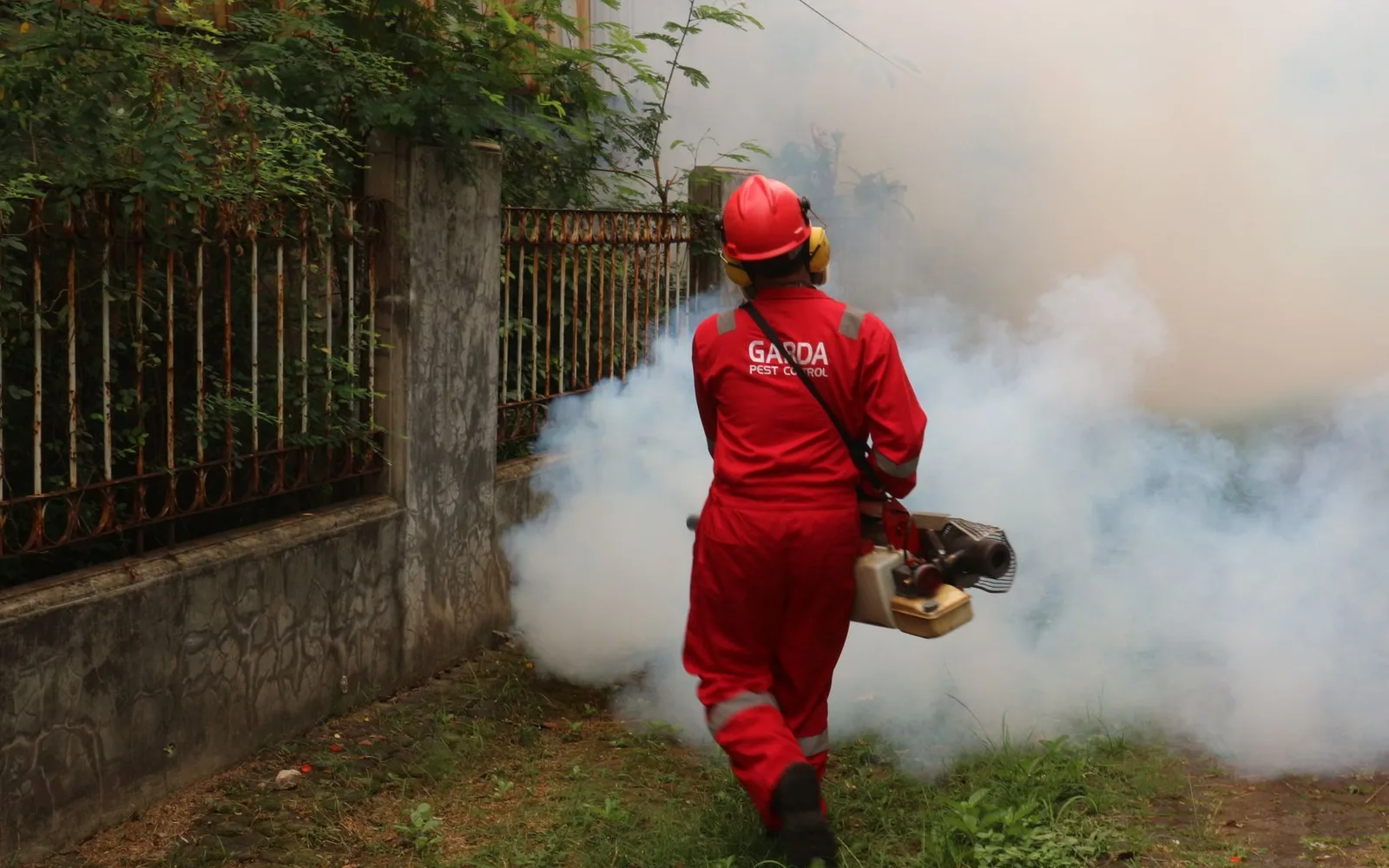
Rest houses and farms in Al Shati Jeddah
Al Shati sits on Jeddah's corniche in a climate where salt air and high humidity drive a different pest cycle from inland districts. Hotels, apartment blocks and compounds strung along the seafront face year-round pressure from insects adapted to the coast, so the programme must match that environment, not a standard enclosed yard.
-
Targeted, not broadcast
Product goes into cracks and runways, never sprayed across open surfaces.
-
Told before we start
What we will use, where it goes, and what to cover or move before we arrive.
-
A follow-up visit
We return after the first treatment, because what survives it does not show on the day.
-
Homes and businesses
Apartments and villas, and kitchens and stores that need a record of each visit.
Why they keep coming back in Al Shati
Insects here are better adapted to salt and moisture than their inland cousins and they breed faster through the long warm months. A treatment that works inland may fail here without adjustment. The method is set out in full on our Rest houses and farms service.
Sea humidity keeps insects active all year
Coastal zones never dry out completely. High humidity and salt-laden spray keep soil, cracks and storage areas damp, creating ideal conditions for mosquitoes and rodents hunting shelter and water through all twelve months.
Salt corrodes the protective layer
Marine salts oxidise the protective coating that carries pesticides on walls and surfaces, which means re-treatment is needed more often and with different formulations than in districts inland away from the sea.
Constant visitor flow and food supply
Hotels and retail on the corniche bring continuous food and stock deliveries, doors and windows open repeatedly throughout the day, and insects move in from the sea and street with every opening.
Al Shati on the map
Al Shati sits about 2.5 km from Al Nahdah and about 4.5 km from Al Naeem.
Open in Google MapsThe site decides the shape of the programme
The seafront location and corniche exposure mean permanent damp on timber, render and metal, with salt deposits working into cracks and gaps all through the year. Humidity rarely falls below sixty percent.
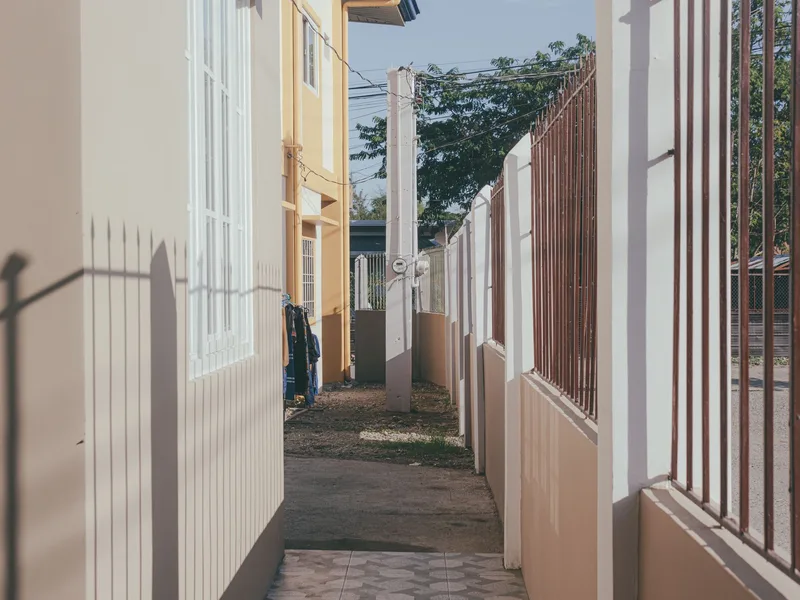
The foot of the wall
Walls here are often low and the seafront face is open to the corniche road, so treatment starts from the property edge facing the water and shields stone and foundations from salt damp.
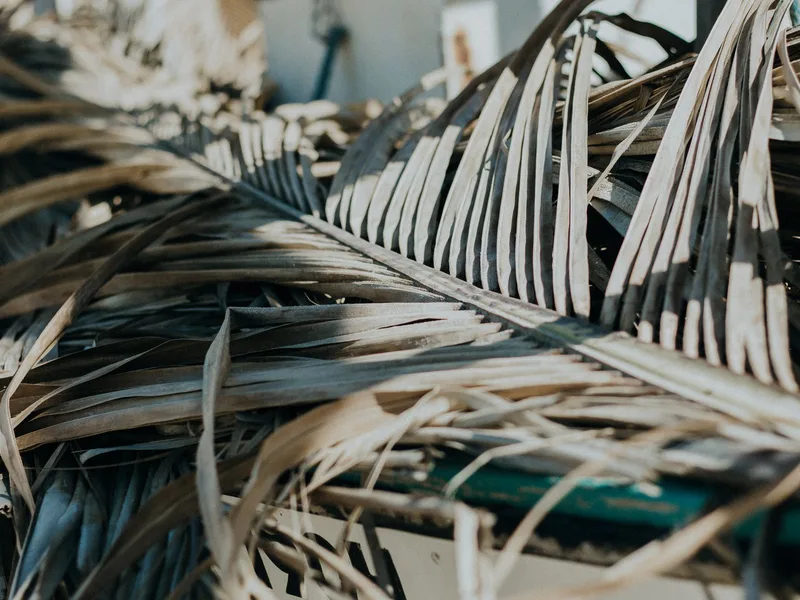
Frond and block piles
Frond and block piles are rare on the corniche, but timber structures and irrigated beam work attract insects; we raise or treat them in place to stop hidden colonies forming.
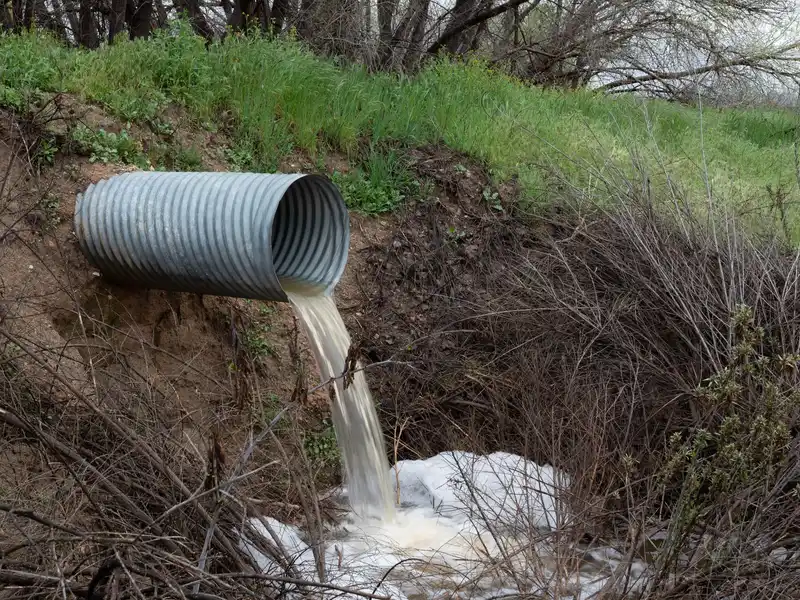
Standing water
Standing water here comes from irrigation, not poor drainage. Resort gardens are watered daily, and mosquitoes lay eggs in every old puddle left after each cycle.

The feed store
Storage here may be a hotel kitchen or supply shed for a rest house. Poor ventilation and dampness make them perfect shelters for cockroaches if they are not sealed tight.
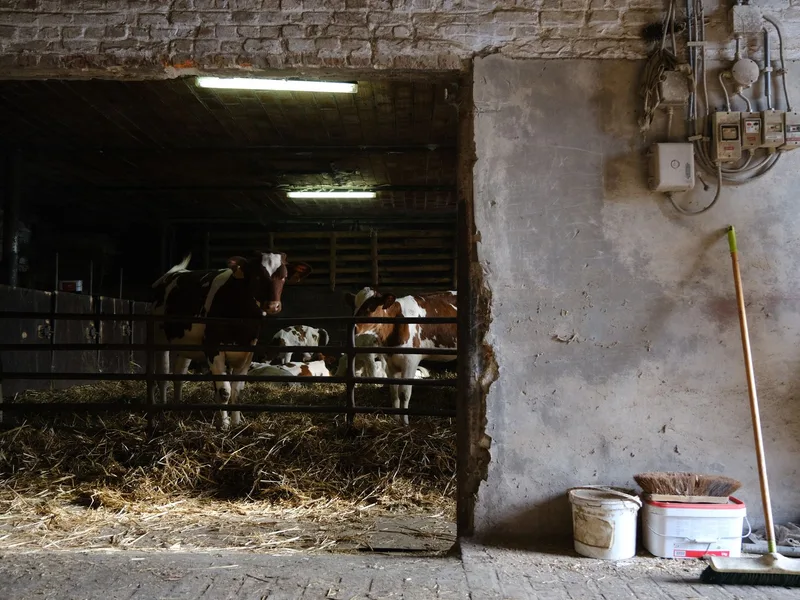
Pens and bedding
Pens are rare, but loading platforms and cold rooms in hotels offer the damp, cool spaces that rodents and insects seek for shelter and breeding when air and ground are too hot or wet.
The building that stays shut
Buildings that close seasonally, such as chalets empty in winter, become safe havens for rodents and scorpions. Treating indoors before the lock up is essential and stops the whole settlement breeding undisturbed.
How we work
-
1
Walk the site and number the points
We walk the boundary, the feed store, the pens, the water sources and the buildings, record the species present, the burrows, the entry points and every standing water source, and number the monitoring positions on a plan.
-
2
Lift what things hide under
The piles, the rubble, the fallen dates, the feed sacks pushed up against the wall. On any large plot these gather simply because there is room for them, and clearing them brings the numbers down before a single product is used.
-
3
The perimeter band and targeted treatment
A band at the foot of the wall and the buildings, treatment into the burrows and cracks, locked rodent stations fixed along the route, and mosquito breeding sites treated in the water itself.
-
4
Scheduled visits and a sheet each time
We come back on an agreed schedule, read the same points, renew the band the sun and the irrigation have used up, and write down what was found, what was applied and where, and what the site needs closed.
What the rest house and farm programme includes
-

A site walk and a map of the points
The boundary, the buildings, the pens and the water sources, and a plan with the monitoring positions numbered before anything is installed.
-

Water sources treated at the source
Drinking troughs, drip lines, tank outlets and anything that stands for days, because mosquitoes come out of water and not out of the air.
-

A treated band at the perimeter
The foot of the wall, the building bases and the path edges, which is the line anything coming off the open ground has to cross.
-

Locked rodent stations
Fixed and numbered along one route, and closed so that neither a child's hand nor an animal on the site can get into them.
-

What the site does afterwards
What to cover, where to move animal water bowls, when irrigation can start again without washing the band off, and the ventilation time, which we give you on the call because it changes with the product and the space.
-

Scheduled visits and a record
A schedule agreed ahead of the seasons, the same points read every time, and a record of what was found, what was treated and what is still open.
The character of Al Shati
Coastal area: high humidity and salt air through the year
High humidity and sea salt mean the treatment needs special formulations and more frequent visits than inland districts do. Salt air oxidises the protective layer, so we return every three weeks instead of a month to keep the barrier intact.
Questions about this district
Does the high humidity here stop the pesticide from working?
No, but it needs different formulations. Pesticides designed for coastal environments keep their strength in humidity, though treatment must be repeated more often than in dry inland areas.
Mosquitoes spread incredibly fast on the Al Shati corniche. Why is that?
The sea, irrigated gardens and planted beds offer breeding grounds that never end. Treating the perimeter alone is not enough; scheduled visits must focus on standing water and vegetation every week or two.
Is hotel pest control different from a rest house on the shore?
Yes, a hotel sees constant foot traffic and guests all day, but a rest house may lock up for weeks at a time. An empty rest house is easier prey for rodents and scorpions seeking shelter from the open beach.
Salt damages buildings. Does the pesticide make the erosion worse?
Approved coastal pesticides do not speed rust or corrosion. Concentrations are low and formulas are built for sea environments, but treatment does call for light irrigation after the base coat is laid down.
Do cracks near the sea harbour different insects than inland cracks?
Yes, scorpions, land crabs and coastal lizards favour cracks close to water. Base treatment here focuses first on blocking entry from the seafront face, then the rear perimeter.
What is the best time to treat pests in Al Shati?
Pest pressure here is constant, but peaks in the warm seasons. Spring treatment before summer is essential, then visits every three weeks through summer keep the load manageable and low.
How much does rest houses and farms in Al Shati cost?
It is set after the inspection, because the price follows the type of infestation, the size of the space, how far it has spread and the number of visits it needs. Send a photo and a description on WhatsApp and we will give you an estimate before we reach Al Shati.
Nearby districts we cover
Other services in Al Shati
Other services we provide to residents of Al Shati.
-
 Residential
Cockroach control
Residential
Cockroach control
-
 Residential
Bed bug control
Residential
Bed bug control
-
 Residential
Termite control
Residential
Termite control
-
 Residential
Rodents and mice
Residential
Rodents and mice
-
 Residential
Mosquito control
Residential
Mosquito control
-
 Residential
Fly control
Residential
Fly control
-
 Residential
Ant control
Residential
Ant control
-
 Residential
Gecko control
Residential
Gecko control
-
 Residential
Scorpion control
Residential
Scorpion control
-
 Residential
Snake control
Residential
Snake control
-
 Residential
Flea control
Residential
Flea control
-
 Residential
Bird and pigeon control
Residential
Bird and pigeon control
-
 Residential
Preventive treatment
Residential
Preventive treatment
-
 Residential
Disinfection
Residential
Disinfection
-
 Commercial
Annual contracts
Commercial
Annual contracts
-
 Commercial
Restaurants and cafes
Commercial
Restaurants and cafes
-
 Commercial
Hotels and apartments
Commercial
Hotels and apartments
-
 Commercial
Warehouses and factories
Commercial
Warehouses and factories
-
 Commercial
Schools and nurseries
Commercial
Schools and nurseries
-
 Commercial
Retail and malls
Commercial
Retail and malls
-
 Commercial
Fumigation
Commercial
Fumigation
-
 Water tanks
Water tank cleaning
Water tanks
Water tank cleaning
-
 Water tanks
Water tank sterilization
Water tanks
Water tank sterilization
-
 Water tanks
Water tank sealing
Water tanks
Water tank sealing
-
 Water tanks
Tank leak repair
Water tanks
Tank leak repair
Need rest houses and farms in Al Shati? Tell us what you saw and we will tell you what it needs
We reach Al Shati at a time we agree, and you get the full cost before we start.