
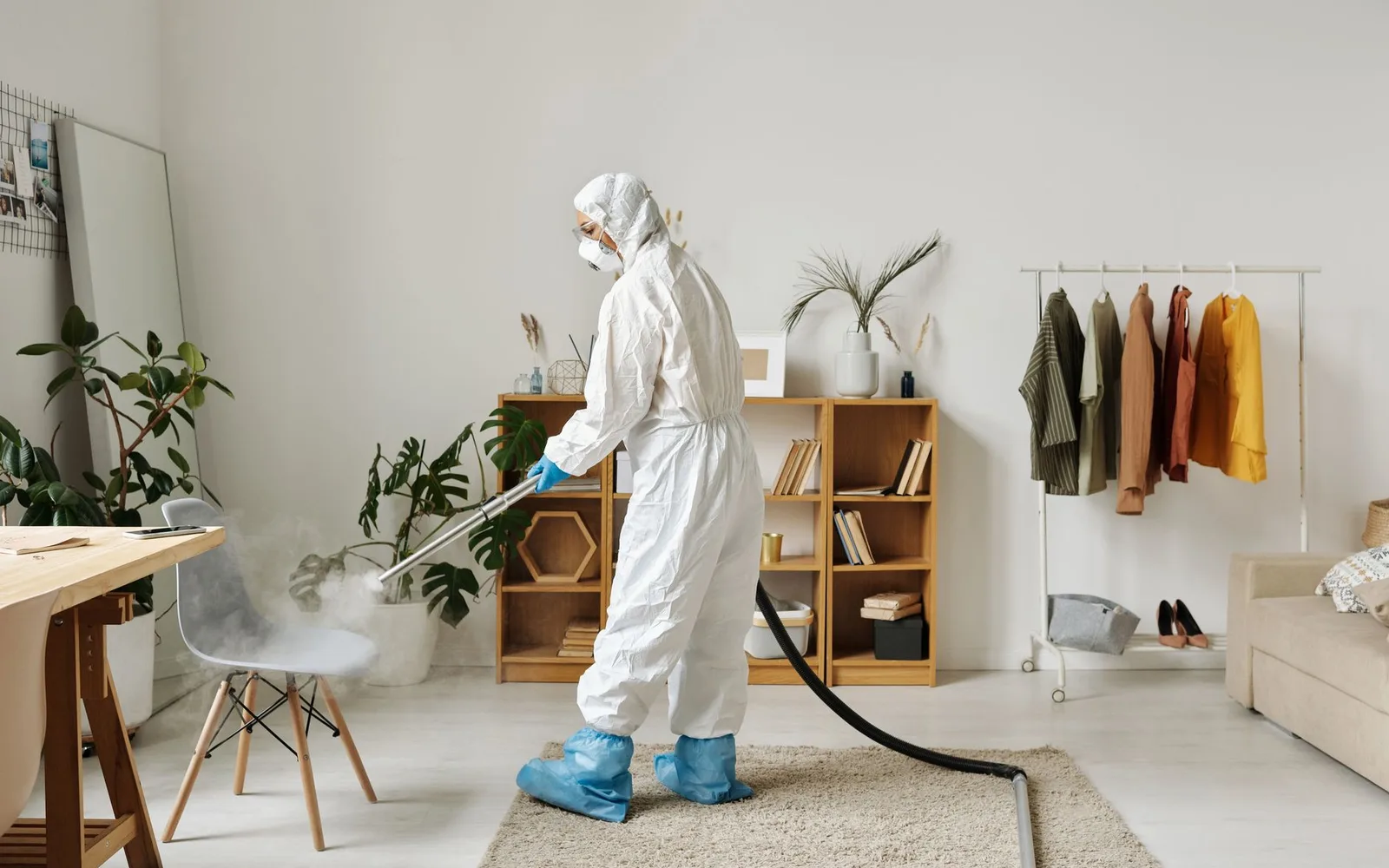
Flea control in East Al Baghdadiyah Jeddah
East Al Baghdadiyah is an old commercial quarter north of Al Balad along Madinah Road, dense with apartment buildings, small hotels and shops squeezed together tightly. The buildings are very old stone, towering high with wooden rawashin, and moisture seeps constantly from ancient damp walls. Fleas arrive via hotels and rented flats occupied by workers and visitors, and travel easily between units through shared walls and service gaps. Treating one unit whilst surrounding ones remain untreated is exercise in futility.
-
Targeted, not broadcast
Product goes into cracks and runways, never sprayed across open surfaces.
-
Told before we start
What we will use, where it goes, and what to cover or move before we arrive.
-
A follow-up visit
We return after the first treatment, because what survives it does not show on the day.
-
Homes and businesses
Apartments and villas, and kitchens and stores that need a record of each visit.
Why they keep coming back in East Al Baghdadiyah
Fleas in small hotels and rented worker flats move rapidly because visitors and staff circulate freely between units and the street each hour. The method is set out in full on the full Flea control page.
Small hotels and rented flats for workers and transients
East Al Baghdadiyah is filled with small hotels and short term rental flats housing a constant stream of workers and visitors. Every new arrival carries fleas from their own home; every worker brings them from their workplace. Shared access and rapid turnover mean infestation spreads between units faster than a single flat can be reinfested naturally. The movement alone drives reinfestation.
Very old coral stone buildings with permanent dampness
Coral stone buildings are ancient and thick walled but permanently damp from floods and capillary rise. Permanent moisture provides ideal flea breeding conditions and shelter in wall cracks. Drying times for surface treatments are extended in these conditions, but the residual treatment applied to carpets and furniture remains potent. The damp is an enemy of drying spray but not of embedded residual powder.
Thin shared walls with multiple service gaps and cracks
Old walls separate units but hold gaps around ancient pipes and electrical runs. Fleas cross these barriers easily. Treating one flat in a crowded building whilst leaving adjacent units untreated is pointless; they become reinfection vectors within two weeks through the shared partitions.
The character of East Al Baghdadiyah
Commercial area: offices, showrooms and small stores
In an old commercial quarter like East Al Baghdadiyah, fleas move with people and goods every day. Hotels and rented flats keep infestations in motion; they do not settle in one place.
The resting places map the infestation
The district was among the first quarters built outside the old city wall. Buildings are very old coral stone with chronically damp thick walls. It borders Al Balad to the south, and Al Ammariyah and Al Kandarah on its flanks.
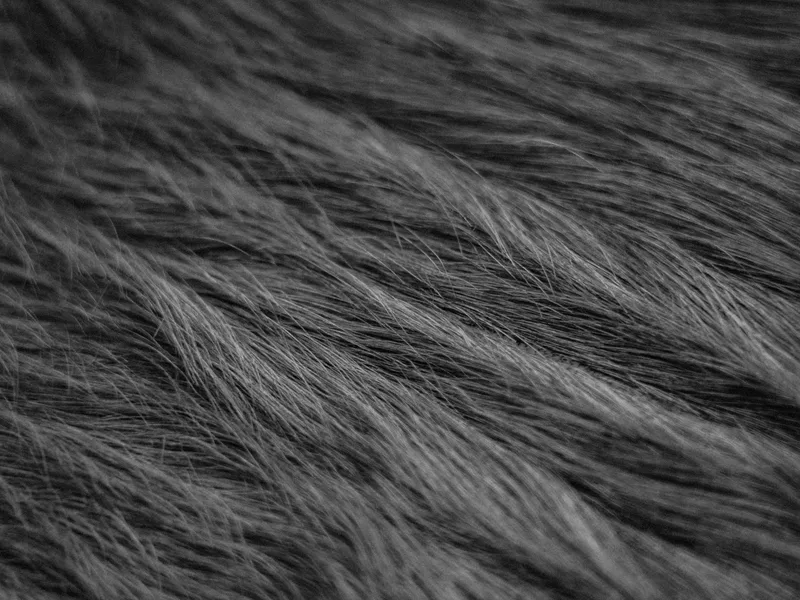
The base of the carpet
Carpet in old hotels and rented flats is thick and damp, harbouring flea cocoons deep in the pile beyond routine cleaning reach.
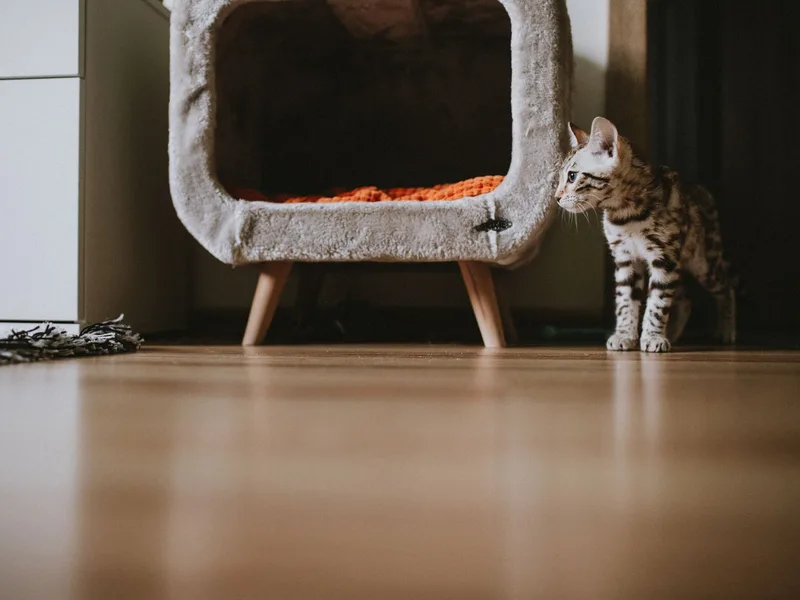
Where the animal sleeps
Guests and workers sleep on shared floors and beds, leaving flea faeces and eggs on surfaces where they remain viable for weeks.
Flea dirt
Flea dirt shows in damp carpet and old upholstered furniture that holds ambient moisture in its fibres and seams.
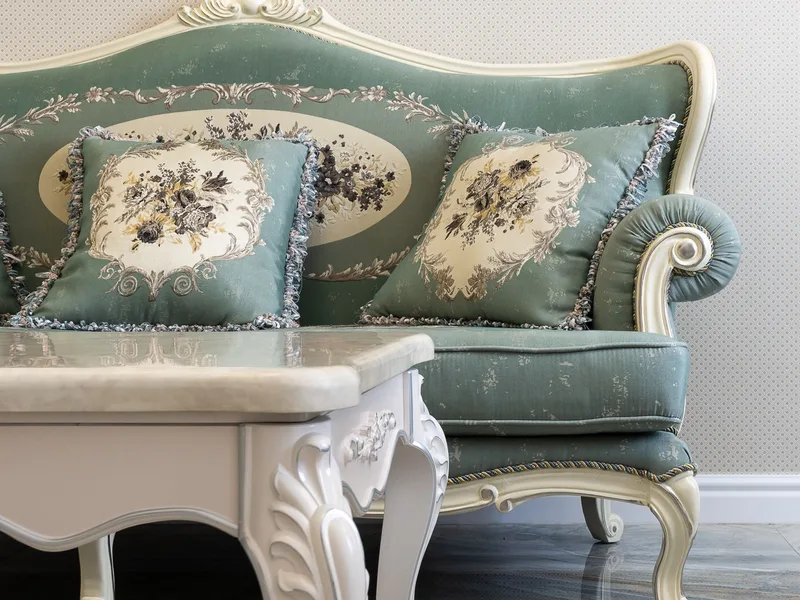
Furniture edges and upholstery
Upholstered furniture in hotels and old flats harbours fleas in seams, under welting and in frame joints, sheltered from light.
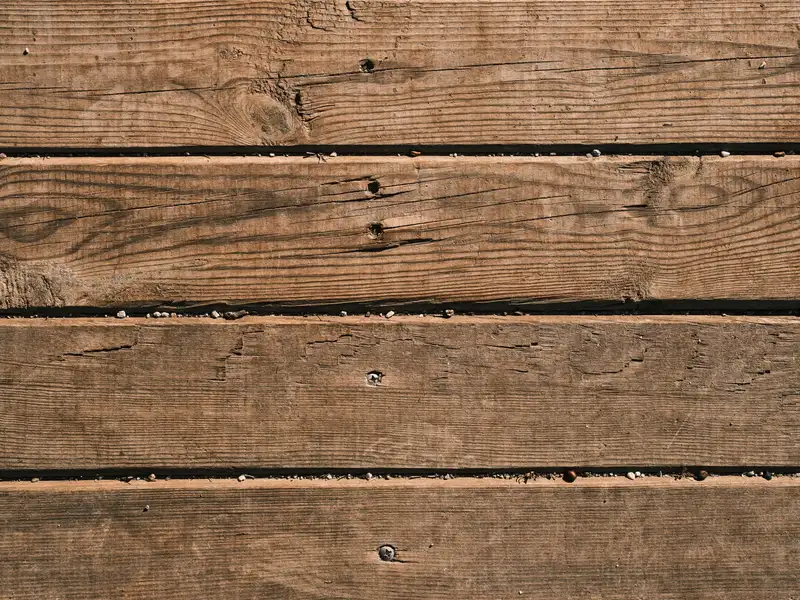
Joints in a hard floor
Grout between old stone and tile floors retains moisture and flea pupae, particularly in bathrooms where humidity is constant.
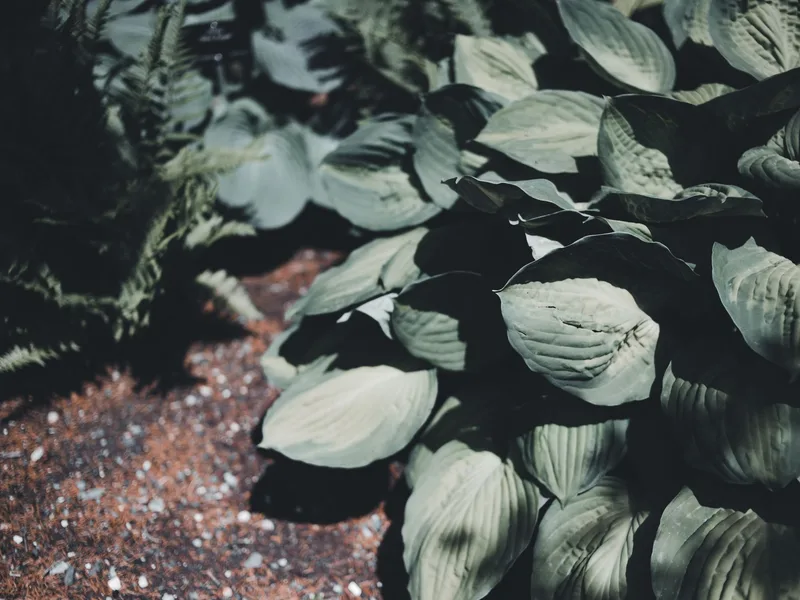
Damp shade outdoors
Damp shade outdoors appears in angles between the ancient stone buildings and near the old Al Manqabah quarry site, where fleas find shelter and rest ground.
How we work
-
1
Inspect and confirm
We confirm it is fleas rather than another biting insect, and fix the animal's sleeping points, its routes and the shaded ground outside. Where there is no animal in the house, we look for the host they came from.
-
2
Treat the floors and soft furnishings
A residual with an insect growth regulator, worked into the carpet base, the floor and wall junction and the edges under furniture. The regulator stops a larva becoming an adult, which is what breaks the cycle.
-
3
The host and the shade outside
We treat the shaded ground and the outdoor lying spots, and we agree with you that the animal's veterinary treatment happens on the same day, because any host left out of the job re-seeds the floor.
-
4
Vacuuming, then the follow-up visit
Repeated vacuuming vibrates the floor and draws the pupae out onto a treated surface. We come back about two weeks later to take the emerged generation before it lays.
What flea control includes
-

Confirmation before anything is applied
Telling a flea bite from the alternatives, and fixing the resting places and the centre of the infestation.
-

Carpet base and floor line treatment
A residual and a growth regulator worked down into the pile and under furniture edges, not laid across the visible surface.
-

Shade and damp outdoors
The shaded patches by entrances and around drains and taps, the only ground outside where larvae survive.
-

The source when there is no pet
Stray cats sheltering under an outside stair, or rodents in the voids, each handled on a different footing.
-

The vacuum schedule and aftercare
When to vacuum, how to empty the machine, and why the carpet is not steam cleaned afterwards. Ventilation time we give you on the call, because it changes with the product and the space.
-

A follow-up timed to emergence
A date about two weeks on, timed to the pupae leaving the cocoons, and re-treatment of any room where fresh bites are still starting.
Landmarks of East Al Baghdadiyah
East Al Baghdadiyah lies on Madinah Road between the Jeddah Governorate Building and Al Aziziyah Mosque. Operations are based on Madinah Road, and access to flats and hotels runs along Madinah Road linking the district to Al Balad and southern Jeddah. Work sites span from Al Aziziyah Mosque to the northern boundary at Al Kandarah.
- Madinah Road
- Jeddah Governorate Building
- Al Aziziyah Mosque
- Al Matar Street
- Marzouq Al Rayhan Mosque
Questions about this district
The hotel next door always has fleas. Does it infect our flat?
Yes, it is a continuous source. Guests bring fleas; staff carry them between rooms. Shared walls are an open highway, particularly in old stone buildings with multiple gaps around ancient utilities. A hotel wall between your flat and theirs means you receive fleas regularly.
Must we coordinate with the neighbouring hotel before we treat?
Absolutely essential. Without concurrent treatment of the hotel, fleas return from the shared wall within two weeks. Coordination with the owner or hotel management must happen before treatment begins, or your expense is wasted.
Very damp old buildings make treatment harder overall?
Dampness slows surface spray drying but does not reduce the effect of residual treatment. Powder applied under carpet and furniture remains potent in damp conditions. Follow up visits may be slightly more frequent, but treatment is effective.
Are worker flats harder to treat than hotels?
No. Both are treatable. Worker flats may be older and damper, but coordinating with the landlord is the same. Success depends on treating all affected units together, not on whether they are hotel rooms or residential.
After treatment, fleas returned from the flat next door. What now?
That flat was not treated. You must ask the landlord to treat all affected units simultaneously. Individual treatment in a crowded building or hotel complex will not succeed because adjacent units act as reinfection vectors.
Do we need regular preventive treatment in a commercial zone like this?
Yes. Preventive treatment every four to six weeks breaks the cycle. Constant movement of guests and staff means reinfestation risk is always present. Prevention is more efficient than waiting for visible infestation and treating in crisis.
How much does flea control in East Al Baghdadiyah cost?
It is set after the inspection, because the price follows the type of infestation, the size of the space, how far it has spread and the number of visits it needs. Send a photo and a description on WhatsApp and we will give you an estimate before we reach East Al Baghdadiyah.
Nearby districts we cover
Other services in East Al Baghdadiyah
Other services we provide to residents of East Al Baghdadiyah.
-
 Residential
Cockroach control
Residential
Cockroach control
-
 Residential
Bed bug control
Residential
Bed bug control
-
 Residential
Termite control
Residential
Termite control
-
 Residential
Rodents and mice
Residential
Rodents and mice
-
 Residential
Mosquito control
Residential
Mosquito control
-
 Residential
Fly control
Residential
Fly control
-
 Residential
Ant control
Residential
Ant control
-
 Residential
Gecko control
Residential
Gecko control
-
 Residential
Scorpion control
Residential
Scorpion control
-
 Residential
Snake control
Residential
Snake control
-
 Residential
Bird and pigeon control
Residential
Bird and pigeon control
-
 Residential
Preventive treatment
Residential
Preventive treatment
-
 Residential
Disinfection
Residential
Disinfection
-
 Commercial
Annual contracts
Commercial
Annual contracts
-
 Commercial
Restaurants and cafes
Commercial
Restaurants and cafes
-
 Commercial
Hotels and apartments
Commercial
Hotels and apartments
-
 Commercial
Warehouses and factories
Commercial
Warehouses and factories
-
 Commercial
Schools and nurseries
Commercial
Schools and nurseries
-
 Commercial
Retail and malls
Commercial
Retail and malls
-
 Commercial
Rest houses and farms
Commercial
Rest houses and farms
-
 Commercial
Fumigation
Commercial
Fumigation
-
 Water tanks
Water tank cleaning
Water tanks
Water tank cleaning
-
 Water tanks
Water tank sterilization
Water tanks
Water tank sterilization
-
 Water tanks
Water tank sealing
Water tanks
Water tank sealing
-
 Water tanks
Tank leak repair
Water tanks
Tank leak repair
Need flea control in East Al Baghdadiyah? Tell us what you saw and we will tell you what it needs
We reach East Al Baghdadiyah at a time we agree, and you get the full cost before we start.