
Flea control in Ghulail Jeddah
Ghulail is a decades old popular quarter in south Jeddah next to the former Al Mahjar quarantine district, where informal housing and narrow lanes have been cleared entirely under South Jeddah redevelopment. New planned streets and formal housing replace the old chaos of uncollected refuse and failing drainage. Fleas may lie dormant in the old soil, and stray animals from adjacent older neighbourhoods like Al Quraiyat and Al Nazlah Al Yamaniyah still enter the new homes seeking fresh water.
-
Targeted, not broadcast
Product goes into cracks and runways, never sprayed across open surfaces.
-
Told before we start
What we will use, where it goes, and what to cover or move before we arrive.
-
A follow-up visit
We return after the first treatment, because what survives it does not show on the day.
-
Homes and businesses
Apartments and villas, and kitchens and stores that need a record of each visit.
Why they keep coming back in Ghulail
The old land was a maze of narrow lanes, informal buildings and standing sewage water. These conditions sustained flea populations for years, and pupae may lie dormant in the soil. The method is set out in full on what Flea control involves.
Old soil may harbour dormant fleas from animals that lived in the slums
The land being redeveloped was informal housing inhabited by stray animals and rats. Fleas from these animals may sleep in the soil as pupae. Construction disturbing and moving the earth may wake dormant fleas and drive hidden animals from burrows.
Animals from adjacent old neighbourhoods enter new villas
Nearby districts like Al Quraiyat and Al Nazlah Al Yamaniyah remain older and less developed. Stray animals from these neighbourhoods enter new villas seeking fresh water and food.
New streets have not yet fully divided the area from old settlements
The large redevelopment scheme proceeds in phases. Some streets remain unfinished and some land still vacant. Animals move easily between developed villas and old neighbouring ground.
Ghulail on the map
Ghulail sits about 1.5 km from Al Quraiyat and about 2 km from Al Nazlah Al Yamaniyah.
Open in Google MapsThe resting places map the infestation
A redeveloped neighbourhood in south Jeddah with cleared former informal housing, new planned land prepared for building next to Al Mahjar district, Al Falah Road and Omar Al Mutawa Street forming its spine.
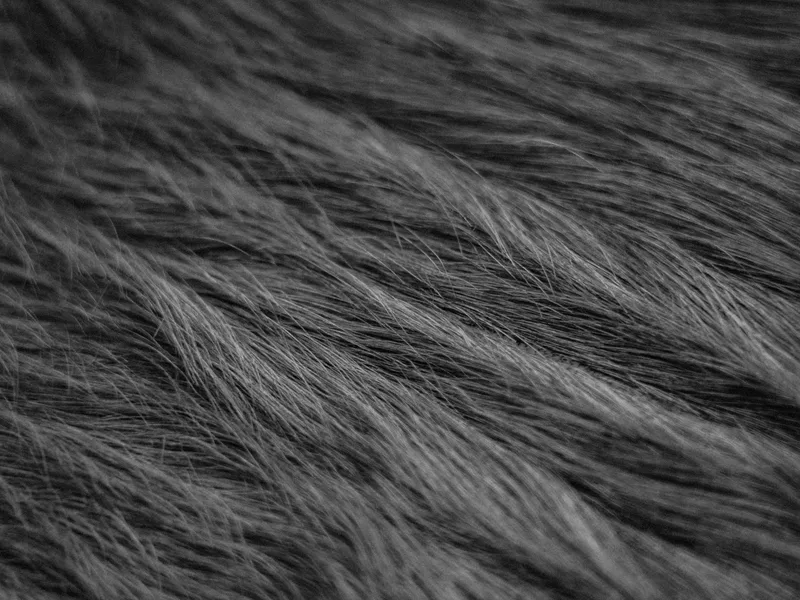
The base of the carpet
Carpet base in a new villa is clean but the foundation soil beneath may harbour dormant pupae from old animal populations.
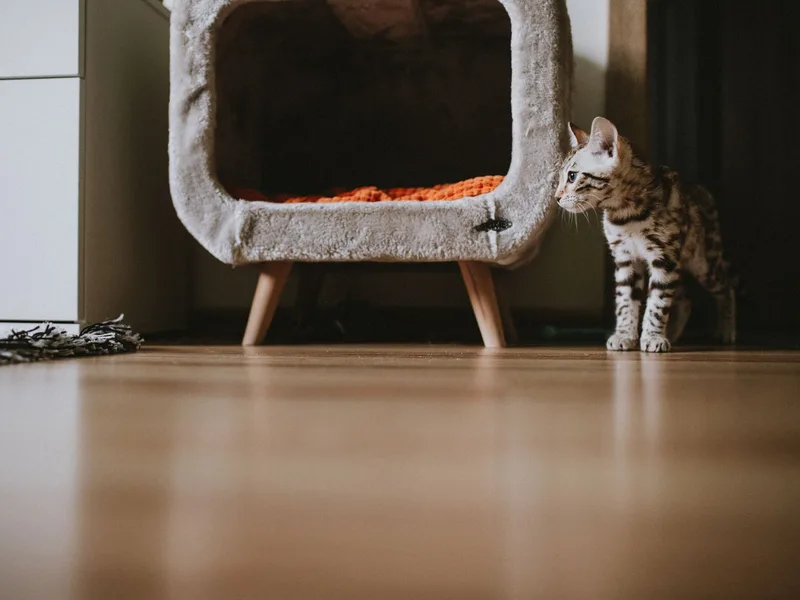
Where the animal sleeps
Stray animals from adjoining ground may bed down in the yard or under a small tree near the villa.
Flea dirt
Flea droppings are rare on new clean floors, but may appear if animals enter the home.
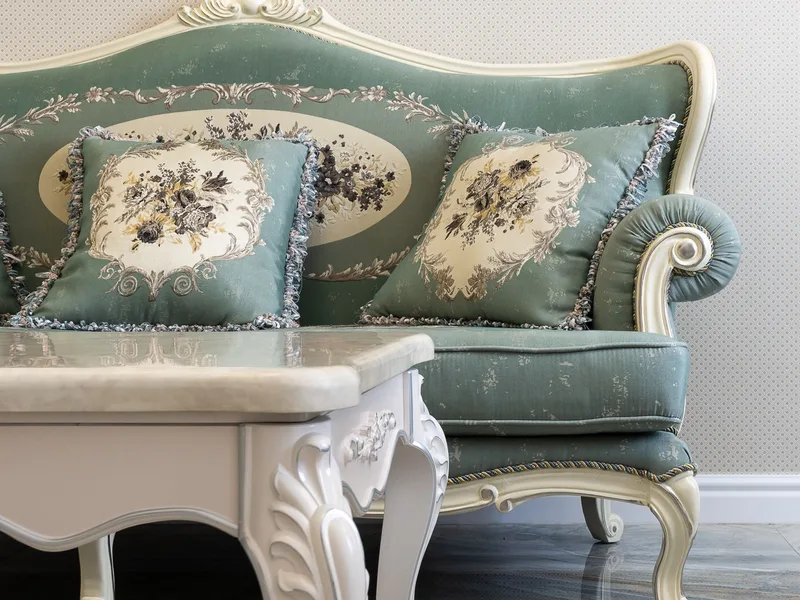
Furniture edges and upholstery
Edges of new furniture are not yet flea refuges, but an entering animal may leave them and seed a new infestation.
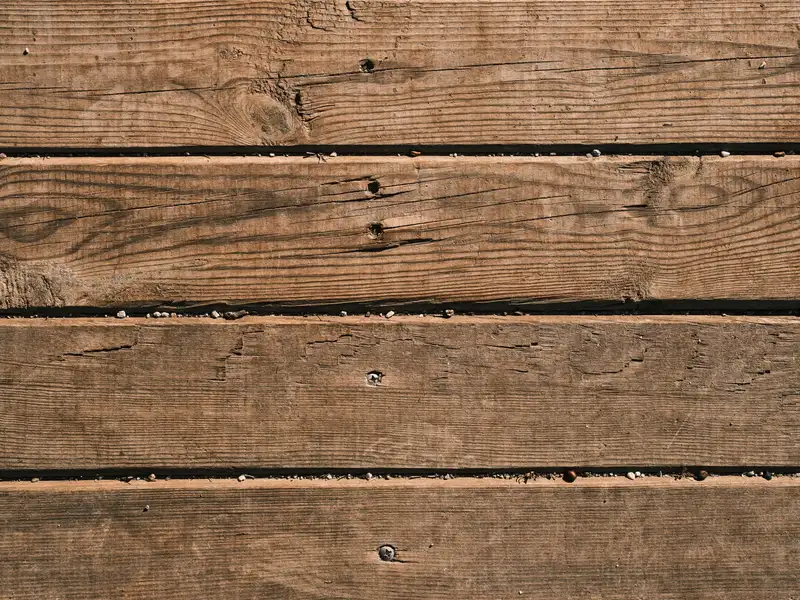
Joints in a hard floor
Hard floor joints in new construction may have small gaps allowing animal entry and concealing fleas.
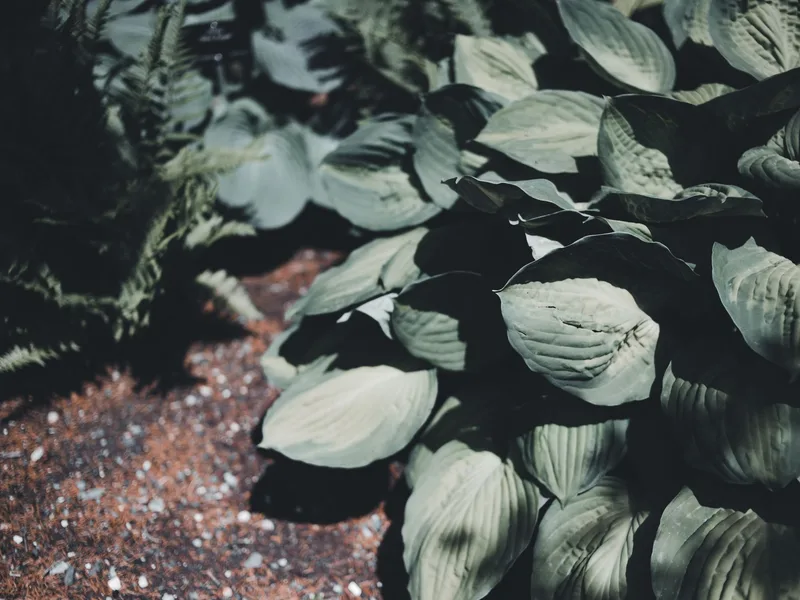
Damp shade outdoors
Damp shade under newly planted garden trees provides ideal flea habitat through the hot summer.
How we work
-
1
Inspect and confirm
We confirm it is fleas rather than another biting insect, and fix the animal's sleeping points, its routes and the shaded ground outside. Where there is no animal in the house, we look for the host they came from.
-
2
Treat the floors and soft furnishings
A residual with an insect growth regulator, worked into the carpet base, the floor and wall junction and the edges under furniture. The regulator stops a larva becoming an adult, which is what breaks the cycle.
-
3
The host and the shade outside
We treat the shaded ground and the outdoor lying spots, and we agree with you that the animal's veterinary treatment happens on the same day, because any host left out of the job re-seeds the floor.
-
4
Vacuuming, then the follow-up visit
Repeated vacuuming vibrates the floor and draws the pupae out onto a treated surface. We come back about two weeks later to take the emerged generation before it lays.
What flea control includes
-

Confirmation before anything is applied
Telling a flea bite from the alternatives, and fixing the resting places and the centre of the infestation.
-

Carpet base and floor line treatment
A residual and a growth regulator worked down into the pile and under furniture edges, not laid across the visible surface.
-

Shade and damp outdoors
The shaded patches by entrances and around drains and taps, the only ground outside where larvae survive.
-

The source when there is no pet
Stray cats sheltering under an outside stair, or rodents in the voids, each handled on a different footing.
-

The vacuum schedule and aftercare
When to vacuum, how to empty the machine, and why the carpet is not steam cleaned afterwards. Ventilation time we give you on the call, because it changes with the product and the space.
-

A follow-up timed to emergence
A date about two weeks on, timed to the pupae leaving the cocoons, and re-treatment of any room where fresh bites are still starting.
Landmarks of Ghulail
New villas in Ghulail are accessed via Al Mahjar Street or Omar Al Mutawa Street from the north, with Al Falah Road running south, in the redevelopment zone separating the new orderly neighbourhoods from the old adjoining settlements.
- Al Mahjar Street
- Omar Al Mutawa Street
- Al Falah Road
Questions about this district
The land was slums before. Are fleas buried in the soil?
Animals inhabited the slums and carried fleas. Pupae may sleep in the soil and awaken when the land is disturbed.
During construction and deep foundation digging, do animals and fleas emerge from the ground?
Deep excavation for foundations may disturb rat colonies and small animals underground. These creatures emerge to the surface and enter the new villas.
Adjoining neighbourhoods are old and not redeveloped yet. Do animals from there enter our new villa?
Yes, stray animals from old adjacent neighbourhoods enter new villas seeking water and food.
The new villa is beside the old Omar Al Mutawa Street. Do fleas come from that old street?
The old street was part of the slum area. Fleas from animals that lived there may remain in the ground beneath the street.
Is one treatment enough for a villa built on newly redeveloped land?
One treatment kills fleas from an entering animal. But animals from adjoining old neighbourhoods may enter later. We may inspect after a week.
Construction continues around our home. Does ongoing building increase animals and fleas?
Ongoing construction and excavation disturb ground animals. Some nearby building sites may remain open for weeks, sheltering strays.
How much does flea control in Ghulail cost?
It is set after the inspection, because the price follows the type of infestation, the size of the space, how far it has spread and the number of visits it needs. Send a photo and a description on WhatsApp and we will give you an estimate before we reach Ghulail.
Nearby districts we cover
Other services in Ghulail
Other services we provide to residents of Ghulail.
-
 Residential
Cockroach control
Residential
Cockroach control
-
 Residential
Bed bug control
Residential
Bed bug control
-
 Residential
Termite control
Residential
Termite control
-
 Residential
Rodents and mice
Residential
Rodents and mice
-
 Residential
Mosquito control
Residential
Mosquito control
-
 Residential
Fly control
Residential
Fly control
-
 Residential
Ant control
Residential
Ant control
-
 Residential
Gecko control
Residential
Gecko control
-
 Residential
Scorpion control
Residential
Scorpion control
-
 Residential
Snake control
Residential
Snake control
-
 Residential
Bird and pigeon control
Residential
Bird and pigeon control
-
 Residential
Preventive treatment
Residential
Preventive treatment
-
 Residential
Disinfection
Residential
Disinfection
-
 Commercial
Annual contracts
Commercial
Annual contracts
-
 Commercial
Restaurants and cafes
Commercial
Restaurants and cafes
-
 Commercial
Hotels and apartments
Commercial
Hotels and apartments
-
 Commercial
Warehouses and factories
Commercial
Warehouses and factories
-
 Commercial
Schools and nurseries
Commercial
Schools and nurseries
-
 Commercial
Retail and malls
Commercial
Retail and malls
-
 Commercial
Rest houses and farms
Commercial
Rest houses and farms
-
 Commercial
Fumigation
Commercial
Fumigation
-
 Water tanks
Water tank cleaning
Water tanks
Water tank cleaning
-
 Water tanks
Water tank sterilization
Water tanks
Water tank sterilization
-
 Water tanks
Water tank sealing
Water tanks
Water tank sealing
-
 Water tanks
Tank leak repair
Water tanks
Tank leak repair
Need flea control in Ghulail? Tell us what you saw and we will tell you what it needs
We reach Ghulail at a time we agree, and you get the full cost before we start.