
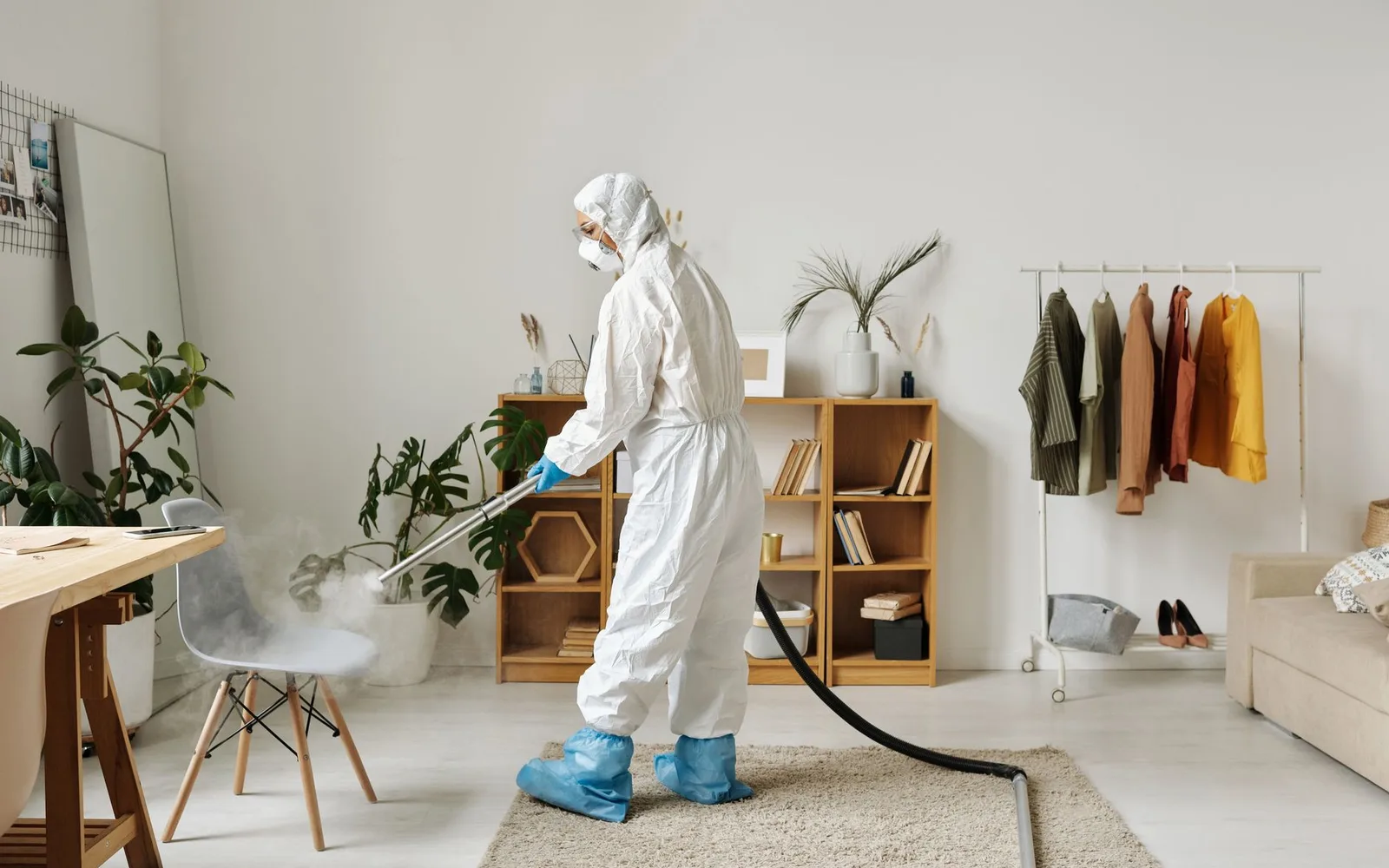
Flea control in West Al Baghdadiyah Jeddah
West Al Baghdadiyah is the seaward half of Baghdadiyah, fronting the Arbaeen lagoon between Madinah Road and Port Bridge Road, a short distance from Al Hamra Corniche and historic Jeddah. Apartment buildings and older mid-century blocks stand on low, flat coastal ground near the water. High sea humidity and salt-laden air keep timber and plaster damp year-round, and the aged buildings are full of cracks and service gaps where fleas shelter. This is ideal flea habitat sustained by moisture and nearness to water.
-
Targeted, not broadcast
Product goes into cracks and runways, never sprayed across open surfaces.
-
Told before we start
What we will use, where it goes, and what to cover or move before we arrive.
-
A follow-up visit
We return after the first treatment, because what survives it does not show on the day.
-
Homes and businesses
Apartments and villas, and kitchens and stores that need a record of each visit.
Why they keep coming back in West Al Baghdadiyah
High coastal humidity and salt air keep timber, plaster and foundations damp for most of the year, and cracks in older buildings provide natural flea shelter and breeding habitat. The method is set out in full on Flea control in detail.
High coastal humidity and salt air throughout the year
Nearness to the sea and lagoon keeps humidity high and salt-laden air damps timber and render consistently. This extended moisture supports the flea life cycle all twelve months, with no seasonal relief.
Aged buildings with numerous cracks and voids
Apartment blocks and mixed buildings dating from mid century are full of horizontal cracks at foundation level and gaps around old plumbing runs. These are ideal flea harbours and breeding refuges.
Low flat coastal ground and standing rainwater
Low lying ground near the lagoon retains rainwater in streets and floor joints, and this moisture wicks upward into foundations and floor structures, keeping them perpetually damp.
The character of West Al Baghdadiyah
Coastal area: high humidity and salt air through the year
In a coastal area, high year-round humidity and salt air mean fleas remain active throughout all seasons and their life cycle is extended. Your treatment must focus on cracks and voids in the old building structure, not on open surfaces or gardens.
The resting places map the infestation
A coastal zone on low flat ground east of Arbaeen Lagoon and the Al Hamra corniche, between Madinah Road and Port Bridge Road, with older apartment and mixed blocks dating from the mid twentieth century.
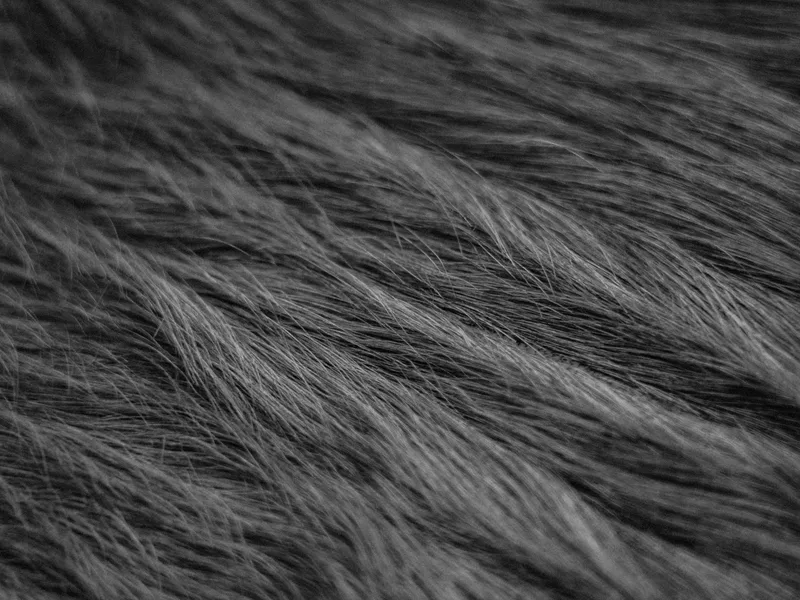
The base of the carpet
Carpet bases in old coastal flats retain chronic moisture from salt air and small seeps in aged building fabric, creating persistent damp refuges for flea pupae.
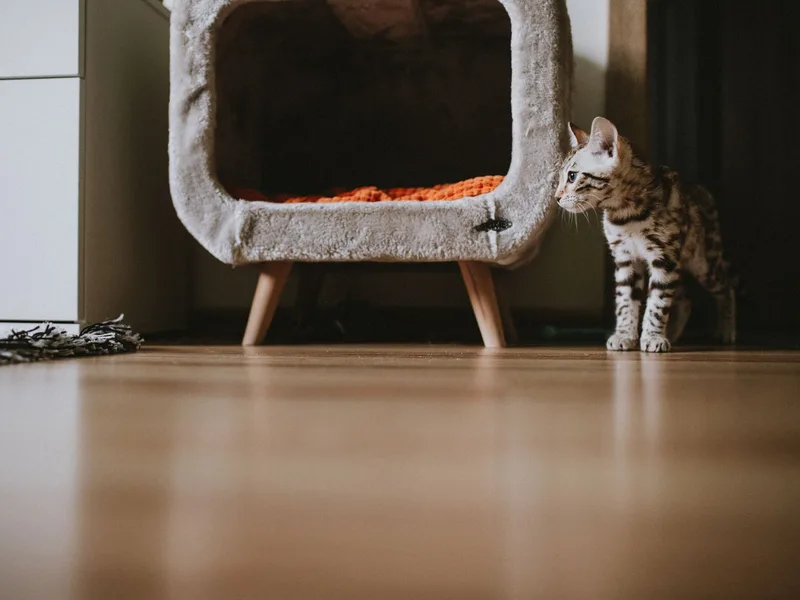
Where the animal sleeps
Your pet rests on a balcony overlooking the lagoon or corniche, or in older flats may rest indoors in the dampest corners where humidity is highest.
Flea dirt
Flea dirt concentrates in gaps around pipes and in horizontal cracks in the aged building structure far more than in open areas, because the cracks trap moisture and protect cocoons.
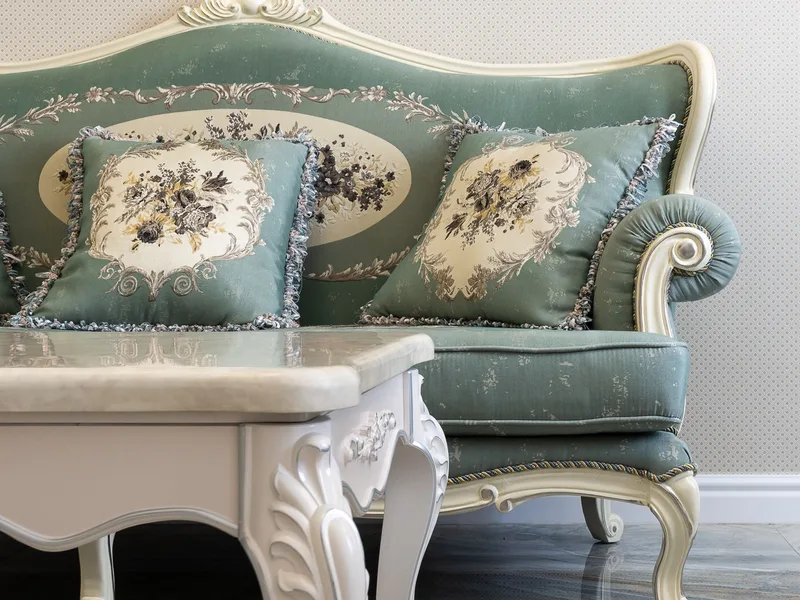
Furniture edges and upholstery
Furniture edges and fabrics near balconies and windows facing the lagoon provide damp harbour spots where fleas establish colonies in the humid air.
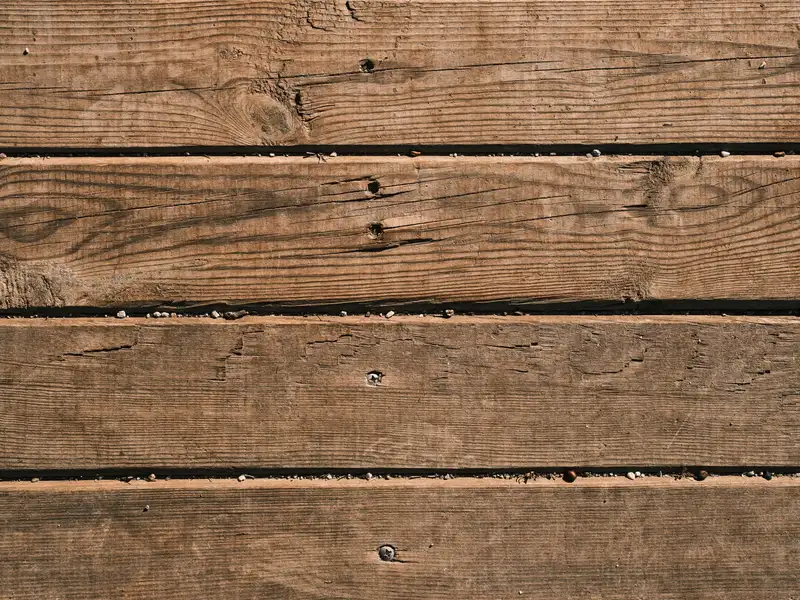
Joints in a hard floor
Seams in hard floors in aged buildings are heavily cracked and retain moisture from salt air and rain, creating persistent wet refuges for flea pupae and adults.
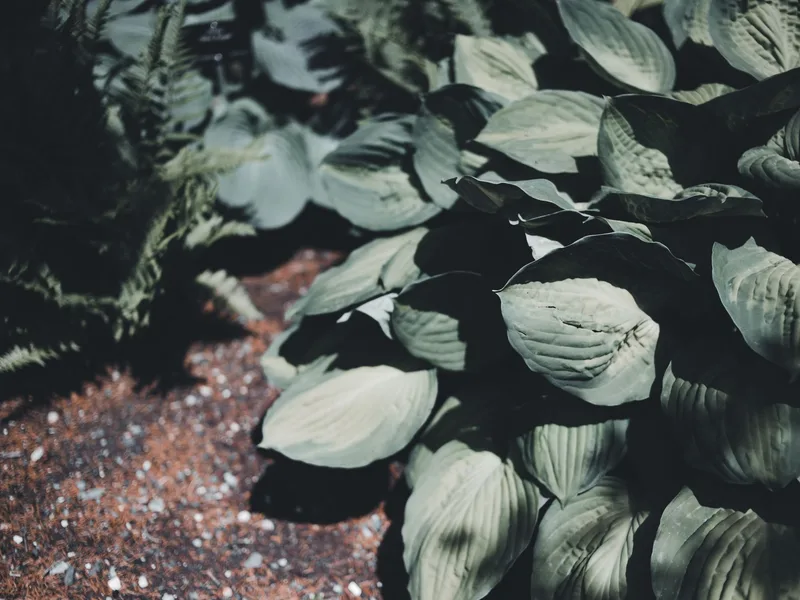
Damp shade outdoors
Damp shade outdoors in corners near the lagoon and corniche provides permanent flea shelter because of year-round high humidity and standing water in nearby streets.
How we work
-
1
Inspect and confirm
We confirm it is fleas rather than another biting insect, and fix the animal's sleeping points, its routes and the shaded ground outside. Where there is no animal in the house, we look for the host they came from.
-
2
Treat the floors and soft furnishings
A residual with an insect growth regulator, worked into the carpet base, the floor and wall junction and the edges under furniture. The regulator stops a larva becoming an adult, which is what breaks the cycle.
-
3
The host and the shade outside
We treat the shaded ground and the outdoor lying spots, and we agree with you that the animal's veterinary treatment happens on the same day, because any host left out of the job re-seeds the floor.
-
4
Vacuuming, then the follow-up visit
Repeated vacuuming vibrates the floor and draws the pupae out onto a treated surface. We come back about two weeks later to take the emerged generation before it lays.
What flea control includes
-

Confirmation before anything is applied
Telling a flea bite from the alternatives, and fixing the resting places and the centre of the infestation.
-

Carpet base and floor line treatment
A residual and a growth regulator worked down into the pile and under furniture edges, not laid across the visible surface.
-

Shade and damp outdoors
The shaded patches by entrances and around drains and taps, the only ground outside where larvae survive.
-

The source when there is no pet
Stray cats sheltering under an outside stair, or rodents in the voids, each handled on a different footing.
-

The vacuum schedule and aftercare
When to vacuum, how to empty the machine, and why the carpet is not steam cleaned afterwards. Ventilation time we give you on the call, because it changes with the product and the space.
-

A follow-up timed to emergence
A date about two weeks on, timed to the pupae leaving the cocoons, and re-treatment of any room where fresh bites are still starting.
Landmarks of West Al Baghdadiyah
West Al Baghdadiyah is bounded by Arbaeen Lagoon to the east and Al Hamra Corniche to the north, which define your location in the coastal zone. Your treatment focuses on the flat entry, the gaps around windows facing the lagoon and corniche, and the seals around pipes and service penetrations where the building meets the high-humidity coastal environment.
- Arbaeen Lagoon
- Al Hamra Corniche
- Madinah Road
- Port Bridge Road
- Al Juffali Mosque
Questions about this district
My flat is very old and near the sea, does humidity speed up fleas?
Yes. High humidity extends the flea life cycle and increases breeding rate. We focus on treating cracks and gaps around pipes with strong penetrating residual.
The walls are damp from salt air, does this reduce pesticide effectiveness?
Humidity slows the spray drying rate but does not reduce efficacy. We apply slightly higher doses in coastal buildings to account for the moisture.
These old buildings are full of cracks, where exactly do fleas hide?
Fleas shelter in gaps around pipes, in horizontal cracks at foundation level and under the floor structure. We inject residual directly into these refuges and seal major cracks.
Does the salt in the air kill fleas?
No, salt does not affect fleas. The high humidity created by salt air actually provides ideal flea conditions.
My flat faces the lagoon directly, do fleas come from the water?
Fleas do not come from water itself, but rodents and wildlife sheltering around the lagoon may carry fleas into nearby buildings.
Old buildings may harbour fleas in the soil beneath, how do I treat?
We focus on treating the floor, seams and edges, and inject residual into gaps around the foundation. We cannot treat the soil itself, but we seal the entry points.
How much does flea control in West Al Baghdadiyah cost?
It is set after the inspection, because the price follows the type of infestation, the size of the space, how far it has spread and the number of visits it needs. Send a photo and a description on WhatsApp and we will give you an estimate before we reach West Al Baghdadiyah.
Nearby districts we cover
Other services in West Al Baghdadiyah
Other services we provide to residents of West Al Baghdadiyah.
-
 Residential
Cockroach control
Residential
Cockroach control
-
 Residential
Bed bug control
Residential
Bed bug control
-
 Residential
Termite control
Residential
Termite control
-
 Residential
Rodents and mice
Residential
Rodents and mice
-
 Residential
Mosquito control
Residential
Mosquito control
-
 Residential
Fly control
Residential
Fly control
-
 Residential
Ant control
Residential
Ant control
-
 Residential
Gecko control
Residential
Gecko control
-
 Residential
Scorpion control
Residential
Scorpion control
-
 Residential
Snake control
Residential
Snake control
-
 Residential
Bird and pigeon control
Residential
Bird and pigeon control
-
 Residential
Preventive treatment
Residential
Preventive treatment
-
 Residential
Disinfection
Residential
Disinfection
-
 Commercial
Annual contracts
Commercial
Annual contracts
-
 Commercial
Restaurants and cafes
Commercial
Restaurants and cafes
-
 Commercial
Hotels and apartments
Commercial
Hotels and apartments
-
 Commercial
Warehouses and factories
Commercial
Warehouses and factories
-
 Commercial
Schools and nurseries
Commercial
Schools and nurseries
-
 Commercial
Retail and malls
Commercial
Retail and malls
-
 Commercial
Rest houses and farms
Commercial
Rest houses and farms
-
 Commercial
Fumigation
Commercial
Fumigation
-
 Water tanks
Water tank cleaning
Water tanks
Water tank cleaning
-
 Water tanks
Water tank sterilization
Water tanks
Water tank sterilization
-
 Water tanks
Water tank sealing
Water tanks
Water tank sealing
-
 Water tanks
Tank leak repair
Water tanks
Tank leak repair
Need flea control in West Al Baghdadiyah? Tell us what you saw and we will tell you what it needs
We reach West Al Baghdadiyah at a time we agree, and you get the full cost before we start.