
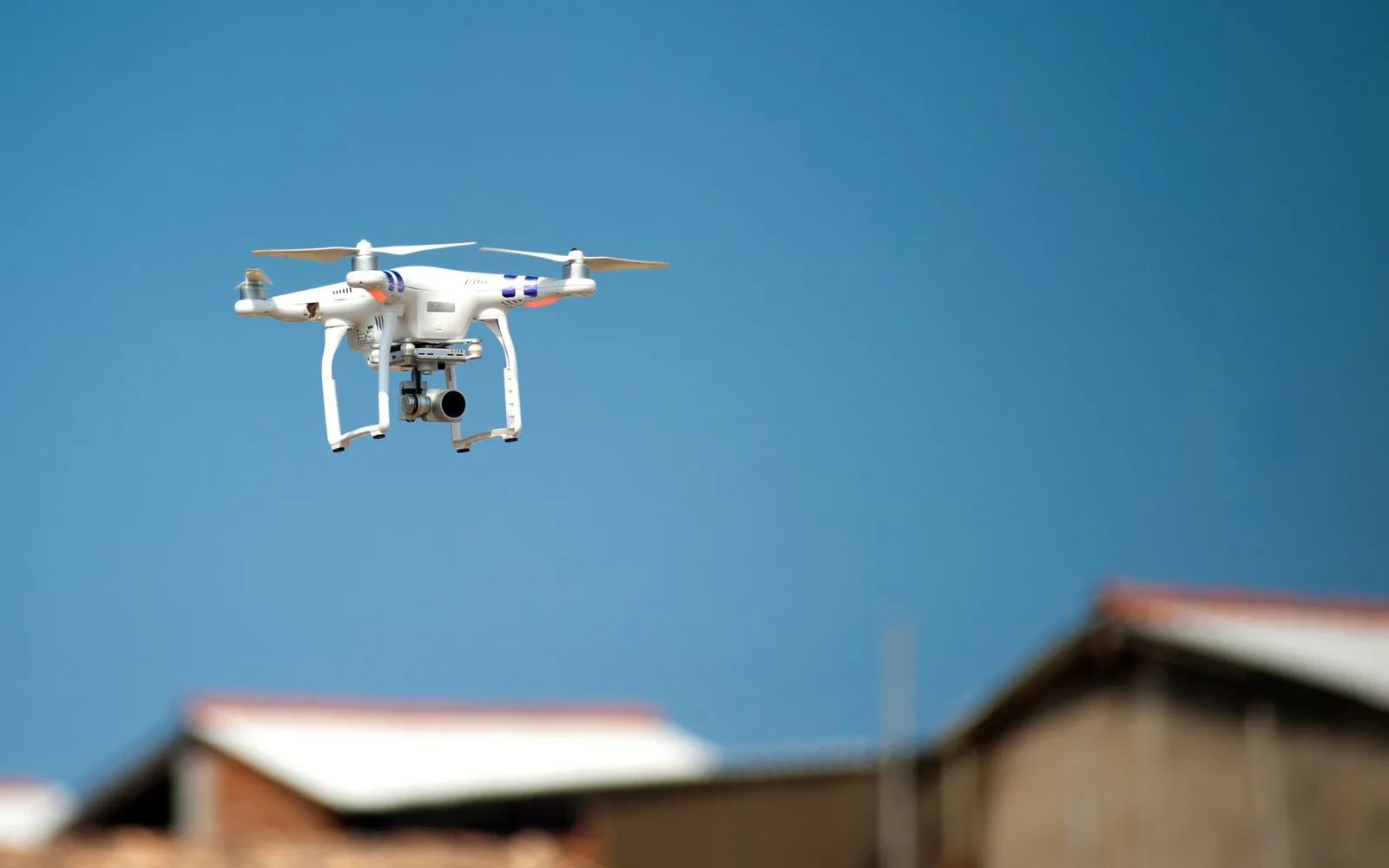
Fly control in Al Hamra Jeddah
Al Hamra is an established upmarket district on the Red Sea shore, where high humidity and salt air year round make it paradise for the blow fly. Restaurants, cafes and hotels on the Corniche store food in shared kitchens and aging refrigeration close to the water, and moisture never stops. The flies breed here in perfect conditions.
-
Targeted, not broadcast
Product goes into cracks and runways, never sprayed across open surfaces.
-
Told before we start
What we will use, where it goes, and what to cover or move before we arrive.
-
A follow-up visit
We return after the first treatment, because what survives it does not show on the day.
-
Homes and businesses
Apartments and villas, and kitchens and stores that need a record of each visit.
Why they keep coming back in Al Hamra
Humidity stays high even in winter, salt air corrodes metal fast, and the blow fly prefers this climate to anywhere else in Jeddah. The method is set out in full on our Fly control service.
Continuous moisture on coastal surfaces
Salt air and humidity keep surfaces damp through the night. The blow fly needs moisture to breed, and here it finds it all day. Eggs hatch faster and pupae mature in weeks instead of longer cycles in drier zones.
Coastal restaurant kitchens and leaking refrigeration
Restaurants and hotels on the Corniche have small or shared kitchens, and old refrigeration and pipework leaks. Stagnant salt water pooled in gaps under ground floors creates the perfect breeding environment.
Walls and surfaces saturated by salt spray
Salt and moisture make outer walls and surfaces perpetually damp, and flies rest on them during midday because they are cool and safe. Surface treatment slides off wet substrate.
Al Hamra on the map
Al Hamra sits about 3.5 km from Al Andalus and about 3.5 km from Mushrifah.
Open in Google MapsWhere the flies are actually coming from
Coastal waterfront location on the Red Sea, restaurants, cafes, hotels and luxury homes, very high humidity throughout the year, especially near the Corniche waterfront.
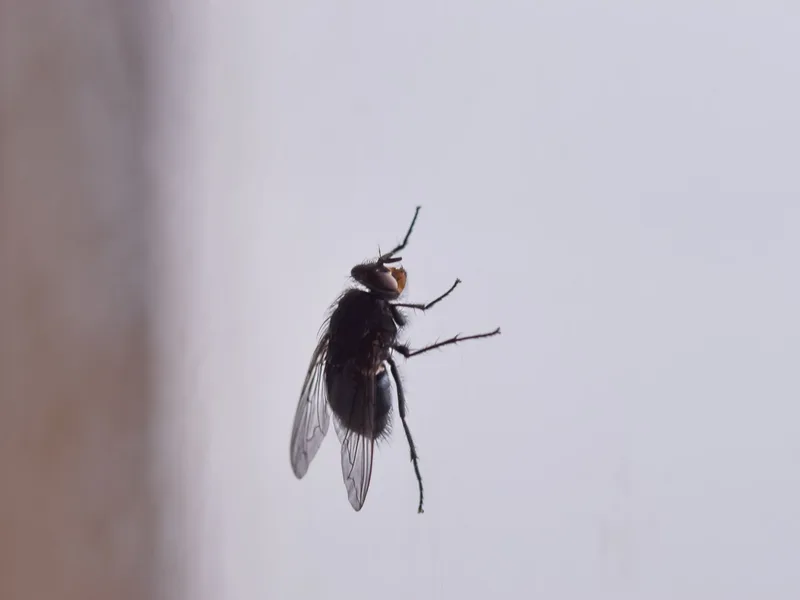
House fly
The house fly breeds in stagnant water and salt water leaking from refrigeration units, and rests on damp walls and surfaces near food.
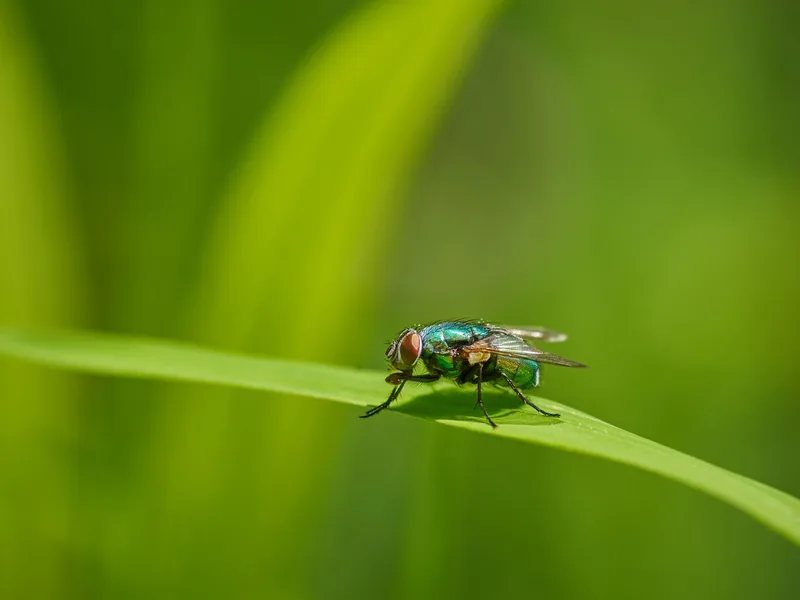
Blow fly
The blow fly lives on damp coastal surfaces, feeds on exposed food in restaurants and cafes, and breeds rapidly in high humidity.
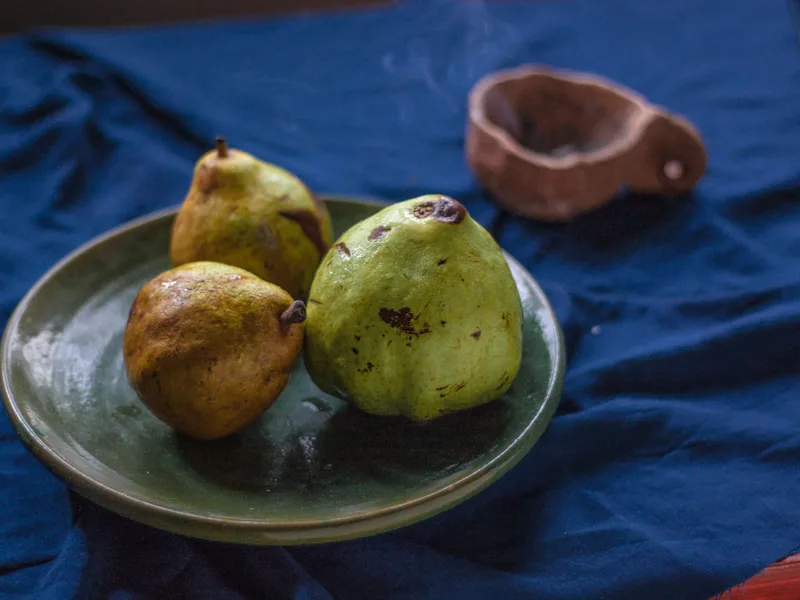
Fermenting residue
Food waste from restaurants and cafes decomposes quickly in moisture, and salt water stored in refrigerators becomes an effective breeding ground.
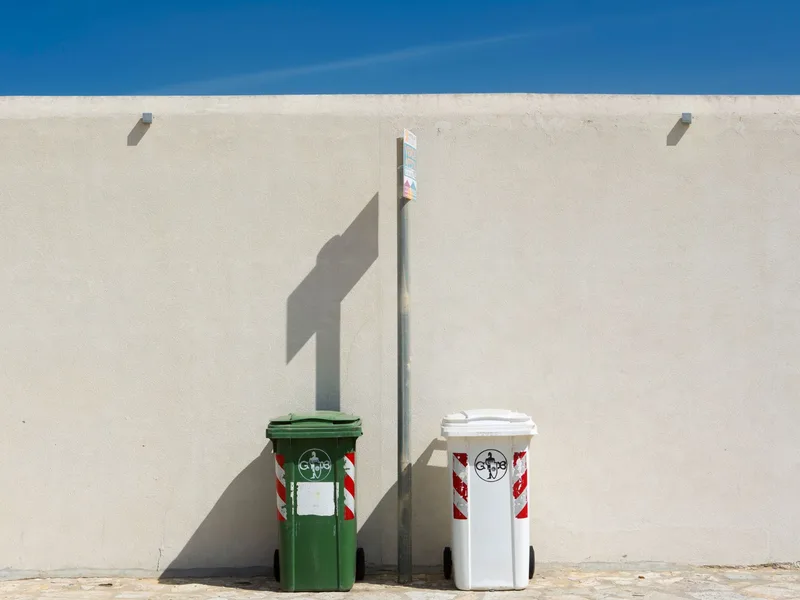
The bin base
The shared bin base collects moisture, salt and waste, and the damp climate prevents drying even in summer.
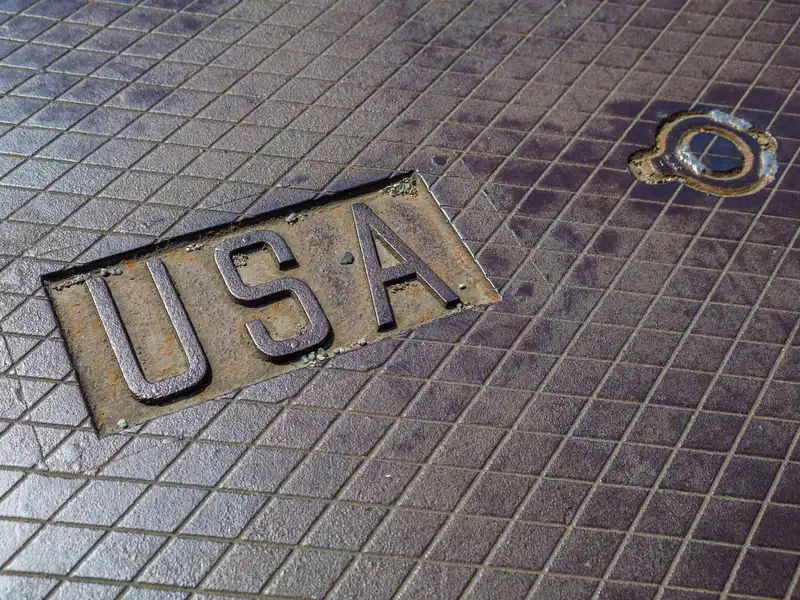
The film inside a drain
Biofilm develops fast in pipes and saltwater refrigerators, and high humidity gives bacteria and fly larvae ideal living conditions.
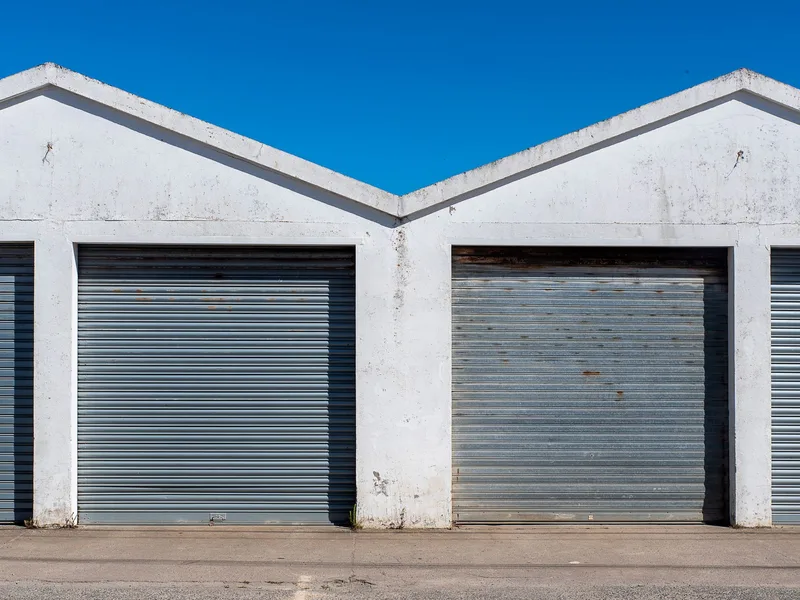
The service door and its mesh
Hotel and restaurant doors stand open for customers, and windows and gaps allow constant fly entry from the Corniche and water.
How we work
-
1
Inspect and trace the source
We trace the flies back to their medium: waste and the bin area, floor traps, drain runs and any standing organic wetness, and we identify the species from its size, its flight and where it settles.
-
2
Treat the breeding medium
Washing and scouring bin bases and floor traps, and a foam that treats the film inside the pipe, because removing the medium is the only thing that stops production.
-
3
Treat the resting surfaces
A fly spends most of its time settled on ceilings, cables, the tops of walls and the sunlit wall outside the door, and that is where the residual and the bait go, not into the air.
-
4
Proofing and the follow-up
We close the ways in and sort out the screens and the doors, then come back on a date matching the emergence of the pupae that were already in the medium on the first visit.
What fly control includes
-

A source tracing inspection
The species, the breeding medium and the route in, established before anything is applied.
-

Drains and floor traps
Scouring the film stuck inside the pipe and treating it with foam, which is where drain flies come from and almost nowhere else.
-

Residual on the resting surfaces
Ceilings, cables, the tops of walls and the sunlit wall outside the door, kept off food preparation surfaces.
-

Fly bait in protected positions
An attractant bait set at bin areas and service entrances, out of reach of children and pets and away from food.
-

Aftercare instructions
Ventilation, what to cover, and what needs a screen, an air curtain or a different waste routine.
-

A scheduled follow-up
A set date matching the emergence of the pupae, and re-treatment of any source still producing.
The character of Al Hamra
Coastal area: high humidity and salt air through the year
Upmarket coastal districts combine fine restaurants with high humidity and salt water proximity, which means blow flies will always be present. Treatment here needs regular repetition and continuous protection of doors and windows to hold the problem down.
Questions about this district
Why does the blow fly prefer Al Hamra to the rest of Jeddah?
Salt spray and moisture in the air give it perfect breeding conditions. The blow fly needs high humidity, which it finds here year round, especially near the waterfront.
Do wet walls stop treatment from working?
Wet walls reduce surface treatment effectiveness. We use products that cure on damp substrate, but cleaning and drying before treatment gives much better results.
Are Corniche restaurants harder to treat than others?
Yes, because coastal kitchens combine food, high humidity and salt water, which means extraordinary breeding conditions. Treatment needs to be repeated more often.
Do flies hide in salt-crusted wall cracks?
Yes, salt builds up in wall and surface cracks, and flies shelter there during heat hours. We need to clean and disinfect these cracks before treatment starts.
Are old refrigeration units and pipes causing the fly problem?
Yes, if they leak. Stagnant warm water is an ideal breeding ground. Inspecting units and pipes and making necessary repairs cuts the problem sharply.
Is hotel treatment different from home treatment in Al Hamra?
Yes. Hotels have commercial kitchens and larger food storage. Treatment covers kitchen, refrigerators and pipework, and work must be coordinated with hotel management.
How much does fly control in Al Hamra cost?
It is set after the inspection, because the price follows the type of infestation, the size of the space, how far it has spread and the number of visits it needs. Send a photo and a description on WhatsApp and we will give you an estimate before we reach Al Hamra.
Nearby districts we cover
Other services in Al Hamra
Other services we provide to residents of Al Hamra.
-
 Residential
Cockroach control
Residential
Cockroach control
-
 Residential
Bed bug control
Residential
Bed bug control
-
 Residential
Termite control
Residential
Termite control
-
 Residential
Rodents and mice
Residential
Rodents and mice
-
 Residential
Mosquito control
Residential
Mosquito control
-
 Residential
Ant control
Residential
Ant control
-
 Residential
Gecko control
Residential
Gecko control
-
 Residential
Scorpion control
Residential
Scorpion control
-
 Residential
Snake control
Residential
Snake control
-
 Residential
Flea control
Residential
Flea control
-
 Residential
Bird and pigeon control
Residential
Bird and pigeon control
-
 Residential
Preventive treatment
Residential
Preventive treatment
-
 Residential
Disinfection
Residential
Disinfection
-
 Commercial
Annual contracts
Commercial
Annual contracts
-
 Commercial
Restaurants and cafes
Commercial
Restaurants and cafes
-
 Commercial
Hotels and apartments
Commercial
Hotels and apartments
-
 Commercial
Warehouses and factories
Commercial
Warehouses and factories
-
 Commercial
Schools and nurseries
Commercial
Schools and nurseries
-
 Commercial
Retail and malls
Commercial
Retail and malls
-
 Commercial
Rest houses and farms
Commercial
Rest houses and farms
-
 Commercial
Fumigation
Commercial
Fumigation
-
 Water tanks
Water tank cleaning
Water tanks
Water tank cleaning
-
 Water tanks
Water tank sterilization
Water tanks
Water tank sterilization
-
 Water tanks
Water tank sealing
Water tanks
Water tank sealing
-
 Water tanks
Tank leak repair
Water tanks
Tank leak repair
Need fly control in Al Hamra? Tell us what you saw and we will tell you what it needs
We reach Al Hamra at a time we agree, and you get the full cost before we start.