
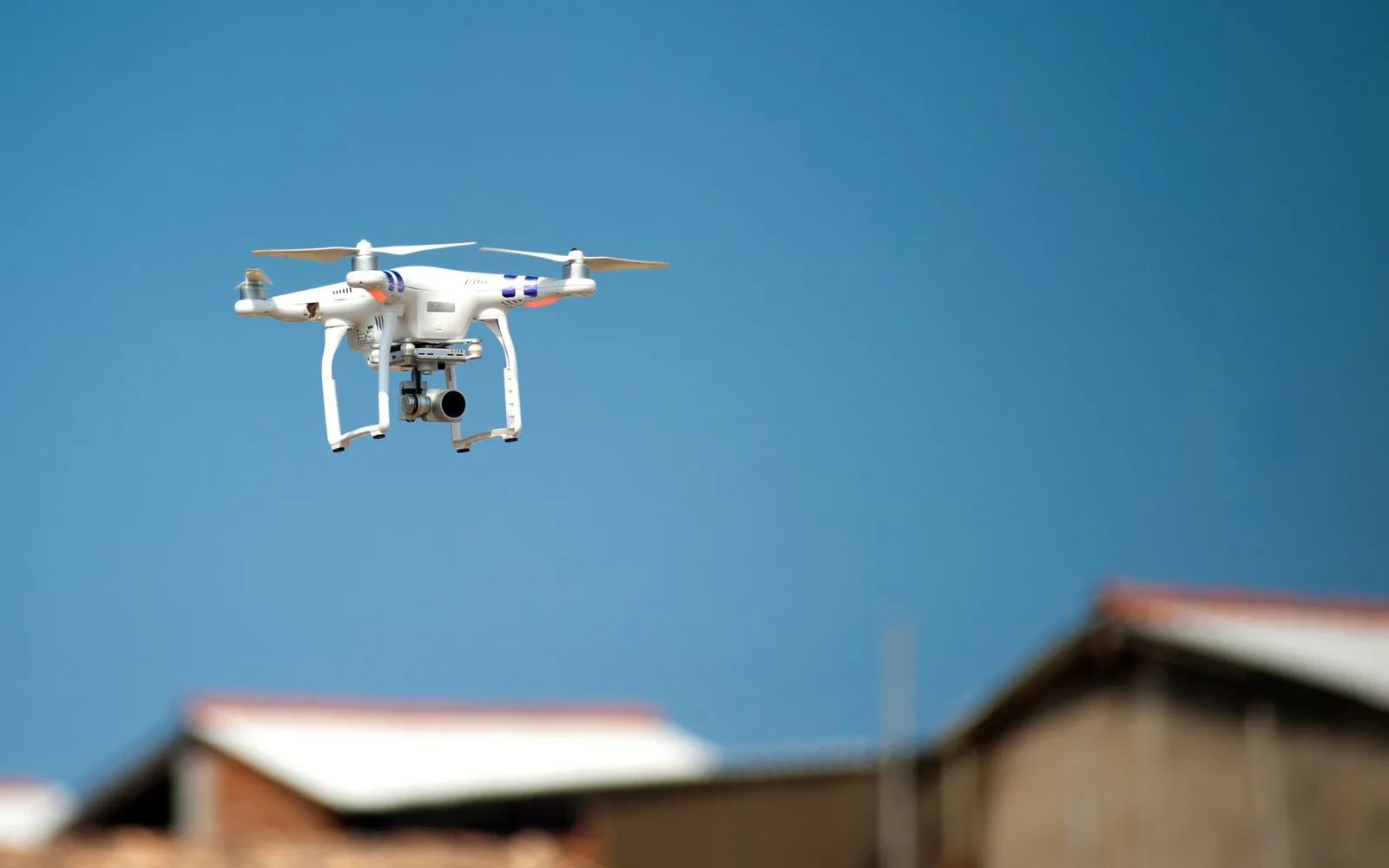
Fly control in Mushrifah Jeddah
Mushrifah is a densely packed apartment district cut through by Makarona Road lined with shops and restaurants, and its medical complexes attract flies relentlessly. The stacked flats and shared entrances make fly control harder because the breeding source may be at a neighbour's unit, and once flies establish themselves upstairs they spread through the entire block.
-
Targeted, not broadcast
Product goes into cracks and runways, never sprayed across open surfaces.
-
Told before we start
What we will use, where it goes, and what to cover or move before we arrive.
-
A follow-up visit
We return after the first treatment, because what survives it does not show on the day.
-
Homes and businesses
Apartments and villas, and kitchens and stores that need a record of each visit.
Why they keep coming back in Mushrifah
The flats are built so close together and share drainage pipework between units, so flies migrate easily from one flat to the next through pipes and shared runs. The method is set out in full on what Fly control involves.
Shared bins and interconnected drainage
Apartment buildings in Mushrifah share waste bins and drainage lines, so treating a single unit is ineffective. We investigate every possible breeding site in shared pipes and bins and treat them all together to cut off the source completely.
Ground floor shops and eateries
The flats are built directly above dense shops and restaurants along Makarona Road, and the fermented grease and food waste from those outlets attract massive fly swarms. Treatment must cover both the shops and the residential floors above them.
Sea humidity and poor air flow
High sea humidity and the tightly packed design of the flats reduces air circulation inside buildings, so flies remain suspended indoors longer. We focus on entry points and damp areas like bathrooms and kitchens where flies breed in condensation.
The character of Mushrifah
Apartment district: residential blocks, repeated floors and shared entrances
Apartment blocks with shared access make fly infestation a collective problem, because one infested unit seeds the rest and the bins and pipes connect them all. Treatment must be coordinated with building management and neighbouring flats to work.
Where the flies are actually coming from
The inland district is surrounded by main roads and tightly packed shops and eating places, with a large number of medical centres and hospitals that generate constant organic waste.
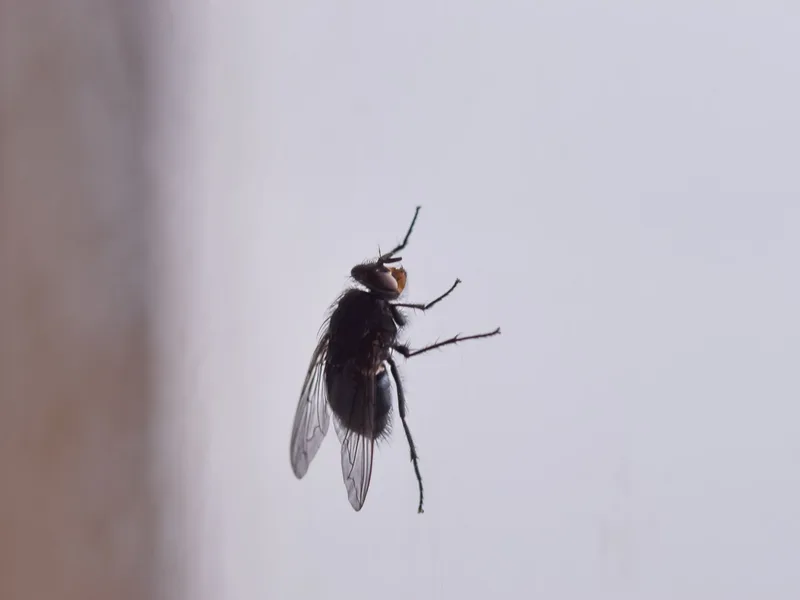
House fly
The house fly breeds rapidly in food waste from the ground floor shops and restaurants, then climbs into the residential flats above through shared drainage pipes.
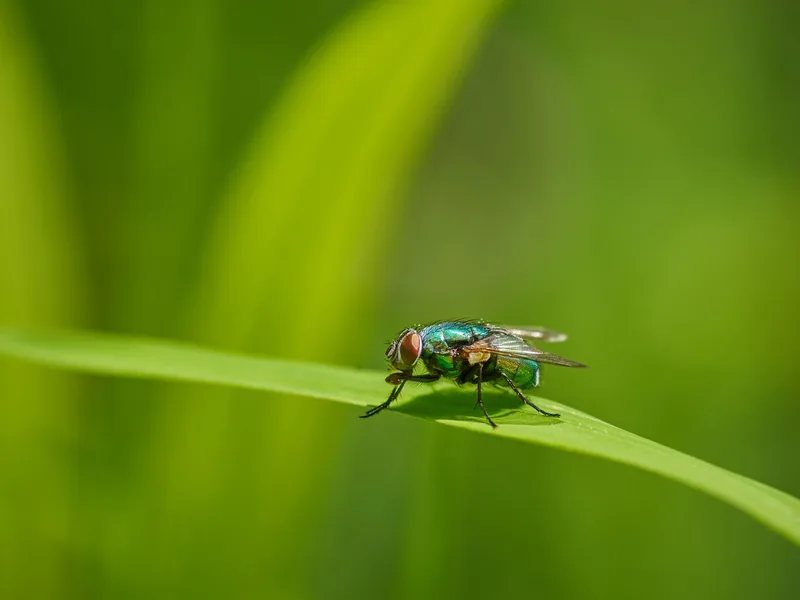
Blow fly
Blow flies arrive in organic waste from shared bins and settle on both the flats and the shops, creating new breeding generations as fast as they are killed.
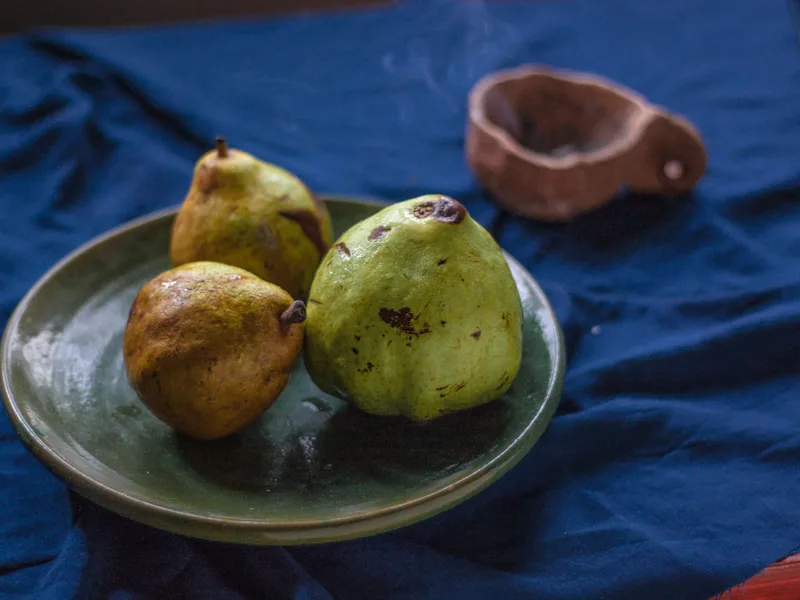
Fermenting residue
Fermented residue in shared waste bins is the primary source, especially under the dense cluster of shops and restaurants, generating thousands of larvae.
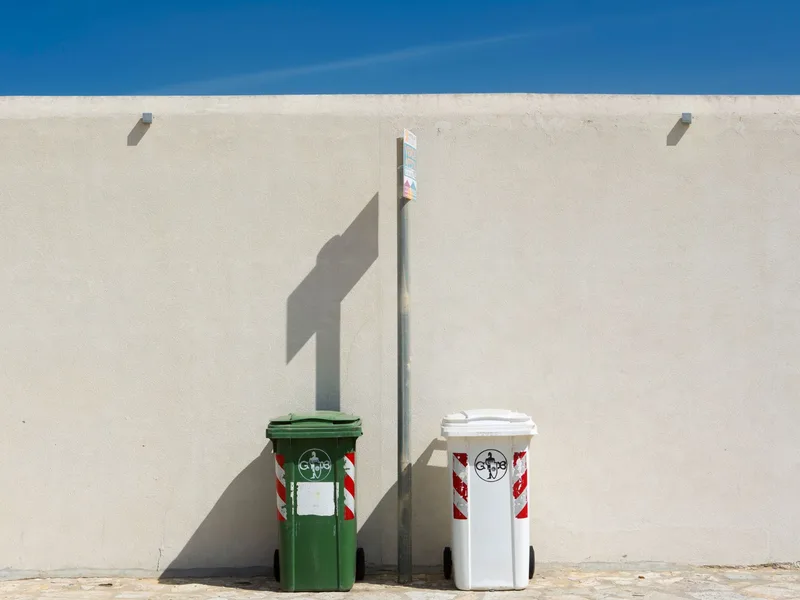
The bin base
The base of the shared bin sits waterlogged with liquid waste and scraps that spawn endless larvae throughout Mushrifah, and cleaning it is essential to break the cycle.
The film inside a drain
The interconnected drainage between flats and shops traps a film of bacteria and organic matter that attracts flies, and flies lay eggs on this film inside the pipes.
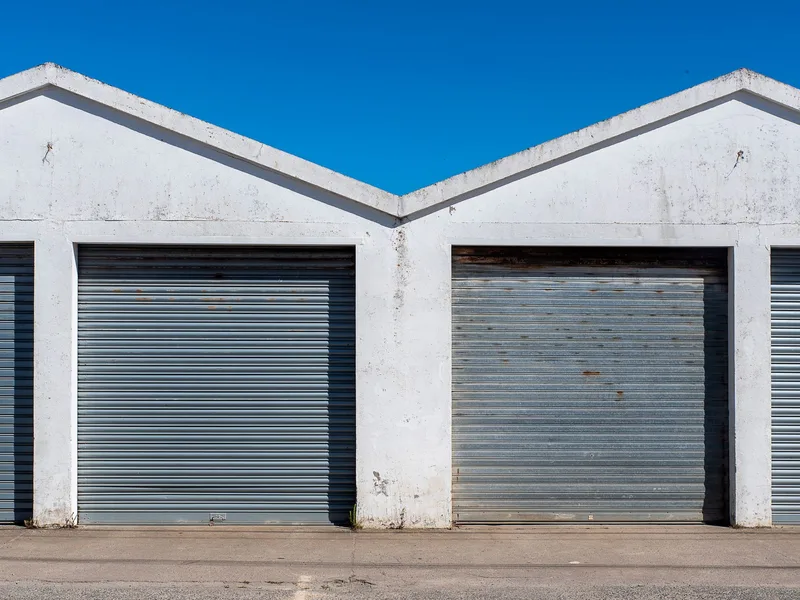
The service door and its mesh
The shop doors, stairwell and mesh screens need fine netting to block flies rising from the ground floors, otherwise they will migrate back up into the residential units.
How we work
-
1
Inspect and trace the source
We trace the flies back to their medium: waste and the bin area, floor traps, drain runs and any standing organic wetness, and we identify the species from its size, its flight and where it settles.
-
2
Treat the breeding medium
Washing and scouring bin bases and floor traps, and a foam that treats the film inside the pipe, because removing the medium is the only thing that stops production.
-
3
Treat the resting surfaces
A fly spends most of its time settled on ceilings, cables, the tops of walls and the sunlit wall outside the door, and that is where the residual and the bait go, not into the air.
-
4
Proofing and the follow-up
We close the ways in and sort out the screens and the doors, then come back on a date matching the emergence of the pupae that were already in the medium on the first visit.
What fly control includes
-

A source tracing inspection
The species, the breeding medium and the route in, established before anything is applied.
-

Drains and floor traps
Scouring the film stuck inside the pipe and treating it with foam, which is where drain flies come from and almost nowhere else.
-

Residual on the resting surfaces
Ceilings, cables, the tops of walls and the sunlit wall outside the door, kept off food preparation surfaces.
-

Fly bait in protected positions
An attractant bait set at bin areas and service entrances, out of reach of children and pets and away from food.
-

Aftercare instructions
Ventilation, what to cover, and what needs a screen, an air curtain or a different waste routine.
-

A scheduled follow-up
A set date matching the emergence of the pupae, and re-treatment of any source still producing.
What is different about Al Aziziyah Sub-Municipality
The Al Aziziyah sub municipality takes in the established heart of northern Jeddah, from the Al Hamra corniche on the Red Sea to Al Rehab east of King Abdullah Road. Its buildings date back decades, mostly mid rise apartment blocks over shops and closely packed restaurants along Makarona Road, Tahliah Street and Palestine Street, alongside villas and hotel towers near the shore. Sea humidity is high in the western districts, plumbing and drainage in the older blocks are ageing, and food outlets, hospitals and irrigated gardens are everywhere, conditions that favour cockroaches, ants, mosquitoes and rodents throughout the year.
Questions about this district
Where exactly do flies get into apartment blocks in Mushrifah?
Flies come up from the shops and restaurants on the ground floor and spread through shared pipes, then climb through lift shafts and stairwells into the flats above. We seal all entry points with fine mesh and treat access routes to prevent re-entry from below.
Why do flies come back after we treated our flat?
If the shop downstairs or the shared bin store is not treated, new flies enter from those sources. A complete building inspection comes first to identify all breeding grounds before treatment starts.
Is treating just our flat enough to stop the flies?
No, because the flies are coming from the shops below and the shared drainage. We treat the flat, the common areas and the nearby food outlets together to eliminate all sources at once.
Is the treatment safe around food and children in a residential flat?
Yes, we use products approved for occupied residential spaces. We ask you to seal food and drink, leave during application, and ventilate well afterwards before the family returns.
How many visits does it take to clear flies from a flat block?
Usually an initial thorough treatment, then a follow up seven days later to catch any larvae that have hatched. Shared sources may need additional passes if they are not sealed or cleaned.
Does the medical complex next to us create extra flies?
Yes, medical centres and clinics are heavy fly sources because of medical waste and clinical rubbish. You may need repeated treatments if the adjacent complex is not also treated.
How much does fly control in Mushrifah cost?
It is set after the inspection, because the price follows the type of infestation, the size of the space, how far it has spread and the number of visits it needs. Send a photo and a description on WhatsApp and we will give you an estimate before we reach Mushrifah.
Nearby districts we cover
Other services in Mushrifah
Other services we provide to residents of Mushrifah.
-
 Residential
Cockroach control
Residential
Cockroach control
-
 Residential
Bed bug control
Residential
Bed bug control
-
 Residential
Termite control
Residential
Termite control
-
 Residential
Rodents and mice
Residential
Rodents and mice
-
 Residential
Mosquito control
Residential
Mosquito control
-
 Residential
Ant control
Residential
Ant control
-
 Residential
Gecko control
Residential
Gecko control
-
 Residential
Scorpion control
Residential
Scorpion control
-
 Residential
Snake control
Residential
Snake control
-
 Residential
Flea control
Residential
Flea control
-
 Residential
Bird and pigeon control
Residential
Bird and pigeon control
-
 Residential
Preventive treatment
Residential
Preventive treatment
-
 Residential
Disinfection
Residential
Disinfection
-
 Commercial
Annual contracts
Commercial
Annual contracts
-
 Commercial
Restaurants and cafes
Commercial
Restaurants and cafes
-
 Commercial
Hotels and apartments
Commercial
Hotels and apartments
-
 Commercial
Warehouses and factories
Commercial
Warehouses and factories
-
 Commercial
Schools and nurseries
Commercial
Schools and nurseries
-
 Commercial
Retail and malls
Commercial
Retail and malls
-
 Commercial
Rest houses and farms
Commercial
Rest houses and farms
-
 Commercial
Fumigation
Commercial
Fumigation
-
 Water tanks
Water tank cleaning
Water tanks
Water tank cleaning
-
 Water tanks
Water tank sterilization
Water tanks
Water tank sterilization
-
 Water tanks
Water tank sealing
Water tanks
Water tank sealing
-
 Water tanks
Tank leak repair
Water tanks
Tank leak repair
Need fly control in Mushrifah? Tell us what you saw and we will tell you what it needs
We reach Mushrifah at a time we agree, and you get the full cost before we start.