
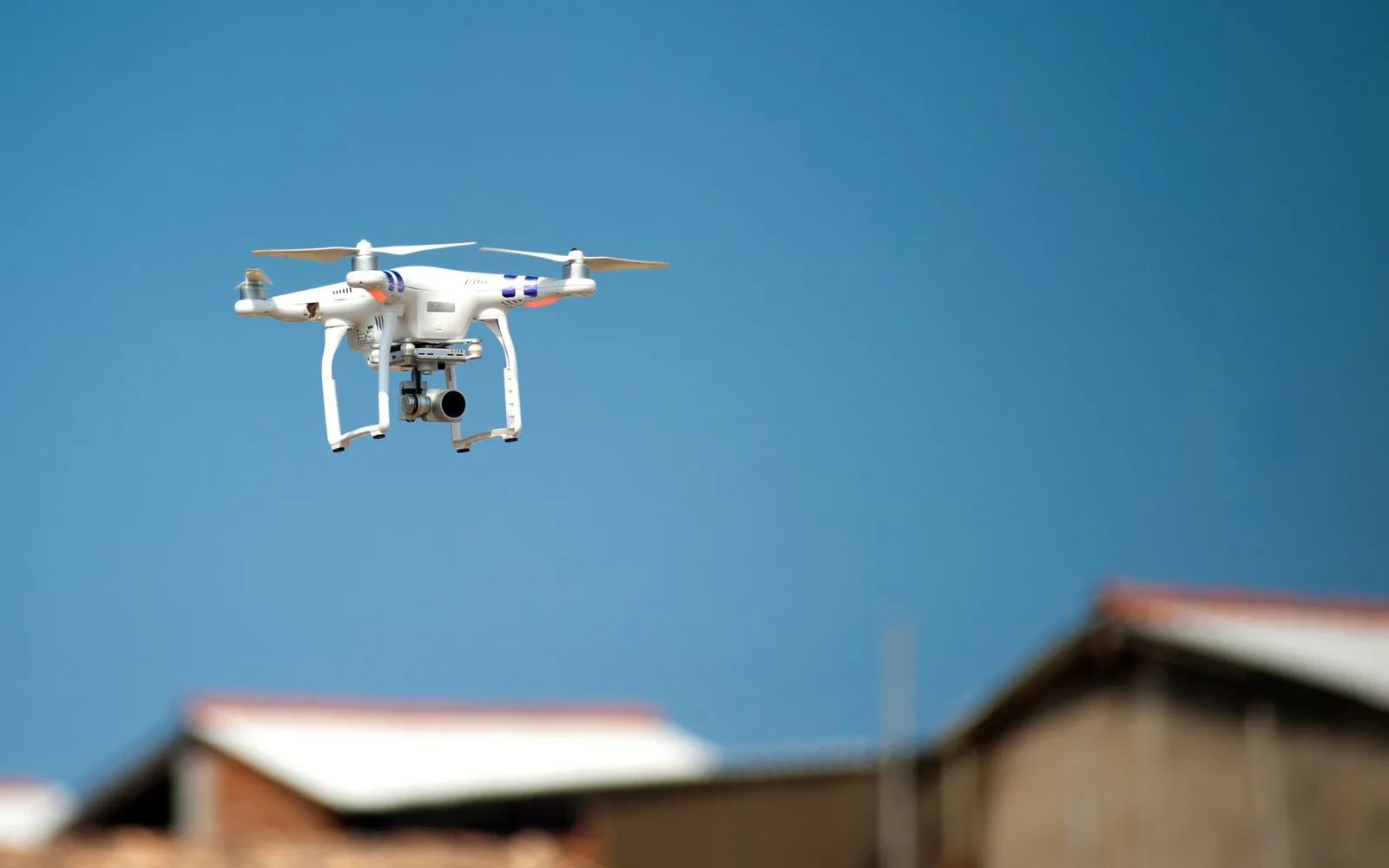
Fly control in Al Hijrah Makkah
Al Hijrah is a dense apartment district south of the Grand Mosque at the foot of Jabal Thawr, with blocks pressed together between the Third and Fourth Ring Roads. Traffic to and from the Haram, nearby Al Noor Hospital and the local markets creates constant foot traffic and exposed food. The mountainside setting and its persistent moisture from the rock, combined with older building stock, make fly control here fundamentally different from the flat neighbourhoods beyond.
-
Targeted, not broadcast
Product goes into cracks and runways, never sprayed across open surfaces.
-
Told before we start
What we will use, where it goes, and what to cover or move before we arrive.
-
A follow-up visit
We return after the first treatment, because what survives it does not show on the day.
-
Homes and businesses
Apartments and villas, and kitchens and stores that need a record of each visit.
Why they keep coming back in Al Hijrah
The mosques, schools and hospital draw people and food-related activity all day, and the narrow lanes between blocks prevent natural air circulation through the buildings. The method is set out in full on what Fly control involves.
Antiquated drains and fissured bedrock beneath the buildings
Drainage here is among the oldest in Makkah, with settled and fractured pipes and persistent moisture wicking up from the mountain. The rock retains dampness year round, and the old foundations are pierced with gaps and cavities where flies shelter and breed.
Proximity to the Haram and markets ensures constant food
Dhat An Nitaqain Street and Al Qadi Road carry pilgrims, patients and shoppers to and from the Haram and commercial strips, and small restaurants and cafes are scattered throughout. Food waste is permanent.
Close-set blocks and poor natural ventilation
Buildings are packed so tightly that narrow alleyways prevent air moving through them. Heat and moisture accumulate, shortening the fly lifecycle dramatically and allowing populations to surge in the stillest parts of the district.
Landmarks of Al Hijrah
Al Hijrah is easily reached from Dhat An Nitaqain Street, which connects the district to the Grand Mosque and adjacent markets. Its proximity to Al Noor Specialist Hospital makes scheduling treatment straightforward, and access via Al Qadi Road provides an alternative building entry point.
- Jabal Thawr
- Cave of Thawr
- Al Noor Specialist Hospital
- Third Ring Road
- Dhat An Nitaqain Street
- Al Bukhari Mosque
Where the flies are actually coming from
The district sits on the slope of Jabal Thawr, and its proximity to the Haram means very old drainage infrastructure and tightly packed apartment blocks with few ventilation gaps.
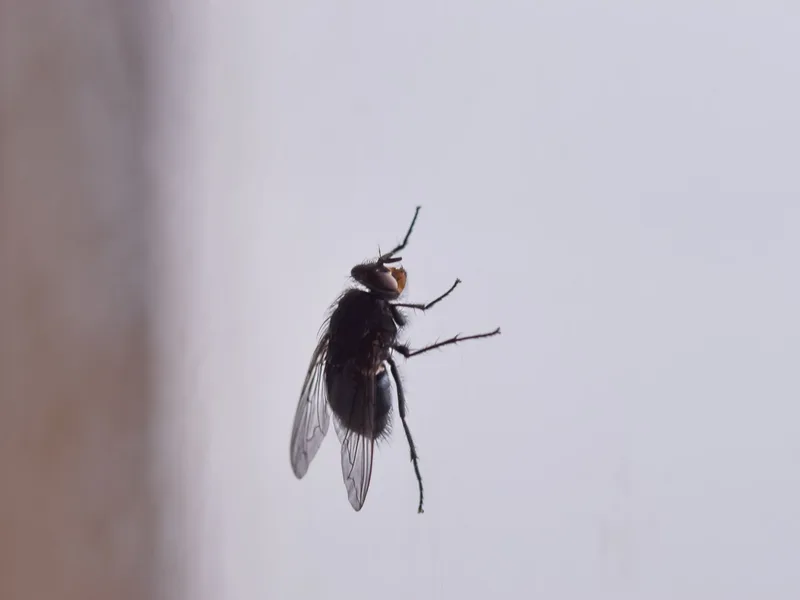
House fly
House flies in Al Hijrah settle on food matter in flats and small cafes scattered through the block, and populations spike when the district is busy with pilgrims and visitors.
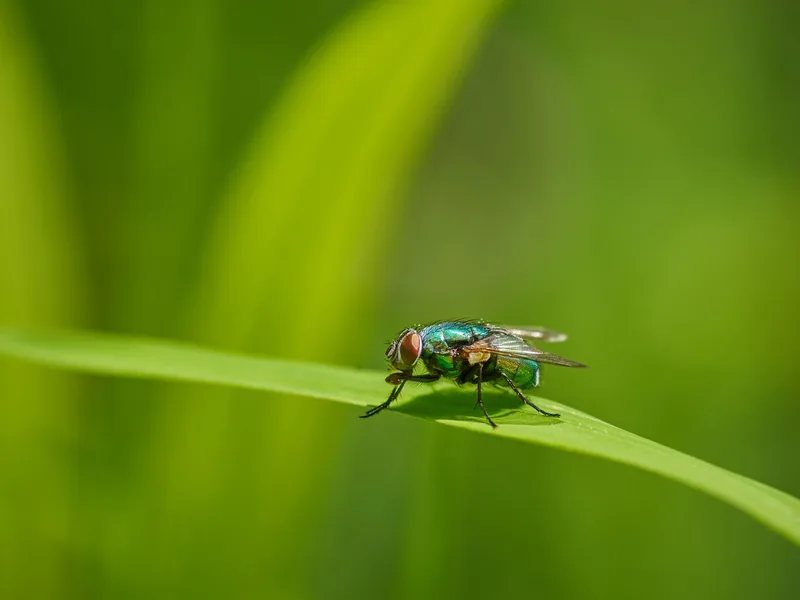
Blow fly
Blow flies are drawn to the high moisture from the mountain slope and the humid bathrooms, and the mountainside setting provides them with ideal shelter.
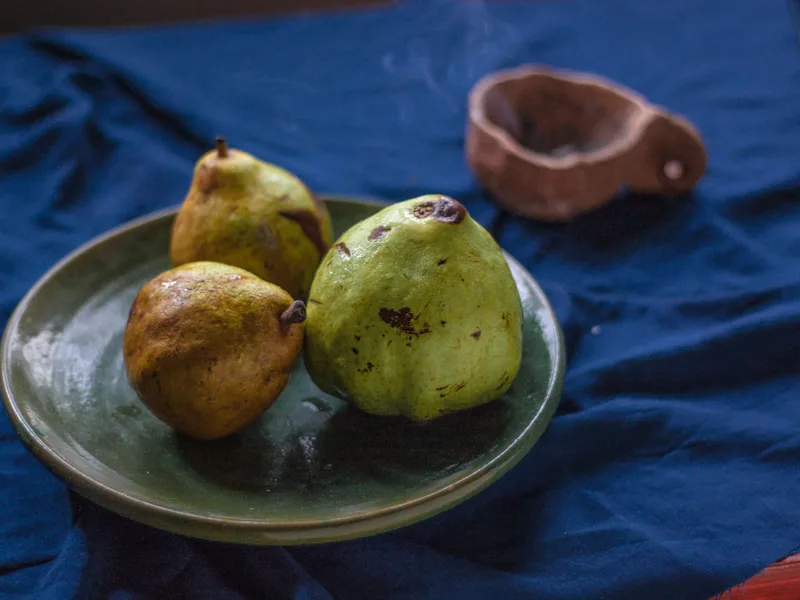
Fermenting residue
Fermenting residue from waste and restaurants accumulates in confined areas due to the tight layout, giving flies concentrated feeding grounds.
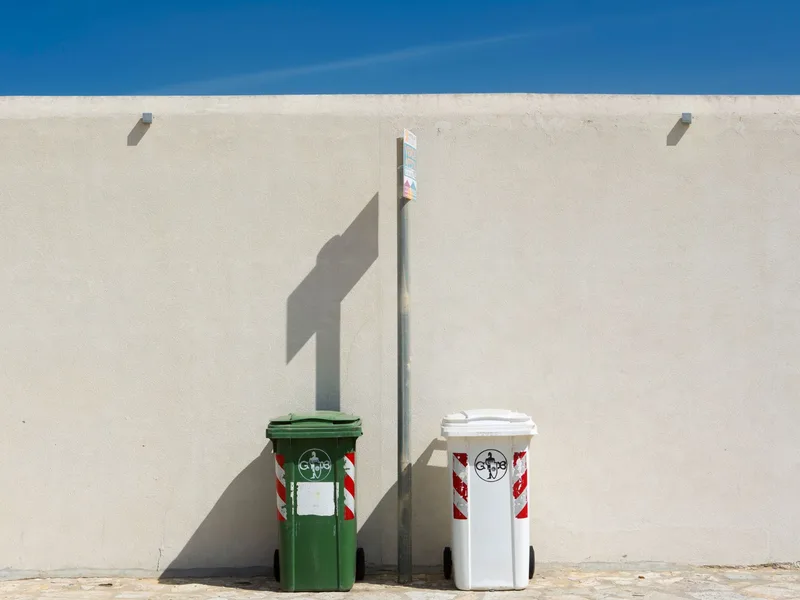
The bin base
The base of waste bins at each building entrance is a gathering point, and the old drainage system means permanent moisture around it.
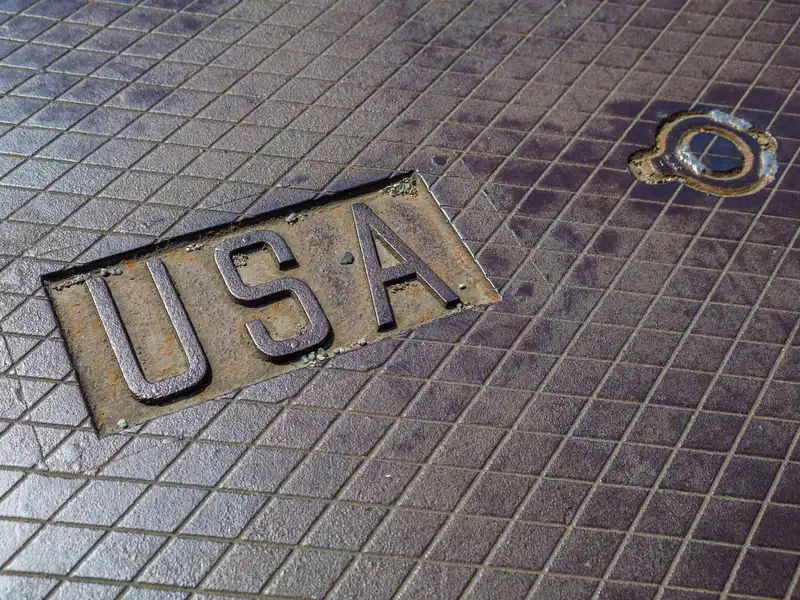
The film inside a drain
Biofilm inside the aged, damp drain network supports high numbers of larvae and pupae because the water is rich in organic matter.
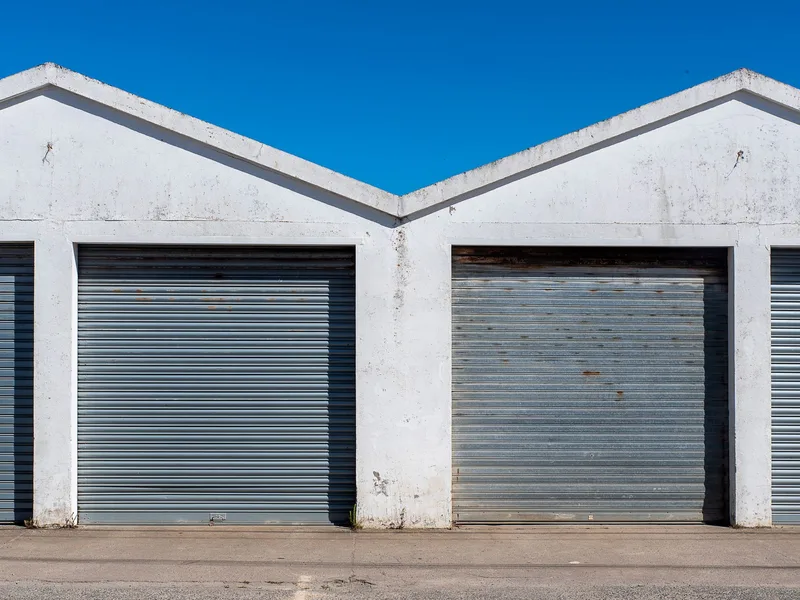
The service door and its mesh
Numerous gaps and fissures in the old fabric and weak window screens are the primary entry routes.
How we work
-
1
Inspect and trace the source
We trace the flies back to their medium: waste and the bin area, floor traps, drain runs and any standing organic wetness, and we identify the species from its size, its flight and where it settles.
-
2
Treat the breeding medium
Washing and scouring bin bases and floor traps, and a foam that treats the film inside the pipe, because removing the medium is the only thing that stops production.
-
3
Treat the resting surfaces
A fly spends most of its time settled on ceilings, cables, the tops of walls and the sunlit wall outside the door, and that is where the residual and the bait go, not into the air.
-
4
Proofing and the follow-up
We close the ways in and sort out the screens and the doors, then come back on a date matching the emergence of the pupae that were already in the medium on the first visit.
What fly control includes
-

A source tracing inspection
The species, the breeding medium and the route in, established before anything is applied.
-

Drains and floor traps
Scouring the film stuck inside the pipe and treating it with foam, which is where drain flies come from and almost nowhere else.
-

Residual on the resting surfaces
Ceilings, cables, the tops of walls and the sunlit wall outside the door, kept off food preparation surfaces.
-

Fly bait in protected positions
An attractant bait set at bin areas and service entrances, out of reach of children and pets and away from food.
-

Aftercare instructions
Ventilation, what to cover, and what needs a screen, an air curtain or a different waste routine.
-

A scheduled follow-up
A set date matching the emergence of the pupae, and re-treatment of any source still producing.
What is different about Al Shawqiyah Sub-Municipality
Al Shawqiyah sub municipality runs south from the Third Ring Road to the city's edge on the Al Layth road and the Jeddah expressway. Planned districts such as Al Shawqiyah, Al Malik Fahd and Bathaa Quraish have wide streets, villas and apartment blocks, while schemes in Wali Al Ahd are being built out and informal housing in Al Ukayshiyah and Al Zuhur is being cleared. The vegetable market and livestock auction at Souq Al Halaqa, open construction sites, the rocky slopes of Jabal Thawr and sewers still being laid through the southern fringe offer exposed food, shelter and moisture.
Questions about this district
There are many flies around the furnished flats. Are those the source?
They can contribute. Furnished flats host guests from the Haram and Umrah who leave food and waste. But the primary source is the ancient drain system and moisture from the mountain itself.
Does the traffic on Dhat An Nitaqain Street and Al Qadi Road create flies?
It sustains them. These streets are busy with people, shops and food outlets, meaning food waste is always available outside your flat. We focus on sealing entry points as well as treating inside.
Does mountain moisture and bathroom steam increase fly numbers?
Substantially. High moisture and ambient heat accelerate larval development and pupal duration. Flies thrive in these conditions.
Does the adjacent mosque and hospital bring flies to the district?
Possibly, especially the hospital which provides damp conditions. For an individual flat, the focus is on sealing passages and treating drains.
The district is very old. Are flies harder to control in aged buildings?
Old construction and old drainage mean more gaps and cavities, but treatment is effective if we target sources and entry routes properly. The older structure requires more attention to crevices, but that is manageable.
When will fly numbers drop in an area with so many external sources?
If we treat the flat and common areas properly, expect visible results in one to two weeks. The numerous external sources mean you should expect periodic follow-up inspections.
How much does fly control in Al Hijrah cost?
It is set after the inspection, because the price follows the type of infestation, the size of the space, how far it has spread and the number of visits it needs. Send a photo and a description on WhatsApp and we will give you an estimate before we reach Al Hijrah.
Nearby districts we cover
Other services in Al Hijrah
Other services we provide to residents of Al Hijrah.
-
 Residential
Cockroach control
Residential
Cockroach control
-
 Residential
Bed bug control
Residential
Bed bug control
-
 Residential
Termite control
Residential
Termite control
-
 Residential
Rodents and mice
Residential
Rodents and mice
-
 Residential
Mosquito control
Residential
Mosquito control
-
 Residential
Ant control
Residential
Ant control
-
 Residential
Gecko control
Residential
Gecko control
-
 Residential
Scorpion control
Residential
Scorpion control
-
 Residential
Snake control
Residential
Snake control
-
 Residential
Flea control
Residential
Flea control
-
 Residential
Bird and pigeon control
Residential
Bird and pigeon control
-
 Residential
Preventive treatment
Residential
Preventive treatment
-
 Residential
Disinfection
Residential
Disinfection
-
 Commercial
Annual contracts
Commercial
Annual contracts
-
 Commercial
Restaurants and cafes
Commercial
Restaurants and cafes
-
 Commercial
Hotels and apartments
Commercial
Hotels and apartments
-
 Commercial
Warehouses and factories
Commercial
Warehouses and factories
-
 Commercial
Schools and nurseries
Commercial
Schools and nurseries
-
 Commercial
Retail and malls
Commercial
Retail and malls
-
 Commercial
Rest houses and farms
Commercial
Rest houses and farms
-
 Commercial
Fumigation
Commercial
Fumigation
-
 Water tanks
Water tank cleaning
Water tanks
Water tank cleaning
-
 Water tanks
Water tank sterilization
Water tanks
Water tank sterilization
-
 Water tanks
Water tank sealing
Water tanks
Water tank sealing
-
 Water tanks
Tank leak repair
Water tanks
Tank leak repair
Need fly control in Al Hijrah? Tell us what you saw and we will tell you what it needs
We reach Al Hijrah at a time we agree, and you get the full cost before we start.