
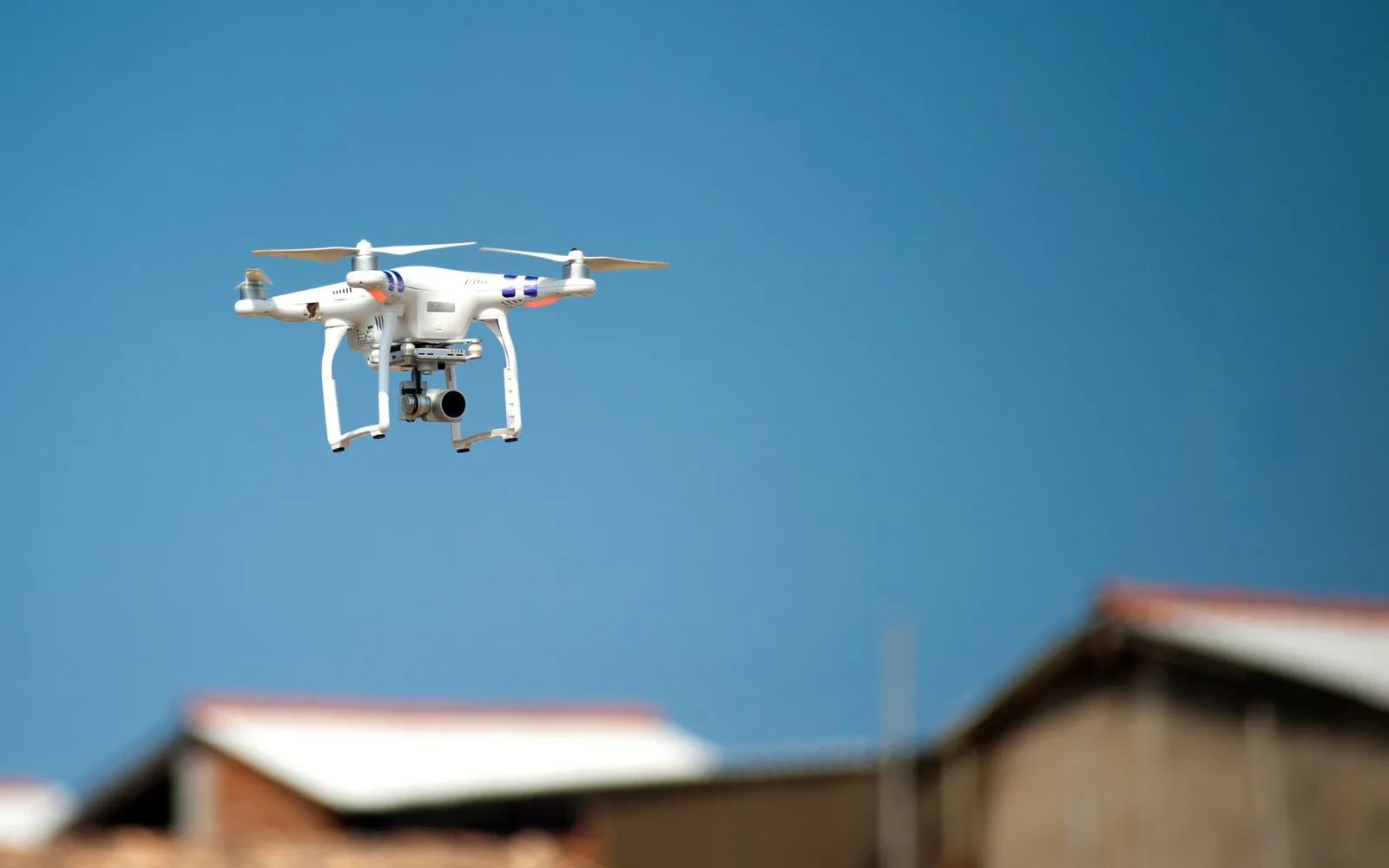
Fly control in Al Hindawiyah Jeddah
Al Hindawiyah is an old crowded quarter beside Jeddah Islamic Port that dates back to the nineteenth century. The district teems with people and contains more than two hundred retail shops packed into narrow lanes and ageing apartment buildings. Flies stream in from the port, the markets, the food shops and from a shared old drainage system that is failing.
-
Targeted, not broadcast
Product goes into cracks and runways, never sprayed across open surfaces.
-
Told before we start
What we will use, where it goes, and what to cover or move before we arrive.
-
A follow-up visit
We return after the first treatment, because what survives it does not show on the day.
-
Homes and businesses
Apartments and villas, and kitchens and stores that need a record of each visit.
Why they keep coming back in Al Hindawiyah
Lanes are extremely narrow and buildings crowd each other, the old drainage is tangled and sewage runs in the alleys. The method is set out in full on how we approach Fly control.
The port and maritime waste
Al Hindawiyah sits on the doorstep of Jeddah Islamic Port, and fish waste and maritime refuse attract massive fly swarms. Wind carries the port smell straight into the quarter and flies pour in from the docks.
Narrow alleys and failing drains
Narrow lanes and tightly packed buildings prevent proper air flow and cleaning, and ancient drainage pipes are cracked and leaking. Flies breed in broken sewers and standing water pooling in the lanes.
Dense food shops, markets and eateries
Two hundred retail outlets, food markets and eating places crowd a small space, with food scraps and fish remains piling up. Treatment needs coordination with shop owners and the municipality to be effective.
Al Hindawiyah on the map
Al Hindawiyah sits about 1.5 km from Al Balad and about 1.5 km from Al Sahifah.
Open in Google MapsWhere the flies are actually coming from
The densely built old quarter is divided by Al Dhahab Street into a section facing the port and an inland popular neighbourhood, with ancient apartment buildings stacked above shops and food outlets.
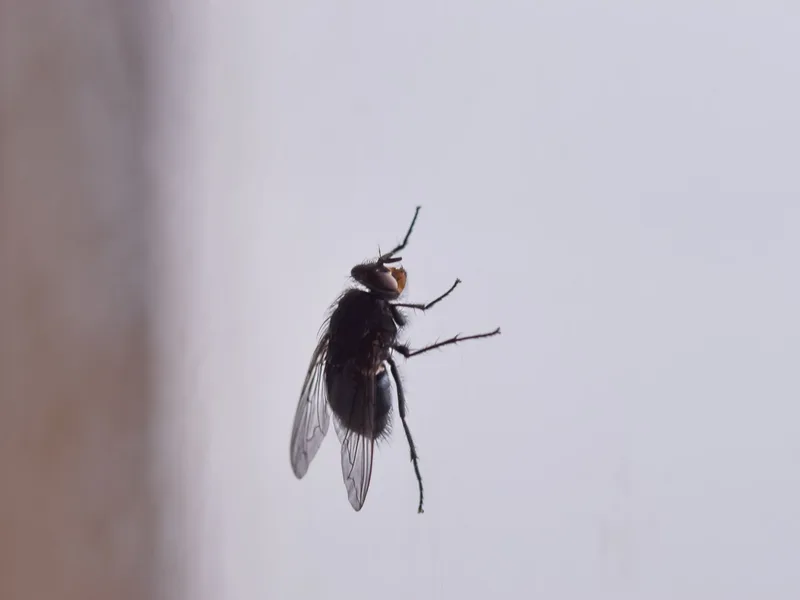
House fly
The house fly breeds on food scraps in shops, markets, flats and the leaking old drains throughout the dense quarter.
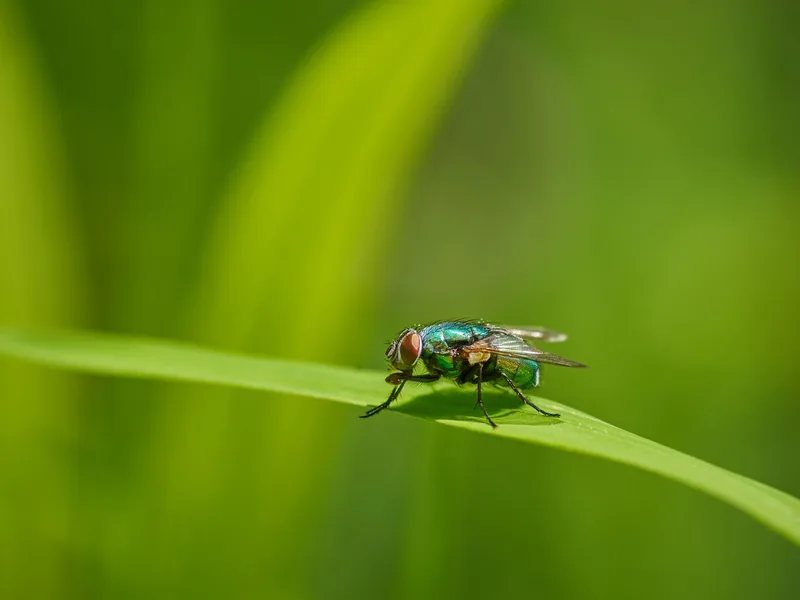
Blow fly
Blow flies arrive from port waste, fish remains and organic debris piling up in the narrow streets, breeding in rotting matter.
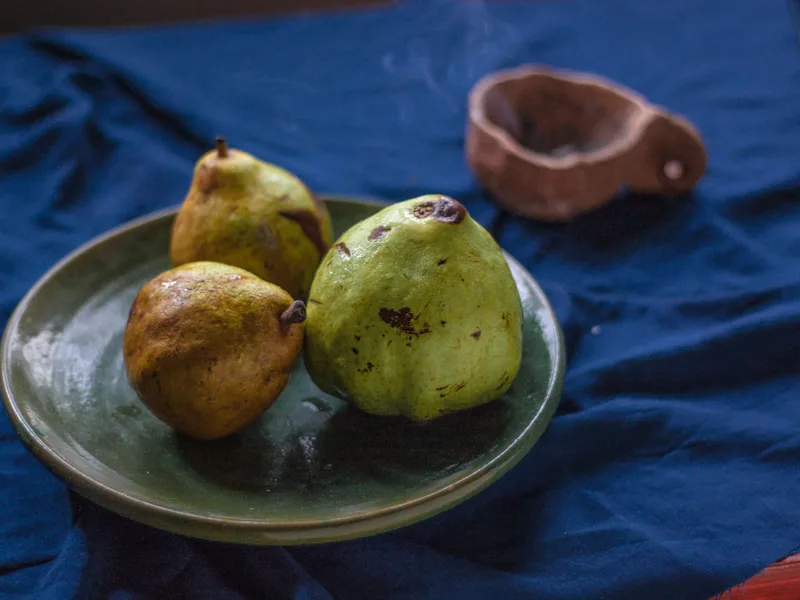
Fermenting residue
Fermented residue in markets, food shops and narrow alleys supplies endless food for flies.
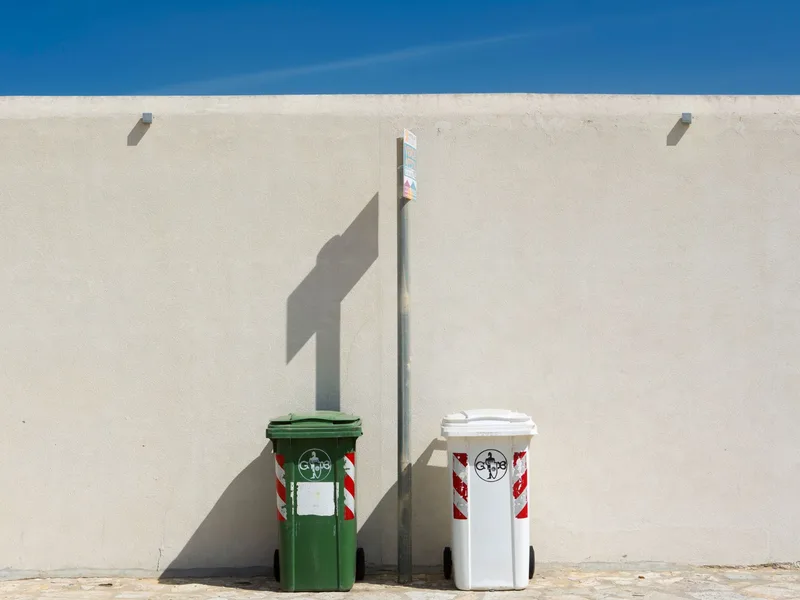
The bin base
The base of broken old drains and standing water in alleys spawn unending fly larvae.
The film inside a drain
Ageing and leaking drains plus trapped moisture in old flats harbour fly populations and fungal growth.
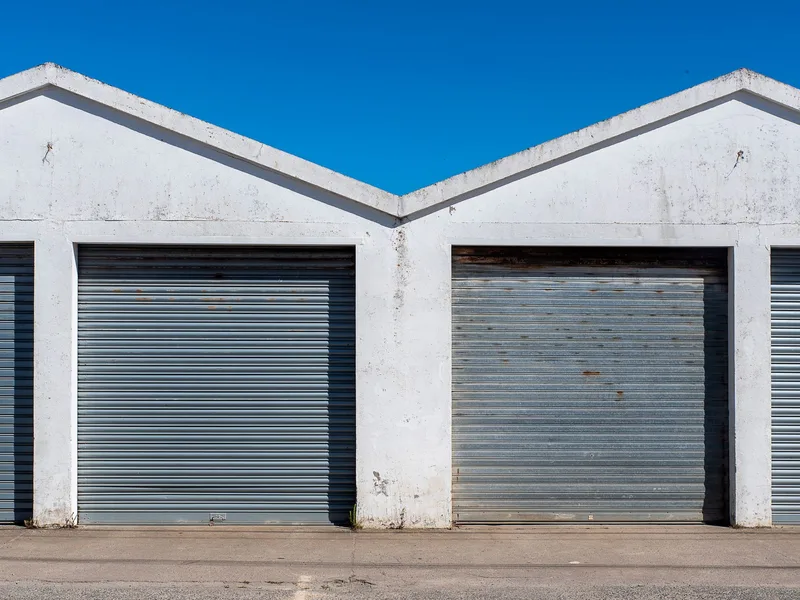
The service door and its mesh
Doors and windows facing the narrow alleys need fine mesh screens to block flies coming from external drains and the port.
How we work
-
1
Inspect and trace the source
We trace the flies back to their medium: waste and the bin area, floor traps, drain runs and any standing organic wetness, and we identify the species from its size, its flight and where it settles.
-
2
Treat the breeding medium
Washing and scouring bin bases and floor traps, and a foam that treats the film inside the pipe, because removing the medium is the only thing that stops production.
-
3
Treat the resting surfaces
A fly spends most of its time settled on ceilings, cables, the tops of walls and the sunlit wall outside the door, and that is where the residual and the bait go, not into the air.
-
4
Proofing and the follow-up
We close the ways in and sort out the screens and the doors, then come back on a date matching the emergence of the pupae that were already in the medium on the first visit.
What fly control includes
-

A source tracing inspection
The species, the breeding medium and the route in, established before anything is applied.
-

Drains and floor traps
Scouring the film stuck inside the pipe and treating it with foam, which is where drain flies come from and almost nowhere else.
-

Residual on the resting surfaces
Ceilings, cables, the tops of walls and the sunlit wall outside the door, kept off food preparation surfaces.
-

Fly bait in protected positions
An attractant bait set at bin areas and service entrances, out of reach of children and pets and away from food.
-

Aftercare instructions
Ventilation, what to cover, and what needs a screen, an air curtain or a different waste routine.
-

A scheduled follow-up
A set date matching the emergence of the pupae, and re-treatment of any source still producing.
Landmarks of Al Hindawiyah
Al Hindawiyah is divided between Al Dhahab Street, which separates the section facing Jeddah Islamic Port from the inland popular neighbourhood, and Port Street, which forms the district's second main axis where shops and residential units cluster densely.
- Jeddah Islamic Port
- Port Street
- Al Dhahab Street (Abdullah Hashim Street)
- Zawiyat Al Hunud Mosque
- Umar ibn Al Khattab Mosque
Questions about this district
Flies keep coming from the port and we cannot stop them, can we?
The port is an ongoing source, but we treat inside buildings and shops and the old drains to reduce breeding sites. When we eliminate local breeding, the flies entering from the port find nowhere to settle and breed.
The old drain is running filthy water and flies through the alleys. What can we do?
The broken old drains are a primary source, and repairing them is the municipality's responsibility. We treat the drains from outside and the standing water in the lanes with approved safe products.
The food shop above us has rubbish and is full of flies. What now?
Food shops are major fly sources. We suggest a coordinated treatment of the whole quarter to get better results and prevent constant reinfection.
Our old flat stays damp and is full of flies all the time?
Old flats harbour leaking drains and trapped moisture. We treat indoors and the drainage running from the flat and improve ventilation to stop the wet.
Is the treatment safe around children and food in a small flat?
We use very safe products, ask you to seal food and leave for a short time, and ensure good ventilation after application.
How many treatments will we need in Al Hindawiyah?
Weekly treatment initially, then every two weeks. An old quarter with failing drains needs repeated applications to stay clear.
How much does fly control in Al Hindawiyah cost?
It is set after the inspection, because the price follows the type of infestation, the size of the space, how far it has spread and the number of visits it needs. Send a photo and a description on WhatsApp and we will give you an estimate before we reach Al Hindawiyah.
Nearby districts we cover
Other services in Al Hindawiyah
Other services we provide to residents of Al Hindawiyah.
-
 Residential
Cockroach control
Residential
Cockroach control
-
 Residential
Bed bug control
Residential
Bed bug control
-
 Residential
Termite control
Residential
Termite control
-
 Residential
Rodents and mice
Residential
Rodents and mice
-
 Residential
Mosquito control
Residential
Mosquito control
-
 Residential
Ant control
Residential
Ant control
-
 Residential
Gecko control
Residential
Gecko control
-
 Residential
Scorpion control
Residential
Scorpion control
-
 Residential
Snake control
Residential
Snake control
-
 Residential
Flea control
Residential
Flea control
-
 Residential
Bird and pigeon control
Residential
Bird and pigeon control
-
 Residential
Preventive treatment
Residential
Preventive treatment
-
 Residential
Disinfection
Residential
Disinfection
-
 Commercial
Annual contracts
Commercial
Annual contracts
-
 Commercial
Restaurants and cafes
Commercial
Restaurants and cafes
-
 Commercial
Hotels and apartments
Commercial
Hotels and apartments
-
 Commercial
Warehouses and factories
Commercial
Warehouses and factories
-
 Commercial
Schools and nurseries
Commercial
Schools and nurseries
-
 Commercial
Retail and malls
Commercial
Retail and malls
-
 Commercial
Rest houses and farms
Commercial
Rest houses and farms
-
 Commercial
Fumigation
Commercial
Fumigation
-
 Water tanks
Water tank cleaning
Water tanks
Water tank cleaning
-
 Water tanks
Water tank sterilization
Water tanks
Water tank sterilization
-
 Water tanks
Water tank sealing
Water tanks
Water tank sealing
-
 Water tanks
Tank leak repair
Water tanks
Tank leak repair
Need fly control in Al Hindawiyah? Tell us what you saw and we will tell you what it needs
We reach Al Hindawiyah at a time we agree, and you get the full cost before we start.