
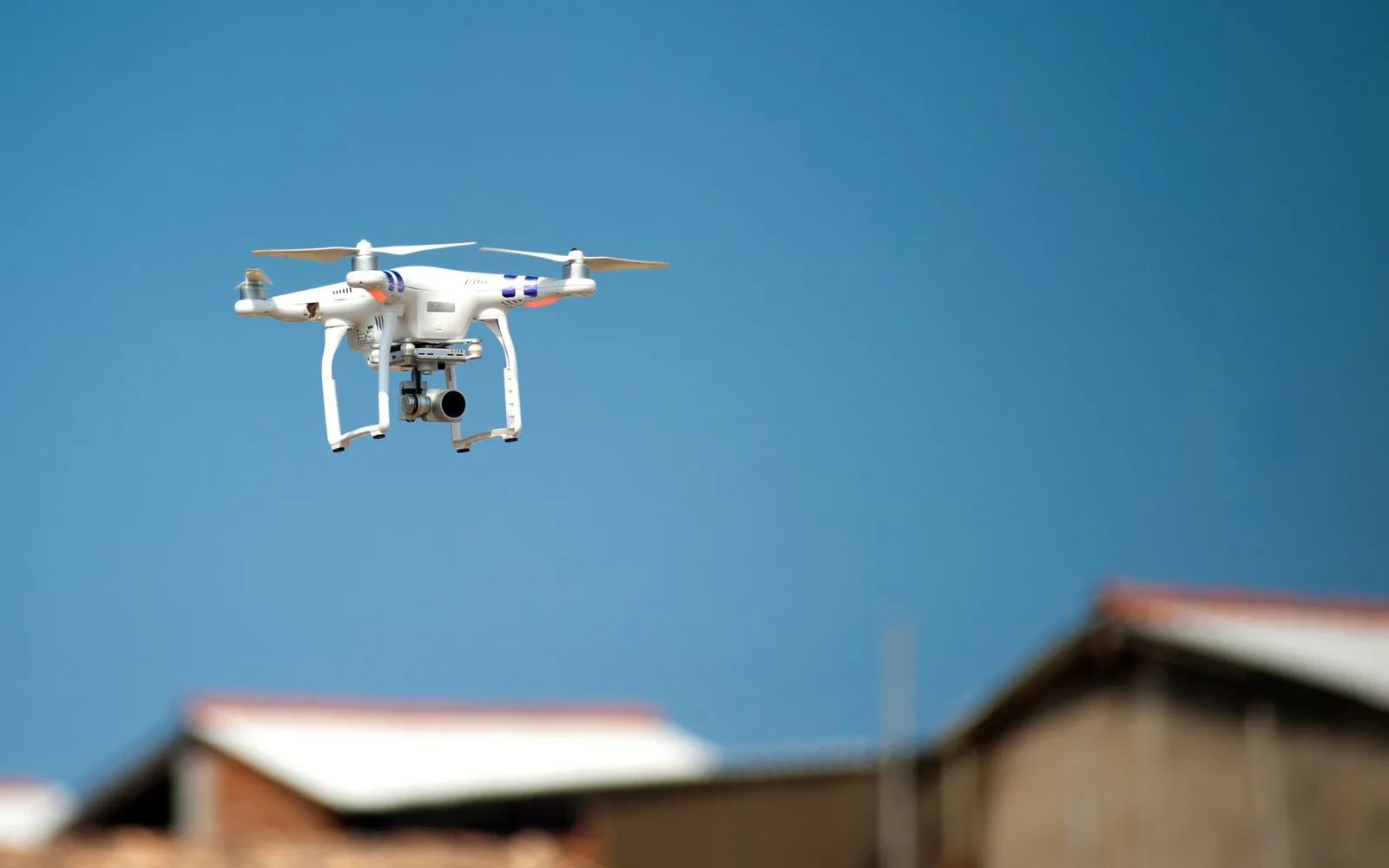
Fly control in Al Nahdah Jeddah
Al Nahdah runs between King Abdulaziz Road and Prince Sultan Road along Hira Street in northern Jeddah, close to the sea. Apartments and villas share the space with busy restaurants, hotels and clinics. Sea humidity is high and green spaces are irrigated daily, while hospitality venues along Hira Street provide constant food waste. We treat both water and food sources together in this busy coastal district.
-
Targeted, not broadcast
Product goes into cracks and runways, never sprayed across open surfaces.
-
Told before we start
What we will use, where it goes, and what to cover or move before we arrive.
-
A follow-up visit
We return after the first treatment, because what survives it does not show on the day.
-
Homes and businesses
Apartments and villas, and kitchens and stores that need a record of each visit.
Why they keep coming back in Al Nahdah
In busy coastal districts like this, flies stay active all year because sea humidity, irrigated green areas and constant hospitality activity keep them breeding without break. The method is set out in full on our Fly control service.
Dense hotels and restaurants providing continuous food
Hira Plaza and the restaurants and hotels on Hira Street draw workers, tourists and visitors, generating large volumes of food waste from kitchens and bins. Grease and scraps from hotels and restaurants provide rich steady food for flies throughout the day and evening.
Green spaces and irrigated gardens on the waterfront
Al Nahdah Park and gardens around hotels and villas are watered daily, and water collects around trees and in low spots. The constant moisture from irrigation combined with sea humidity creates ideal breeding conditions.
Persistent sea humidity and closed chalets
Sea humidity is very high and persists year round even in winter. Chalets and rest houses scattered along the creek remain closed for long periods, providing safe shelter for insects and rodents undisturbed.
Landmarks of Al Nahdah
Al Nahdah sits on Hira Street between King Abdulaziz Road and Prince Sultan Road, very close to the northern waterfront. Hira Plaza, Al Nahdah Park and Umar ibn Al Khattab Mosque are well known local markers, and treatment access to hotels, restaurants and gardens is via Hira Street and the waterfront entrances.
- Hira Street
- King Abdulaziz Road
- Prince Sultan Road
- Hira Plaza
- Al Nahdah Park
- Umar ibn Al Khattab Mosque
Where the flies are actually coming from
A coastal district very close to the sea with high humidity year round, green spaces and gardens watered daily, and restaurants, hotels and clinics providing continuous organic waste.
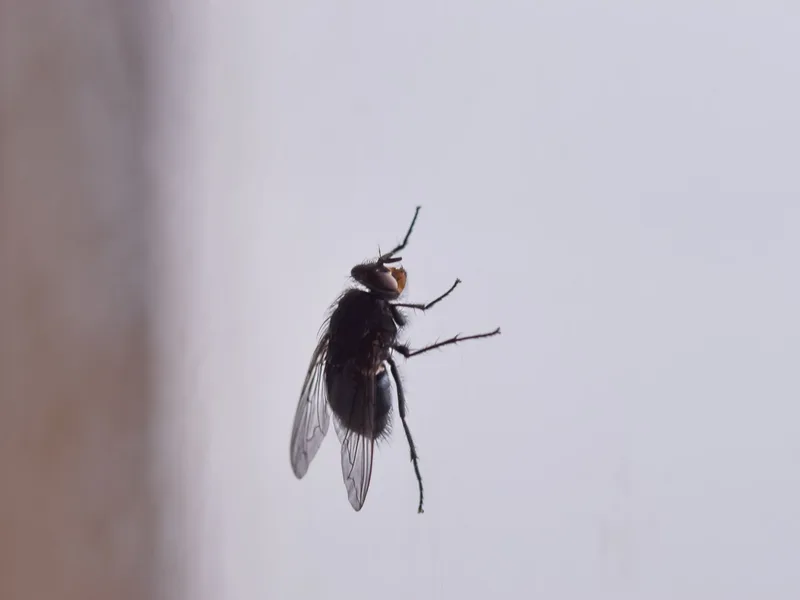
House fly
The house fly breeds rapidly in food waste from hotels and restaurants, and sea humidity protects eggs and larvae from drying out.
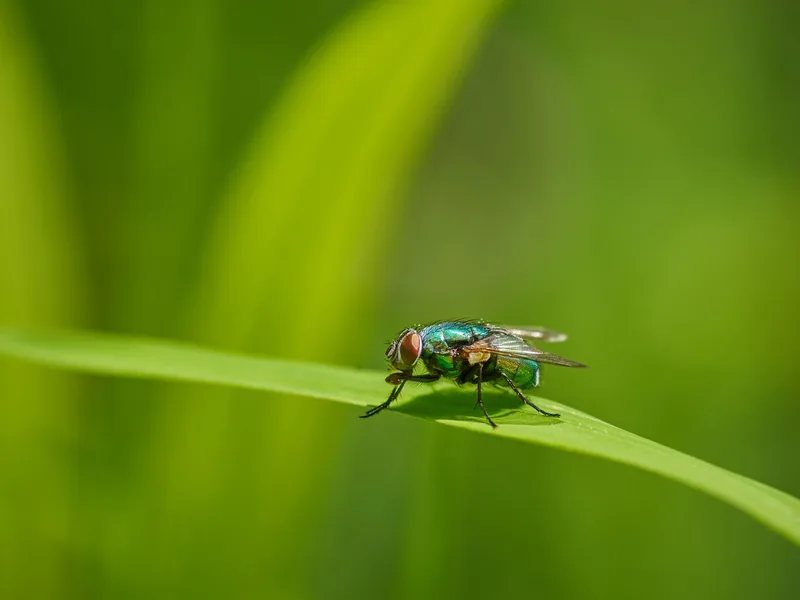
Blow fly
The blow fly prefers food scraps and animal waste from hotel kitchens, laying eggs in accumulated rubbish around restaurants.
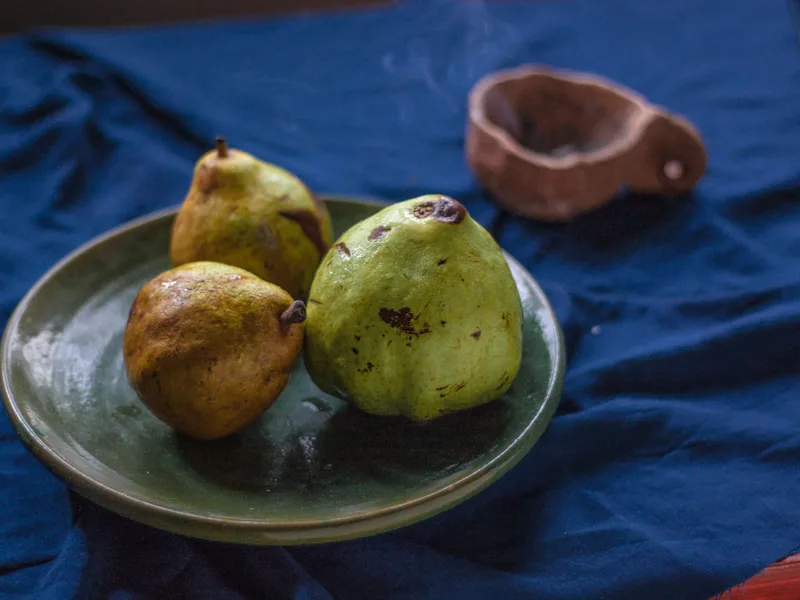
Fermenting residue
Fermenting residue accumulates heavily in bins and areas behind restaurants and hotels, and sea humidity maintains continuous decomposition.
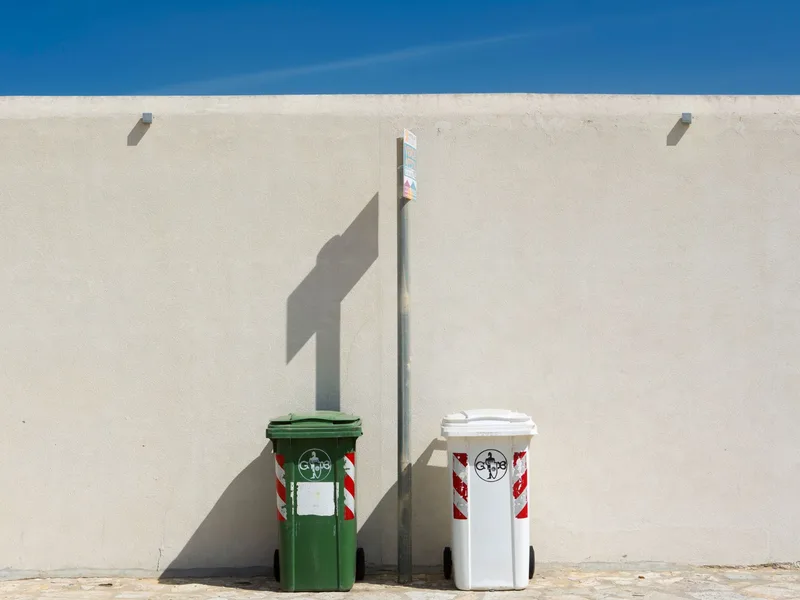
The bin base
The bin enclosure in hotels and restaurants collects waste from dozens of meals daily, becoming a rich breeding ground.
The film inside a drain
Biofilm in hotel and restaurant drain pipes is thick with grease and continuous food waste, harbouring larvae and pupae safely inside where surface treatment cannot reach.

The service door and its mesh
Service doors and vent mesh in hotels and restaurants are open most of the day for waste and water drainage, becoming prime entry points for flies from the street into the kitchen and hotel.
How we work
-
1
Inspect and trace the source
We trace the flies back to their medium: waste and the bin area, floor traps, drain runs and any standing organic wetness, and we identify the species from its size, its flight and where it settles.
-
2
Treat the breeding medium
Washing and scouring bin bases and floor traps, and a foam that treats the film inside the pipe, because removing the medium is the only thing that stops production.
-
3
Treat the resting surfaces
A fly spends most of its time settled on ceilings, cables, the tops of walls and the sunlit wall outside the door, and that is where the residual and the bait go, not into the air.
-
4
Proofing and the follow-up
We close the ways in and sort out the screens and the doors, then come back on a date matching the emergence of the pupae that were already in the medium on the first visit.
What fly control includes
-

A source tracing inspection
The species, the breeding medium and the route in, established before anything is applied.
-

Drains and floor traps
Scouring the film stuck inside the pipe and treating it with foam, which is where drain flies come from and almost nowhere else.
-

Residual on the resting surfaces
Ceilings, cables, the tops of walls and the sunlit wall outside the door, kept off food preparation surfaces.
-

Fly bait in protected positions
An attractant bait set at bin areas and service entrances, out of reach of children and pets and away from food.
-

Aftercare instructions
Ventilation, what to cover, and what needs a screen, an air curtain or a different waste routine.
-

A scheduled follow-up
A set date matching the emergence of the pupae, and re-treatment of any source still producing.
What is different about Obhur Sub-Municipality
Obhur sub-municipality runs along Jeddah's northern shoreline from Al Shati up to Obhur Creek. It mixes large villas and gated compounds with busy commercial spines of restaurants, cafes, markets and hotels. Sea humidity is high for most of the year and salt laden breezes keep timber and render damp, while irrigated gardens and lawns surround the corniche and the villa plots. Standing irrigation water, dense planting and food waste from the hospitality strip suit cockroaches, mosquitoes and ants, and the chalets and rest houses scattered along the creek stand empty for long spells, which lets insects and rodents settle undisturbed.
Questions about this district
Are hotels and restaurants the main source of flies in this district?
Yes greatly. Hotels and restaurants generate large continuous food waste. Flies from hotels move easily into nearby villas and flats and the park. Regular treatment of hotels and restaurants is essential.
Does treating a hotel disrupt guests and staff?
No, we treat at flexible times that suit the hotel, usually early morning or evening after service ends. We focus on hotel kitchens, rear areas and drains away from guests.
Does sea humidity and irrigated gardens worsen the problem?
Yes, persistent sea humidity and daily irrigation create ideal breeding conditions year round. Treating gardens and green spaces is necessary alongside treating hotels and restaurants.
Are closed chalets along the creek safe from insects?
No, chalets left closed for long periods provide safe shelter for insects and rodents. We advise regular treatment before opening and after closing to prevent infestation.
Does regular bin cleaning reduce flies?
Yes, regular effective cleaning is very important. But chemical treatment is also needed to kill eggs, larvae and pupae. Cleaning and treatment together give the best control.
How many treatments per year does a busy coastal hospitality area need?
Ten to twelve treatments yearly maintains control. Sea humidity and constant food sources need intensive monitoring. Weekly treatments may be needed in peak summer heat.
How much does fly control in Al Nahdah cost?
It is set after the inspection, because the price follows the type of infestation, the size of the space, how far it has spread and the number of visits it needs. Send a photo and a description on WhatsApp and we will give you an estimate before we reach Al Nahdah.
Nearby districts we cover
Other services in Al Nahdah
Other services we provide to residents of Al Nahdah.
-
 Residential
Cockroach control
Residential
Cockroach control
-
 Residential
Bed bug control
Residential
Bed bug control
-
 Residential
Termite control
Residential
Termite control
-
 Residential
Rodents and mice
Residential
Rodents and mice
-
 Residential
Mosquito control
Residential
Mosquito control
-
 Residential
Ant control
Residential
Ant control
-
 Residential
Gecko control
Residential
Gecko control
-
 Residential
Scorpion control
Residential
Scorpion control
-
 Residential
Snake control
Residential
Snake control
-
 Residential
Flea control
Residential
Flea control
-
 Residential
Bird and pigeon control
Residential
Bird and pigeon control
-
 Residential
Preventive treatment
Residential
Preventive treatment
-
 Residential
Disinfection
Residential
Disinfection
-
 Commercial
Annual contracts
Commercial
Annual contracts
-
 Commercial
Restaurants and cafes
Commercial
Restaurants and cafes
-
 Commercial
Hotels and apartments
Commercial
Hotels and apartments
-
 Commercial
Warehouses and factories
Commercial
Warehouses and factories
-
 Commercial
Schools and nurseries
Commercial
Schools and nurseries
-
 Commercial
Retail and malls
Commercial
Retail and malls
-
 Commercial
Rest houses and farms
Commercial
Rest houses and farms
-
 Commercial
Fumigation
Commercial
Fumigation
-
 Water tanks
Water tank cleaning
Water tanks
Water tank cleaning
-
 Water tanks
Water tank sterilization
Water tanks
Water tank sterilization
-
 Water tanks
Water tank sealing
Water tanks
Water tank sealing
-
 Water tanks
Tank leak repair
Water tanks
Tank leak repair
Need fly control in Al Nahdah? Tell us what you saw and we will tell you what it needs
We reach Al Nahdah at a time we agree, and you get the full cost before we start.