
Fly control in Al Rawabi Makkah
Al Rawabi is an apartment district of high-rise blocks set between the Kudai Ajyad tunnel and Rai Bakhsh, south of the Haram. Hotels and pilgrim residences crowd into towering buildings above steep hillside terrain, and flies here exploit the intense seasonal use of restaurants and shared kitchens combined with drains pushed beyond capacity.
-
Targeted, not broadcast
Product goes into cracks and runways, never sprayed across open surfaces.
-
Told before we start
What we will use, where it goes, and what to cover or move before we arrive.
-
A follow-up visit
We return after the first treatment, because what survives it does not show on the day.
-
Homes and businesses
Apartments and villas, and kitchens and stores that need a record of each visit.
Why they keep coming back in Al Rawabi
During Hajj and Umrah seasons, swarms appear on almost every floor at the same time because waste from the kitchens travels upward through shared ventilation and drainage runs. The method is set out in full on how we approach Fly control.
High-density hotel restaurants and kitchens on lower floors
Hotel buildings house restaurants and kitchens in their lower storeys serving hundreds of guests daily during peak seasons, and food waste, oils and pooling water in the kitchens create ideal breeding conditions for flies to develop in high numbers.
Overloaded drains through mountain tunnels beneath the block
Pipes run through the mountain tunnels and trap moisture because of limited ventilation. The excess load from hundreds of residential units causes waste and biofilm to accumulate, creating protected breeding sites for developing larvae.
Damp, enclosed environment underneath the upper floors
The tunnels and excavated zones beneath the buildings retain constant humidity and provide protected shelter for flies. Limited ventilation means flies remain confined and development time extends through multiple generations.
Landmarks of Al Rawabi
Al Rawabi sits between the Kudai Ajyad tunnel connecting the city halves and Al Rawabi Garden on the hilltop summit, and this position between tunnel and garden means fly treatment must focus on entry routes from the tunnel and the garden threshold zones.
- Rai Bakhsh
- Ajyad Kudai Road
- Kudai Ajyad Tunnel
- Al Rawabi Garden
- Jabal Khandamah
Where the flies are actually coming from
Sharp elevation changes and the mountain tunnels beneath the buildings create damp, poorly ventilated zones, while restaurants and kitchens on the lower and shared floors produce a constant stream of food waste that attracts and supports fly breeding.
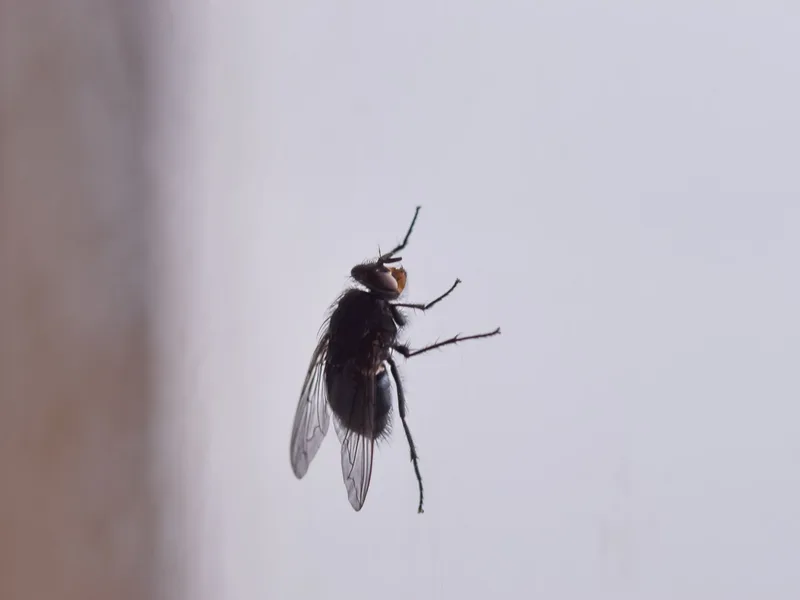
House fly
House flies rest in the hotel corridors and shared floors where they avoid moving between isolated residential units and have access to constant food sources.
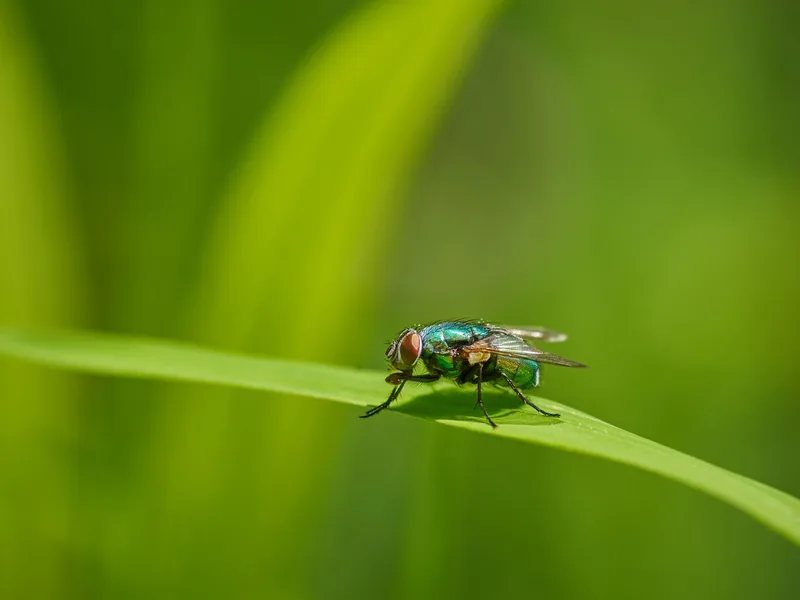
Blow fly
Blow flies prefer the kitchens and areas where food is prepared, and breed rapidly in the drains and damp zones of the restaurant areas where conditions are ideal.
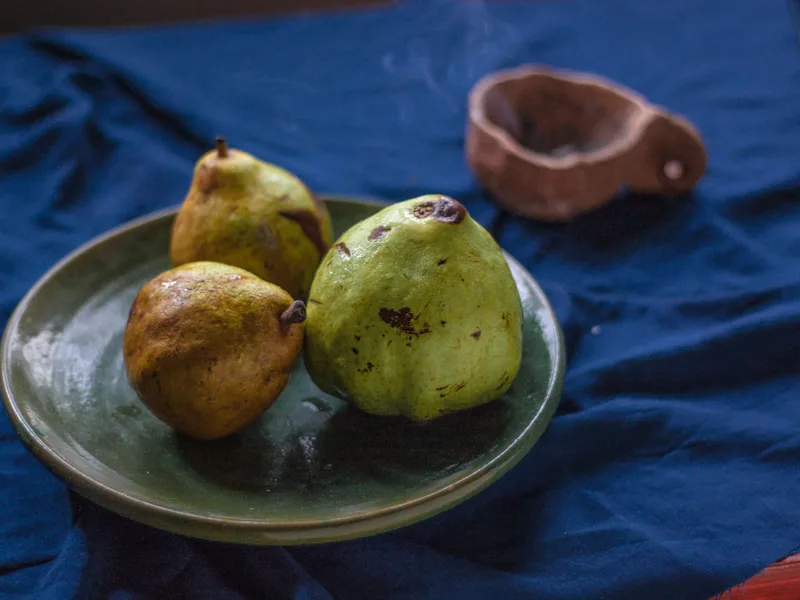
Fermenting residue
Fermenting residue collects in shared bins and restaurant waste containers and sits for days at peak season before removal, and each delay produces millions of new larvae.
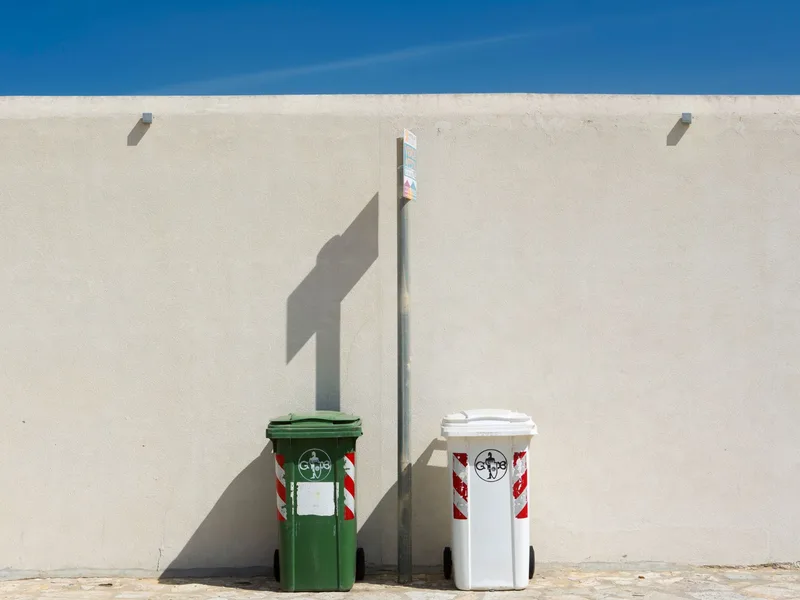
The bin base
The shared bin base serving hundreds of units leaks nutrients from decomposing food, and waste accumulates in the excavated zones beneath the buildings where evaporation is minimal.
The film inside a drain
Biofilm in the drains under the tunnels blocks water flow and traps organic matter, providing protected breeding conditions for fly larvae through multiple generations over several weeks.
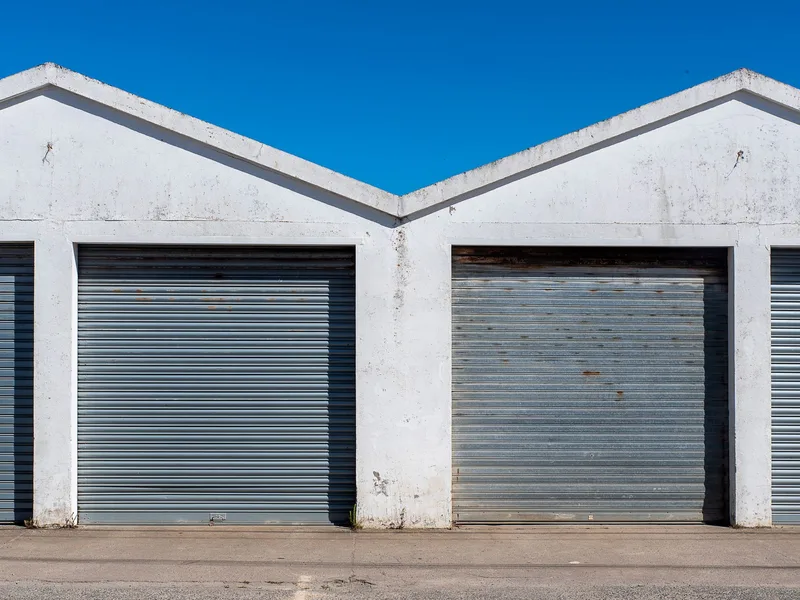
The service door and its mesh
Service doors to the kitchens and restaurants do not seal properly and the mesh is worn or absent, allowing flies both easy exit into the open and easy entry from outside.
How we work
-
1
Inspect and trace the source
We trace the flies back to their medium: waste and the bin area, floor traps, drain runs and any standing organic wetness, and we identify the species from its size, its flight and where it settles.
-
2
Treat the breeding medium
Washing and scouring bin bases and floor traps, and a foam that treats the film inside the pipe, because removing the medium is the only thing that stops production.
-
3
Treat the resting surfaces
A fly spends most of its time settled on ceilings, cables, the tops of walls and the sunlit wall outside the door, and that is where the residual and the bait go, not into the air.
-
4
Proofing and the follow-up
We close the ways in and sort out the screens and the doors, then come back on a date matching the emergence of the pupae that were already in the medium on the first visit.
What fly control includes
-

A source tracing inspection
The species, the breeding medium and the route in, established before anything is applied.
-

Drains and floor traps
Scouring the film stuck inside the pipe and treating it with foam, which is where drain flies come from and almost nowhere else.
-

Residual on the resting surfaces
Ceilings, cables, the tops of walls and the sunlit wall outside the door, kept off food preparation surfaces.
-

Fly bait in protected positions
An attractant bait set at bin areas and service entrances, out of reach of children and pets and away from food.
-

Aftercare instructions
Ventilation, what to cover, and what needs a screen, an air curtain or a different waste routine.
-

A scheduled follow-up
A set date matching the emergence of the pupae, and re-treatment of any source still producing.
What is different about Al Misfalah Sub-Municipality
Al Misfalah sub municipality runs downhill from the south of the Grand Mosque through Al Misfalah, Kudai and Al Rawabi to Al Taqwa, Al Hindawiyah, Al Khalidiyah and Al Rusayfah at the third ring road. The northern end is old apartment blocks and pilgrim hotels with restaurants along Ibrahim Al Khalil Street and the huge coach parks at Kudai. The south and west are dense popular districts with countless small shops and unplanned hillside housing, some of it already cleared for redevelopment, giving way to orderly land grant schemes in Al Rusayfah beside the railway station.
Questions about this district
Do the seasonal hotel restaurants increase flies compared to other Makkah districts?
Significantly, because Al Rawabi concentrates hundreds of hotel units in high-rise blocks. Every unit has a small kitchen or feeds from shared restaurants, and the continuous waste provides an unbroken fly breeding source.
Do the flies come up from the lower floors or breed inside the flat?
Both happen. Flies travel upward from lower storeys through drains and shared passages, and also develop inside any flat where food scraps or moisture accumulate in the kitchen and waste areas.
Do the mountain tunnels beneath the building shelter flies?
Yes, the tunnels are damp, cool and protected from rapid temperature swings, offering secure shelter where flies hide during the intense heat of the day and develop through multiple generations.
How often do I need fly treatment in a crowded district like Al Rawabi?
During tourist seasons, treatment every two weeks is essential, and weekly treatment may be needed at the height of season because the breeding source never stops.
Does cleaning the flat and kitchen reduce flies without treating the hotels below?
Cleaning helps but does not solve it, because flies enter constantly from outside and from the lower storeys. Treatment must target the hotel and restaurant sources directly.
Does winter significantly reduce the fly problem in Al Rawabi?
Winter slows activity, but the damp protected environment underground supports ongoing development, especially as the hotels continue operating during Umrah season.
How much does fly control in Al Rawabi cost?
It is set after the inspection, because the price follows the type of infestation, the size of the space, how far it has spread and the number of visits it needs. Send a photo and a description on WhatsApp and we will give you an estimate before we reach Al Rawabi.
Nearby districts we cover
Other services in Al Rawabi
Other services we provide to residents of Al Rawabi.
-
 Residential
Cockroach control
Residential
Cockroach control
-
 Residential
Bed bug control
Residential
Bed bug control
-
 Residential
Termite control
Residential
Termite control
-
 Residential
Rodents and mice
Residential
Rodents and mice
-
 Residential
Mosquito control
Residential
Mosquito control
-
 Residential
Ant control
Residential
Ant control
-
 Residential
Gecko control
Residential
Gecko control
-
 Residential
Scorpion control
Residential
Scorpion control
-
 Residential
Snake control
Residential
Snake control
-
 Residential
Flea control
Residential
Flea control
-
 Residential
Bird and pigeon control
Residential
Bird and pigeon control
-
 Residential
Preventive treatment
Residential
Preventive treatment
-
 Residential
Disinfection
Residential
Disinfection
-
 Commercial
Annual contracts
Commercial
Annual contracts
-
 Commercial
Restaurants and cafes
Commercial
Restaurants and cafes
-
 Commercial
Hotels and apartments
Commercial
Hotels and apartments
-
 Commercial
Warehouses and factories
Commercial
Warehouses and factories
-
 Commercial
Schools and nurseries
Commercial
Schools and nurseries
-
 Commercial
Retail and malls
Commercial
Retail and malls
-
 Commercial
Rest houses and farms
Commercial
Rest houses and farms
-
 Commercial
Fumigation
Commercial
Fumigation
-
 Water tanks
Water tank cleaning
Water tanks
Water tank cleaning
-
 Water tanks
Water tank sterilization
Water tanks
Water tank sterilization
-
 Water tanks
Water tank sealing
Water tanks
Water tank sealing
-
 Water tanks
Tank leak repair
Water tanks
Tank leak repair
Need fly control in Al Rawabi? Tell us what you saw and we will tell you what it needs
We reach Al Rawabi at a time we agree, and you get the full cost before we start.