
Fly control in Al Rawabi Jeddah
Al Rawabi is a mixed district where apartment blocks stand directly above busy restaurants, shops and markets along two main roads. Flies breed in food scraps and drains downstairs, then climb vertical openings to homes above. The work here is different because the pressure flows upward through shared walls, stairs and ventilation shafts connecting shops to homes in the same structure.
-
Targeted, not broadcast
Product goes into cracks and runways, never sprayed across open surfaces.
-
Told before we start
What we will use, where it goes, and what to cover or move before we arrive.
-
A follow-up visit
We return after the first treatment, because what survives it does not show on the day.
-
Homes and businesses
Apartments and villas, and kitchens and stores that need a record of each visit.
Why they keep coming back in Al Rawabi
The fly you swat in your third floor flat was born in the restaurant dumpster or kitchen drain on the ground floor, sometimes just hours earlier. The method is set out in full on Fly control in detail.
Ground floor shops are the breeding reservoir
Food scraps, grease and juice accumulate in spaces too tight to clean properly, and back store rooms provide constant heat, moisture and darkness. We address the source directly before treating the homes above, because flies will return from an active shop below within days.
Vertical transport through shared structures
Common entry doors, shared staircases, service lifts and cable shafts create open highways for flies moving from ground level to upper floors. Cracks around plumbing and gaps between walls make the barrier between a shop and the flat above it almost porous.
Density of commercial and residential use in one building
Tens of apartments stacked above tens of shops means many entry points and many sources of pressure. One neglected shop becomes a generator feeding the whole block, and the problem compounds as the season warms.
Landmarks of Al Rawabi
Work in Al Rawabi is split between the dense shops lining Bin Laden Road and the residential streets behind them. We manage the route between Bin Laden Park and Old Makkah Road, where the greatest concentration of sources lies at street level.
- Old Makkah Road
- Bin Laden Road
- Bin Laden Park
- Ibn Al Qayyim Mosque
- Al Rawabi Shopping Centre
Where the flies are actually coming from
Dense shops, restaurants and waste bins line King Fahd Road and Old Makkah Road at street level, with apartments stacked directly above them on both sides.
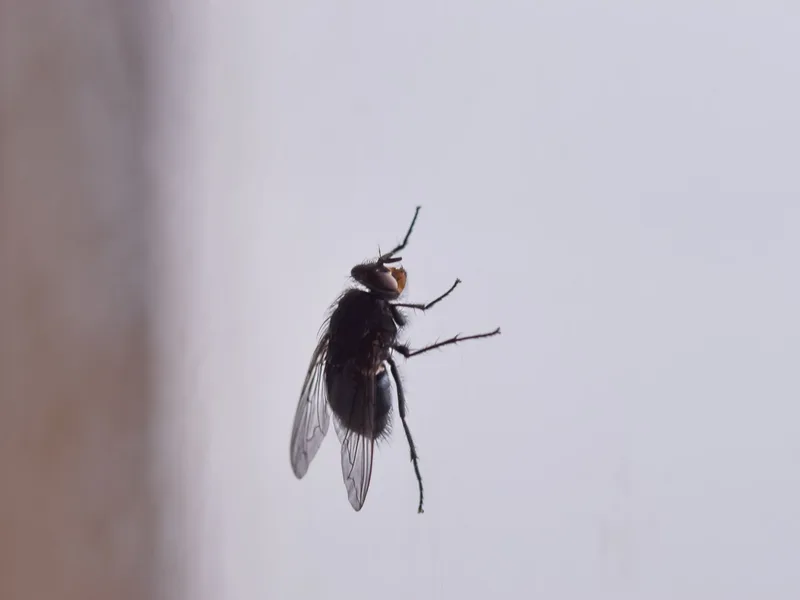
House fly
House flies dominate apartments here, breeding in warm food waste in the commercial spaces, then flying upward into homes in search of food and water.
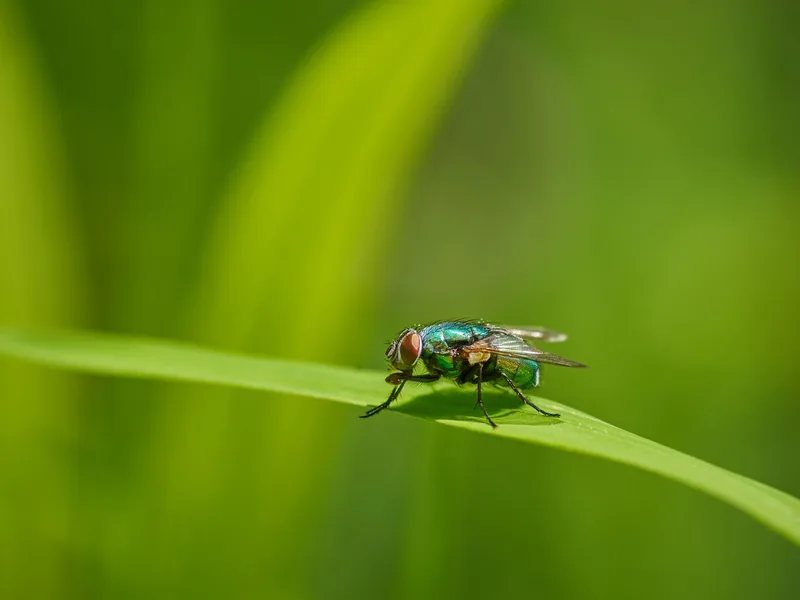
Blow fly
Blow flies are less common but larger and more annoying, appearing if meat, poultry or fish is handled in the shop or restaurant below the building.
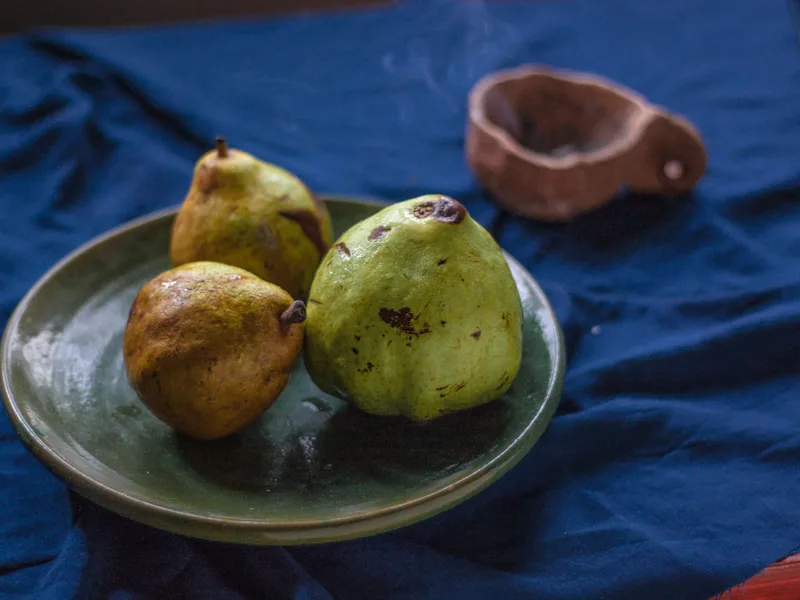
Fermenting residue
Fermenting residue in dumpsters and back room drains of shops and restaurants is the first breeding ground, and excess moisture extends the development cycle.
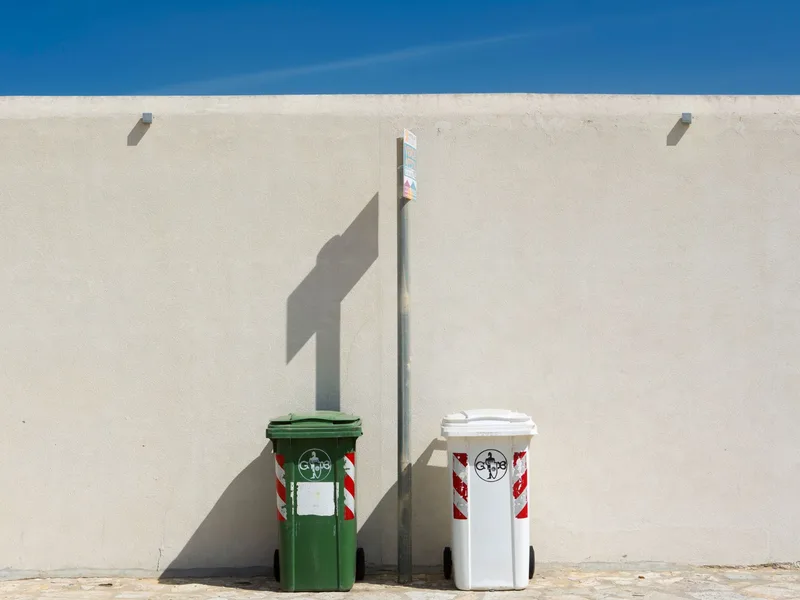
The bin base
The bin base collects liquids and organic film where larvae thrive. Most bins in ground floor shops are not lifted or emptied daily or kept sealed.
The film inside a drain
The drain film forms from grease and decomposing matter and harbours larvae and pupae. In restaurants and food shops this film builds up thick and resistant.
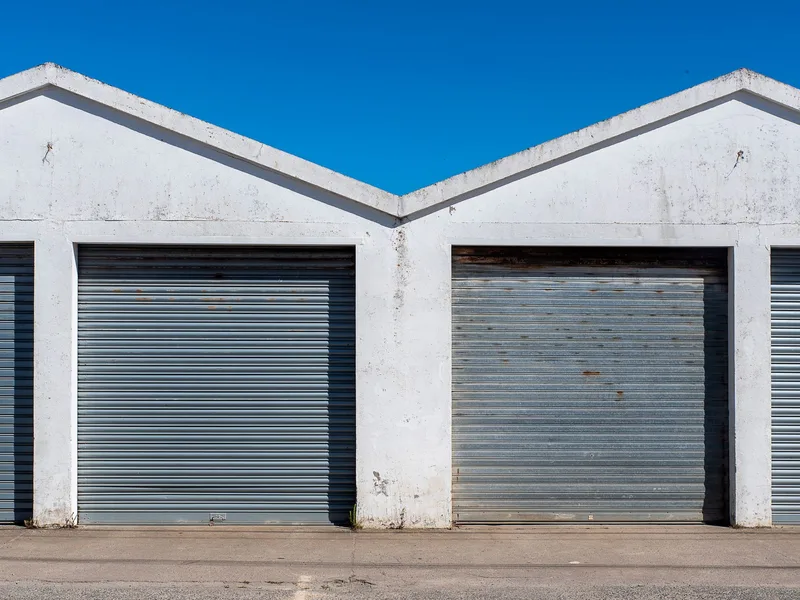
The service door and its mesh
Service doors and their mesh screens in shops are often left open or unguarded, forming a direct pipeline for flies entering from the street, passing through the shop and moving into flats above.
How we work
-
1
Inspect and trace the source
We trace the flies back to their medium: waste and the bin area, floor traps, drain runs and any standing organic wetness, and we identify the species from its size, its flight and where it settles.
-
2
Treat the breeding medium
Washing and scouring bin bases and floor traps, and a foam that treats the film inside the pipe, because removing the medium is the only thing that stops production.
-
3
Treat the resting surfaces
A fly spends most of its time settled on ceilings, cables, the tops of walls and the sunlit wall outside the door, and that is where the residual and the bait go, not into the air.
-
4
Proofing and the follow-up
We close the ways in and sort out the screens and the doors, then come back on a date matching the emergence of the pupae that were already in the medium on the first visit.
What fly control includes
-

A source tracing inspection
The species, the breeding medium and the route in, established before anything is applied.
-

Drains and floor traps
Scouring the film stuck inside the pipe and treating it with foam, which is where drain flies come from and almost nowhere else.
-

Residual on the resting surfaces
Ceilings, cables, the tops of walls and the sunlit wall outside the door, kept off food preparation surfaces.
-

Fly bait in protected positions
An attractant bait set at bin areas and service entrances, out of reach of children and pets and away from food.
-

Aftercare instructions
Ventilation, what to cover, and what needs a screen, an air curtain or a different waste routine.
-

A scheduled follow-up
A set date matching the emergence of the pupae, and re-treatment of any source still producing.
What is different about Al Jamiah Sub-Municipality
Al Jamiah sub municipality spans the older south of Jeddah. Planned districts such as Al Fayha, Al Thaghr and Madain Al Fahd sit beside crowded popular quarters like the Nazlahs and Al Quraiyat, and beside cleared or clearing land in Ghulail, Petromin and Al Thaalibah awaiting redevelopment. Apartment buildings stand close together above dense runs of shops and restaurants along Old Makkah Road and Prince Majid Road. Drainage in the popular quarters is ageing, humid air drifts in from the port and refinery side to the west, and the flat low lying ground holds rainwater in narrow streets.
Questions about this district
Is treating the shop the landlord's responsibility or the resident's?
The shop keeper bears the primary duty, but we help residents defend their flats by sealing entry points and treating resting areas. You may need to coordinate with the building management or land owner about the ground floor and common areas.
Why do flies spread through every apartment even the high ones?
Flies climb the outer walls and enter through any gap: a cracked window, air conditioning vents, spaces around pipes. If the shop below is generating flies, yours will find a way up.
How is treating a mixed building different from treating a standalone home?
In a mixed building, the upward pressure is much higher. Treating only your flat is not enough. You need sealed entry points and may need help from building management to control sources below.
Do top floor apartments have fewer flies than ground floor flats?
Not necessarily. Flies fly easily, and upper flats face similar pressure if windows are open or air conditioning is unshielded. Proximity to shops below matters more than height.
How do I protect my flat from the shop downstairs?
Keep window screens intact and tight, fit door sweeps under apartment doors, and check around water and drain pipes for gaps. Plan preventive treatment during warm months when fly activity peaks.
Do mixed-use buildings need repeated treatment?
Yes. Mixed districts need regular seasonal treatment, particularly spring through summer. If the shop below is poorly maintained, you may need treatment more often than a resident in a purely residential building.
How much does fly control in Al Rawabi cost?
It is set after the inspection, because the price follows the type of infestation, the size of the space, how far it has spread and the number of visits it needs. Send a photo and a description on WhatsApp and we will give you an estimate before we reach Al Rawabi.
Nearby districts we cover
Other services in Al Rawabi
Other services we provide to residents of Al Rawabi.
-
 Residential
Cockroach control
Residential
Cockroach control
-
 Residential
Bed bug control
Residential
Bed bug control
-
 Residential
Termite control
Residential
Termite control
-
 Residential
Rodents and mice
Residential
Rodents and mice
-
 Residential
Mosquito control
Residential
Mosquito control
-
 Residential
Ant control
Residential
Ant control
-
 Residential
Gecko control
Residential
Gecko control
-
 Residential
Scorpion control
Residential
Scorpion control
-
 Residential
Snake control
Residential
Snake control
-
 Residential
Flea control
Residential
Flea control
-
 Residential
Bird and pigeon control
Residential
Bird and pigeon control
-
 Residential
Preventive treatment
Residential
Preventive treatment
-
 Residential
Disinfection
Residential
Disinfection
-
 Commercial
Annual contracts
Commercial
Annual contracts
-
 Commercial
Restaurants and cafes
Commercial
Restaurants and cafes
-
 Commercial
Hotels and apartments
Commercial
Hotels and apartments
-
 Commercial
Warehouses and factories
Commercial
Warehouses and factories
-
 Commercial
Schools and nurseries
Commercial
Schools and nurseries
-
 Commercial
Retail and malls
Commercial
Retail and malls
-
 Commercial
Rest houses and farms
Commercial
Rest houses and farms
-
 Commercial
Fumigation
Commercial
Fumigation
-
 Water tanks
Water tank cleaning
Water tanks
Water tank cleaning
-
 Water tanks
Water tank sterilization
Water tanks
Water tank sterilization
-
 Water tanks
Water tank sealing
Water tanks
Water tank sealing
-
 Water tanks
Tank leak repair
Water tanks
Tank leak repair
Need fly control in Al Rawabi? Tell us what you saw and we will tell you what it needs
We reach Al Rawabi at a time we agree, and you get the full cost before we start.