
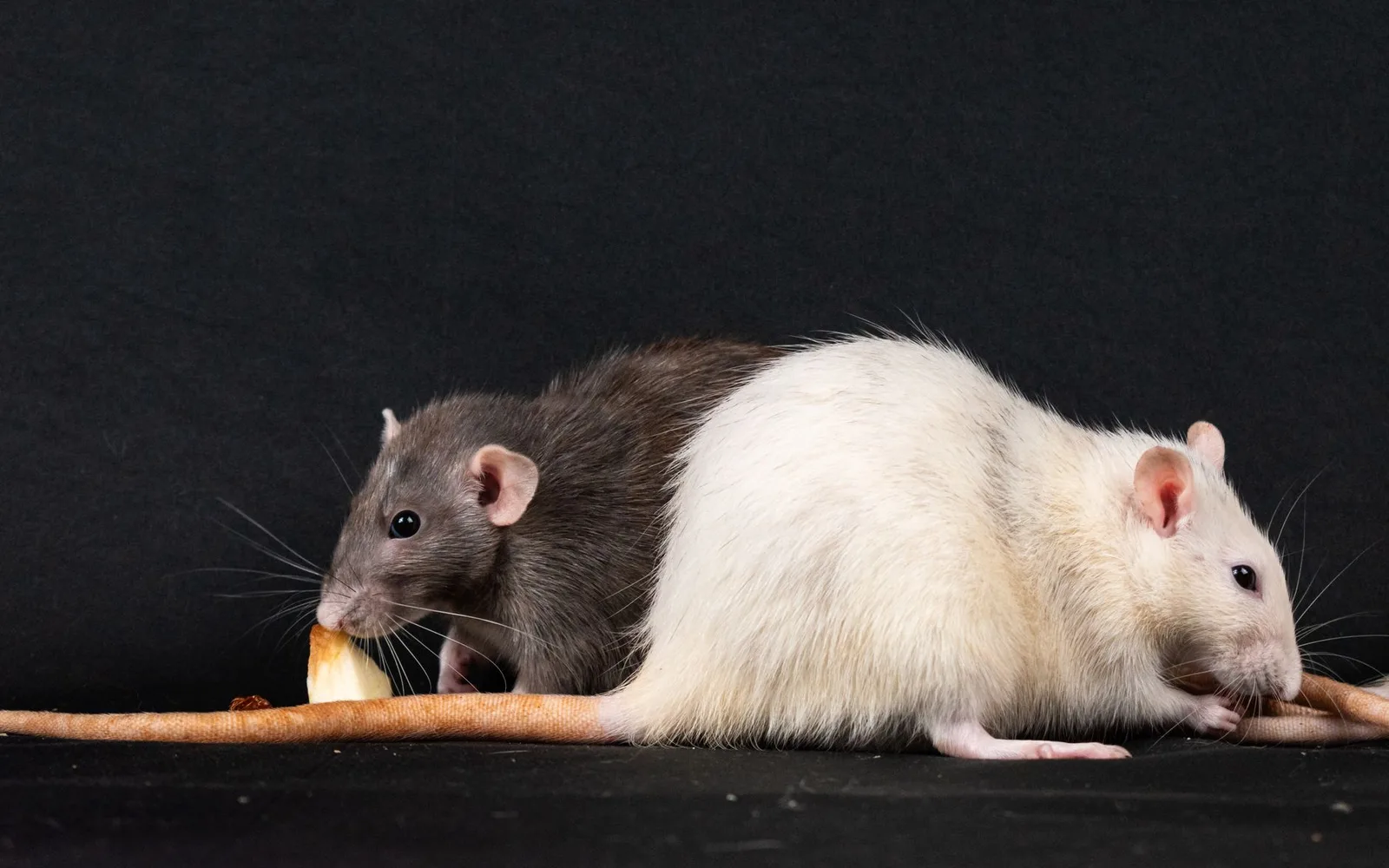
Rodents and mice in Al Rawabi Jeddah
Al Rawabi interleaves shops and eateries with residential blocks above them in high density along Old Makkah Road and Bin Laden Road. This mixing means rodents move freely between commercial and residential spaces through shared walls and ceiling voids. Every shop offers fresh food waste; every flat offers shelter from above.
-
Targeted, not broadcast
Product goes into cracks and runways, never sprayed across open surfaces.
-
Told before we start
What we will use, where it goes, and what to cover or move before we arrive.
-
A follow-up visit
We return after the first treatment, because what survives it does not show on the day.
-
Homes and businesses
Apartments and villas, and kitchens and stores that need a record of each visit.
Why they keep coming back in Al Rawabi
Rats travel vertically between Al Rawabi flats with unexpected speed, because the buildings stand close together and share internal ductwork and cavity walls that run floor to floor. The method is set out in full on what Rodents and mice involves.
Shops feed rodents every hour of trading
Ground floor eateries and groceries create constant food waste and grease trails. Unlike purely residential districts where food is confined to home kitchens, commercial shops here leak nutrition at every opening, every loading dock and every drain. Rodents learn schedules and return daily.
Shared ceiling voids bridge shop to flat
A rodent in a shop can climb an internal wall into the ceiling void above, then travel sideways through the structural space that serves the whole block. From there it drops into any adjacent flat, and the building's own framing becomes a highway.
Central waste stacks concentrate the problem
Residential blocks above shops share central stairwells and mechanical shafts that run the full height. Drainage and waste pipes follow these shafts, leaving gaps that a rodent can exploit to move from the ground floor commercial kitchen to the upper floors in minutes.
Landmarks of Al Rawabi
Work in Al Rawabi organises itself around the two main streets that carry the district's commercial and residential mix. We reach the commercial base and flats along Old Makkah Road from one approach, and the northern residential concentration through Bin Laden Road from the other, with particular attention to the proximity of Bin Laden Park as a possible rodent refuge.
- Old Makkah Road
- Bin Laden Road
- Bin Laden Park
- Ibn Al Qayyim Mosque
- Al Rawabi Shopping Centre
What we read in the building before any bait goes down
Dense ground floor trading sits beneath stacked residential floors, leaving large gaps under doors and around shared pipes. Restaurants and groceries operate continuously, dropping scraps and grease that rodents reach from the moment a shop opens.
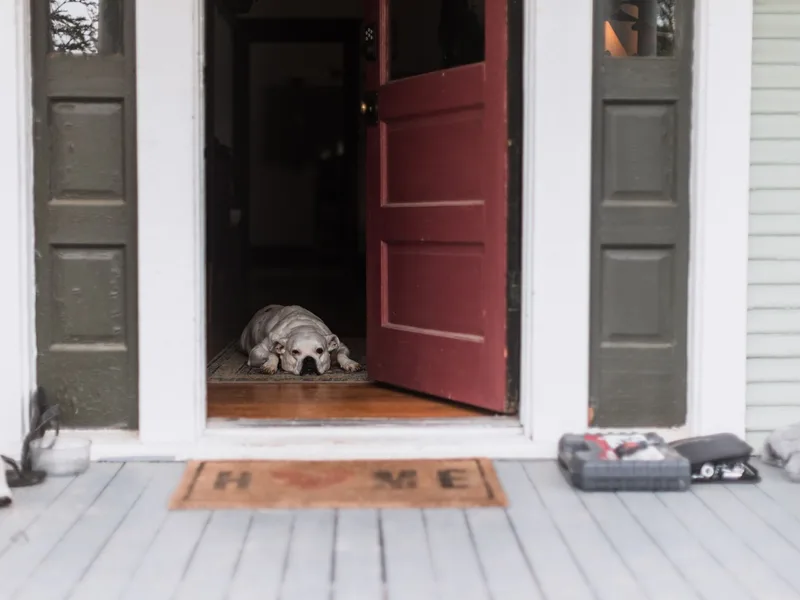
The gap under the door
In Al Rawabi, the gaps under doors between shops and flats are often large because commercial and residential spaces were fitted out at different times. Each gap must be measured separately and sealed with material that will not compress under use.
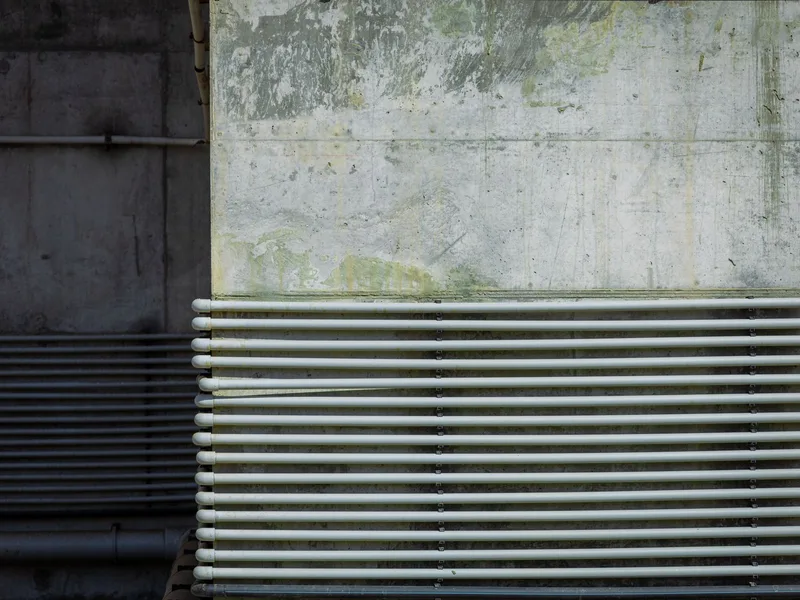
Pipe and conduit openings
Pipe openings in commercial kitchens and eateries are larger than in homes because they serve high volume dishwashing and food prep. Every opening around air conditioning condensate lines, waste stacks and water supply pipes must be sealed with material that is both rigid and gnaw-proof.
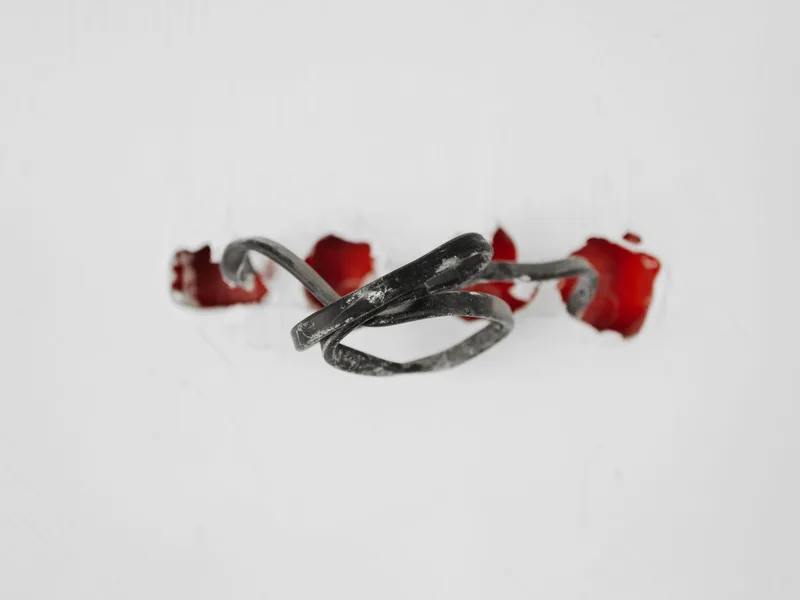
Gnaw marks
Gnaw marks in Al Rawabi shops appear on cardboard boxes, plastic bags and food sacks in storerooms, and on copper supply pipes and cable conduit in the shared ceiling voids above the commercial floor.
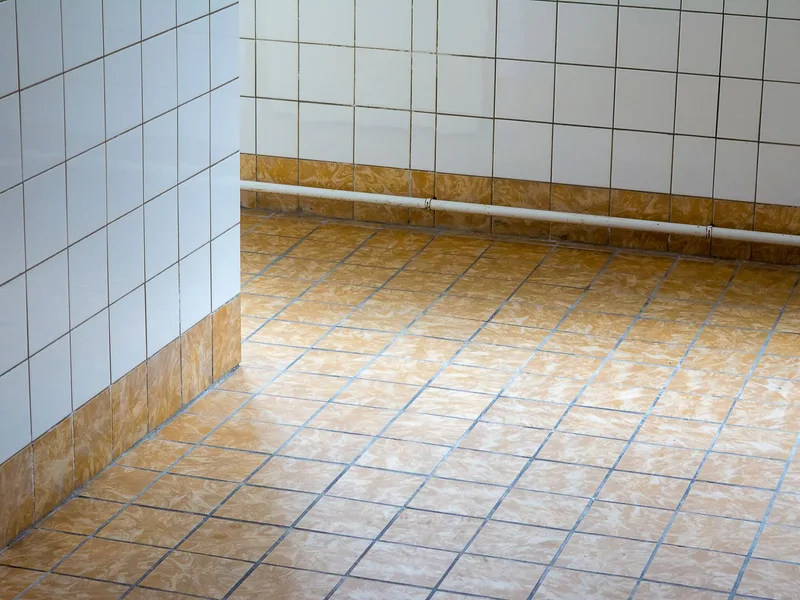
The run along the wall
The run along walls in Al Rawabi shops follows plumbing lines and mechanical ducts closely, with grease staining and small pellets of food debris along the edge of the wall where the rodent travels between supply points and shelter.
The route from above
Rodents climb from lower ceilings to upper ones through voids in internal load-bearing walls and gaps around the central mechanical and waste risers. You may find gnaw damage on wooden ceiling boards and marks on conduit and pipe insulation in the shared structural void.
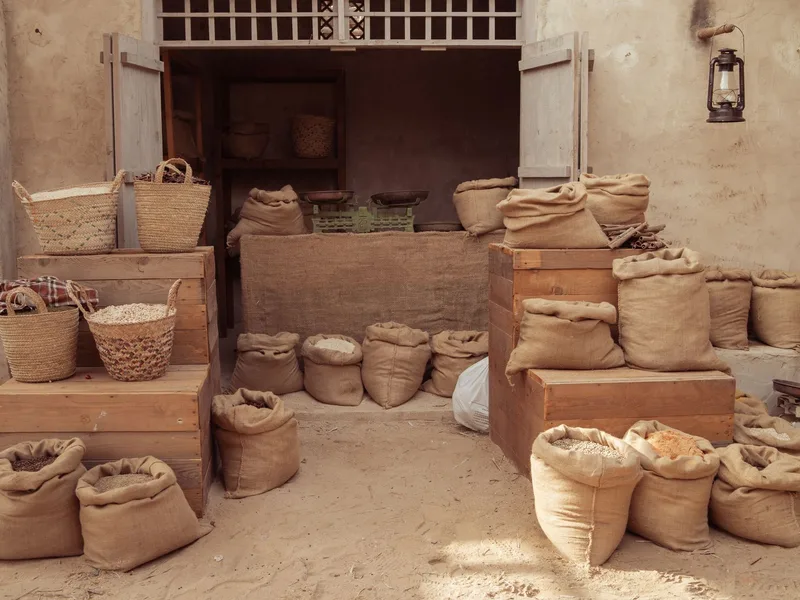
The water and the food on offer
Eateries and shops provide water continuously from sinks, drains, chillers and ice machines. Food waste appears every hour from prep, service and disposal. This permanent food and water supply keeps rodents returning to Al Rawabi daily.
How we work
-
1
Inspect and trace the runs
We work the perimeter, the kitchen, the store and the false ceiling, establish the species, the entry points and the water source, and mark the station positions before anything is carried in.
-
2
Close the openings
Metal mesh, mortar and base strips at the gaps, around pipe sleeves and at vents, because foam and silicone are gnawed through within days.
-
3
Secured bait and traps
Closed stations fixed on the runs outside the building, and traps rather than loose bait indoors, so that anything that dies stays somewhere we can reach.
-
4
The follow-up visit
We read the take at each station, replenish what has gone, remove anything found, and close any opening that showed itself once the movement settled.
What rodent control includes
-

Inspection and a station map
Entry points, runs and station positions recorded, so the same points are checked on every visit.
-

Sealing pipes and drains
Floor traps, pipe sleeves, vents and the air conditioning drain line, the routes that arrive from outside the unit.
-

Secured bait stations
Closed and fixed on the outside runs, out of reach of children and animals, while indoors we work with traps.
-

Treating the nest site
A rodent leaves parasites and nesting material behind, so the nest is removed and the void it sat in is treated.
-

Aftercare instructions
Stock lifted off the floor, droppings cleaned damp with disinfectant instead of swept dry, and pet bowls emptied at night.
-

A scheduled follow-up
A set date after the first visit: read the take, replenish the bait, remove anything found and close what is still open.
What is different about Al Jamiah Sub-Municipality
Al Jamiah sub municipality spans the older south of Jeddah. Planned districts such as Al Fayha, Al Thaghr and Madain Al Fahd sit beside crowded popular quarters like the Nazlahs and Al Quraiyat, and beside cleared or clearing land in Ghulail, Petromin and Al Thaalibah awaiting redevelopment. Apartment buildings stand close together above dense runs of shops and restaurants along Old Makkah Road and Prince Majid Road. Drainage in the popular quarters is ageing, humid air drifts in from the port and refinery side to the west, and the flat low lying ground holds rainwater in narrow streets.
Questions about this district
If there are rats in the shop below my flat, do I need treatment too?
Yes, in most cases. Rodents climb from commercial spaces into flats through voids in shared walls. Even if you have not seen them in your flat, they may already be nesting inside the walls or ceiling. Both shop and flat must be treated as a system.
Is sealing the gaps under shop doors in Al Rawabi enough?
Sealing is essential but not sufficient on its own. Rodents exploit gaps around air conditioning units, loose conduit boxes, voids behind skirting, and the central pipes that serve the building. Every entry point in every wall and ceiling must be found and sealed.
Are the restaurants and bakeries the main source of the rodent problem?
Kitchens and bakeries create a powerful food source and draw rodents consistently. But they are not the only driver. Poorly sealed flats above shops, stored foodstuffs, and blocked drainage pipes in the block all amplify the problem. Rodents that start in a commercial space often establish themselves in the floors above.
Can I solve this by treating my flat alone while the shop remains untreated?
No. Rodents from the shop will re-enter your flat from below through shared wall voids. The shop, the ceiling space above it and your flat are one connected space. Treating only your flat leaves the entry point live and the rodents free to return.
When do rodents cause the worst problems in Al Rawabi?
Al Rawabi shops operate year round, so food and shelter are constant. Pressure grows in winter and spring when rats seek warm, enclosed spaces. Seasonal restaurants add peaks in autumn. The overlapping human and rodent schedules mean activity every month.
Does moisture from kitchens and bathrooms worsen the problem?
Yes. Kitchens produce steam, and bathrooms above them hold humidity inside the building's cavities. Rodents seek warmth and moisture alongside food. Al Rawabi's mix of catering, residential plumbing and mechanical systems creates exactly the moist, warm nest environment they prefer.
How much does rodents and mice in Al Rawabi cost?
It is set after the inspection, because the price follows the type of infestation, the size of the space, how far it has spread and the number of visits it needs. Send a photo and a description on WhatsApp and we will give you an estimate before we reach Al Rawabi.
Nearby districts we cover
Other services in Al Rawabi
Other services we provide to residents of Al Rawabi.
-
 Residential
Cockroach control
Residential
Cockroach control
-
 Residential
Bed bug control
Residential
Bed bug control
-
 Residential
Termite control
Residential
Termite control
-
 Residential
Mosquito control
Residential
Mosquito control
-
 Residential
Fly control
Residential
Fly control
-
 Residential
Ant control
Residential
Ant control
-
 Residential
Gecko control
Residential
Gecko control
-
 Residential
Scorpion control
Residential
Scorpion control
-
 Residential
Snake control
Residential
Snake control
-
 Residential
Flea control
Residential
Flea control
-
 Residential
Bird and pigeon control
Residential
Bird and pigeon control
-
 Residential
Preventive treatment
Residential
Preventive treatment
-
 Residential
Disinfection
Residential
Disinfection
-
 Commercial
Annual contracts
Commercial
Annual contracts
-
 Commercial
Restaurants and cafes
Commercial
Restaurants and cafes
-
 Commercial
Hotels and apartments
Commercial
Hotels and apartments
-
 Commercial
Warehouses and factories
Commercial
Warehouses and factories
-
 Commercial
Schools and nurseries
Commercial
Schools and nurseries
-
 Commercial
Retail and malls
Commercial
Retail and malls
-
 Commercial
Rest houses and farms
Commercial
Rest houses and farms
-
 Commercial
Fumigation
Commercial
Fumigation
-
 Water tanks
Water tank cleaning
Water tanks
Water tank cleaning
-
 Water tanks
Water tank sterilization
Water tanks
Water tank sterilization
-
 Water tanks
Water tank sealing
Water tanks
Water tank sealing
-
 Water tanks
Tank leak repair
Water tanks
Tank leak repair
Need rodents and mice in Al Rawabi? Tell us what you saw and we will tell you what it needs
We reach Al Rawabi at a time we agree, and you get the full cost before we start.