
Fly control in Al Salamah Jeddah
Al Salamah is a mixed district where shops crowd the street level and flats stack above them, and flies move freely between them. Fly control here means reaching into the small storage areas, mezzanine kitchens and shared drains that bind the whole block together. The flies spend their lifecycle in places most residents never see.
-
Targeted, not broadcast
Product goes into cracks and runways, never sprayed across open surfaces.
-
Told before we start
What we will use, where it goes, and what to cover or move before we arrive.
-
A follow-up visit
We return after the first treatment, because what survives it does not show on the day.
-
Homes and businesses
Apartments and villas, and kitchens and stores that need a record of each visit.
Why they keep coming back in Al Salamah
Small shops here do not have separate waste stores, so their bins sit on the street or in narrow yards next to customers, and flies spend daylight hours right beside the food. The method is set out in full on what Fly control involves.
Shared bins sitting below the shops
Each small retailer tips waste into the shared street bin or a cramped yard, and bins stay full most days. Flies reach every one and move straight up into the shop above it. The journey from bin to counter is vertical and unguarded.
Shared drainage binding floors together
Shops and flats often share a single drain run, and standing water under ground floors is routine. This is the true breeding ground, not what is visible on shelves. The network connects kitchens to storage to drains to other buildings.
Cramped back stores with no air flow
Small retailers keep stock in corners inside the shop or under stair wells, ventilation is poor and damp builds up. Flies rest there for days before reaching the counter or shelves customers see.
Al Salamah on the map
Al Salamah sits about 2 km from Al Zahra and about 3 km from Al Rawdah.
Open in Google MapsWhere the flies are actually coming from
Dense commercial streets line Quraish and Al Yamamah, with small shops directly below apartment buildings and shared drainage networks connecting shops to flats.
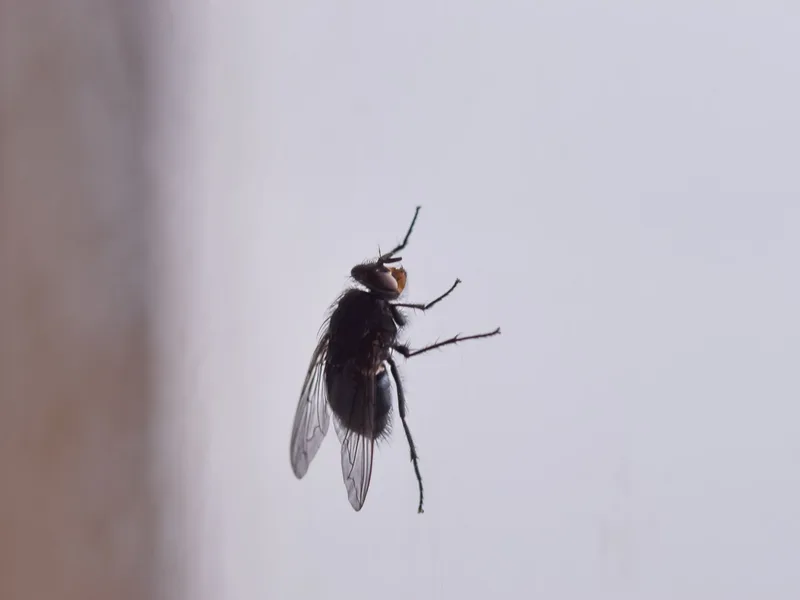
House fly
The house fly breeds in stored goods and standing water under shared ground floors, and rests on warm surfaces in the shops all day long.
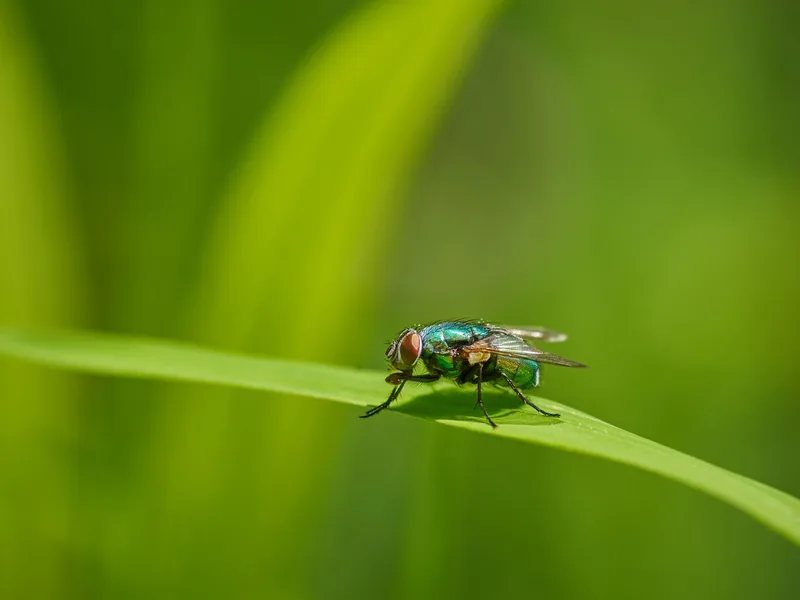
Blow fly
The blow fly clusters at overflowing bins and moves quickly into shops because the food source sits outside the door.
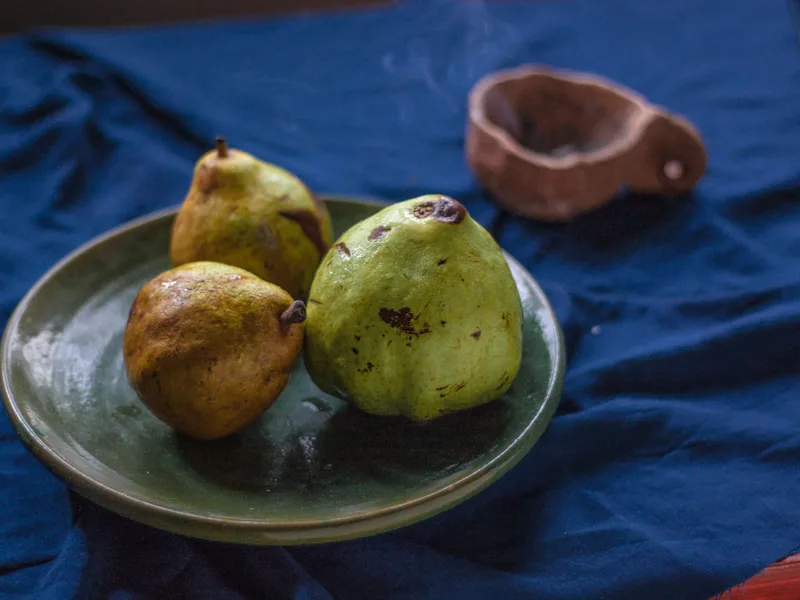
Fermenting residue
Wet refuse and decomposing matter under the shared bins is the primary nursery, and emptying daily or twice weekly slows it but does not end it.
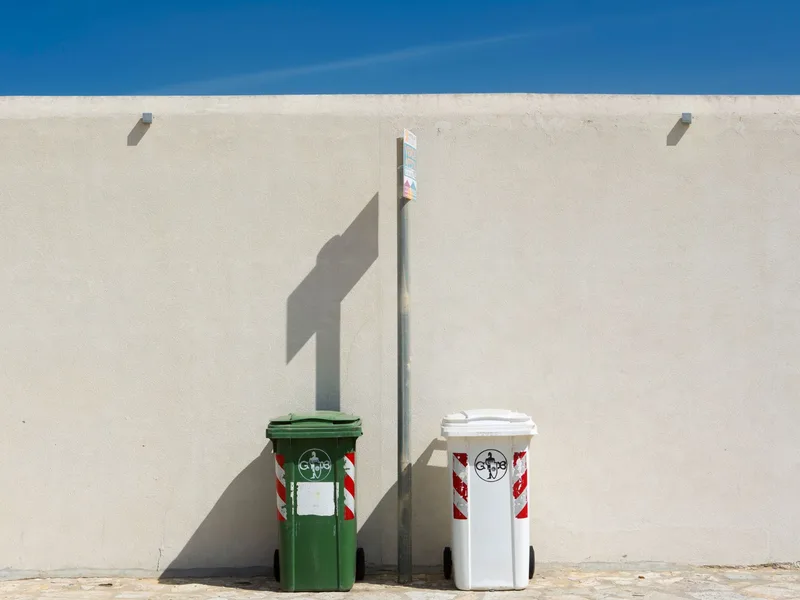
The bin base
The bin base collects liquid and fine waste particles, and continuous moisture ensures breeding continues through the year.
The film inside a drain
Biofilm inside the drain consists of food scraps, grease and bacteria, and it shields breeding fly larvae from light surface treatment.
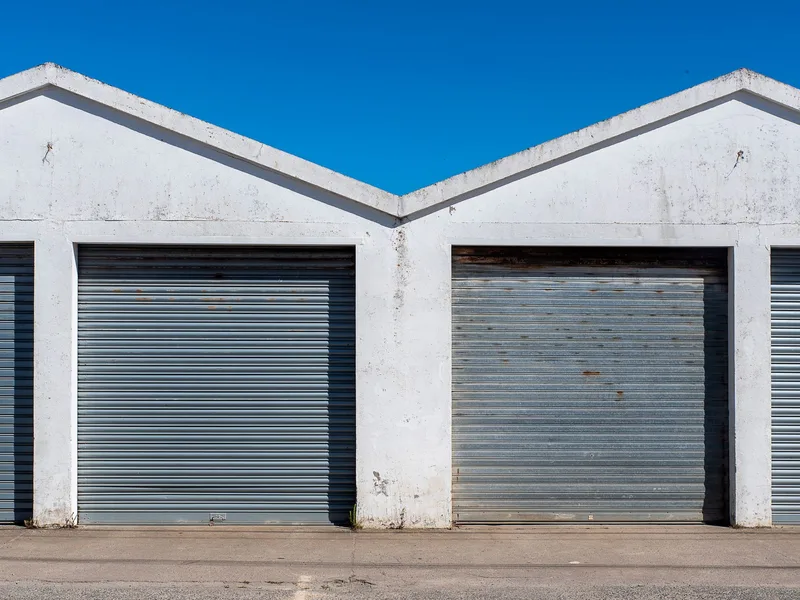
The service door and its mesh
Gaps around shop doors and vents beside them let flies in from the street directly, and proper mesh cuts the entry rate sharply.
How we work
-
1
Inspect and trace the source
We trace the flies back to their medium: waste and the bin area, floor traps, drain runs and any standing organic wetness, and we identify the species from its size, its flight and where it settles.
-
2
Treat the breeding medium
Washing and scouring bin bases and floor traps, and a foam that treats the film inside the pipe, because removing the medium is the only thing that stops production.
-
3
Treat the resting surfaces
A fly spends most of its time settled on ceilings, cables, the tops of walls and the sunlit wall outside the door, and that is where the residual and the bait go, not into the air.
-
4
Proofing and the follow-up
We close the ways in and sort out the screens and the doors, then come back on a date matching the emergence of the pupae that were already in the medium on the first visit.
What fly control includes
-

A source tracing inspection
The species, the breeding medium and the route in, established before anything is applied.
-

Drains and floor traps
Scouring the film stuck inside the pipe and treating it with foam, which is where drain flies come from and almost nowhere else.
-

Residual on the resting surfaces
Ceilings, cables, the tops of walls and the sunlit wall outside the door, kept off food preparation surfaces.
-

Fly bait in protected positions
An attractant bait set at bin areas and service entrances, out of reach of children and pets and away from food.
-

Aftercare instructions
Ventilation, what to cover, and what needs a screen, an air curtain or a different waste routine.
-

A scheduled follow-up
A set date matching the emergence of the pupae, and re-treatment of any source still producing.
The character of Al Salamah
Mixed district: shops at street level with homes above them
In a mixed district, shops and homes are part of one building system, so treating the flat alone will not solve the problem if the shop below stores food and discards waste daily. The entire zone must be treated together.
Questions about this district
Do flies move from shop to shop under the same building?
Yes, through gaps between shops, shared drains and open doors. Flies do not respect shop walls. They search for food and moisture, which connect every unit to every other.
Must the shop be closed during treatment?
Yes, for a defined period depending on the method used. If it is a food shop or cafe, we schedule treatments during closure or isolate the enclosed spaces and drains separately.
Can treatment reach inside the drain pipes?
Yes, we access drains through inspection ports and waste traps. This is a core part of the service because most flies breed there, not on surfaces.
When will the shop see improvement?
Within hours of treatment you will see fewer flies, but we cannot stop until we stop breeding. Adult flies die quickly, but eggs in the drains hatch over the following days.
Do the shop and flat above it need separate treatment?
They may. If shop and flat share drains, one plan covers both. If they have separate waste streams, we treat each to its own need.
How do I stop flies entering from the shop next door?
Gaps around doors, windows and shared pipes are the routes. We seal what is sealed, treat shared drains alongside neighbours if possible, and cut air gaps that let flies pass.
How much does fly control in Al Salamah cost?
It is set after the inspection, because the price follows the type of infestation, the size of the space, how far it has spread and the number of visits it needs. Send a photo and a description on WhatsApp and we will give you an estimate before we reach Al Salamah.
Nearby districts we cover
Other services in Al Salamah
Other services we provide to residents of Al Salamah.
-
 Residential
Cockroach control
Residential
Cockroach control
-
 Residential
Bed bug control
Residential
Bed bug control
-
 Residential
Termite control
Residential
Termite control
-
 Residential
Rodents and mice
Residential
Rodents and mice
-
 Residential
Mosquito control
Residential
Mosquito control
-
 Residential
Ant control
Residential
Ant control
-
 Residential
Gecko control
Residential
Gecko control
-
 Residential
Scorpion control
Residential
Scorpion control
-
 Residential
Snake control
Residential
Snake control
-
 Residential
Flea control
Residential
Flea control
-
 Residential
Bird and pigeon control
Residential
Bird and pigeon control
-
 Residential
Preventive treatment
Residential
Preventive treatment
-
 Residential
Disinfection
Residential
Disinfection
-
 Commercial
Annual contracts
Commercial
Annual contracts
-
 Commercial
Restaurants and cafes
Commercial
Restaurants and cafes
-
 Commercial
Hotels and apartments
Commercial
Hotels and apartments
-
 Commercial
Warehouses and factories
Commercial
Warehouses and factories
-
 Commercial
Schools and nurseries
Commercial
Schools and nurseries
-
 Commercial
Retail and malls
Commercial
Retail and malls
-
 Commercial
Rest houses and farms
Commercial
Rest houses and farms
-
 Commercial
Fumigation
Commercial
Fumigation
-
 Water tanks
Water tank cleaning
Water tanks
Water tank cleaning
-
 Water tanks
Water tank sterilization
Water tanks
Water tank sterilization
-
 Water tanks
Water tank sealing
Water tanks
Water tank sealing
-
 Water tanks
Tank leak repair
Water tanks
Tank leak repair
Need fly control in Al Salamah? Tell us what you saw and we will tell you what it needs
We reach Al Salamah at a time we agree, and you get the full cost before we start.