
Fly control in Jabal Al Noor Makkah
Jabal Al Noor and the Hira Cave draw visitors year round, and the apartment blocks wrapped around the mountain's base concentrate people, waste and flies in tightly stacked residential buildings. In Jabal Al Noor the flies shelter in the narrow gaps between repeated floors and shared entrances, making the source harder to locate than in isolated homes.
-
Targeted, not broadcast
Product goes into cracks and runways, never sprayed across open surfaces.
-
Told before we start
What we will use, where it goes, and what to cover or move before we arrive.
-
A follow-up visit
We return after the first treatment, because what survives it does not show on the day.
-
Homes and businesses
Apartments and villas, and kitchens and stores that need a record of each visit.
Why they keep coming back in Jabal Al Noor
Shared entrances mean flies move freely between units even after one flat is treated, because the real breeding sources lie in the common areas, shared waste lines and building voids. The method is set out in full on the full Fly control page.
Repeated floors and shared building voids
Modern residential towers create tiny repeated gaps between floors, stairs and common hallways where flies hide and breed away from sight. Treating a single flat does nothing because the true source sits in shared waste, communal bathrooms and drainage that runs between units, not within them.
Shop density and street level food waste
Souq Al Arab and King Faisal Road pack shops so close that waste cannot reach distant bins, and flies shelter in shop stores then climb to upper flats through building voids and ventilation shafts. The ground floor is a breeding factory feeding the towers above.
Seasonal visitor surge and lingering debris
Peak pilgrimage and visit seasons flood hotels, lodges and shops with fresh waste, and fly numbers double rapidly. Long after the season ends, food scraps remain trapped in crevices and roof spaces, attracting new generations and carrying pressure to surrounding areas.
Jabal Al Noor on the map
Jabal Al Noor sits about 1.5 km from Al Adl and about 2.5 km from Al Khansa.
Open in Google MapsWhere the flies are actually coming from
The mountain's base is densely built with residential towers along King Faisal Road and around Souq Al Arab, where waste from multiple shops and adjacent flats accumulates in confined spaces.
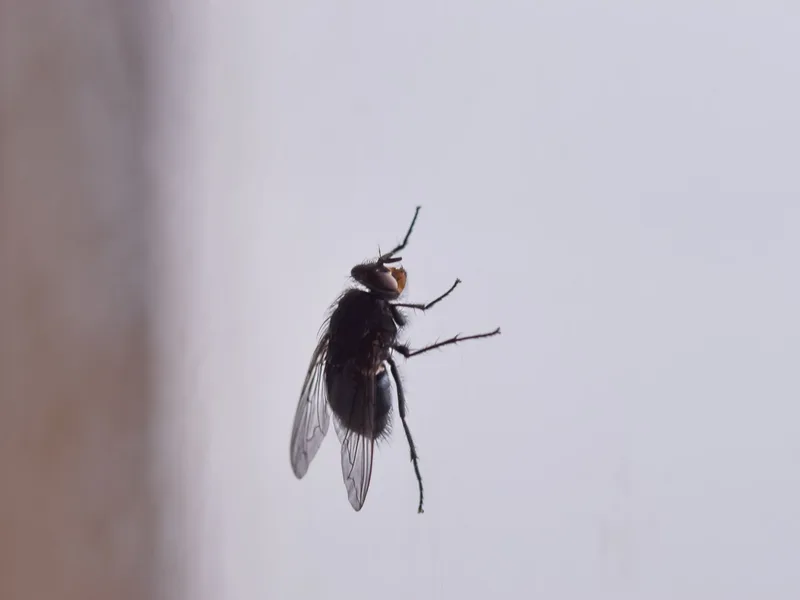
House fly
The house fly thrives in the narrow gaps and shared areas of residential towers, breeding fast in the pooled drainage between multiple units.
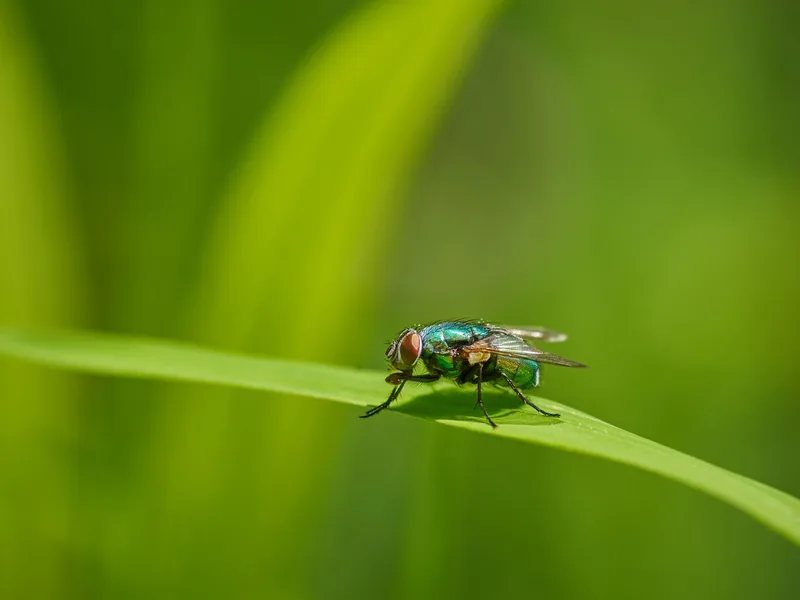
Blow fly
The blow fly finds abundant food in ground floor shop stores and meat and poultry sellers lining King Faisal Road.
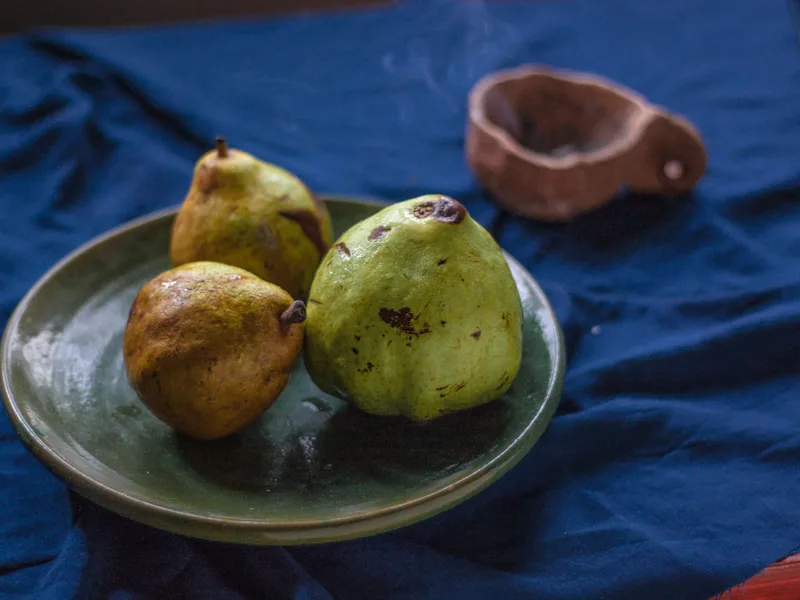
Fermenting residue
Fermenting residue collects in building corners, inter-floor voids and roof spaces where routine cleaning does not reach.
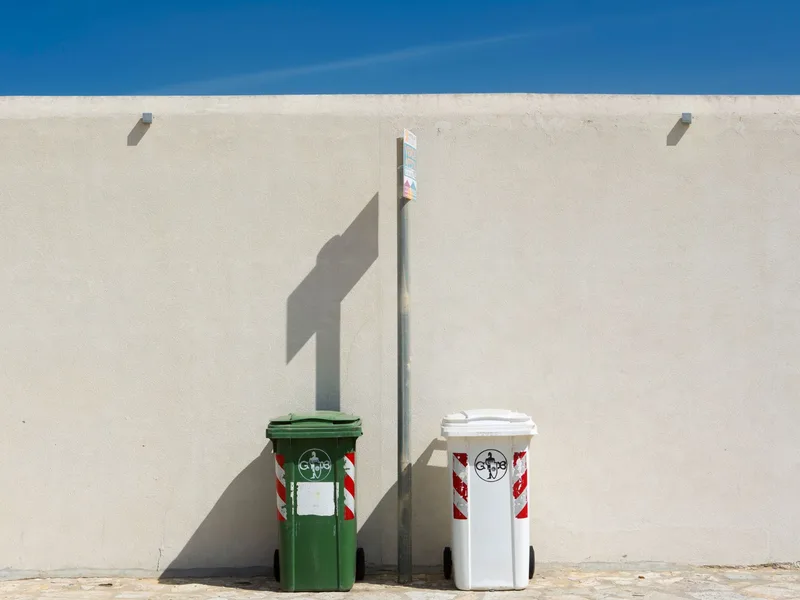
The bin base
The bin base stays wet and filthy in the gaps between towers and shops, and water leaks down into underground building voids.
The film inside a drain
The film inside a drain forms rapidly in shared waste pipes between flats and shops, especially in humid heat.
The service door and its mesh
The service door and its mesh must seal every gap between units, because flies pass through the smallest openings searching for food and breeding sites.
How we work
-
1
Inspect and trace the source
We trace the flies back to their medium: waste and the bin area, floor traps, drain runs and any standing organic wetness, and we identify the species from its size, its flight and where it settles.
-
2
Treat the breeding medium
Washing and scouring bin bases and floor traps, and a foam that treats the film inside the pipe, because removing the medium is the only thing that stops production.
-
3
Treat the resting surfaces
A fly spends most of its time settled on ceilings, cables, the tops of walls and the sunlit wall outside the door, and that is where the residual and the bait go, not into the air.
-
4
Proofing and the follow-up
We close the ways in and sort out the screens and the doors, then come back on a date matching the emergence of the pupae that were already in the medium on the first visit.
What fly control includes
-

A source tracing inspection
The species, the breeding medium and the route in, established before anything is applied.
-

Drains and floor traps
Scouring the film stuck inside the pipe and treating it with foam, which is where drain flies come from and almost nowhere else.
-

Residual on the resting surfaces
Ceilings, cables, the tops of walls and the sunlit wall outside the door, kept off food preparation surfaces.
-

Fly bait in protected positions
An attractant bait set at bin areas and service entrances, out of reach of children and pets and away from food.
-

Aftercare instructions
Ventilation, what to cover, and what needs a screen, an air curtain or a different waste routine.
-

A scheduled follow-up
A set date matching the emergence of the pupae, and re-treatment of any source still producing.
What is different about Al Maabdah Sub-Municipality
Al Maabdah sub municipality climbs from Al Abtah and Al Jumayzah beside the Al Mualla cemetery up through Al Khansa and Rai Adhakhir to Al Adl, Jabal Al Nour, Wadi Jaleel and Qurtubah on the outer ring roads. It mixes hotels and pilgrim housing near the Grand Mosque with old popular houses on hillside passes, new housing schemes on valley floors that carry flash floods after rain, and industrial plots, workshops and warehouses along Al Hajj Street in Qurtubah. Street widening and expropriation leave partly demolished frontages in Al Khansa.
Questions about this district
Why do flies move from flat to flat even after treating two units?
The true source is in shared drainage lines, communal areas and the building void between units. Every flat must be treated alongside shared spaces, roof access and storage areas, because flies move freely through building gaps between floors and never stay confined to one unit.
Is treating the ground floor shops alone enough to stop flies in the flats?
Shops alone do not solve it because flies climb to upper flats through ventilation gaps and shared waste pipes. Treatment must reach the gaps between floors, roof surfaces and common areas, not just visible shop spaces.
Does fly pressure in upper flats come from Souq Al Arab below?
Flies from the souq only reach the first few storeys directly. Upper flats receive them through shared infrastructure, internal drainage and building voids, not the external market below.
Why does fly pressure spike so suddenly during visitor seasons?
Hotels, lodges and shops multiplying footfall and waste at once overwhelm the building's waste systems, and constant visitor movement carries flies through shared entrances and hallways.
Does closing windows and vents reduce flies in a single flat?
Window closure does not work because flies breed inside pipe networks and shared spaces, not only outdoors. Kitchen drains, bathroom pipes and common waste lines must be treated directly.
Does treating ground shops before peak season stop flies reaching the flats?
Pre season shop treatment cuts numbers but does not stop them, because flies are already breeding inside building voids and drainage. Flats and common areas must be treated together at the same time.
How much does fly control in Jabal Al Noor cost?
It is set after the inspection, because the price follows the type of infestation, the size of the space, how far it has spread and the number of visits it needs. Send a photo and a description on WhatsApp and we will give you an estimate before we reach Jabal Al Noor.
Nearby districts we cover
Other services in Jabal Al Noor
Other services we provide to residents of Jabal Al Noor.
-
 Residential
Cockroach control
Residential
Cockroach control
-
 Residential
Bed bug control
Residential
Bed bug control
-
 Residential
Termite control
Residential
Termite control
-
 Residential
Rodents and mice
Residential
Rodents and mice
-
 Residential
Mosquito control
Residential
Mosquito control
-
 Residential
Ant control
Residential
Ant control
-
 Residential
Gecko control
Residential
Gecko control
-
 Residential
Scorpion control
Residential
Scorpion control
-
 Residential
Snake control
Residential
Snake control
-
 Residential
Flea control
Residential
Flea control
-
 Residential
Bird and pigeon control
Residential
Bird and pigeon control
-
 Residential
Preventive treatment
Residential
Preventive treatment
-
 Residential
Disinfection
Residential
Disinfection
-
 Commercial
Annual contracts
Commercial
Annual contracts
-
 Commercial
Restaurants and cafes
Commercial
Restaurants and cafes
-
 Commercial
Hotels and apartments
Commercial
Hotels and apartments
-
 Commercial
Warehouses and factories
Commercial
Warehouses and factories
-
 Commercial
Schools and nurseries
Commercial
Schools and nurseries
-
 Commercial
Retail and malls
Commercial
Retail and malls
-
 Commercial
Rest houses and farms
Commercial
Rest houses and farms
-
 Commercial
Fumigation
Commercial
Fumigation
-
 Water tanks
Water tank cleaning
Water tanks
Water tank cleaning
-
 Water tanks
Water tank sterilization
Water tanks
Water tank sterilization
-
 Water tanks
Water tank sealing
Water tanks
Water tank sealing
-
 Water tanks
Tank leak repair
Water tanks
Tank leak repair
Need fly control in Jabal Al Noor? Tell us what you saw and we will tell you what it needs
We reach Jabal Al Noor at a time we agree, and you get the full cost before we start.