
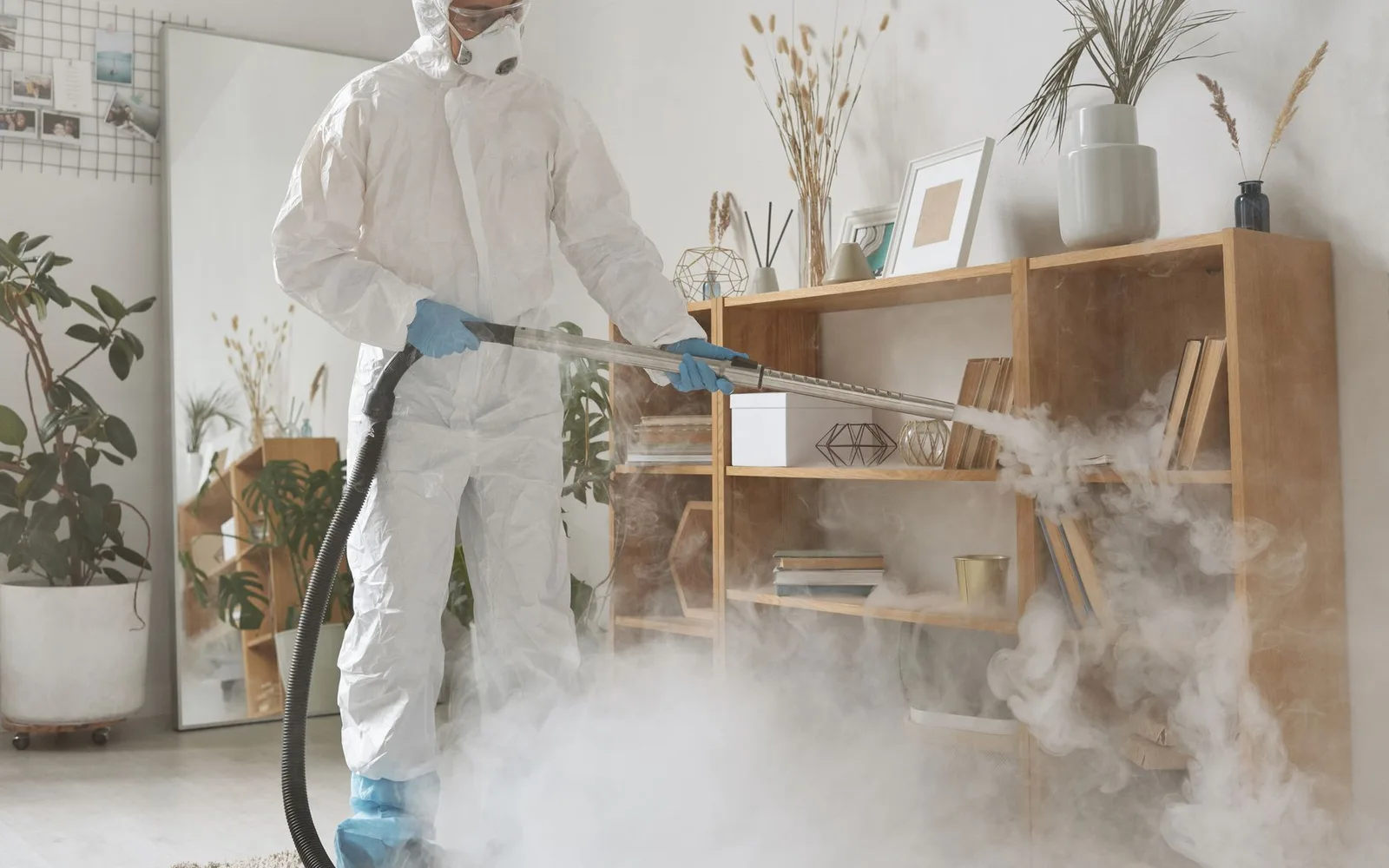
Fumigation in Al Kaakiyah Makkah
Fumigation in Al Kaakiyah addresses a vibrant commercial zone on the Al Layth Road in south Makkah, where Souq Al Halaqa dominates and the vegetable, dates and timber markets cluster at high density. Fresh produce and foodstuffs stacked in the open draw insects in swarms.
-
Targeted, not broadcast
Product goes into cracks and runways, never sprayed across open surfaces.
-
Told before we start
What we will use, where it goes, and what to cover or move before we arrive.
-
A follow-up visit
We return after the first treatment, because what survives it does not show on the day.
-
Homes and businesses
Apartments and villas, and kitchens and stores that need a record of each visit.
Why they keep coming back in Al Kaakiyah
Souq Al Halaqa houses livestock auctions for poultry, sheep and camels, and blood, slaughter waste and carcass parts leave heavy odours that attract blowflies and other necrophagous insects in huge numbers. The method is set out in full on our Fumigation service.
Open markets and daily food waste provide unlimited insect nutrition
Souq Al Halaqa is open air and food scraps, blood and refuse accumulate visibly every day. Flies and insects arrive in enormous numbers from surrounding areas and rest on every surface overnight. Fumigation alone is insufficient: comprehensive cleaning before and after is essential.
Fresh produce in small shops is easily affected by fumigation residue
Vegetable, fruit and dates shops store merchandise in large quantities on simple shelving. Insects harbour in gaps between boxes and sacks. Fumigation must leave absolutely no trace on food products that will be eaten.
Diversity of insect species requires powerful fumigation
Souq Al Kaakiyah faces blowflies, flesh flies, drain flies, water insects, spiders and small rodents. The gas must be strong enough to kill all these varied species in open-air conditions and in every concealed gap where they rest.
Al Kaakiyah on the map
What decides whether fumigation is the right method
Open-air markets and street-level trading stands sit in sun and rain, with food waste and refuse piling up in corners. Humidity is high because of fresh vegetables and the wet section of the market, and animal slaughter and butchering add to the filth.
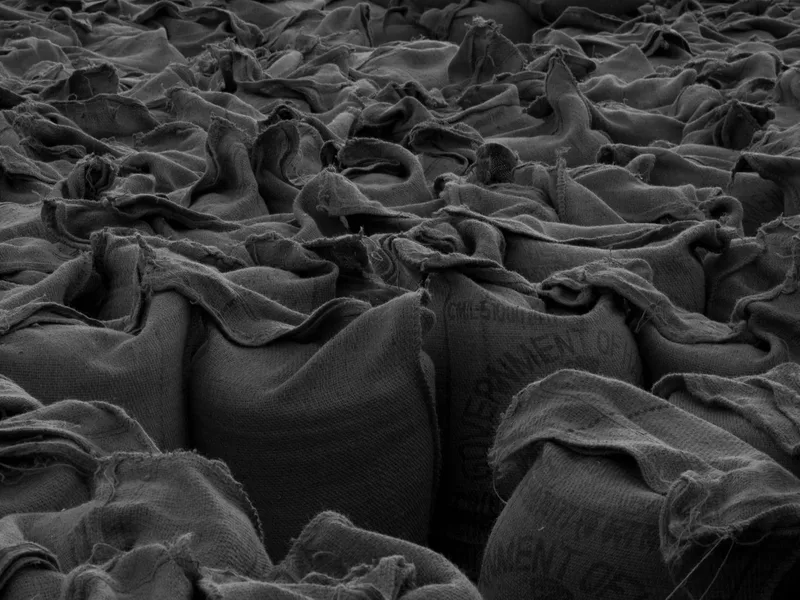
Grain and feed
Grain and feed stocks are not present in Al Kaakiyah itself, though small seeds and grain in scattered shops may attract weevils and grain beetles.

Cartons and packaging
Cardboard and packaging accumulate in vegetable, fruit and dates shops where produce arrives in bulk and high volumes.
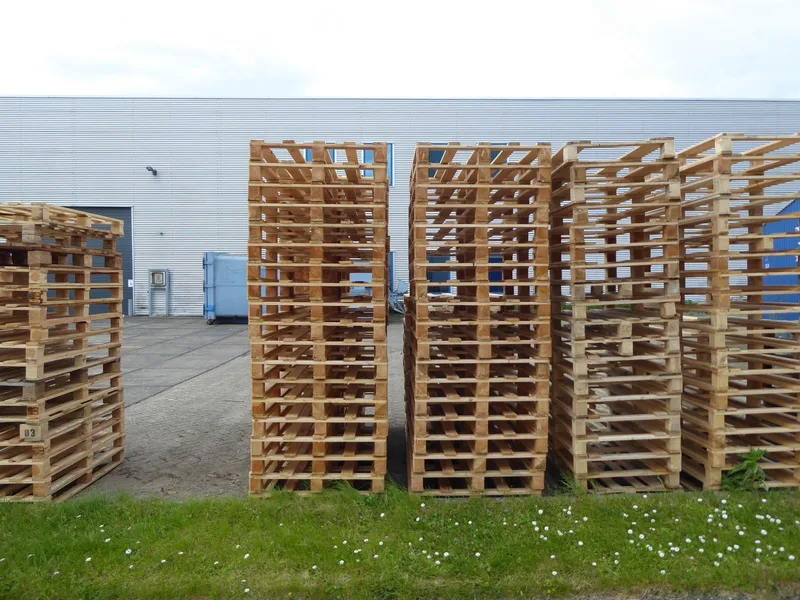
Pallets and timber
Pallets and timber appear in simple shelving and stacked storage boxes throughout the market where produce is arranged for sale.
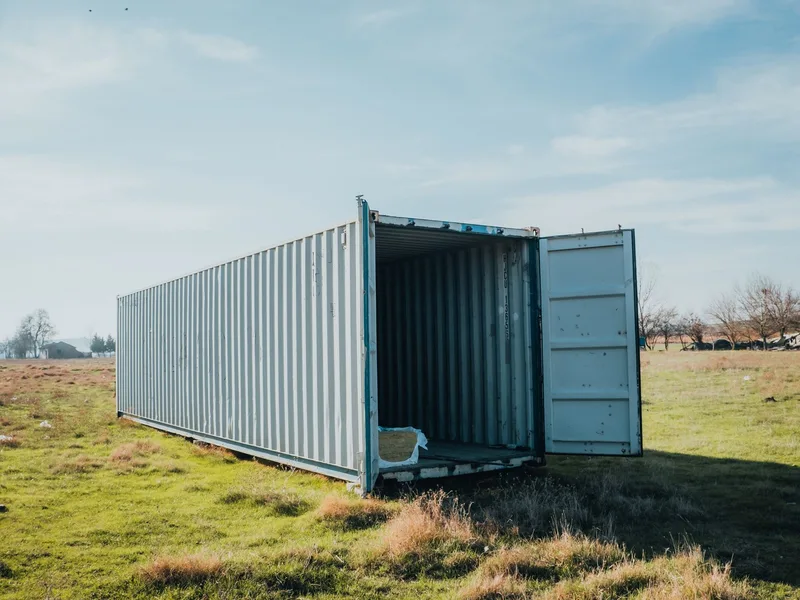
Containers and consignments
Shipping containers arrive daily from distributors and farms, and may carry insects from outside the immediate market area.
Where the gas escapes
Gas escapes readily from open markets and narrow passages between shops, so air currents in the market must be understood.
Aeration afterwards
Post-fumigation aeration is rapid in open markets, but thorough cleaning and removal of wet waste is essential to prevent insects returning immediately.
How we work
-
1
Survey and sampling
We identify the pest and its stage, go through the stock, the racking and the corners, measure the volume, and establish whether the place can be sealed as it stands or a sheeted enclosure has to be built over the stacks.
-
2
Sealing and preparation
Sheeting sealed to the floor around the stacks or the room closed up, vents, drains and door edges shut, the area emptied of people and warning signage placed before anything is introduced.
-
3
Gas introduction and monitored exposure
The dose is calculated from the volume, the commodity and its temperature, and readings through the period confirm the concentration is still there at the end of the exposure and not only at the start.
-
4
Aeration, clearance and the record
Forced ventilation, then repeated readings until the space is handed back, and a report covering what was found, how the enclosure was built, the exposure period, the readings and what needs correcting at goods inwards.
What fumigation includes
-

A recorded survey
Pest and stage, samples from the commodity, and the volume of the space, before fumigation is decided on at all.
-

Sealing the enclosure
Vents, floor drains, door edges and cable runs, which is where the gas goes if nobody closes them.
-

Dosing and monitored exposure
Dose set by volume, commodity and temperature, with readings tracking the concentration to the end of the exposure.
-

Aeration and clearance readings
Extraction and forced ventilation, then repeated readings, and the space is not opened to staff until a reading allows it.
-

Monitoring points afterwards
Pheromone traps and check points on the goods inwards route, because fumigation leaves nothing behind to protect what arrives next.
-

The report and a follow-up visit
A written record of the work and its readings, and a date to re-check the stock and deal with anything new.
The character of Al Kaakiyah
Commercial area: offices, showrooms and small stores
The commercial market zone in Al Kaakiyah around Souq Al Halaqa requires specialist fumigation that recognises food waste, blood and carcass parts attract swarms of insects, and that continuous cleaning must accompany fumigation for sustained control.
Questions about this district
Can Souq Al Halaqa be fumigated while traders are selling produce?
No. The market must close completely. We co-ordinate with market administration to conduct fumigation at night after all shops close, or on rest days.
How do we avoid leaving residue on food products in the market?
We require all merchandise to be covered with sealed plastic bags or removed from the market temporarily. After complete fumigation and aeration, no trace remains on surfaces or produce.
Does fumigation kill flies, flesh flies and all insect types in open markets?
Yes. The gas is effective against all insect types including blowflies, mosquitoes, cockroaches and silverfish. However, regular cleaning is essential to prevent insects returning from outside.
Do livestock auctions need separate treatment as well?
Yes. Sheep, camel and poultry pens need separate fumigation. Blood and carcass waste require complete cleaning before fumigation can be effective.
Do flies return to the market within a day of fumigation?
Some flies may arrive from outside the market. Daily cleaning and waste removal are essential to prevent insects establishing again.
Can individual shops in Souq Al Halaqa be fumigated separately?
Yes, but treating multiple adjoining shops together is more effective. Insects migrate easily between shops through openings and shared passages.
How much does fumigation in Al Kaakiyah cost?
It is set after the inspection, because the price follows the type of infestation, the size of the space, how far it has spread and the number of visits it needs. Send a photo and a description on WhatsApp and we will give you an estimate before we reach Al Kaakiyah.
Other services in Al Kaakiyah
Other services we provide to residents of Al Kaakiyah.
-
 Residential
Cockroach control
Residential
Cockroach control
-
 Residential
Bed bug control
Residential
Bed bug control
-
 Residential
Termite control
Residential
Termite control
-
 Residential
Rodents and mice
Residential
Rodents and mice
-
 Residential
Mosquito control
Residential
Mosquito control
-
 Residential
Fly control
Residential
Fly control
-
 Residential
Ant control
Residential
Ant control
-
 Residential
Gecko control
Residential
Gecko control
-
 Residential
Scorpion control
Residential
Scorpion control
-
 Residential
Snake control
Residential
Snake control
-
 Residential
Flea control
Residential
Flea control
-
 Residential
Bird and pigeon control
Residential
Bird and pigeon control
-
 Residential
Preventive treatment
Residential
Preventive treatment
-
 Residential
Disinfection
Residential
Disinfection
-
 Commercial
Annual contracts
Commercial
Annual contracts
-
 Commercial
Restaurants and cafes
Commercial
Restaurants and cafes
-
 Commercial
Hotels and apartments
Commercial
Hotels and apartments
-
 Commercial
Warehouses and factories
Commercial
Warehouses and factories
-
 Commercial
Schools and nurseries
Commercial
Schools and nurseries
-
 Commercial
Retail and malls
Commercial
Retail and malls
-
 Commercial
Rest houses and farms
Commercial
Rest houses and farms
-
 Water tanks
Water tank cleaning
Water tanks
Water tank cleaning
-
 Water tanks
Water tank sterilization
Water tanks
Water tank sterilization
-
 Water tanks
Water tank sealing
Water tanks
Water tank sealing
-
 Water tanks
Tank leak repair
Water tanks
Tank leak repair
Need fumigation in Al Kaakiyah? Tell us what you saw and we will tell you what it needs
We reach Al Kaakiyah at a time we agree, and you get the full cost before we start.