
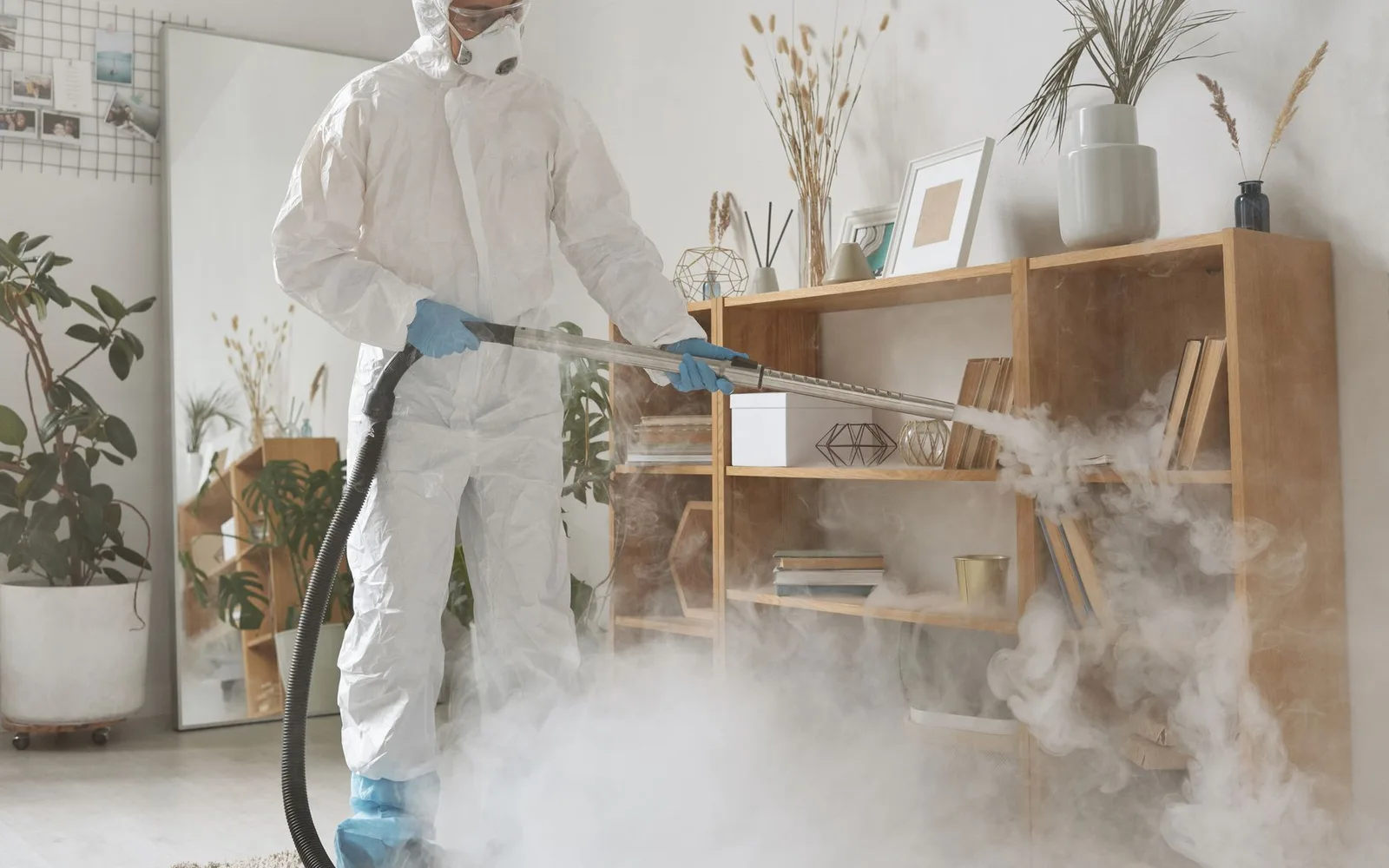
Fumigation in Al Shati Jeddah
Fumigation in Al Shati faces a singular problem: coastal humidity keeps insects far more active and resistant to conventional methods. Salt laden sea air degrades standard spraying equipment and causes residue on goods, but gas fumigation penetrates stock and stores through the damp air, reaching pests that spray misses entirely.
-
Targeted, not broadcast
Product goes into cracks and runways, never sprayed across open surfaces.
-
Told before we start
What we will use, where it goes, and what to cover or move before we arrive.
-
A follow-up visit
We return after the first treatment, because what survives it does not show on the day.
-
Homes and businesses
Apartments and villas, and kitchens and stores that need a record of each visit.
Why they keep coming back in Al Shati
Warehouses beside seafront hotels and markets hold clothing, toys and sealed consumer goods that cannot tolerate the excess moisture introduced by liquid chemical spraying. The method is set out in full on our Fumigation service.
Salt air accelerates insect breeding cycles
In warm, humid and saline coastal conditions, insect reproduction cycles speed up dramatically, particularly between seasons. Fumigation must target more generations per year than it would in an arid district, and timing of repeat treatments shifts forward.
Metal structures corrode faster from salt exposure
Sea salt attacks exposed metal and steel already sits rusted. Fumigation leaves no new metallic residues unlike spraying, so the space is genuinely cleaned before it is handed back to use.
Sealed goods cannot survive excess moisture
Clothing and sealed consumer stock here is moisture sensitive. Gas spreads without condensation or wet residue, killing every insect stage and leaving goods bone dry after aeration completes.
Al Shati on the map
Al Shati sits about 2.5 km from Al Nahdah and about 4.5 km from Al Naeem.
Open in Google MapsWhat decides whether fumigation is the right method
Al Shati sits on the Red Sea shore with relative humidity routinely above seventy percent through the year. Building walls, timber, packaging and outdoor surfaces stay perpetually damp from salt spray and sea wind.
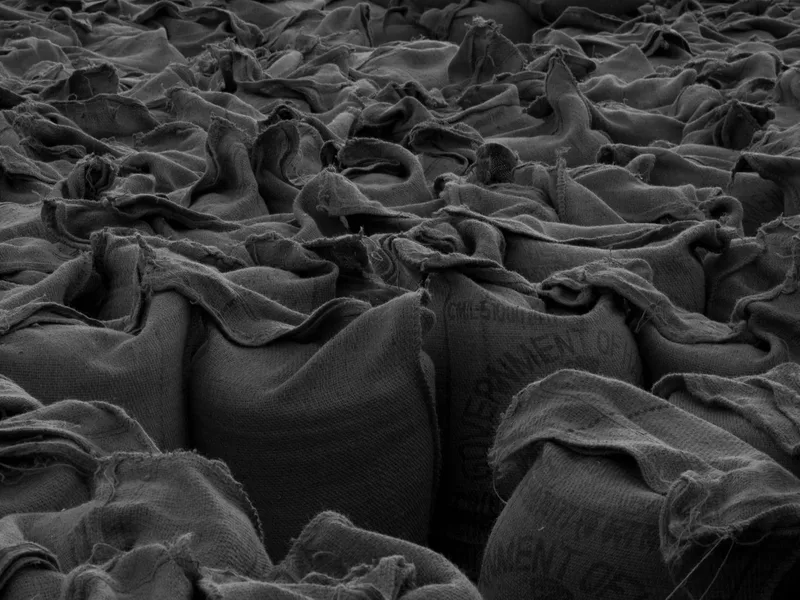
Grain and feed
Grain stores in seafront hotels and compounds are small, but fumigation reaches any grain held in kitchen storage areas or back room bins.

Cartons and packaging
Empty cartons and pallets stacked beside malls and hotels shelter coastal cockroaches perfectly, and gas penetrates every layer of stacked packaging.
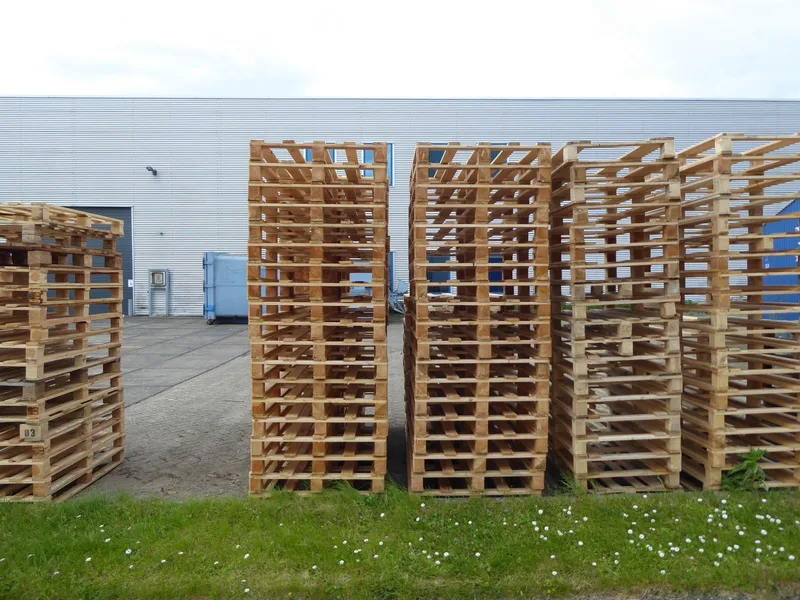
Pallets and timber
Timber and pallets from port shipments arrive already damp, and gas reaches insects inside wet wood with high efficiency.
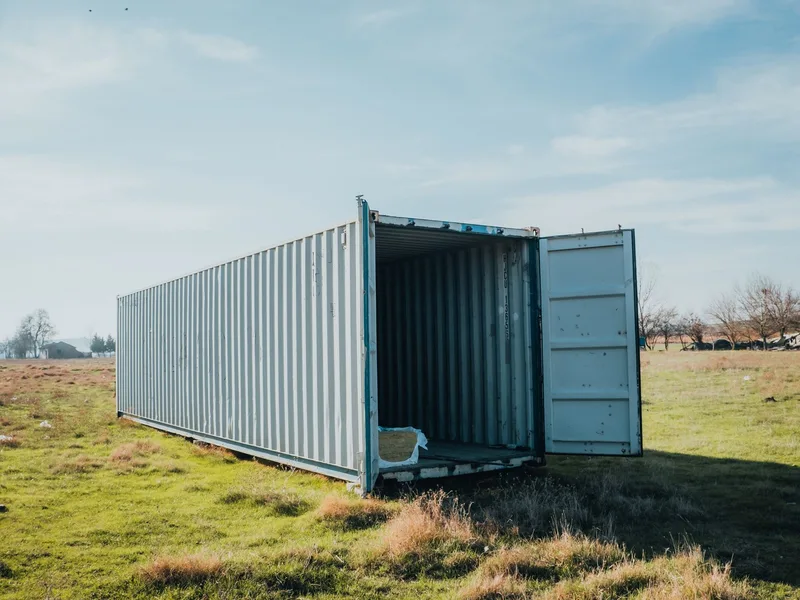
Containers and consignments
Containers arriving from port soon need rapid inspection and fumigation before opening, especially damp containers from clothing shipments.

Where the gas escapes
Gaps between old and new building walls create many escape routes, but fumigation fills every void with gas before it can leak out.
Aeration afterwards
Post fumigation aeration demands opening every window and door, and in Al Shati this moves quickly because sea winds are strong and constant.
How we work
-
1
Survey and sampling
We identify the pest and its stage, go through the stock, the racking and the corners, measure the volume, and establish whether the place can be sealed as it stands or a sheeted enclosure has to be built over the stacks.
-
2
Sealing and preparation
Sheeting sealed to the floor around the stacks or the room closed up, vents, drains and door edges shut, the area emptied of people and warning signage placed before anything is introduced.
-
3
Gas introduction and monitored exposure
The dose is calculated from the volume, the commodity and its temperature, and readings through the period confirm the concentration is still there at the end of the exposure and not only at the start.
-
4
Aeration, clearance and the record
Forced ventilation, then repeated readings until the space is handed back, and a report covering what was found, how the enclosure was built, the exposure period, the readings and what needs correcting at goods inwards.
What fumigation includes
-

A recorded survey
Pest and stage, samples from the commodity, and the volume of the space, before fumigation is decided on at all.
-

Sealing the enclosure
Vents, floor drains, door edges and cable runs, which is where the gas goes if nobody closes them.
-

Dosing and monitored exposure
Dose set by volume, commodity and temperature, with readings tracking the concentration to the end of the exposure.
-

Aeration and clearance readings
Extraction and forced ventilation, then repeated readings, and the space is not opened to staff until a reading allows it.
-

Monitoring points afterwards
Pheromone traps and check points on the goods inwards route, because fumigation leaves nothing behind to protect what arrives next.
-

The report and a follow-up visit
A written record of the work and its readings, and a date to re-check the stock and deal with anything new.
The character of Al Shati
Coastal area: high humidity and salt air through the year
Coastal humidity means insects stay active even through winter, so fumigation is needed roughly every six months rather than annually as in dry inland areas.
Questions about this district
Will the fumigation gas damage sealed textiles and fabric goods?
The gas leaves no moisture and no residue on fabric. After full aeration the goods are completely dry and odourless, quite unlike liquid sprays that stain and darken packed textiles.
How long does aeration take in humid coastal air?
Aeration takes longer in damp conditions because humidity slows gas dispersal. We measure concentration repeatedly and return goods only when it is absolutely safe.
Must we evacuate whole residential compounds before fumigation?
Yes, every entrance must seal and residents advised to leave the area. A whole district may need closure if infestation is central or drainage networks are shared.
Does the salt air affect the gas strength or action?
Salt air itself does not weaken the gas, but it does make insects more aggressive and fertile. We use higher doses and longer exposure times in Al Shati than in an inland district with identical stock.
Will coastal mosquitoes and flies die from fumigation gas?
Yes, fumigation kills every insect type including mosquitoes, flies, cockroaches and ants. Gas penetrates every crack and crevice where coastal pests shelter year round.
After fumigation, do we need a follow up treatment?
Fumigation kills every living generation in the space. Afterwards, protecting the store from humidity by improving ventilation and drying will prevent rapid re infestation.
How much does fumigation in Al Shati cost?
It is set after the inspection, because the price follows the type of infestation, the size of the space, how far it has spread and the number of visits it needs. Send a photo and a description on WhatsApp and we will give you an estimate before we reach Al Shati.
Nearby districts we cover
Other services in Al Shati
Other services we provide to residents of Al Shati.
-
 Residential
Cockroach control
Residential
Cockroach control
-
 Residential
Bed bug control
Residential
Bed bug control
-
 Residential
Termite control
Residential
Termite control
-
 Residential
Rodents and mice
Residential
Rodents and mice
-
 Residential
Mosquito control
Residential
Mosquito control
-
 Residential
Fly control
Residential
Fly control
-
 Residential
Ant control
Residential
Ant control
-
 Residential
Gecko control
Residential
Gecko control
-
 Residential
Scorpion control
Residential
Scorpion control
-
 Residential
Snake control
Residential
Snake control
-
 Residential
Flea control
Residential
Flea control
-
 Residential
Bird and pigeon control
Residential
Bird and pigeon control
-
 Residential
Preventive treatment
Residential
Preventive treatment
-
 Residential
Disinfection
Residential
Disinfection
-
 Commercial
Annual contracts
Commercial
Annual contracts
-
 Commercial
Restaurants and cafes
Commercial
Restaurants and cafes
-
 Commercial
Hotels and apartments
Commercial
Hotels and apartments
-
 Commercial
Warehouses and factories
Commercial
Warehouses and factories
-
 Commercial
Schools and nurseries
Commercial
Schools and nurseries
-
 Commercial
Retail and malls
Commercial
Retail and malls
-
 Commercial
Rest houses and farms
Commercial
Rest houses and farms
-
 Water tanks
Water tank cleaning
Water tanks
Water tank cleaning
-
 Water tanks
Water tank sterilization
Water tanks
Water tank sterilization
-
 Water tanks
Water tank sealing
Water tanks
Water tank sealing
-
 Water tanks
Tank leak repair
Water tanks
Tank leak repair
Need fumigation in Al Shati? Tell us what you saw and we will tell you what it needs
We reach Al Shati at a time we agree, and you get the full cost before we start.