

Warehouses and factories in Al Shati Jeddah
The high sea humidity and constant salt spray along Al Shati's corniche accelerate pest lifecycles and create a breeding ground inside coastal warehouses that demands a different monitoring rhythm than inland storage. We read the actual pressure on the floor and treat what the data shows.
-
Targeted, not broadcast
Product goes into cracks and runways, never sprayed across open surfaces.
-
Told before we start
What we will use, where it goes, and what to cover or move before we arrive.
-
A follow-up visit
We return after the first treatment, because what survives it does not show on the day.
-
Homes and businesses
Apartments and villas, and kitchens and stores that need a record of each visit.
Why they keep coming back in Al Shati
Insects in coastal areas complete their lifecycle faster than inland populations due to sustained warmth and high moisture from the sea. The method is set out in full on the full Warehouses and factories page.
Salt air degrades packaging barriers fast
Salt and humidity penetrate paper and cardboard containers rapidly, exposing stock to infestation from outside sources. Routine trap readings here catch entry before it reaches sensitive goods.
Wet ceilings sustain the population
Condensation on roofs and walls creates a permanent damp environment, and insects shelter there throughout the day. Pheromone traps log activity overhead before it moves down to pallets.
Cracks hold moisture and harbour rodents
Gaps in older corniche buildings collect water and salt together, forming permanent refuges for rodents and insects. The programme focuses on sealing these routes and reading what nests inside them.
Al Shati on the map
Al Shati sits about 2.5 km from Al Nahdah and about 4.5 km from Al Naeem.
Open in Google MapsWhat the first walk through the building reads
Warehouses on the corniche face continuous humidity and salt laden wind, conditions that speed the breeding cycle of stored product pests.

The shutter line
Roller doors in coastal warehouses corrode from salt and dampness, leaving gaps through which rodents and insects enter freely.

What comes in on the pallet
Pallets arriving from nearby ports may carry marine insects or larvae, and the first survey establishes whether the source is inside stock or external.
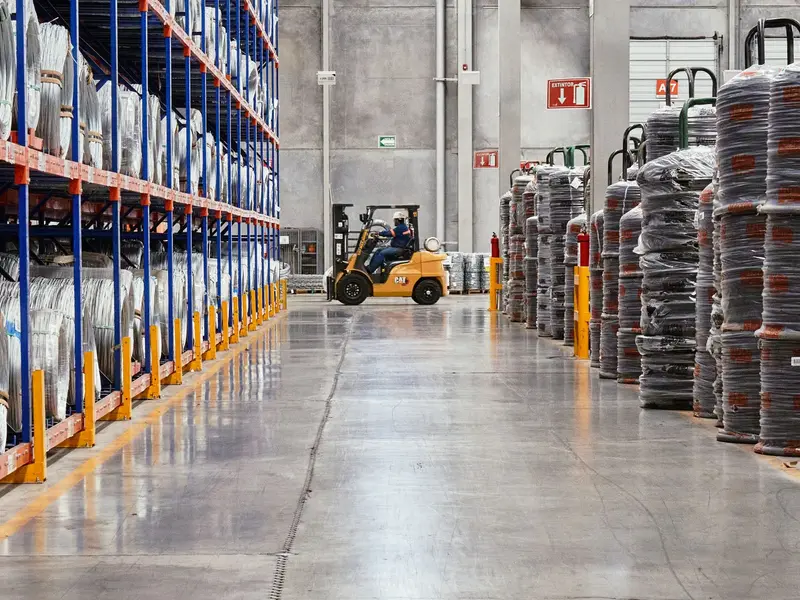
The strip along the wall
Damp walls support moulds and fungi that insects feed on, creating a permanent food supply on the building skin.
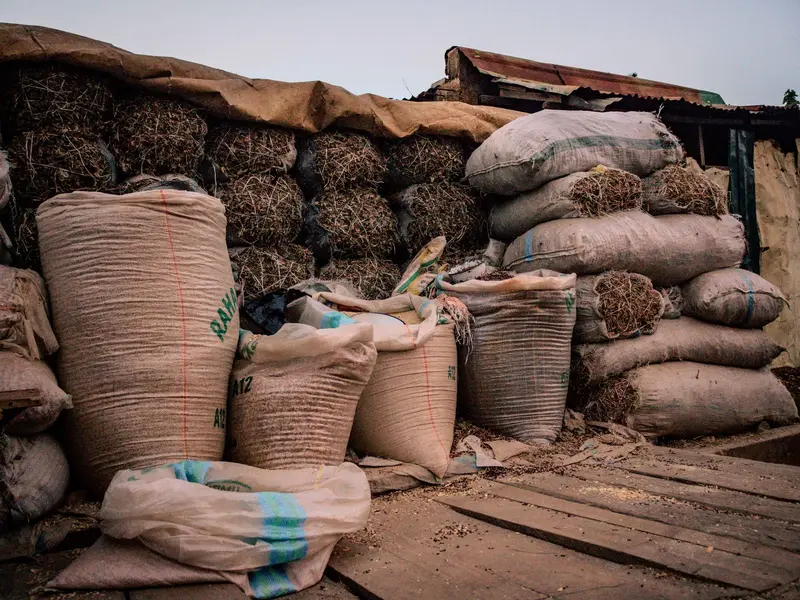
Spillage under the racking
Spills under racking turn quickly into warm wet pockets ideal for breeding, and coastal humidity keeps them wet longer than inland sites.

The roof and the openings above
Ceilings exposed to constant condensation supply permanent moisture, and insects colonise upper cavities before moving down to stored goods.
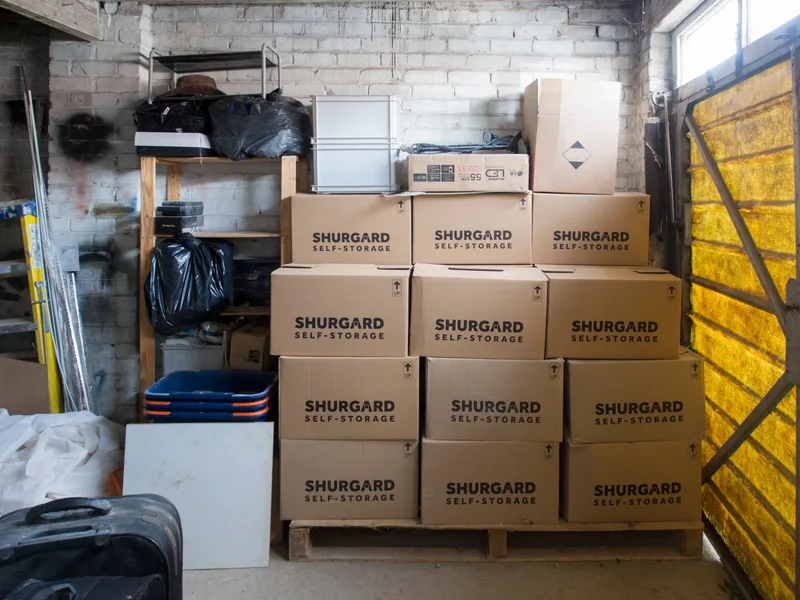
Stock that does not move
Stock sitting still in damp corners becomes a target for insects that find water, food and shelter all in one place.
How we work
-
1
Survey the building and locate the source
We walk from the goods-in door through the racking, the production areas and the outside wall line, and establish whether the pressure is stored product pests inside the goods, rodents from the perimeter or flying insects from waste and doorways, because each of those is a different programme.
-
2
Pheromone traps and numbered points
Species-specific pheromone traps through the storage areas, and monitoring points on the external ring and along the internal walls, numbered on the racking plan. A trap treats nothing, it tells us which aisle the numbers are climbing in.
-
3
Targeted treatment and isolating the consignment
Spillage is lifted first, then empty racking, wall and floor junctions and voids are treated, and nothing is placed over open stock or a running line. A consignment showing activity is isolated where it stands rather than carried through the building.
-
4
Sealing, then the scheduled visits
We close door gaps, openings and pipe entries, then come back on an agreed schedule: the same traps and points are read each time, and a report goes over what was found, what was treated and what the building still needs closed.
What warehouse pest control includes
-

Site survey and racking plan
A walk from the goods-in door to the last aisle, and a plan with every monitoring position numbered before anything is installed.
-

Pheromone traps and numbered points
Species-specific traps through the storage areas and points along the perimeter line, read and logged on every visit.
-

Targeted treatment of racking and junctions
On empty racking, wall and floor junctions and voids, never over open stock or a running line.
-

Drains, waste and the perimeter
Floor gullies, the container area and the outside wall line, because that is the source which renews itself.
-

Proofing and building findings
Shutter gaps, brush seals and mesh over openings, with a list of what the site needs to repair.
-

Scheduled visits and a report each time
Agreed dates set by the pressure on the site, the same traps read again, and a report that records every visit.
The character of Al Shati
Coastal area: high humidity and salt air through the year
Sea humidity in Al Shati does not kill insects but speeds their breeding and weakens packaging barriers. The programme relies on frequent trap reads and targeted treatment because conditions shift rapidly.
Questions about this district
Does salt spray reduce treatment effectiveness here?
Yes. Salt and moisture reduce how long active ingredients persist on surfaces. We select products that resist salt and dampness and increase trap readings to ensure continuous protection.
Do coastal warehouses need different management tactics?
Yes, they need focus on humidity control and ventilation, and on gaps that collect salt spray and condensation water. The programme includes regular surveys of condensation points and cracks.
How often are traps read in a coastal warehouse?
More frequently than inland storage because lifecycle is faster. The first read sets the pattern and we adjust based on what the traps show.
Does high humidity speed up pest breeding cycles?
It does. Humidity supplies the moisture pests need and extends their active period. Warehouses near the sea need strong ventilation and continuous drying.
Can salt air itself bring pests into the warehouse?
Not directly, but salt weakens the natural barriers of packaging, making it easier for insects outside to work their way in.
What are the first signs of infestation here?
High humidity masks visual signs, so we rely on traps and regular counts rather than sight alone. The traps here are the real early warning.
How much does warehouses and factories in Al Shati cost?
It is set after the inspection, because the price follows the type of infestation, the size of the space, how far it has spread and the number of visits it needs. Send a photo and a description on WhatsApp and we will give you an estimate before we reach Al Shati.
Nearby districts we cover
Other services in Al Shati
Other services we provide to residents of Al Shati.
-
 Residential
Cockroach control
Residential
Cockroach control
-
 Residential
Bed bug control
Residential
Bed bug control
-
 Residential
Termite control
Residential
Termite control
-
 Residential
Rodents and mice
Residential
Rodents and mice
-
 Residential
Mosquito control
Residential
Mosquito control
-
 Residential
Fly control
Residential
Fly control
-
 Residential
Ant control
Residential
Ant control
-
 Residential
Gecko control
Residential
Gecko control
-
 Residential
Scorpion control
Residential
Scorpion control
-
 Residential
Snake control
Residential
Snake control
-
 Residential
Flea control
Residential
Flea control
-
 Residential
Bird and pigeon control
Residential
Bird and pigeon control
-
 Residential
Preventive treatment
Residential
Preventive treatment
-
 Residential
Disinfection
Residential
Disinfection
-
 Commercial
Annual contracts
Commercial
Annual contracts
-
 Commercial
Restaurants and cafes
Commercial
Restaurants and cafes
-
 Commercial
Hotels and apartments
Commercial
Hotels and apartments
-
 Commercial
Schools and nurseries
Commercial
Schools and nurseries
-
 Commercial
Retail and malls
Commercial
Retail and malls
-
 Commercial
Rest houses and farms
Commercial
Rest houses and farms
-
 Commercial
Fumigation
Commercial
Fumigation
-
 Water tanks
Water tank cleaning
Water tanks
Water tank cleaning
-
 Water tanks
Water tank sterilization
Water tanks
Water tank sterilization
-
 Water tanks
Water tank sealing
Water tanks
Water tank sealing
-
 Water tanks
Tank leak repair
Water tanks
Tank leak repair
Need warehouses and factories in Al Shati? Tell us what you saw and we will tell you what it needs
We reach Al Shati at a time we agree, and you get the full cost before we start.