
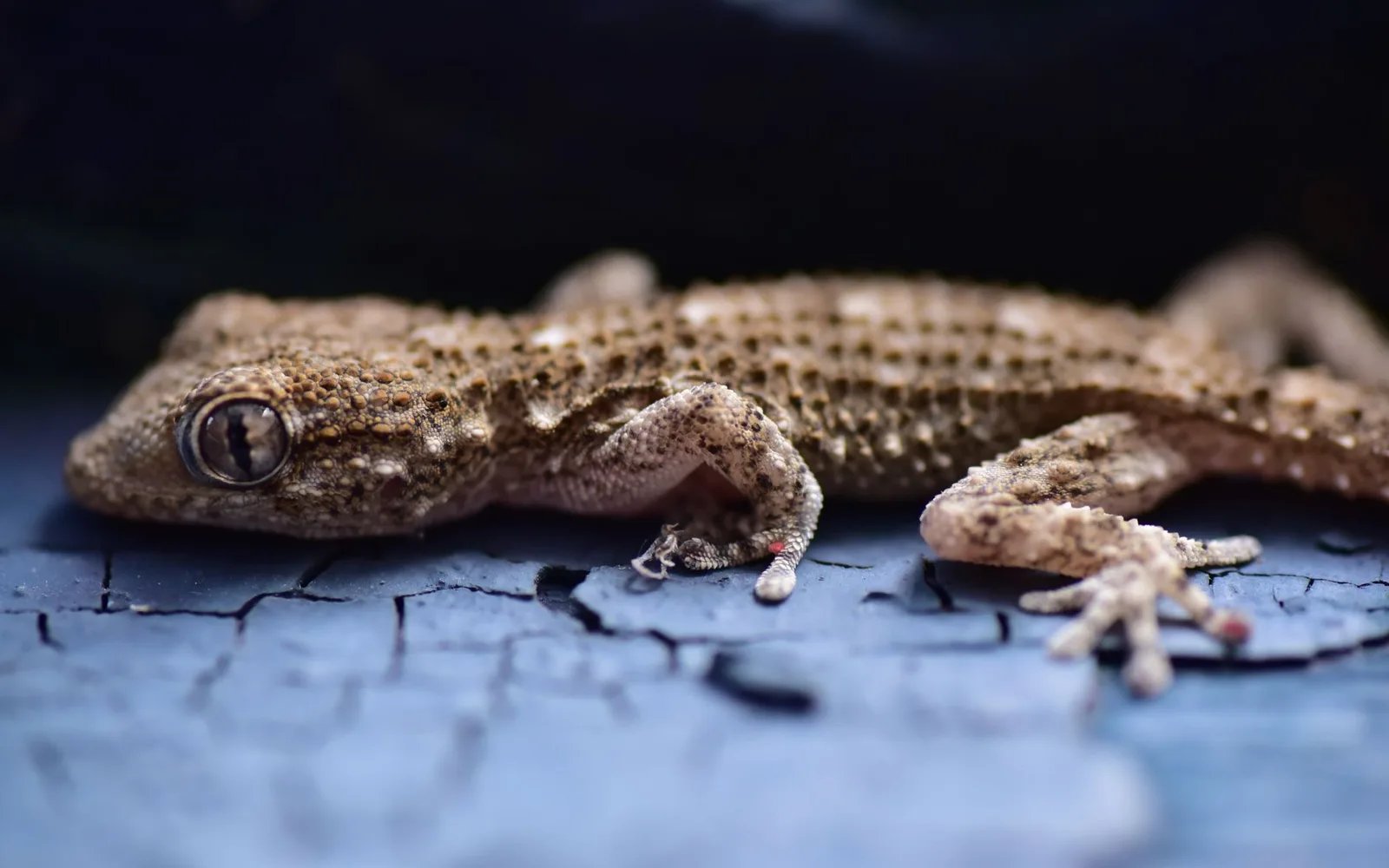
Gecko control in Al Bayban Makkah
Al Bayban is an old Makkan quarter on a hill north of the Grand Mosque, built from local stone with lime and timber, its buildings closely packed with lanes barely wide enough for one person. Deep cracks in sandstone and coral stone offer ideal gecko shelter almost impossible to access, and closely set buildings allow geckos to move swiftly between homes across shared roofs.
-
Targeted, not broadcast
Product goes into cracks and runways, never sprayed across open surfaces.
-
Told before we start
What we will use, where it goes, and what to cover or move before we arrive.
-
A follow-up visit
We return after the first treatment, because what survives it does not show on the day.
-
Homes and businesses
Apartments and villas, and kitchens and stores that need a record of each visit.
Why they keep coming back in Al Bayban
The deep cracks in old sandstone in Al Bayban provide shelter almost unreachable, and cemented eggs hidden in them may only hatch weeks later, undetected by previous treatments. The method is set out in full on our Gecko control service.
Sandstone and coral stone contain extremely deep natural cracks
Old buildings constructed from local sandstone and coral stone contain fine and deeply running natural fissures in the structure itself. Geckos hide in these deep narrow cracks that are nearly impossible to reach even with modern equipment, and cemented eggs may be completely protected from pesticides.
Tightly set buildings with shared roofs permit gecko movement between homes
Homes are pressed together in the quarter with rooflines shared between neighbours and gaps between buildings so narrow they barely admit a person. Geckos move freely across these shared roofs and through narrow gaps from one home to the next without descending to street level.
Narrow winding lanes prevent treatment vehicle access and limit effective coverage
Lanes are extremely narrow and winding, and treatment vehicles cannot enter. Work must be done on foot with hand carried equipment and long hose runs, which limits work speed and may leave some zones untreated completely.
The character of Al Bayban
Historic district: close-set buildings, narrow lanes and ageing services
Historic districts mean stone buildings not concrete, and natural stone cracks provide complex shelter difficult to treat, requiring patience and phased treatment over long periods because eggs may hatch in multiple phases from very deep cracks.
The food, the opening and the crevice decide the method
The quarter is built on a hill in local stone and lime, with buildings pressed tightly together, shared rooflines between neighbours, and natural cracks in old stone that run deep into the structure.
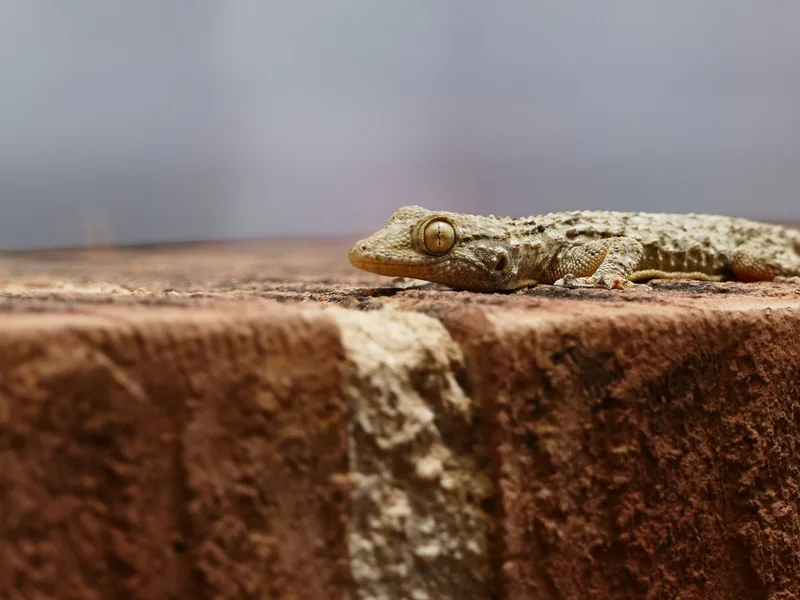
The house gecko
House geckos in old stone houses hide in deep cracks inside the stone structure itself, not merely on the surface or in surface fissures.

Outdoor lighting
Exterior lighting in the old quarter is limited, but light from windows and doors may attract insects that feed geckos.
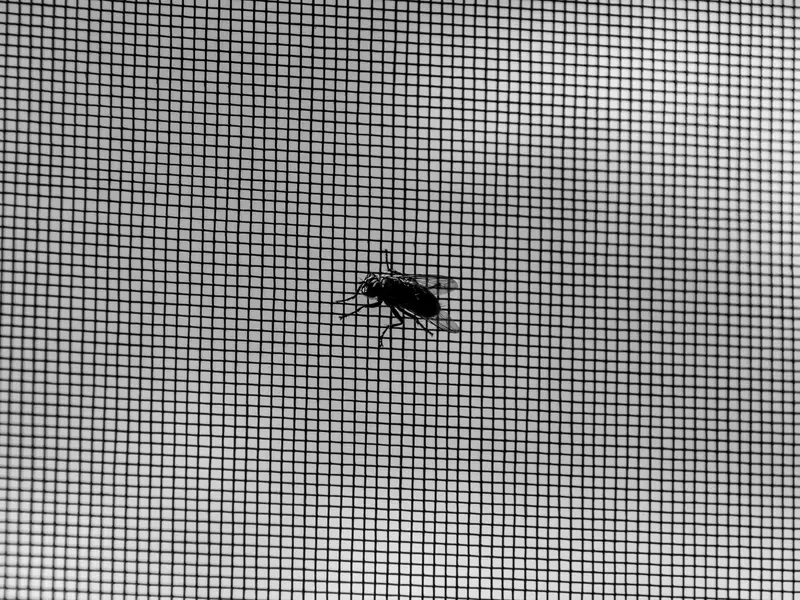
Window mesh
Window mesh and screening on old windows may exist but stone cracks offer alternative entry routes superior to any net barrier.
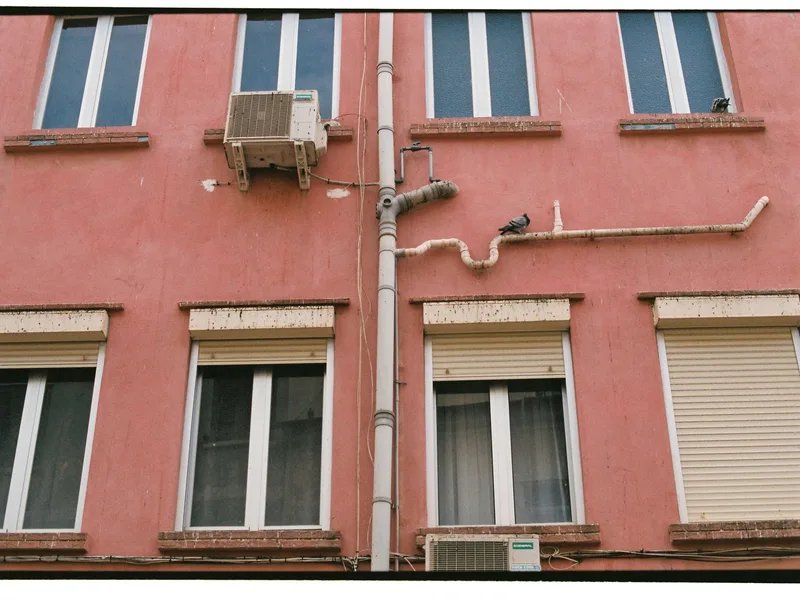
The air-conditioner sleeve
Air conditioning openings on old houses may not exist, and natural ventilation from windows and doors may provide gecko entry points.
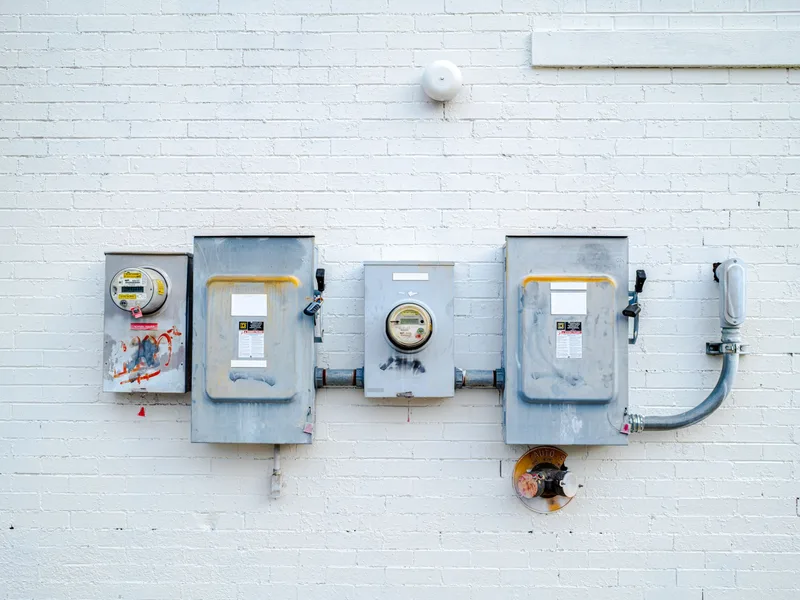
Meter boxes and electrical panels
Stone foundations on old houses may be worst of all, containing very deep cracks running below ground level.

The garden and the irrigation
Gardens may not exist, but the tight spaces between houses retain high moisture that attracts insects.
How we work
-
1
Inspect at night and find the source
We come at the hour it is actually moving, and establish which wall face it is living on, which lights are gathering its food, the entry points and the crevices it wedges into by day.
-
2
Treat the food source
We treat the flying and crawling insects on the wall faces, around the perimeter and around the lighting. Once the food goes, the wall stops being worth staying on.
-
3
Close the openings and clear the crevices
We seal the air-conditioner sleeve, screen the vents and drain outlets, deal with the underside of doors, and place a repellent in the crevices and behind panels so they move out before anything is closed.
-
4
The follow-up visit
We come back once the glued eggs have hatched, check the seals held, and re-treat any wall face where activity has returned.
What gecko control includes
-

A recorded night inspection
Wall faces, lighting, entry points and egg sites, all established before anything is applied.
-

Treating the insects on the walls
Targeted treatment around lighting, windows and the building perimeter, because the food is what keeps it there.
-

Placed repellent in the crevices
Behind panels, in wall joints and at the ceiling-void entries, where it sits out the day.
-

Screening vents and drain openings
Shafts, vents and the condensate outlet, which are entry points nobody looks at.
-

Aftercare instructions
Ventilation, what to cover, and the change to the outside lighting that stops the insects gathering again.
-

A scheduled follow-up
A set date after the first treatment, a check on the seals and re-treatment of anything still active.
What is different about Al Utaybiyah Sub-Municipality
Al Utaybiyah sub municipality covers the old districts north of the Grand Mosque: the hillside quarters of Al Hajun, Al Utaybiyah and Al Bayban, Al Zahir and Al Shuhada at the northern entrance, and the newer Al Zahra, Al Diyafah and An Nuzhah westward. Its building stock is among the oldest in Makkah, stone houses on the hills, packed apartment blocks and sewers decades old, threaded with crowded markets like the Utaybiyah souq and furnished flats that fill in the pilgrim seasons. Wadi Al Zahir and Wadi Al Tanim carry storm water through it, and industrial workshops line Hajj Street.
Questions about this district
Do stone cracks offer better gecko shelter than concrete cracks?
Yes, natural stone cracks are deeper and more complex than concrete fissures, and may offer eggs better protection from pesticides. Pesticide may not reach the very narrow depths of stone cracks.
Do shared roofs between old houses ease gecko movement between homes?
Very much so, shared roofs provide safe routes between neighbouring homes, and geckos need not descend to street level. Treating one house alone may not solve the problem if shared roofs are not treated.
Do extremely narrow lanes actually prevent effective gecko treatment work?
Yes, narrow lanes block treatment vehicles, and work must be done on foot with hand carried equipment. This limits work speed and efficiency in certain areas.
How often must old houses in these historic quarters be treated before geckos clear?
Usually four to five treatments over weeks or months, because deep stone cracks may hold eggs hatching in multiple phases. Each treatment targets a different life stage.
Are very old houses considerably worse than buildings only a few decades old?
Yes, very old houses offer deeper and more numerous cracks, and may have sheltered geckos for generations. Complex cracks make treatment more difficult and results slower.
Can we seal every crack in old coral stone walls?
Sealing every crack may not be fully possible in very old stone without destroying the architectural integrity. Ongoing treatment and monitoring may be more realistic than attempting to seal every fissure.
How much does gecko control in Al Bayban cost?
It is set after the inspection, because the price follows the type of infestation, the size of the space, how far it has spread and the number of visits it needs. Send a photo and a description on WhatsApp and we will give you an estimate before we reach Al Bayban.
Nearby districts we cover
Other services in Al Bayban
Other services we provide to residents of Al Bayban.
-
 Residential
Cockroach control
Residential
Cockroach control
-
 Residential
Bed bug control
Residential
Bed bug control
-
 Residential
Termite control
Residential
Termite control
-
 Residential
Rodents and mice
Residential
Rodents and mice
-
 Residential
Mosquito control
Residential
Mosquito control
-
 Residential
Fly control
Residential
Fly control
-
 Residential
Ant control
Residential
Ant control
-
 Residential
Scorpion control
Residential
Scorpion control
-
 Residential
Snake control
Residential
Snake control
-
 Residential
Flea control
Residential
Flea control
-
 Residential
Bird and pigeon control
Residential
Bird and pigeon control
-
 Residential
Preventive treatment
Residential
Preventive treatment
-
 Residential
Disinfection
Residential
Disinfection
-
 Commercial
Annual contracts
Commercial
Annual contracts
-
 Commercial
Restaurants and cafes
Commercial
Restaurants and cafes
-
 Commercial
Hotels and apartments
Commercial
Hotels and apartments
-
 Commercial
Warehouses and factories
Commercial
Warehouses and factories
-
 Commercial
Schools and nurseries
Commercial
Schools and nurseries
-
 Commercial
Retail and malls
Commercial
Retail and malls
-
 Commercial
Rest houses and farms
Commercial
Rest houses and farms
-
 Commercial
Fumigation
Commercial
Fumigation
-
 Water tanks
Water tank cleaning
Water tanks
Water tank cleaning
-
 Water tanks
Water tank sterilization
Water tanks
Water tank sterilization
-
 Water tanks
Water tank sealing
Water tanks
Water tank sealing
-
 Water tanks
Tank leak repair
Water tanks
Tank leak repair
Need gecko control in Al Bayban? Tell us what you saw and we will tell you what it needs
We reach Al Bayban at a time we agree, and you get the full cost before we start.