
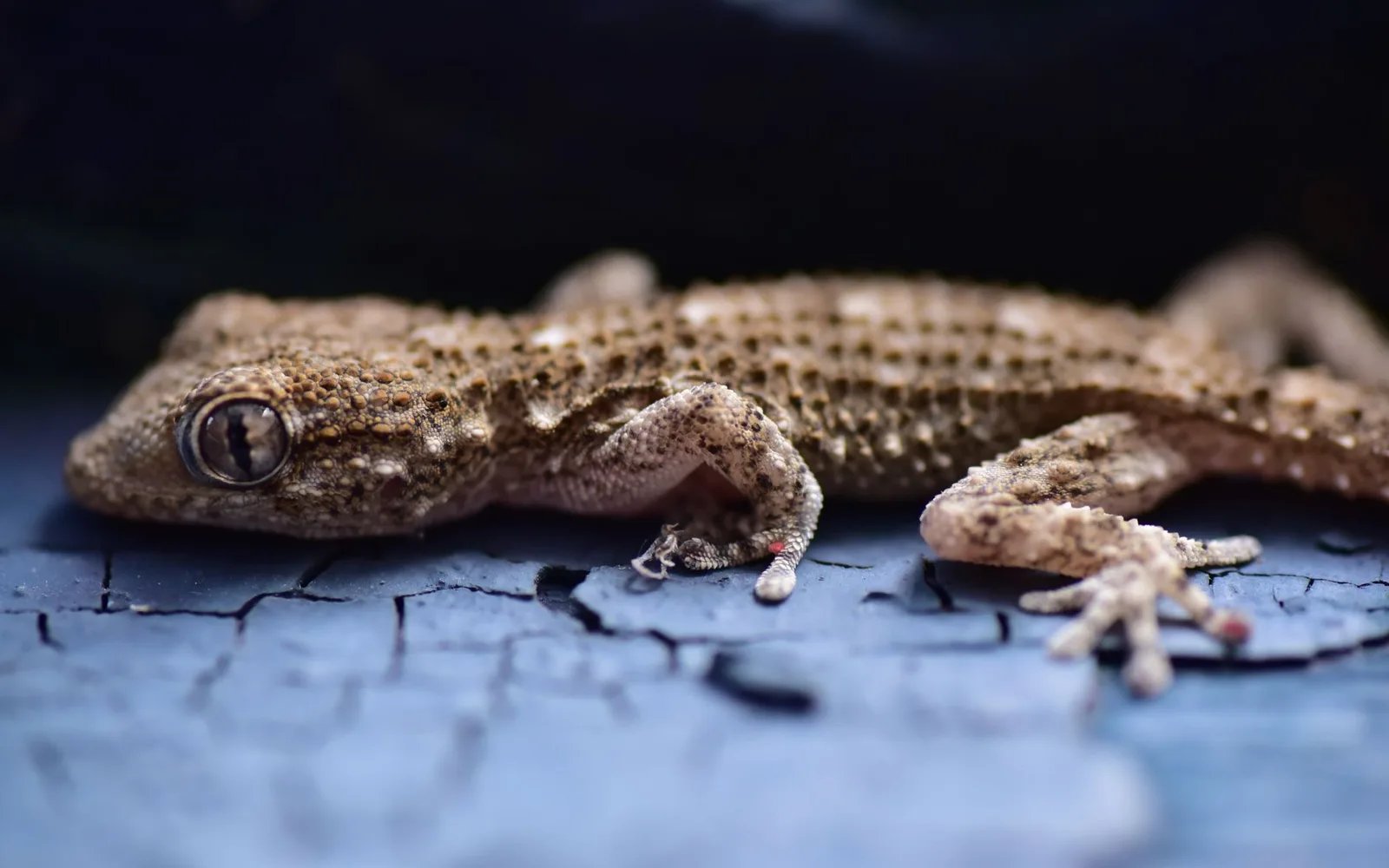
Gecko control in Al Hajun Makkah
Al Hajun is an old district on the slopes of Jabal Al Hajun north west of the Haram, where closely packed buildings on narrow lanes and ageing foundations mean geckos exploit countless crevices and hidden openings that are hard to trace. Treatment here needs a different approach from newly built quarters.
-
Targeted, not broadcast
Product goes into cracks and runways, never sprayed across open surfaces.
-
Told before we start
What we will use, where it goes, and what to cover or move before we arrive.
-
A follow-up visit
We return after the first treatment, because what survives it does not show on the day.
-
Homes and businesses
Apartments and villas, and kitchens and stores that need a record of each visit.
Why they keep coming back in Al Hajun
Old buildings packed tightly together give geckos covered pathways between properties, making them far harder to track than in planned modern schemes. The method is set out in full on what Gecko control involves.
Cracks in old foundations and masonry
Buildings set on hillsides settle and leave deep cracks in walls and footings over decades. Geckos hide in these during the day and emerge at night to hunt, so reaching them means working deep into crevices and voids that new plaster cannot fully seal.
Density and multiple unseen passages
Narrow lanes and closely spaced buildings mean geckos move freely between properties through small gaps and openings invisible from the street. Closing all these passages takes far more effort than treating an isolated villa on open land.
Insects thriving on old walls and external lights
Old masonry and seeping damp create a rich breeding ground for small insects that feed the geckos, especially around external lights and entrances. Controlling the food source is the foundation of gecko control here.
Al Hajun on the map
Al Hajun sits about 0.5 km from Al Bayban and about 1.5 km from Al Diyafah.
Open in Google MapsThe food, the opening and the crevice decide the method
The district stretches from Ain Zubaidah Street to Al Mualla Cemetery, cut by the Second Ring Road and Omar ibn Al Khattab Road, bounded by Jabal Al Sulaymaniyah and Jabal Al Hajun.
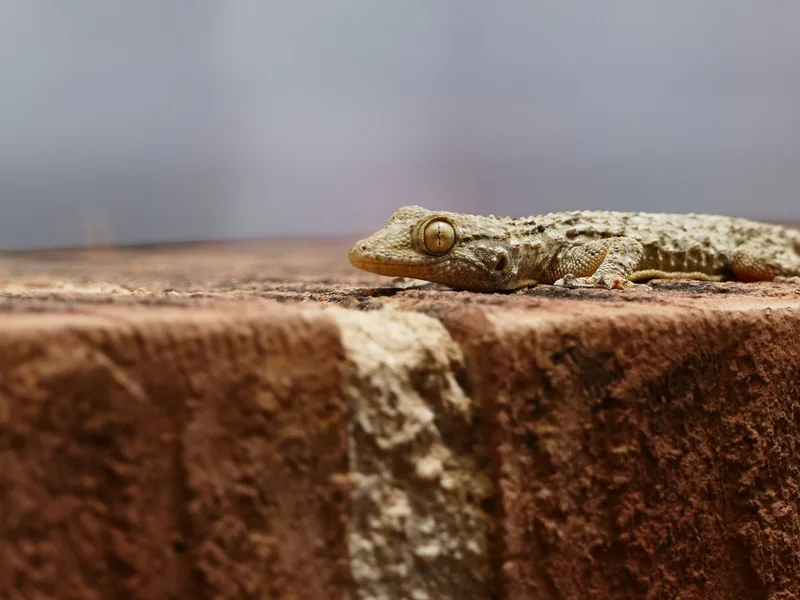
The house gecko
The house gecko hides in cracks in old footings and gaps between close-set walls, most active at night on damp masonry where condensation pools.

Outdoor lighting
External lighting around doorways and on narrow lanes attracts small insects; old walls retain heat and moisture, drawing insects which feed the geckos.
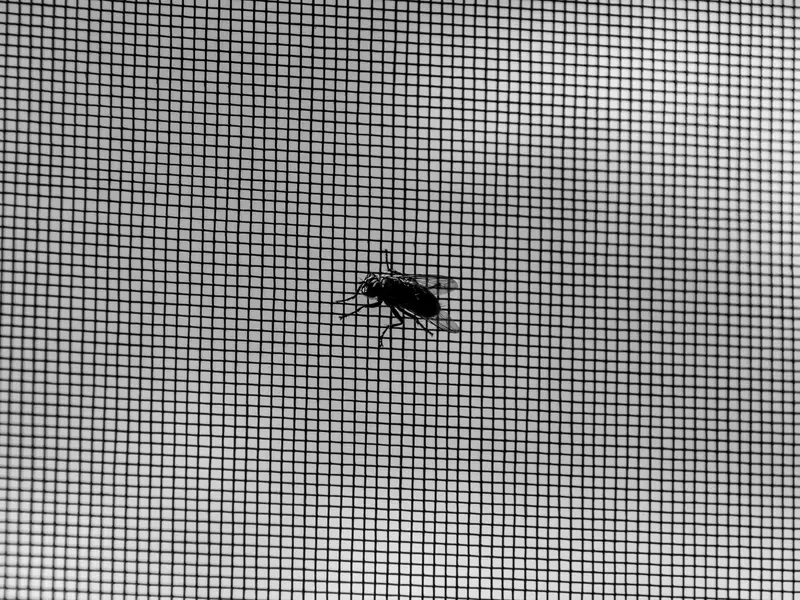
Window mesh
Window mesh on old buildings is often degraded or has small gaps geckos and small juveniles pass through. Close inspection and proper repair are essential.
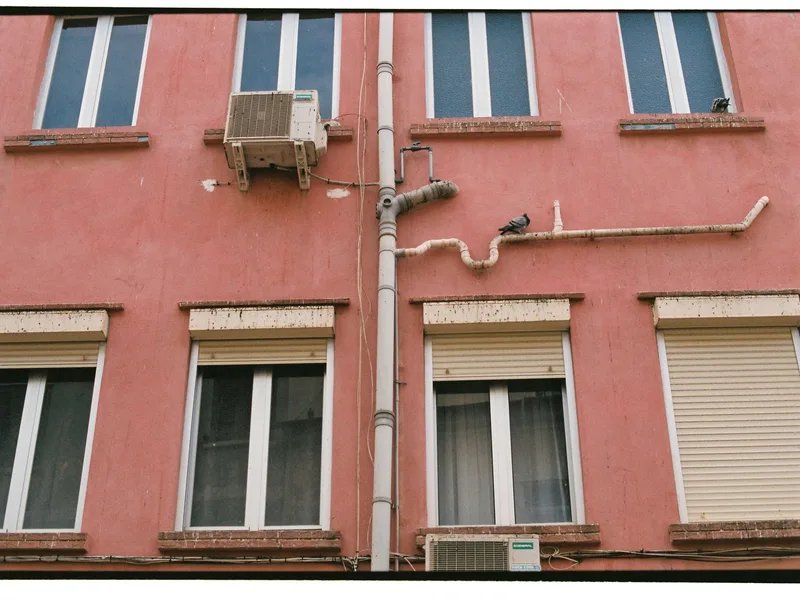
The air-conditioner sleeve
Air conditioner sleeves through old walls may be larger than modern standards, giving geckos an easy route in and out of the flat.
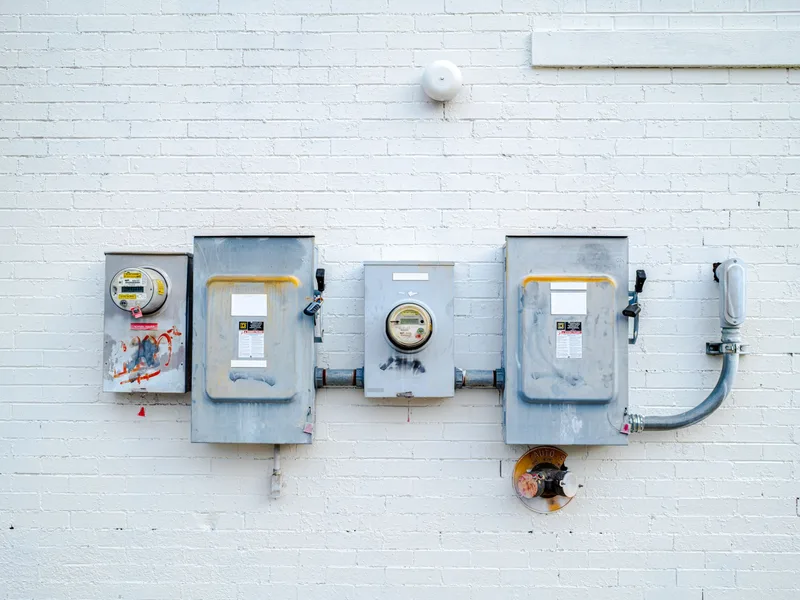
Meter boxes and electrical panels
Old electrical panels in the district have multiple cable entries and offer warm shelter attractive to geckos and small scorpions.
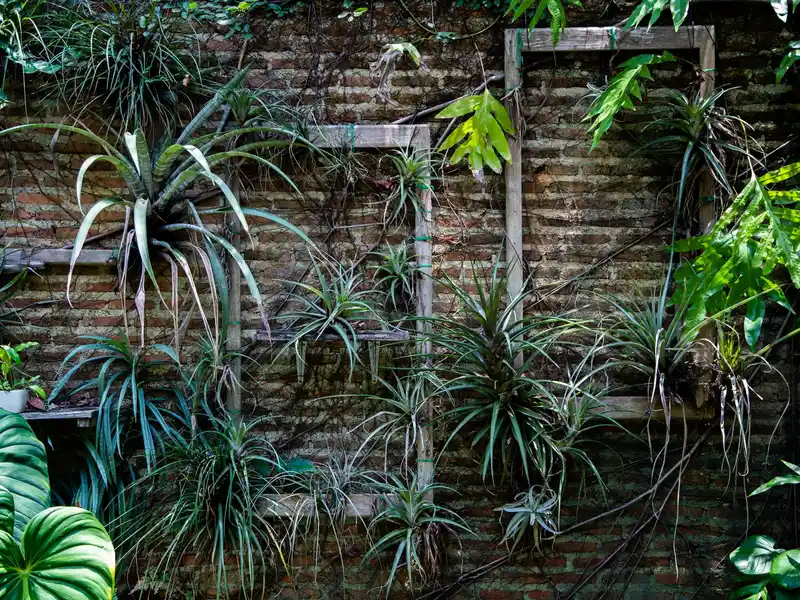
The garden and the irrigation
Small garden strips between close-set buildings trap moisture and draw ants and small insects, pulling geckos to the area and to nearby homes.
How we work
-
1
Inspect at night and find the source
We come at the hour it is actually moving, and establish which wall face it is living on, which lights are gathering its food, the entry points and the crevices it wedges into by day.
-
2
Treat the food source
We treat the flying and crawling insects on the wall faces, around the perimeter and around the lighting. Once the food goes, the wall stops being worth staying on.
-
3
Close the openings and clear the crevices
We seal the air-conditioner sleeve, screen the vents and drain outlets, deal with the underside of doors, and place a repellent in the crevices and behind panels so they move out before anything is closed.
-
4
The follow-up visit
We come back once the glued eggs have hatched, check the seals held, and re-treat any wall face where activity has returned.
What gecko control includes
-

A recorded night inspection
Wall faces, lighting, entry points and egg sites, all established before anything is applied.
-

Treating the insects on the walls
Targeted treatment around lighting, windows and the building perimeter, because the food is what keeps it there.
-

Placed repellent in the crevices
Behind panels, in wall joints and at the ceiling-void entries, where it sits out the day.
-

Screening vents and drain openings
Shafts, vents and the condensate outlet, which are entry points nobody looks at.
-

Aftercare instructions
Ventilation, what to cover, and the change to the outside lighting that stops the insects gathering again.
-

A scheduled follow-up
A set date after the first treatment, a check on the seals and re-treatment of anything still active.
Landmarks of Al Hajun
Gecko treatment in Al Hajun begins from Hajun Street descending from the passes towards the Haram, focusing on the crevices and old voids around Al Mualla Cemetery and its surroundings, where density and close building are highest.
- Al Mualla Cemetery
- Jabal Al Hajun
- Hajun Street
- Second Ring Road
- Omar ibn Al Khattab Road
- Ain Zubaidah Street
Questions about this district
Do old foundations beneath historic districts shelter geckos and their food insects?
Yes, old footings hold voids and gaps invisible from above and offer ideal gecko shelter. Treatment must reach these hidden spaces, which modern properties do not have in the same way.
Do cracks between closely spaced buildings worsen the gecko problem in Al Hajun?
Severely, the gaps between adjacent walls give geckos safe routes between homes without exposing them. They are difficult to reach and seal completely.
Does moisture from old foundations attract the small insects geckos feed on?
Yes, damp in old footings creates conditions that draw small insects like ants and tiny cockroaches, which in turn draw geckos to feed.
Are old waste pipes and drains in the district an entry point for geckos and insects?
Yes, aged drainage networks and open outlets give geckos and pests easy access from underground, and sealing these is a critical part of the treatment plan.
Do street lights on narrow lanes attract geckos by drawing their food insects?
Yes, external lights draw flying insects, and geckos gather to hunt them, making these sites hotspots. Light colour change and reduction help reduce pressure.
If I treat my building alone, will geckos from untreated neighbours simply move back in?
Your building gains temporary protection, but geckos migrate easily from untreated neighbouring properties through the small gaps between adjacent old walls.
How much does gecko control in Al Hajun cost?
It is set after the inspection, because the price follows the type of infestation, the size of the space, how far it has spread and the number of visits it needs. Send a photo and a description on WhatsApp and we will give you an estimate before we reach Al Hajun.
Nearby districts we cover
Other services in Al Hajun
Other services we provide to residents of Al Hajun.
-
 Residential
Cockroach control
Residential
Cockroach control
-
 Residential
Bed bug control
Residential
Bed bug control
-
 Residential
Termite control
Residential
Termite control
-
 Residential
Rodents and mice
Residential
Rodents and mice
-
 Residential
Mosquito control
Residential
Mosquito control
-
 Residential
Fly control
Residential
Fly control
-
 Residential
Ant control
Residential
Ant control
-
 Residential
Scorpion control
Residential
Scorpion control
-
 Residential
Snake control
Residential
Snake control
-
 Residential
Flea control
Residential
Flea control
-
 Residential
Bird and pigeon control
Residential
Bird and pigeon control
-
 Residential
Preventive treatment
Residential
Preventive treatment
-
 Residential
Disinfection
Residential
Disinfection
-
 Commercial
Annual contracts
Commercial
Annual contracts
-
 Commercial
Restaurants and cafes
Commercial
Restaurants and cafes
-
 Commercial
Hotels and apartments
Commercial
Hotels and apartments
-
 Commercial
Warehouses and factories
Commercial
Warehouses and factories
-
 Commercial
Schools and nurseries
Commercial
Schools and nurseries
-
 Commercial
Retail and malls
Commercial
Retail and malls
-
 Commercial
Rest houses and farms
Commercial
Rest houses and farms
-
 Commercial
Fumigation
Commercial
Fumigation
-
 Water tanks
Water tank cleaning
Water tanks
Water tank cleaning
-
 Water tanks
Water tank sterilization
Water tanks
Water tank sterilization
-
 Water tanks
Water tank sealing
Water tanks
Water tank sealing
-
 Water tanks
Tank leak repair
Water tanks
Tank leak repair
Need gecko control in Al Hajun? Tell us what you saw and we will tell you what it needs
We reach Al Hajun at a time we agree, and you get the full cost before we start.