
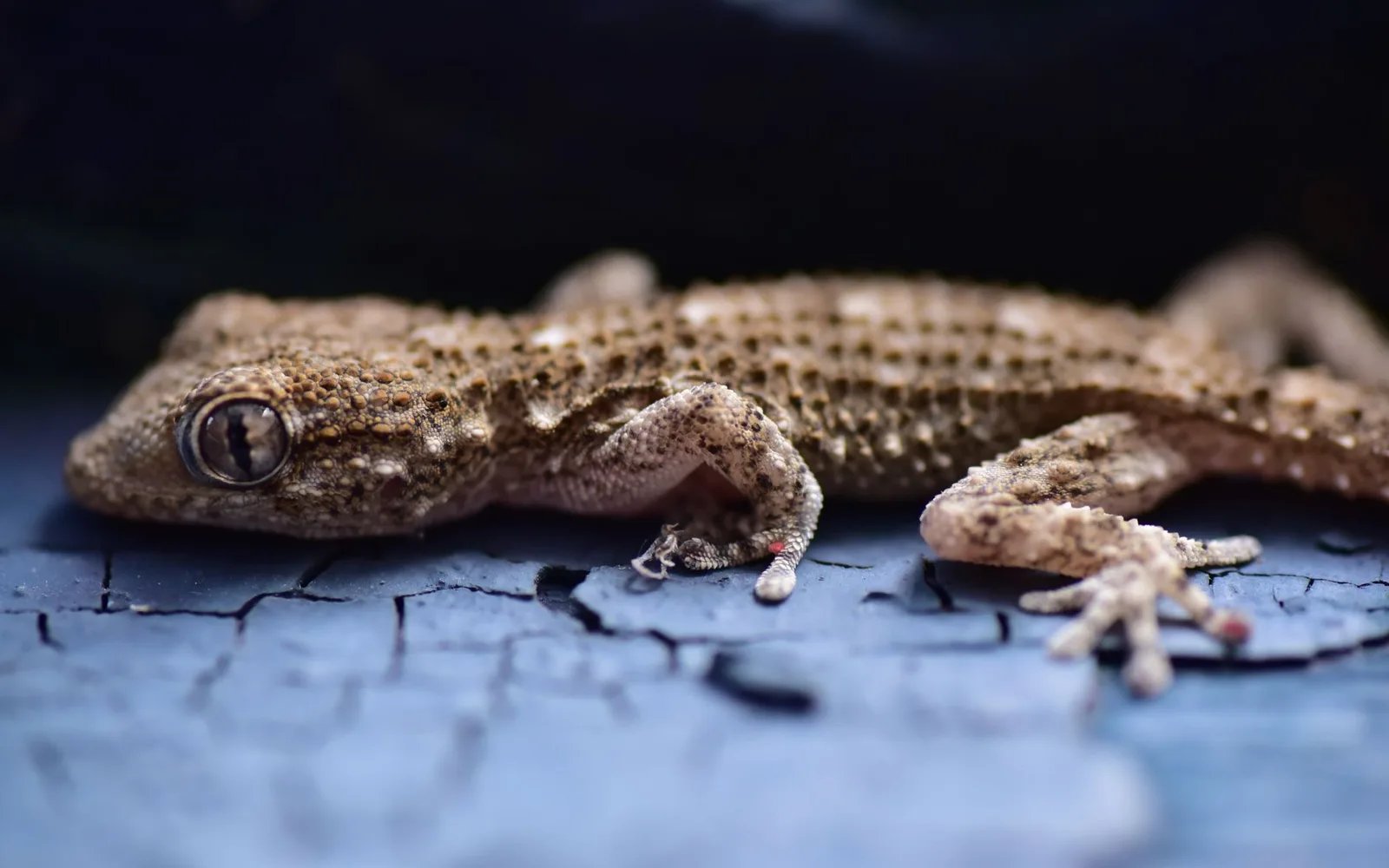
Gecko control in Al Firdaws Jeddah
Al Firdaws is an inland district between Madinah Road and Prince Abdulmajeed Road in Dhahban, made up of villas, apartments and residential subdivisions with Prince Nayef Street running through it. Ground floor shops and homes above them supply insects year round along the street. Treatment here focuses on ground slabs, lower facades and the passages between villas and blocks.
-
Targeted, not broadcast
Product goes into cracks and runways, never sprayed across open surfaces.
-
Told before we start
What we will use, where it goes, and what to cover or move before we arrive.
-
A follow-up visit
We return after the first treatment, because what survives it does not show on the day.
-
Homes and businesses
Apartments and villas, and kitchens and stores that need a record of each visit.
Why they keep coming back in Al Firdaws
Villas and apartments close to the commercial units are far more exposed to geckos than homes at distance, and the narrow passages between villas offer safe routes. The method is set out in full on how we approach Gecko control.
Commercial units and concentrated insects
Shops along Prince Nayef Street supply open food and insect shelter. Villas and apartments close to the shops attract geckos arriving for the heavy concentration of insects. Treating the villa alone does not stop entry if the shops will not treat.
Passages between villas and dark gaps
Narrow gaps between villas and adjoining apartments supply dark safe passages where geckos travel. Geckos move between houses through these external voids, so treating one villa does not stop entry from the neighbouring house.
Commercial spine and night time activity
Prince Nayef Street is a busy commercial axis, and night time activity and lighting create an insect attracting zone. Villas and apartments sitting on the street directly are far more exposed than homes in the quieter internal passages.
The character of Al Firdaws
Mixed district: shops at street level with homes above them
Commercial units mean continuous insects all year and gaps between villas supply safe routes, so treatment must focus on external passages and the front door as much as it focuses on the interior.
The food, the opening and the crevice decide the method
A mixed district of villas and apartments on wide plots, with Prince Nayef Street as a commercial spine running through it, shops supplying insects year round.
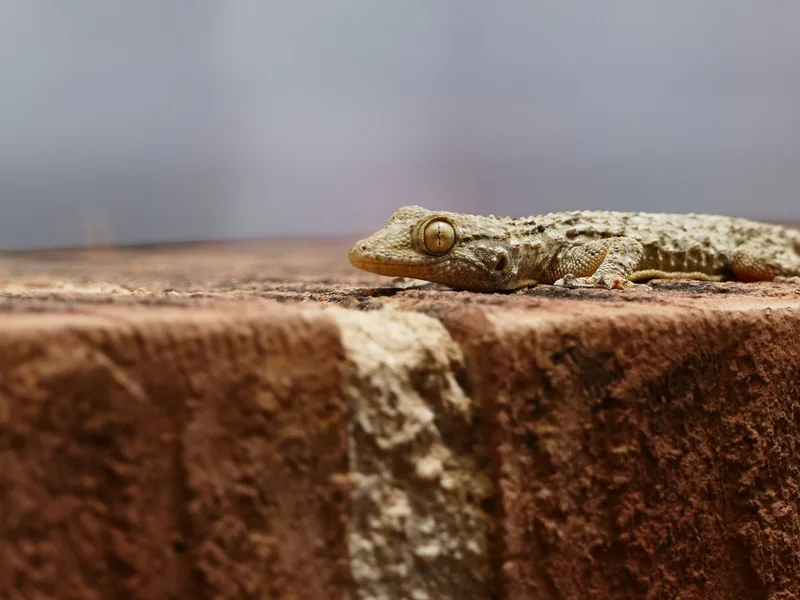
The house gecko
The house gecko arrives from the shops, the commercial street and the passages between villas, not from the clean house itself.
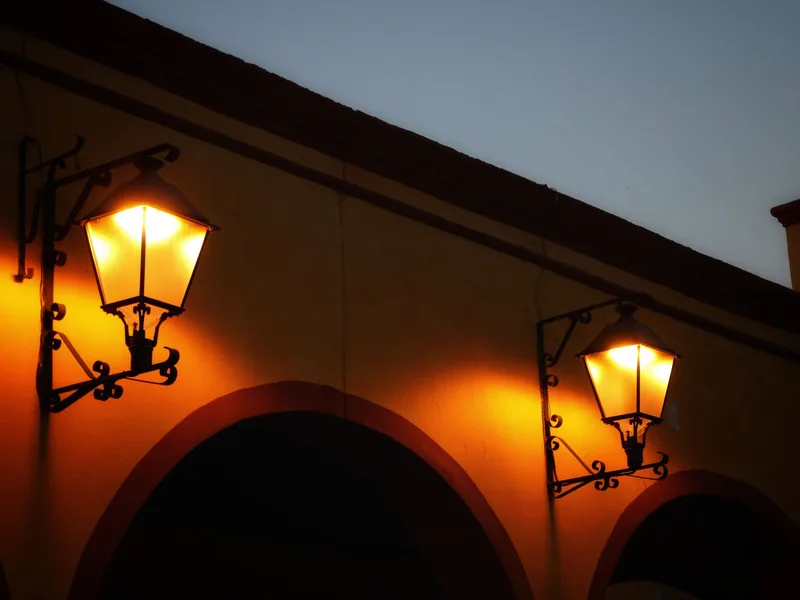
Outdoor lighting
Exterior lighting on the street and the villa draws insects from the shops and streets, turning the entrance into a gecko shelter.
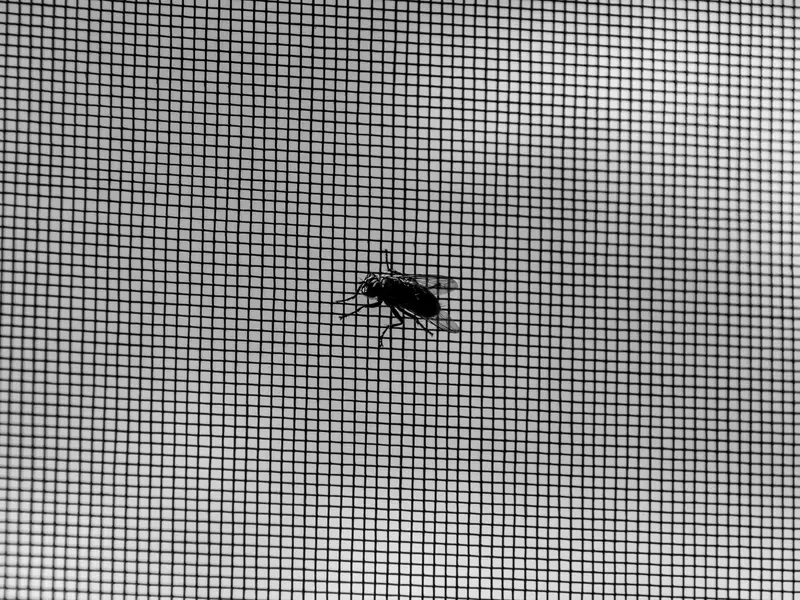
Window mesh
Windows and mesh on street facing villas may be perforated or worn from the heavy insect load and traffic vibration.
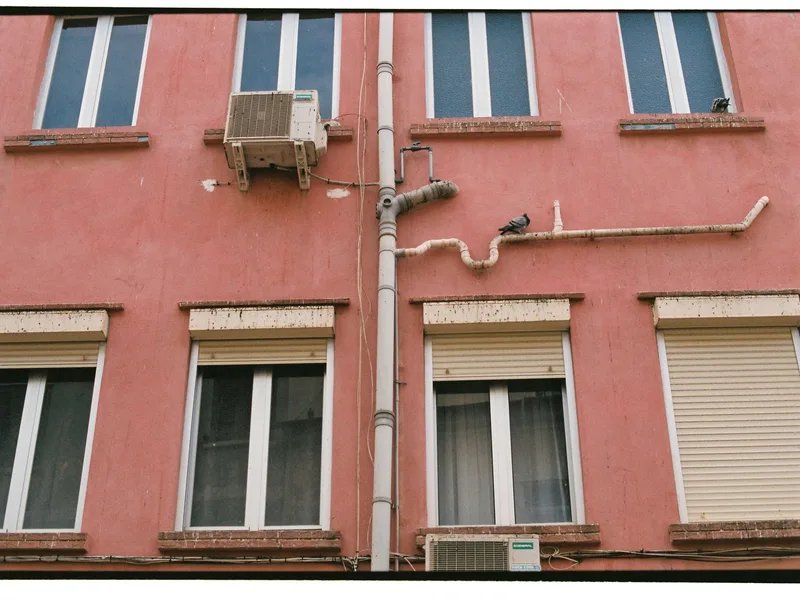
The air-conditioner sleeve
Air-con and fan openings on facades facing the street may be a gecko favourite because insects are dense there.
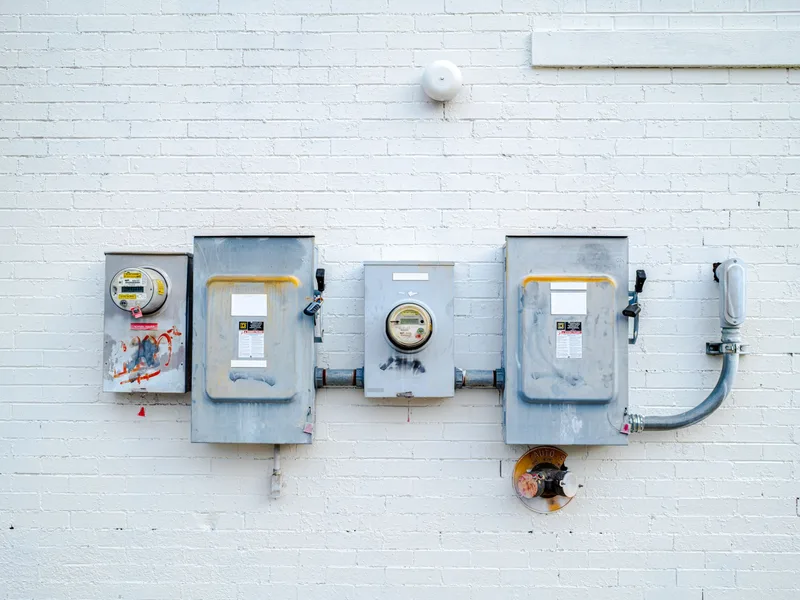
Meter boxes and electrical panels
Meter boxes and electrical panels may sit on street facing walls and become insect gathering points.
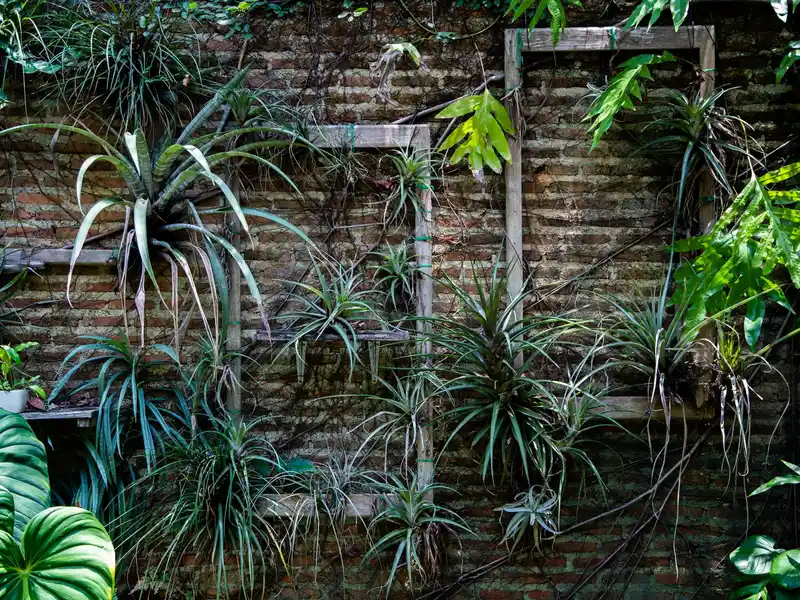
The garden and the irrigation
Gardens and irrigation supply moisture but insects from the street and shops are a far stronger draw.
How we work
-
1
Inspect at night and find the source
We come at the hour it is actually moving, and establish which wall face it is living on, which lights are gathering its food, the entry points and the crevices it wedges into by day.
-
2
Treat the food source
We treat the flying and crawling insects on the wall faces, around the perimeter and around the lighting. Once the food goes, the wall stops being worth staying on.
-
3
Close the openings and clear the crevices
We seal the air-conditioner sleeve, screen the vents and drain outlets, deal with the underside of doors, and place a repellent in the crevices and behind panels so they move out before anything is closed.
-
4
The follow-up visit
We come back once the glued eggs have hatched, check the seals held, and re-treat any wall face where activity has returned.
What gecko control includes
-

A recorded night inspection
Wall faces, lighting, entry points and egg sites, all established before anything is applied.
-

Treating the insects on the walls
Targeted treatment around lighting, windows and the building perimeter, because the food is what keeps it there.
-

Placed repellent in the crevices
Behind panels, in wall joints and at the ceiling-void entries, where it sits out the day.
-

Screening vents and drain openings
Shafts, vents and the condensate outlet, which are entry points nobody looks at.
-

Aftercare instructions
Ventilation, what to cover, and the change to the outside lighting that stops the insects gathering again.
-

A scheduled follow-up
A set date after the first treatment, a check on the seals and re-treatment of anything still active.
Landmarks of Al Firdaws
Treatment of Al Firdaws focuses on the shops, the lower facades and the passages between villas along Prince Nayef Street, with work between Madinah Road and Prince Abdulmajeed Road where shops and villas interlock.
- Madinah Road
- Prince Abdulmajeed Road
- Prince Nayef Street
Questions about this district
Are the shops on Prince Nayef Street the primary source of the gecko problem?
Shops supply continuous insects, but they are not the only cause. Gaps between villas and external passages supply safe routes. Treatment must focus on the entry and external gaps as much as it focuses on the home itself.
Are villas set some distance from Prince Nayef Street less exposed to geckos?
Yes, distance from the street cuts the pressure noticeably. A villa in an internal passage is far less exposed than a villa facing the street directly.
Will treating my villa alone stop geckos entering from the neighbour in Al Firdaws?
No, gaps between villas supply safe passages for geckos. Treating together with the neighbour is best, or at least treating external passages and the front entrance.
Does the lighting on Prince Nayef Street directly attract geckos?
Lighting attracts insects, and insects attract geckos. Houses facing the street and lit all night are far more exposed than homes in relative darkness.
How often must a villa facing Prince Nayef Street directly be treated?
At least every 6 to 8 weeks, because shops supply insects constantly. Villas at distance may drop to every 10 to 12 weeks.
Does removing lighting from the entrance reduce geckos more than chemical treatment?
Removing light reduces insects and helps, but shops supply insects continuously. Chemical treatment is essential and reduced lighting supports it only.
How much does gecko control in Al Firdaws cost?
It is set after the inspection, because the price follows the type of infestation, the size of the space, how far it has spread and the number of visits it needs. Send a photo and a description on WhatsApp and we will give you an estimate before we reach Al Firdaws.
Other services in Al Firdaws
Other services we provide to residents of Al Firdaws.
-
 Residential
Cockroach control
Residential
Cockroach control
-
 Residential
Bed bug control
Residential
Bed bug control
-
 Residential
Termite control
Residential
Termite control
-
 Residential
Rodents and mice
Residential
Rodents and mice
-
 Residential
Mosquito control
Residential
Mosquito control
-
 Residential
Fly control
Residential
Fly control
-
 Residential
Ant control
Residential
Ant control
-
 Residential
Scorpion control
Residential
Scorpion control
-
 Residential
Snake control
Residential
Snake control
-
 Residential
Flea control
Residential
Flea control
-
 Residential
Bird and pigeon control
Residential
Bird and pigeon control
-
 Residential
Preventive treatment
Residential
Preventive treatment
-
 Residential
Disinfection
Residential
Disinfection
-
 Commercial
Annual contracts
Commercial
Annual contracts
-
 Commercial
Restaurants and cafes
Commercial
Restaurants and cafes
-
 Commercial
Hotels and apartments
Commercial
Hotels and apartments
-
 Commercial
Warehouses and factories
Commercial
Warehouses and factories
-
 Commercial
Schools and nurseries
Commercial
Schools and nurseries
-
 Commercial
Retail and malls
Commercial
Retail and malls
-
 Commercial
Rest houses and farms
Commercial
Rest houses and farms
-
 Commercial
Fumigation
Commercial
Fumigation
-
 Water tanks
Water tank cleaning
Water tanks
Water tank cleaning
-
 Water tanks
Water tank sterilization
Water tanks
Water tank sterilization
-
 Water tanks
Water tank sealing
Water tanks
Water tank sealing
-
 Water tanks
Tank leak repair
Water tanks
Tank leak repair
Need gecko control in Al Firdaws? Tell us what you saw and we will tell you what it needs
We reach Al Firdaws at a time we agree, and you get the full cost before we start.