
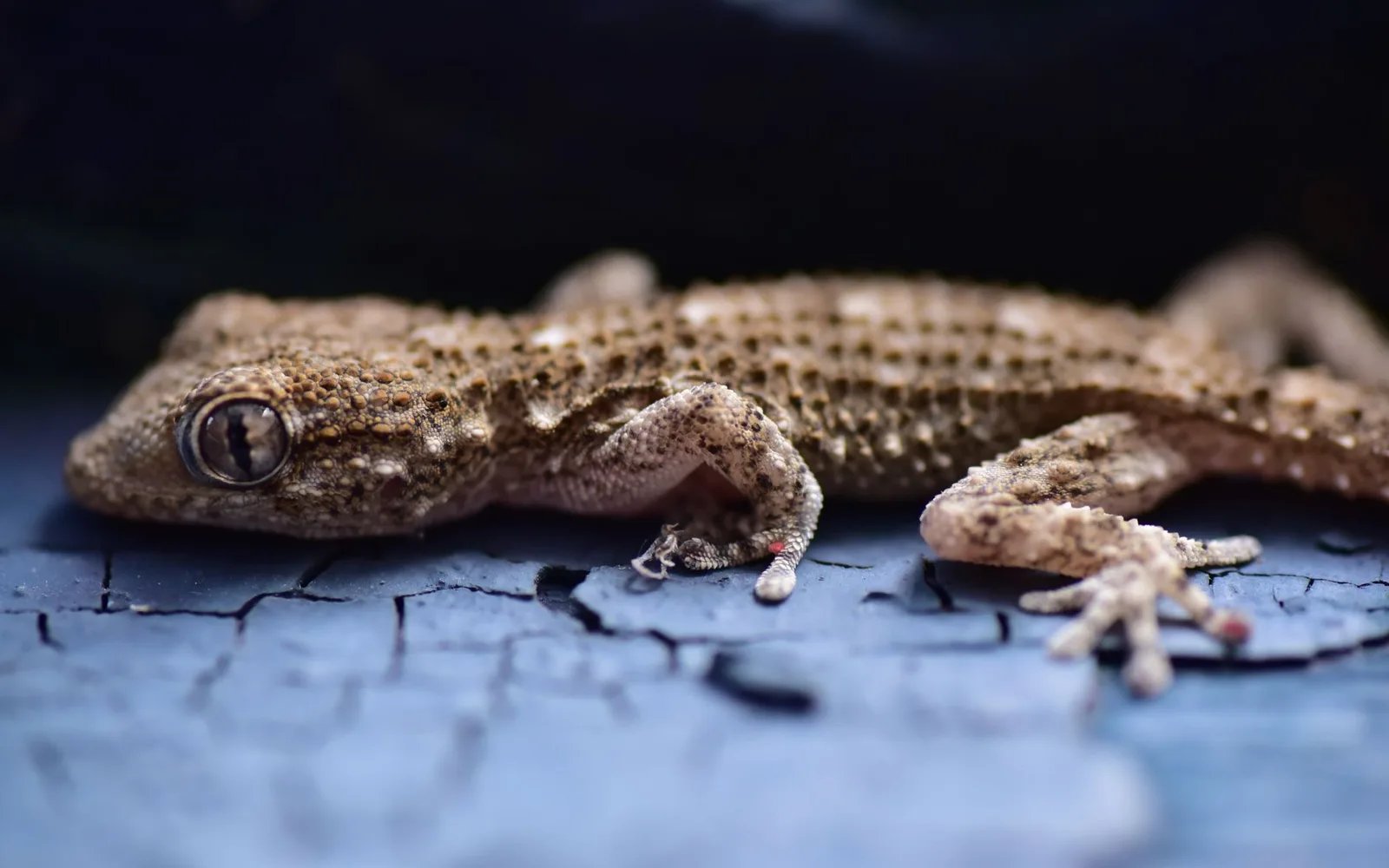
Gecko control in Al Sanabel Makkah
Al Sanabel's tightly packed apartment buildings share ducts, pipes and electrical runs that link flats vertically and horizontally, giving geckos highways between units and floors. Treating a single flat often fails because the gecko can retreat into shared walls or surface again from a neighbour's flat without ever leaving the building envelope.
-
Targeted, not broadcast
Product goes into cracks and runways, never sprayed across open surfaces.
-
Told before we start
What we will use, where it goes, and what to cover or move before we arrive.
-
A follow-up visit
We return after the first treatment, because what survives it does not show on the day.
-
Homes and businesses
Apartments and villas, and kitchens and stores that need a record of each visit.
Why they keep coming back in Al Sanabel
Short-term furnished and holiday lets in Al Sanabel often leave external lights and windows unscreened whilst vacant or only intermittently occupied, which draws geckos in and leaves them undisturbed for weeks. The method is set out in full on our Gecko control service.
Small insects gather the gecko, and pipes harbour it
Ageing shared drainage systems under the blocks accumulate cockroaches, flies and ants, drawing geckos to hunt. Shared pipes and sleeves between flats hold moisture and dark crevices where the gecko settles, so it does not leave. Once it finds a path between flats, controlling one unit alone does not flush it out.
Shared stairs and landings move it freely upward
Shared stairwells and corridors let the gecko move between storeys at will, and the common entrance lighting attracts small insects and geckos alike. Standardised door frames do not seal tightly enough to stop its passage, so it crosses thresholds routinely.
Small gaps around pipes and risers are its access routes
Gaps around water pipes, drainage stacks and electrical conduits that pass through party walls or service voids offer the gecko direct routes from one flat to another. Air conditioner sleeves and sewage risers often pass through shared walls with gaps left unfilled, creating high-speed corridors for it.
Landmarks of Al Sanabel
Work in Al Sanabel requires access along King Khalid Road then through the tight internal grid of the district, and coordination with the building management offices near Makkah Development Commission to reach multiple neighbouring flats in a single visit.
- King Khalid Road
- Third Ring Road
- Muzdalifah Road
- Makkah Development Commission
- Al Iman Mosque
- Al Mousa Park
The food, the opening and the crevice decide the method
Al Sanabel sits in the southern fringe of Al Aziziyah, a compact grid of apartment blocks bounded by fast roads, a public park and the development authority offices.
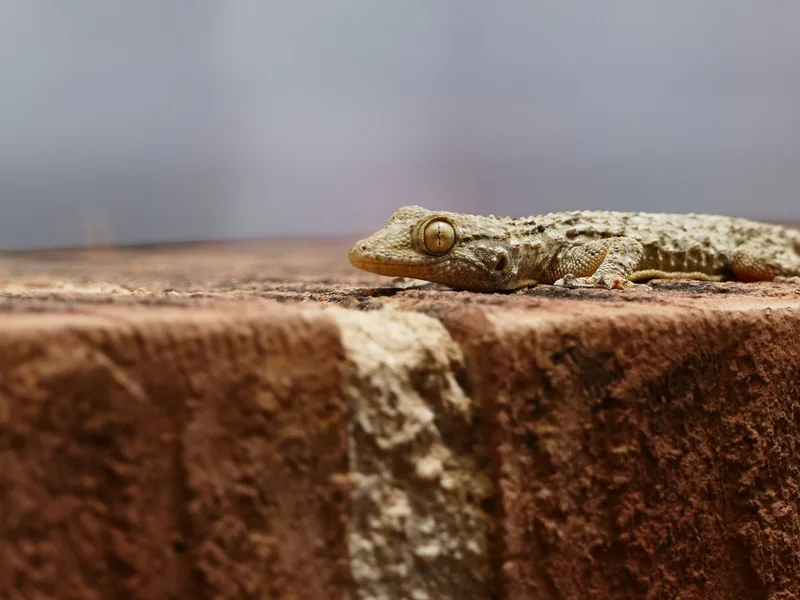
The house gecko
The house gecko lives in fissures around shared pipes and party walls, moving nightly through the common entrance and stairwell in search of small insects the kitchens and bathrooms attract.

Outdoor lighting
The common entrance lighting draws small flying insects that the gecko hunts, and it enters through small gaps around light fittings and air vents where the light-attracting insect cloud is thickest.
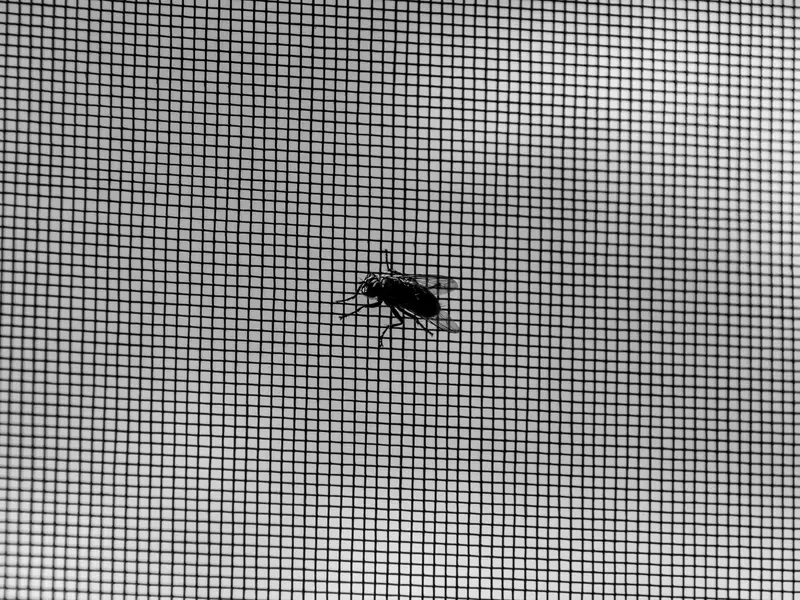
Window mesh
Torn or missing window mesh in kitchen and bathroom windows, especially those overlooking the shared landings, lets the gecko climb in directly from the common areas of the building.
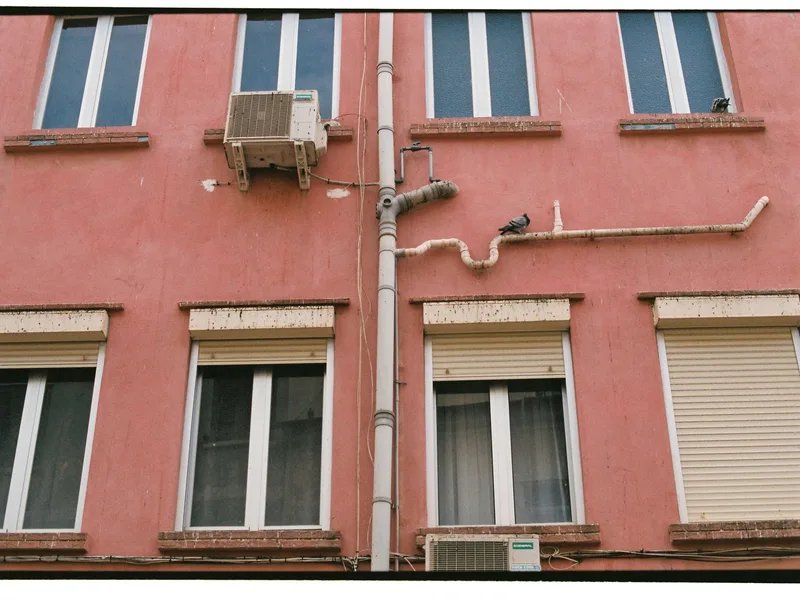
The air-conditioner sleeve
The air-conditioner sleeve that passes through a shared wall between flats often leaves a gap on one or both sides that the gecko uses to cross between units, moving the infestation laterally when the resident thinks it has gone.
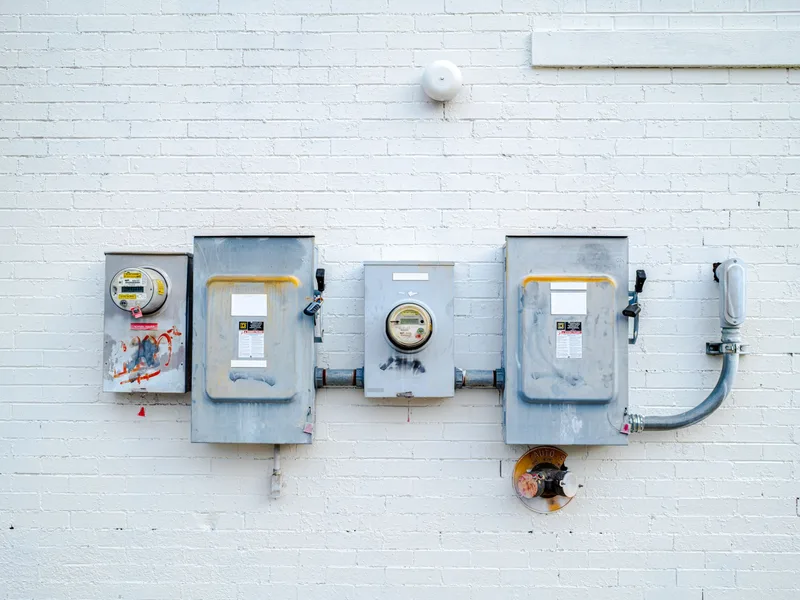
Meter boxes and electrical panels
Electrical panels mounted in shared lobbies or near flat doors are surrounded by small gaps where wiring enters, and if common area lighting is nearby, the insect traffic and gecko passage intensify around them.
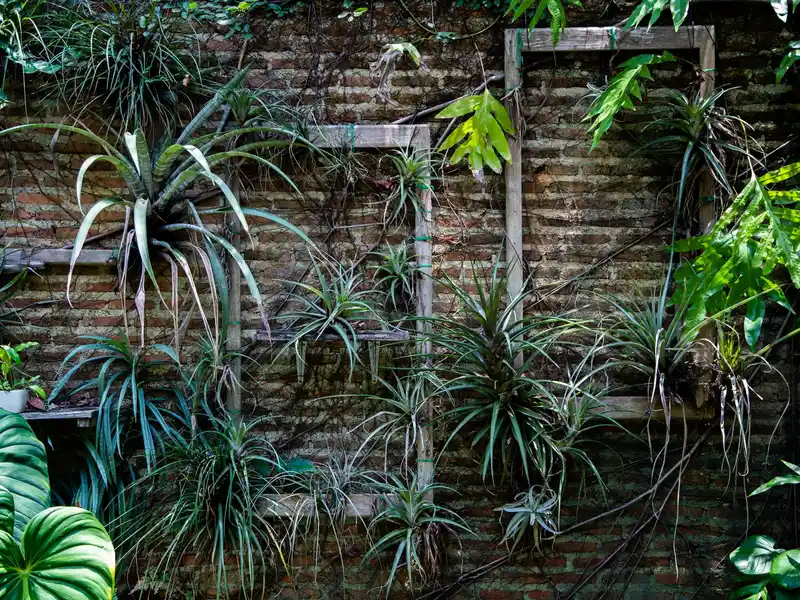
The garden and the irrigation
Small planted areas between the blocks and ageing drainage systems under the building slab shelter insects and rodents outside, which draw geckos to the building perimeter, so external treatment around foundations is as important as treating indoors.
How we work
-
1
Inspect at night and find the source
We come at the hour it is actually moving, and establish which wall face it is living on, which lights are gathering its food, the entry points and the crevices it wedges into by day.
-
2
Treat the food source
We treat the flying and crawling insects on the wall faces, around the perimeter and around the lighting. Once the food goes, the wall stops being worth staying on.
-
3
Close the openings and clear the crevices
We seal the air-conditioner sleeve, screen the vents and drain outlets, deal with the underside of doors, and place a repellent in the crevices and behind panels so they move out before anything is closed.
-
4
The follow-up visit
We come back once the glued eggs have hatched, check the seals held, and re-treat any wall face where activity has returned.
What gecko control includes
-

A recorded night inspection
Wall faces, lighting, entry points and egg sites, all established before anything is applied.
-

Treating the insects on the walls
Targeted treatment around lighting, windows and the building perimeter, because the food is what keeps it there.
-

Placed repellent in the crevices
Behind panels, in wall joints and at the ceiling-void entries, where it sits out the day.
-

Screening vents and drain openings
Shafts, vents and the condensate outlet, which are entry points nobody looks at.
-

Aftercare instructions
Ventilation, what to cover, and the change to the outside lighting that stops the insects gathering again.
-

A scheduled follow-up
A set date after the first treatment, a check on the seals and re-treatment of anything still active.
What is different about Al Aziziyah (Makkah) Sub-Municipality
Al Aziziyah sub municipality runs from the Bin Dawood markets to the Al Hada road and carries pilgrim traffic to Mina. Hotel towers and furnished apartment blocks fill and empty with the Hajj and Ramadan seasons, and the kitchens, restaurants and markets along Al Masjid Al Haram Road and King Abdulaziz Road leave food waste at every peak. Southwards the fabric loosens into villas and planned streets in An Naseem and Al Awali, then Al Abidiyah's campus and the old farms of Al Husayniyah, where Wadi Uranah holds water after rain and farm enclosures shelter rodents and reptiles.
Questions about this district
If I treat my flat carefully, can my neighbour's gecko reach mine?
In Al Sanabel's buildings, yes. The flats are joined by shared plumbing, waste stacks and electrical conduits. Treating your flat alone stops direct ingress, but the gecko can retreat into walls you share and surface again days later. Co-ordination with adjoining residents makes a real difference.
Why do geckos hide in kitchens and bathrooms most?
Kitchens and bathrooms hold running water, small insects and permanent shadow, all of which geckos seek. The damp from shared pipes under the slab and around drainage creates the cool, humid crevices it needs. Night lighting attracts the insects it hunts, so it stations itself where the insects gather.
Do gecko problems disappear in Makkah's winter because it gets cold?
Makkah's winter is mild, and kitchens, heated bathrooms and deep interior walls stay warm year round. The gecko may be less active in midwinter, but it does not vanish, especially in continuously occupied flats where heating and lights stay on.
Does the gecko climb to the upper floors or stay in the ground storey?
Geckos climb walls and pipes effortlessly, so it reaches every floor. Shared stairwells and lift shafts are open highways for it. Upper flats are just as exposed as ground-floor ones.
If we seal the main entrance, is the gecko blocked from outside access?
Sealing the shared entrance reduces but does not stop the ingress, because shared pipes and gaps around services remain open pathways. Treating inside the flat, controlling external lights and closing air-conditioner and drainage sleeves properly all matter equally.
Are Al Sanabel's flats more prone to geckos than detached villas?
Markedly yes. Multiple stacked flats with shared plumbing and shared entrances mean more pathways and more small insects clustered together. Standalone villas have none of these vulnerabilities, so treatment is faster and does not depend on neighbours' cooperation.
How much does gecko control in Al Sanabel cost?
It is set after the inspection, because the price follows the type of infestation, the size of the space, how far it has spread and the number of visits it needs. Send a photo and a description on WhatsApp and we will give you an estimate before we reach Al Sanabel.
Nearby districts we cover
Other services in Al Sanabel
Other services we provide to residents of Al Sanabel.
-
 Residential
Cockroach control
Residential
Cockroach control
-
 Residential
Bed bug control
Residential
Bed bug control
-
 Residential
Termite control
Residential
Termite control
-
 Residential
Rodents and mice
Residential
Rodents and mice
-
 Residential
Mosquito control
Residential
Mosquito control
-
 Residential
Fly control
Residential
Fly control
-
 Residential
Ant control
Residential
Ant control
-
 Residential
Scorpion control
Residential
Scorpion control
-
 Residential
Snake control
Residential
Snake control
-
 Residential
Flea control
Residential
Flea control
-
 Residential
Bird and pigeon control
Residential
Bird and pigeon control
-
 Residential
Preventive treatment
Residential
Preventive treatment
-
 Residential
Disinfection
Residential
Disinfection
-
 Commercial
Annual contracts
Commercial
Annual contracts
-
 Commercial
Restaurants and cafes
Commercial
Restaurants and cafes
-
 Commercial
Hotels and apartments
Commercial
Hotels and apartments
-
 Commercial
Warehouses and factories
Commercial
Warehouses and factories
-
 Commercial
Schools and nurseries
Commercial
Schools and nurseries
-
 Commercial
Retail and malls
Commercial
Retail and malls
-
 Commercial
Rest houses and farms
Commercial
Rest houses and farms
-
 Commercial
Fumigation
Commercial
Fumigation
-
 Water tanks
Water tank cleaning
Water tanks
Water tank cleaning
-
 Water tanks
Water tank sterilization
Water tanks
Water tank sterilization
-
 Water tanks
Water tank sealing
Water tanks
Water tank sealing
-
 Water tanks
Tank leak repair
Water tanks
Tank leak repair
Need gecko control in Al Sanabel? Tell us what you saw and we will tell you what it needs
We reach Al Sanabel at a time we agree, and you get the full cost before we start.