
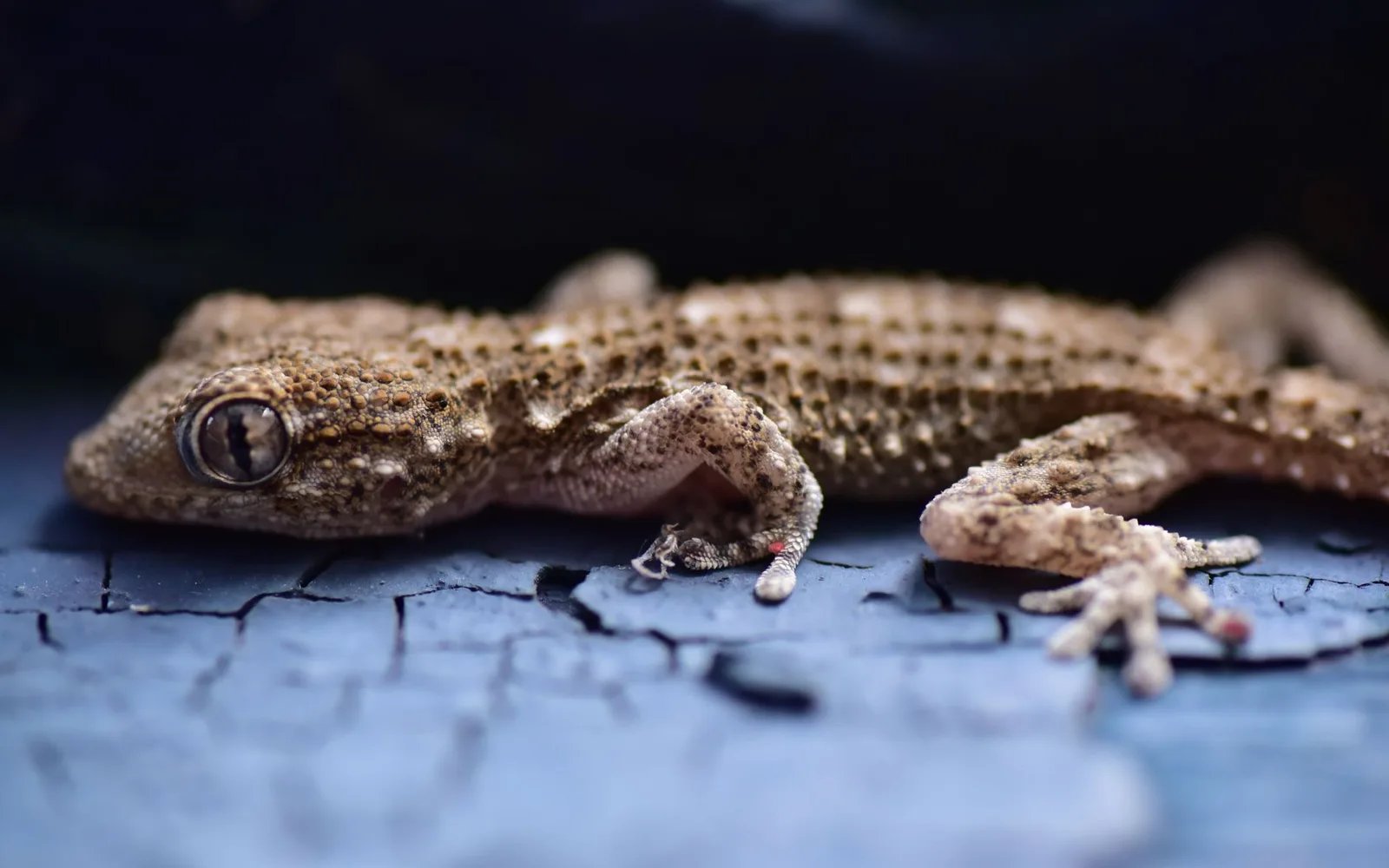
Gecko control in Al Mursalat Makkah
Al Mursalat is an apartment district east of central Makkah, close to Mina and the Fourth Ring Road, where residential blocks and pilgrim hotels stand shoulder to shoulder. Geckos use exterior walls and shared openings to move between floors in the hospitals, hotels and apartment blocks that share the tight urban fabric.
-
Targeted, not broadcast
Product goes into cracks and runways, never sprayed across open surfaces.
-
Told before we start
What we will use, where it goes, and what to cover or move before we arrive.
-
A follow-up visit
We return after the first treatment, because what survives it does not show on the day.
-
Homes and businesses
Apartments and villas, and kitchens and stores that need a record of each visit.
Why they keep coming back in Al Mursalat
Flats in small hotels and residential apartment blocks receive geckos through central air-conditioning outlets that connect the hotels, hospital and neighbouring apartment buildings together. The method is set out in full on our Gecko control service.
Small hotels become gecko breeding grounds
Budget hotels designed for pilgrims in Al Mursalat contain simply furnished units and decades-old ventilation openings never modernised. Geckos inhabit these hotels because of exposed food and stable warm temperature, then migrate to neighbouring apartment blocks through the shared air-conditioning openings.
King Khalid Road feeds gecko prey species
The highway carries millions of pilgrims and vehicles seasonally, and gecko populations benefit because small insects breed rapidly in the thermal and crowded conditions around a major road. Apartment buildings with road-facing facades experience far heavier gecko pressure than those set back from traffic.
Weathered exterior walls become gecko highways
The older apartment blocks in Al Mursalat have compromised exterior walls from continuous sun and moisture exposure, and fissures widen annually. These cracks provide safe passage routes for geckos moving between floors within a single building and between adjacent buildings.
Al Mursalat on the map
Al Mursalat sits about 1 km from Al Jamiah and about 2.5 km from Al Sanabel.
Open in Google MapsThe food, the opening and the crevice decide the method
The district sits on King Khalid Road carrying heavy pilgrim traffic, with densely packed buildings whose exterior walls show cracks from road vibration, heavy vehicles and minor seismic activity.
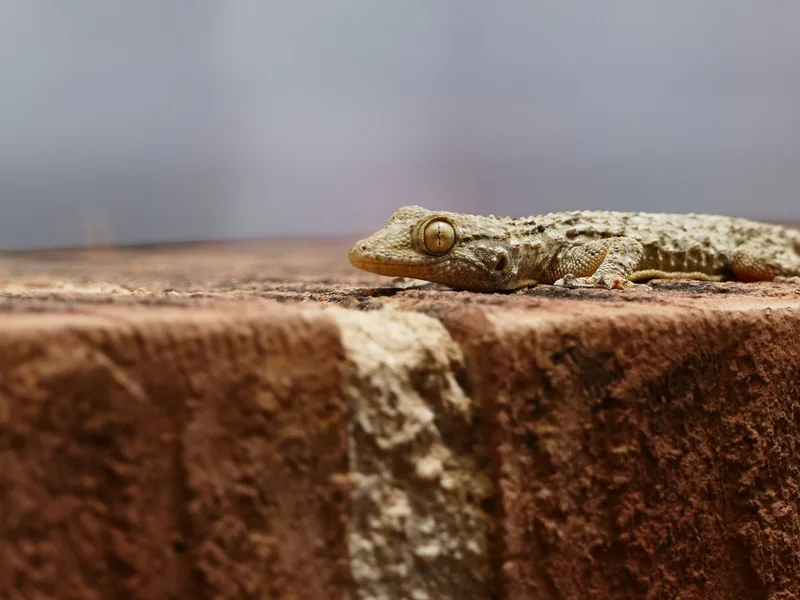
The house gecko
The house gecko in hotel flats benefits from stable warmth, exposed food and windows left unsealed by incoming guests unfamiliar with local climate conditions.
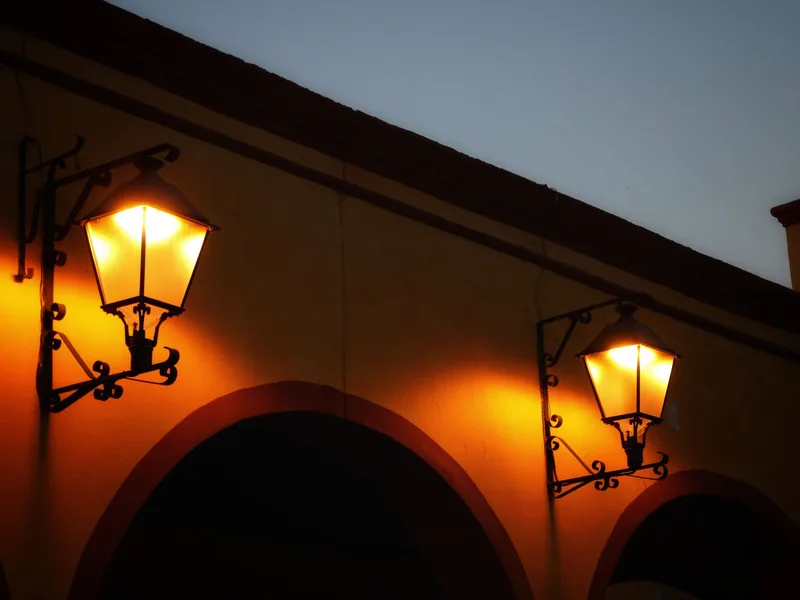
Outdoor lighting
Permanent lighting around the hotels and apartment blocks on King Khalid Road attracts nocturnal insects profusely, so geckos remain active throughout the night instead of sleeping.
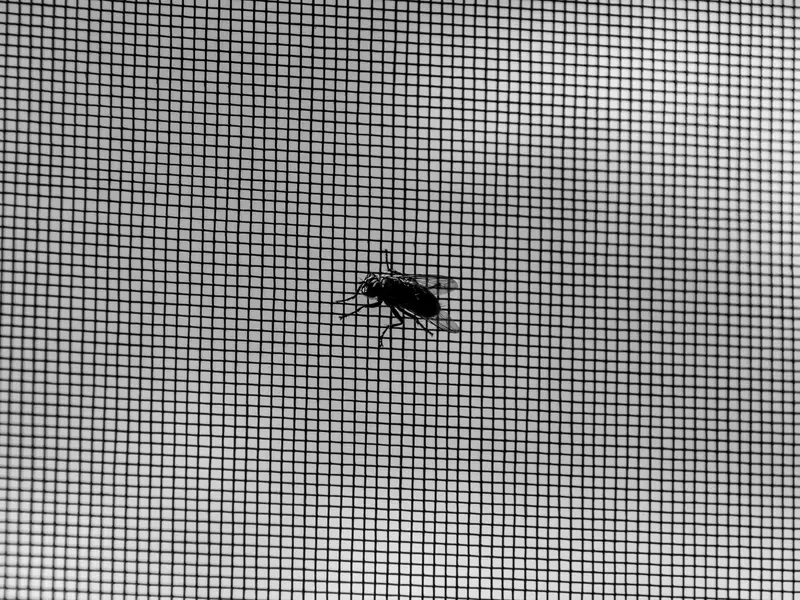
Window mesh
Hotel room windows and openings receive heavy wear from constant guest turnover, and locks and hinges deteriorate, failing to seal tightly against gecko entry.
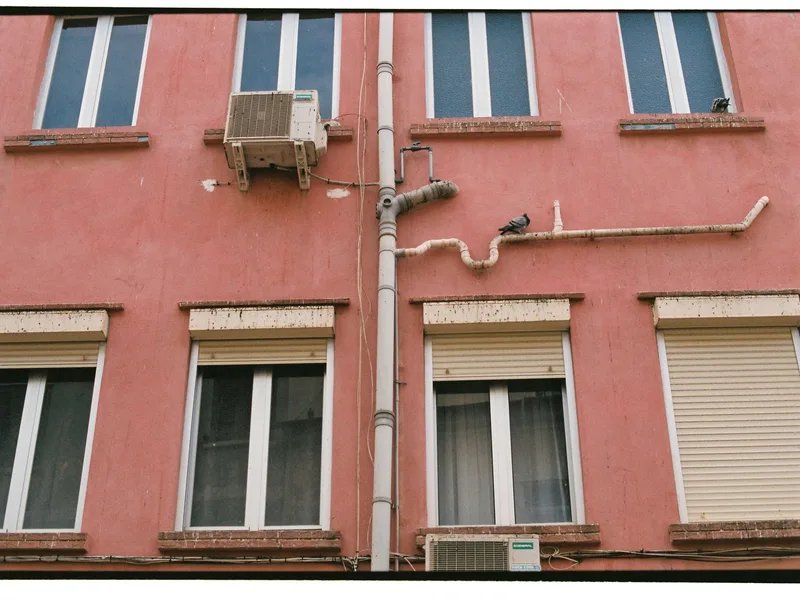
The air-conditioner sleeve
Central and distributed air-conditioning openings linking hotels and adjacent apartment blocks provide wide corridors for gecko movement between units and floors.
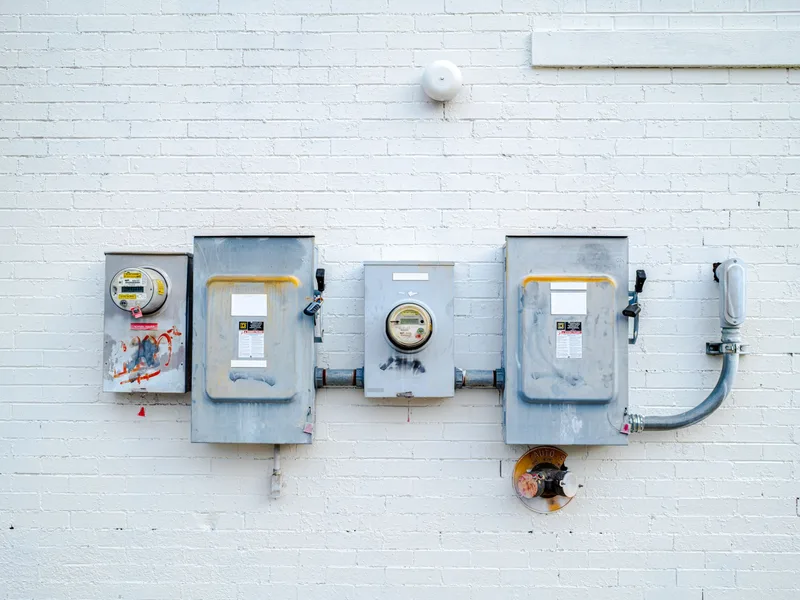
Meter boxes and electrical panels
Electrical boxes, meter installations and exposed pipes on hotel and building roofs offer sheltered breeding grounds for geckos in darkness and stable warmth.
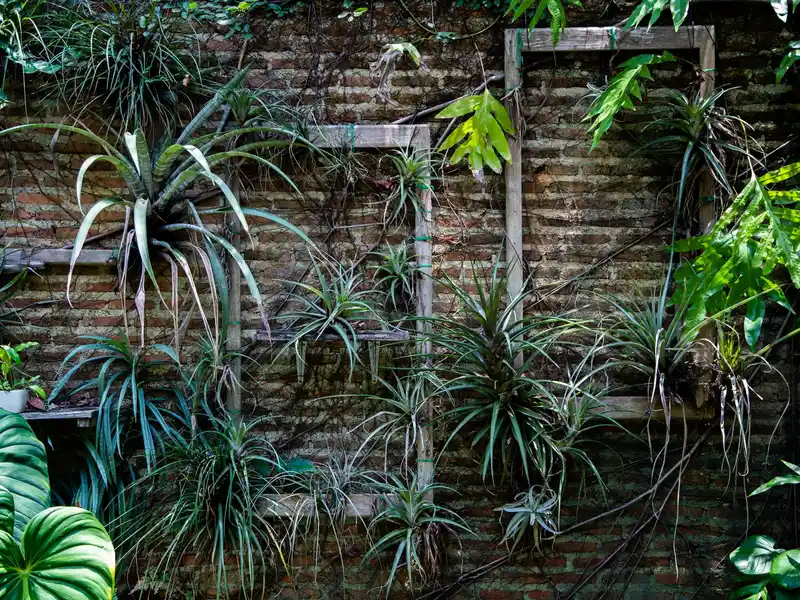
The garden and the irrigation
Water dripping from air-conditioning units beside openings attracts small insects, making these spots attractive to geckos searching for easy food sources.
How we work
-
1
Inspect at night and find the source
We come at the hour it is actually moving, and establish which wall face it is living on, which lights are gathering its food, the entry points and the crevices it wedges into by day.
-
2
Treat the food source
We treat the flying and crawling insects on the wall faces, around the perimeter and around the lighting. Once the food goes, the wall stops being worth staying on.
-
3
Close the openings and clear the crevices
We seal the air-conditioner sleeve, screen the vents and drain outlets, deal with the underside of doors, and place a repellent in the crevices and behind panels so they move out before anything is closed.
-
4
The follow-up visit
We come back once the glued eggs have hatched, check the seals held, and re-treat any wall face where activity has returned.
What gecko control includes
-

A recorded night inspection
Wall faces, lighting, entry points and egg sites, all established before anything is applied.
-

Treating the insects on the walls
Targeted treatment around lighting, windows and the building perimeter, because the food is what keeps it there.
-

Placed repellent in the crevices
Behind panels, in wall joints and at the ceiling-void entries, where it sits out the day.
-

Screening vents and drain openings
Shafts, vents and the condensate outlet, which are entry points nobody looks at.
-

Aftercare instructions
Ventilation, what to cover, and the change to the outside lighting that stops the insects gathering again.
-

A scheduled follow-up
A set date after the first treatment, a check on the seals and re-treatment of anything still active.
What is different about Al Aziziyah (Makkah) Sub-Municipality
Al Aziziyah sub municipality runs from the Bin Dawood markets to the Al Hada road and carries pilgrim traffic to Mina. Hotel towers and furnished apartment blocks fill and empty with the Hajj and Ramadan seasons, and the kitchens, restaurants and markets along Al Masjid Al Haram Road and King Abdulaziz Road leave food waste at every peak. Southwards the fabric loosens into villas and planned streets in An Naseem and Al Awali, then Al Abidiyah's campus and the old farms of Al Husayniyah, where Wadi Uranah holds water after rain and farm enclosures shelter rodents and reptiles.
Questions about this district
Is a flat facing King Khalid Road more gecko-prone than an interior flat?
Yes. The highway moves heavy traffic and concentrated heat, attracting small insects in abundance. Road-facing flats receive heavier gecko pressure. Interior flats get geckos from the road-facing units through shared openings.
Will treating the small hotel protect neighbouring residential buildings?
The hotel and residential building are connected through shared air-conditioning, electrical and plumbing openings, so geckos move easily between them. Treating the hotel alone does not solve the problem in adjacent buildings unless they are treated together.
When is gecko activity worst in Al Mursalat during the year?
During Hajj, Umrah and Ramadan seasons when hotels and furnished flats fill with pilgrims and visitors. Exposed food and open windows in occupied flats dramatically increase gecko activity.
Should empty hotel rooms be treated if occupied rooms next door are treated?
Yes. Empty rooms provide safe shelter for incoming geckos from outside, and they may remain until a new guest checks in. Complete control treats both occupied and vacant rooms together.
Are the cracks in the old exterior wall a main gecko cause?
Yes. The cracks provide safe passages from outside to inside and between floor levels. These routes are often easier than windows and doors that may be closed or sealed.
How often does a hotel flat in Al Mursalat need gecko treatment per year?
Hotel rooms during peak seasons may need treatment monthly or every two months due to continuous guest turnover, exposed food and open windows by new arrivals, especially since the hotel connects to other residential buildings.
How much does gecko control in Al Mursalat cost?
It is set after the inspection, because the price follows the type of infestation, the size of the space, how far it has spread and the number of visits it needs. Send a photo and a description on WhatsApp and we will give you an estimate before we reach Al Mursalat.
Nearby districts we cover
Other services in Al Mursalat
Other services we provide to residents of Al Mursalat.
-
 Residential
Cockroach control
Residential
Cockroach control
-
 Residential
Bed bug control
Residential
Bed bug control
-
 Residential
Termite control
Residential
Termite control
-
 Residential
Rodents and mice
Residential
Rodents and mice
-
 Residential
Mosquito control
Residential
Mosquito control
-
 Residential
Fly control
Residential
Fly control
-
 Residential
Ant control
Residential
Ant control
-
 Residential
Scorpion control
Residential
Scorpion control
-
 Residential
Snake control
Residential
Snake control
-
 Residential
Flea control
Residential
Flea control
-
 Residential
Bird and pigeon control
Residential
Bird and pigeon control
-
 Residential
Preventive treatment
Residential
Preventive treatment
-
 Residential
Disinfection
Residential
Disinfection
-
 Commercial
Annual contracts
Commercial
Annual contracts
-
 Commercial
Restaurants and cafes
Commercial
Restaurants and cafes
-
 Commercial
Hotels and apartments
Commercial
Hotels and apartments
-
 Commercial
Warehouses and factories
Commercial
Warehouses and factories
-
 Commercial
Schools and nurseries
Commercial
Schools and nurseries
-
 Commercial
Retail and malls
Commercial
Retail and malls
-
 Commercial
Rest houses and farms
Commercial
Rest houses and farms
-
 Commercial
Fumigation
Commercial
Fumigation
-
 Water tanks
Water tank cleaning
Water tanks
Water tank cleaning
-
 Water tanks
Water tank sterilization
Water tanks
Water tank sterilization
-
 Water tanks
Water tank sealing
Water tanks
Water tank sealing
-
 Water tanks
Tank leak repair
Water tanks
Tank leak repair
Need gecko control in Al Mursalat? Tell us what you saw and we will tell you what it needs
We reach Al Mursalat at a time we agree, and you get the full cost before we start.