
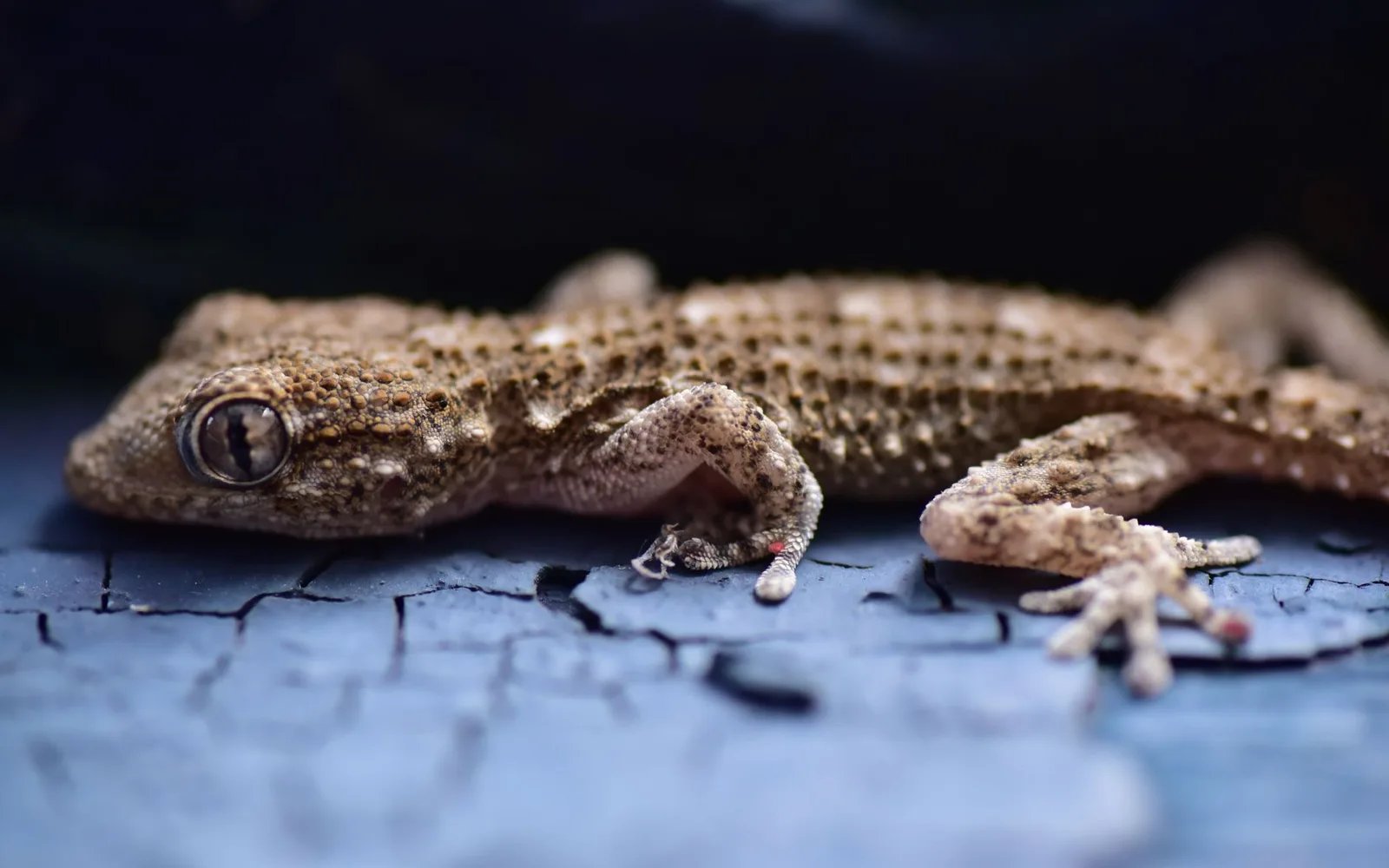
Gecko control in Ghulail Jeddah
Ghulail is an emerging district undergoing complete redevelopment in south Jeddah. New villas and apartment buildings stand among vast vacant plots and active construction sites. Geckos migrate from the building works and empty land towards the new homes because they offer superior shelter and concentrated food.
-
Targeted, not broadcast
Product goes into cracks and runways, never sprayed across open surfaces.
-
Told before we start
What we will use, where it goes, and what to cover or move before we arrive.
-
A follow-up visit
We return after the first treatment, because what survives it does not show on the day.
-
Homes and businesses
Apartments and villas, and kitchens and stores that need a record of each visit.
Why they keep coming back in Ghulail
Building sites and excavations surrounding the new homes provide high humidity and safe hideouts. Gecko infestation in newly occupied homes here begins fast because migrating populations arrive from the adjacent disturbance. The method is set out in full on Gecko control in detail.
Vacant plots supply constant migrating pressure
Vacant land, rubble piles and open excavations surround the new homes, providing groundwater humidity and uncontrolled irrigation leakage. Geckos hide in these sites by day and migrate at night towards lights and food in the new homes. Every newly built villa next to empty land means retreatment will be needed regularly. The migrants arrive in waves tied to building activity and rainfall.
Construction brings new insect populations
Building works disturb soil and disrupt old drainage channels, causing pooling and insect multiplication. Excavators, cranes and scattered materials provide daytime cover for geckos. Construction crews bring materials and pest load from other sites. The entire district is an active construction zone, so gecko pressure is higher here than in finished districts.
Empty new homes become established refuges
Some villas and flats sit vacant for weeks during finishing or while awaiting occupants. These unoccupied units become secure refuges for geckos without disturbance or predation. By the time residents move in, geckos have settled firmly, making treatment longer and more difficult.
Ghulail on the map
Ghulail sits about 1.5 km from Al Quraiyat and about 2 km from Al Nazlah Al Yamaniyah.
Open in Google MapsThe food, the opening and the crevice decide the method
The former popular quarter next to Al Mahjar suffered from narrow lanes, broken streets and failed drainage that left foul water pooling on the asphalt. The vacant land today remains humid from groundwater and the lingering effects of poor sewerage infrastructure.
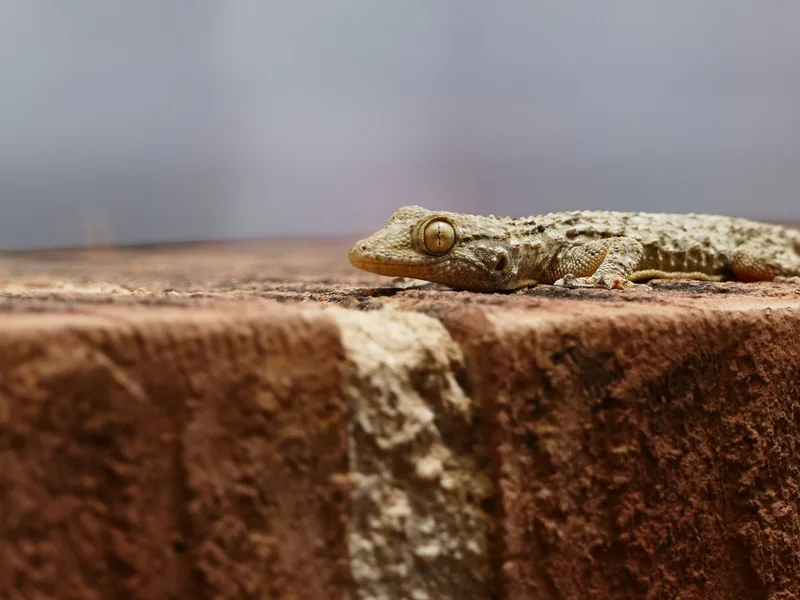
The house gecko
House geckos in Ghulail hide in cracks around new foundations and in hastily cut openings made by builders. New foundations may have gaps filled with clay and sand that have not yet been sealed properly.

Outdoor lighting
New villa lights and construction lighting at night attract insects from vacant land. Geckos follow insects from the dark building site towards the villa lights.
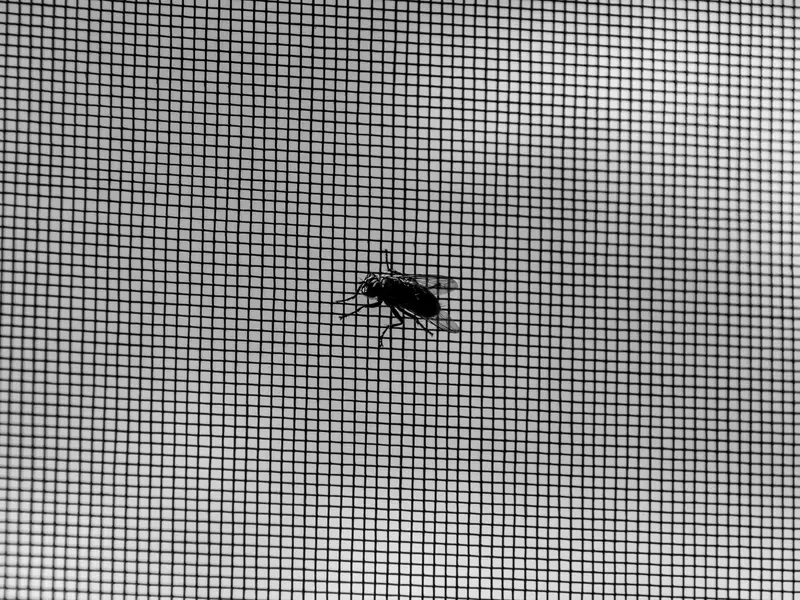
Window mesh
New villas have provisional mesh or gaps left for wire runs during construction. Geckos enter through these gaps. Final mesh may not be secured tightly afterwards.
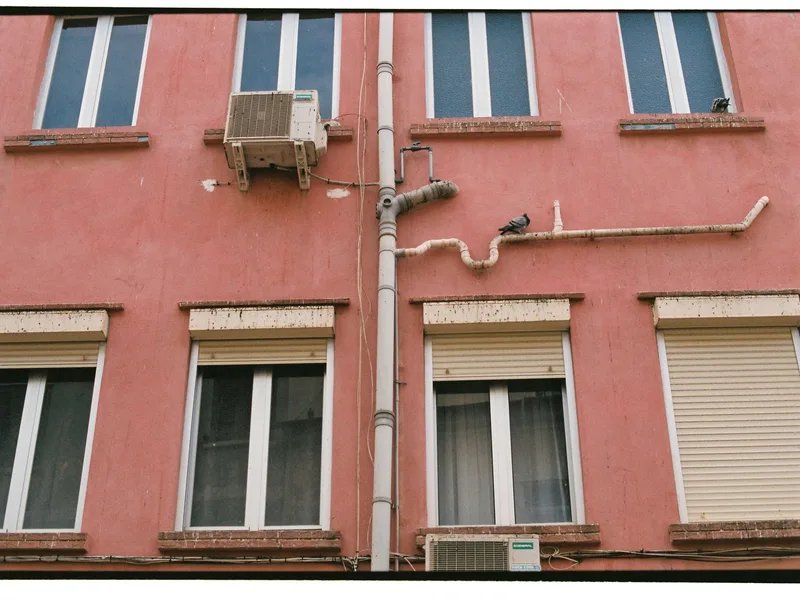
The air-conditioner sleeve
Air conditioner sleeves in new villas are often installed loosely during construction. Final fitting may not be complete, and gaps around the sleeve are easy entry routes.
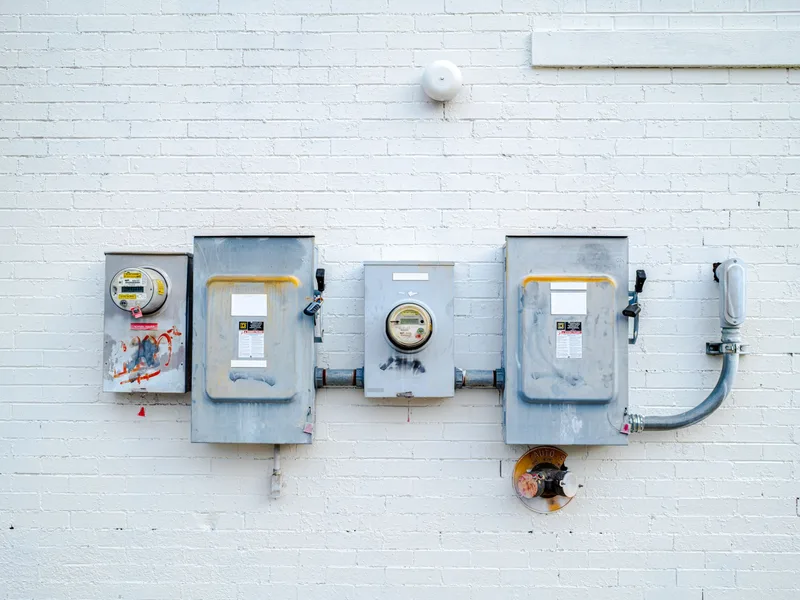
Meter boxes and electrical panels
Electrical boxes and meter panels in new builds are temporarily installed with wide holes for cable runs. Cracks around the panel are safe passages before final finishing.
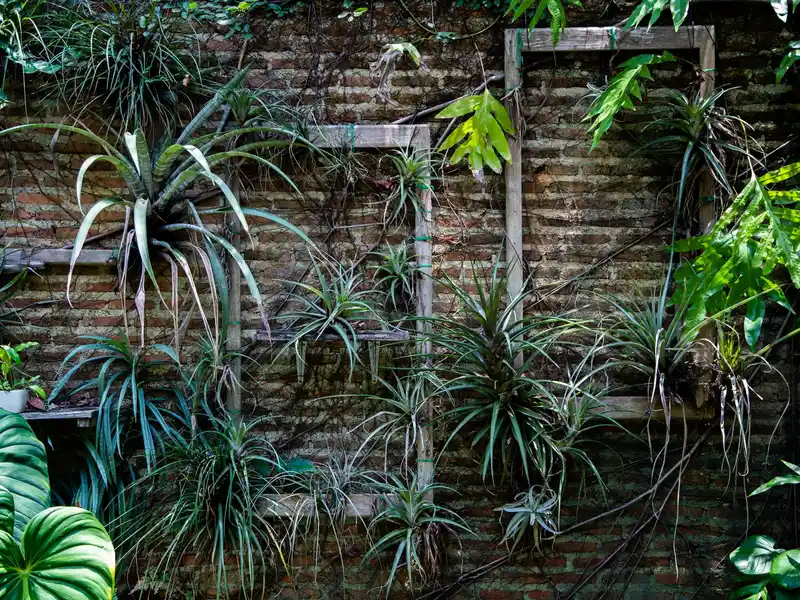
The garden and the irrigation
New villa gardens lie unfinished with trial irrigation and pooled water in foundation trenches, providing moisture and insects for geckos.
How we work
-
1
Inspect at night and find the source
We come at the hour it is actually moving, and establish which wall face it is living on, which lights are gathering its food, the entry points and the crevices it wedges into by day.
-
2
Treat the food source
We treat the flying and crawling insects on the wall faces, around the perimeter and around the lighting. Once the food goes, the wall stops being worth staying on.
-
3
Close the openings and clear the crevices
We seal the air-conditioner sleeve, screen the vents and drain outlets, deal with the underside of doors, and place a repellent in the crevices and behind panels so they move out before anything is closed.
-
4
The follow-up visit
We come back once the glued eggs have hatched, check the seals held, and re-treat any wall face where activity has returned.
What gecko control includes
-

A recorded night inspection
Wall faces, lighting, entry points and egg sites, all established before anything is applied.
-

Treating the insects on the walls
Targeted treatment around lighting, windows and the building perimeter, because the food is what keeps it there.
-

Placed repellent in the crevices
Behind panels, in wall joints and at the ceiling-void entries, where it sits out the day.
-

Screening vents and drain openings
Shafts, vents and the condensate outlet, which are entry points nobody looks at.
-

Aftercare instructions
Ventilation, what to cover, and the change to the outside lighting that stops the insects gathering again.
-

A scheduled follow-up
A set date after the first treatment, a check on the seals and re-treatment of anything still active.
Landmarks of Ghulail
Ghulail borders Al Mahjar Street to the east and Omar Al Mutawa Street to the north, with Al Falah Road providing access to neighbouring residential areas. Movement between villas follows these streets according to construction phases and completed subdivisions.
- Al Mahjar Street
- Omar Al Mutawa Street
- Al Falah Road
Questions about this district
Does ongoing construction mean our treatment will not hold?
Ongoing construction means the gecko source is continuous. First treatment removes current residents, but migrants arrive from empty plots and new building sites nearby. Retreatment will be needed every three weeks during active redevelopment, and frequency drops once construction nears completion.
When will a new villa in Ghulail stay gecko free?
Treating the new villa stops current residents, but vacant plots beside it remain a source. Geckos migrate from these plots every few weeks. If the villa is surrounded by empty land on all sides, retreatment every two weeks may be needed until neighbouring plots are built out.
Is it worth treating the vacant land in Ghulail?
Vacant land changes constantly through digging, filling and irrigation for building, so spray does not persist. The real benefit is treating neighbours of the vacant ground: each villa individually, then retreated every three weeks, which stops migrants before they enter.
Should a new villa have preventive treatment on move in day?
Yes, urgently. New homes in an active building zone receive geckos from day one. Do not wait for complaints to arise. Preventive treatment on occupation stops early settlement. Follow with retreatment every three weeks through the first year.
Do irrigation and excavation water worsen the gecko problem?
Very much. Uncontrolled irrigation and construction drainage provide constant moisture. This attracts small insects and worms on which geckos feed. The district maintains higher humidity than completed areas, concentrating the insect food web.
Does a building site next to the villa mean different treatment?
Yes. A building site adjacent to the villa means defensive treatment focused on external walls, mesh and openings. We concentrate on edges and corners because geckos enter there first. Interior and exterior treatment are both necessary.
How much does gecko control in Ghulail cost?
It is set after the inspection, because the price follows the type of infestation, the size of the space, how far it has spread and the number of visits it needs. Send a photo and a description on WhatsApp and we will give you an estimate before we reach Ghulail.
Nearby districts we cover
Other services in Ghulail
Other services we provide to residents of Ghulail.
-
 Residential
Cockroach control
Residential
Cockroach control
-
 Residential
Bed bug control
Residential
Bed bug control
-
 Residential
Termite control
Residential
Termite control
-
 Residential
Rodents and mice
Residential
Rodents and mice
-
 Residential
Mosquito control
Residential
Mosquito control
-
 Residential
Fly control
Residential
Fly control
-
 Residential
Ant control
Residential
Ant control
-
 Residential
Scorpion control
Residential
Scorpion control
-
 Residential
Snake control
Residential
Snake control
-
 Residential
Flea control
Residential
Flea control
-
 Residential
Bird and pigeon control
Residential
Bird and pigeon control
-
 Residential
Preventive treatment
Residential
Preventive treatment
-
 Residential
Disinfection
Residential
Disinfection
-
 Commercial
Annual contracts
Commercial
Annual contracts
-
 Commercial
Restaurants and cafes
Commercial
Restaurants and cafes
-
 Commercial
Hotels and apartments
Commercial
Hotels and apartments
-
 Commercial
Warehouses and factories
Commercial
Warehouses and factories
-
 Commercial
Schools and nurseries
Commercial
Schools and nurseries
-
 Commercial
Retail and malls
Commercial
Retail and malls
-
 Commercial
Rest houses and farms
Commercial
Rest houses and farms
-
 Commercial
Fumigation
Commercial
Fumigation
-
 Water tanks
Water tank cleaning
Water tanks
Water tank cleaning
-
 Water tanks
Water tank sterilization
Water tanks
Water tank sterilization
-
 Water tanks
Water tank sealing
Water tanks
Water tank sealing
-
 Water tanks
Tank leak repair
Water tanks
Tank leak repair
Need gecko control in Ghulail? Tell us what you saw and we will tell you what it needs
We reach Ghulail at a time we agree, and you get the full cost before we start.