
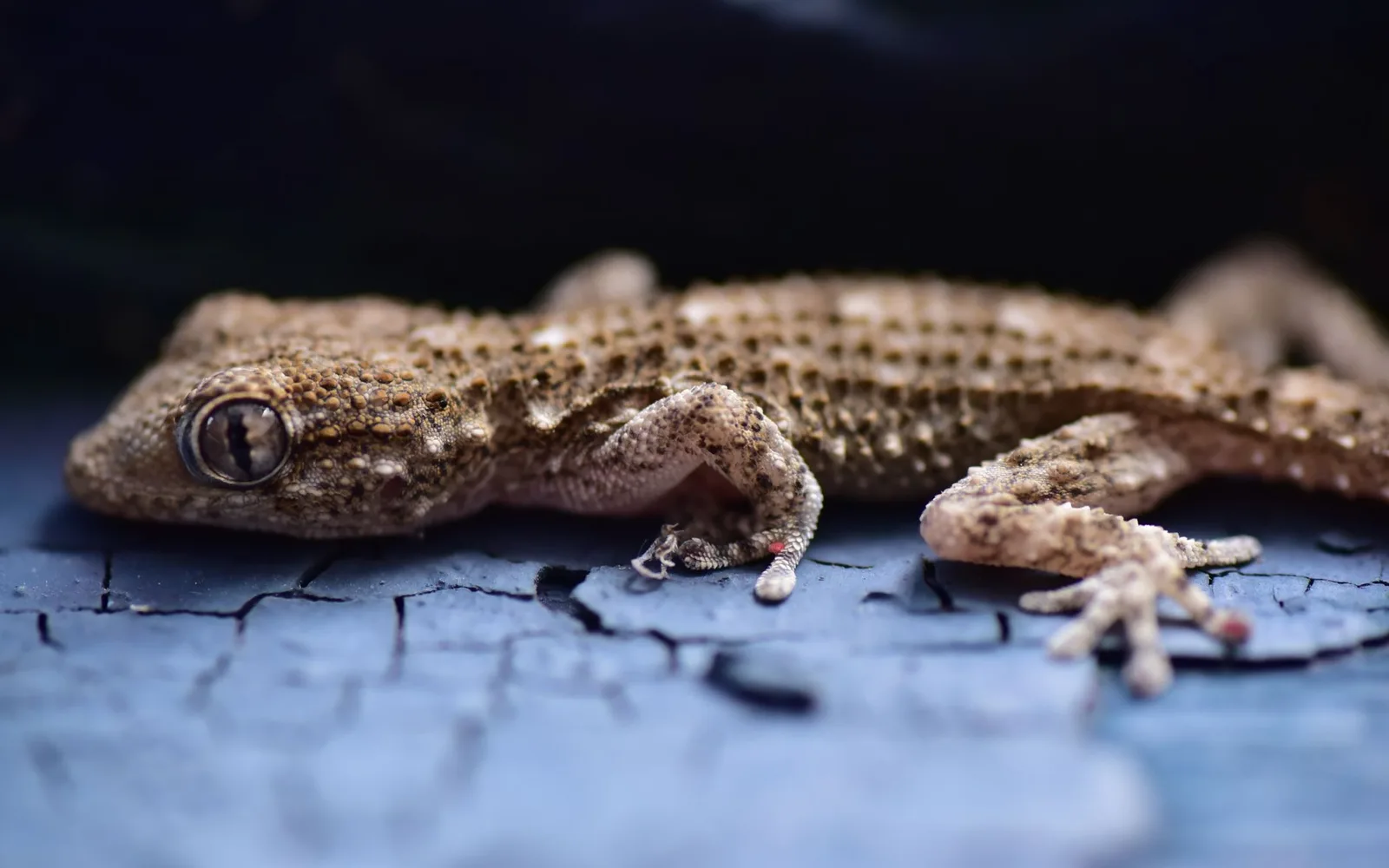
Gecko control in Harat Al Bahr Jeddah
Harat Al Bahr is the oldest south western part of historic Jeddah, directly behind Bab Al Bunt on the waterfront, containing very old coral stone houses built centuries ago to house sailors and harbour workers. Sea humidity here is among the highest in Jeddah, meaning permanent geckos, reptiles, water insects and cockroaches throughout the year. Cracks in the stone and completely decayed mortar provide geckos with permanent entry routes.
-
Targeted, not broadcast
Product goes into cracks and runways, never sprayed across open surfaces.
-
Told before we start
What we will use, where it goes, and what to cover or move before we arrive.
-
A follow-up visit
We return after the first treatment, because what survives it does not show on the day.
-
Homes and businesses
Apartments and villas, and kitchens and stores that need a record of each visit.
Why they keep coming back in Harat Al Bahr
Coral stone houses in Harat Al Bahr suffer constant humidity causing continuous mortar and stone decay, and geckos find new entry points faster than in almost any other district. The method is set out in full on the full Gecko control page.
Salt and sea humidity continuously destroy stone and mortar
Extremely high sea humidity and salt in the air cause decay of old mortar and the stone itself. Cracks do not merely widen but new ones form constantly. A gecko does not search for entry; it finds new cracks almost weekly. Continuous treatment and sealing are absolutely necessary.
Proximity to the sea brings water reptiles and marine insects
Harat Al Bahr sits directly on the harbour and shoreline. Water reptiles, marine insects and crustaceans may enter homes with salt water or through open cracks. Sea geckos are naturally present here, and other reptile species may be found too.
Extremely close-packed houses provide gecko highways between homes
Coral stone houses are pressed extremely tightly together and share walls that form direct gecko pathways. Geckos migrate from one house to the next via shared cracks and gaps between stones without needing to leave the cluster.
The character of Harat Al Bahr
Historic district: close-set buildings, narrow lanes and ageing services
A historic district in Harat Al Bahr means coral stone houses separated by tangled shared walls, and extreme sea humidity continuously widening cracks. Reptiles may be marine or coastal species in addition to house geckos, and treatment must be specialist and very frequent.
The food, the opening and the crevice decide the method
Very old coral stone houses packed extremely tightly together on the Red Sea coast directly with high sea humidity and low ground level near water, where salt water may seep into the walls themselves.
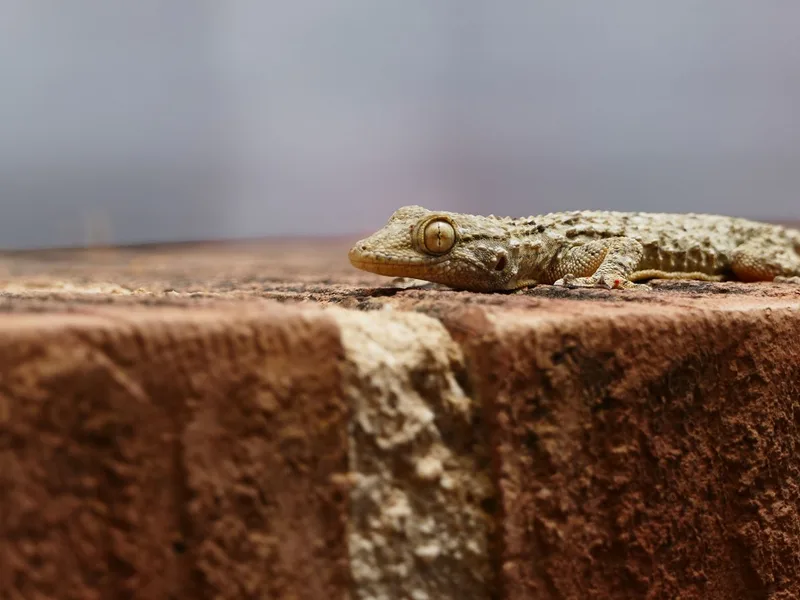
The house gecko
House geckos in Harat Al Bahr originate in continuous stone and mortar decay, and may be sea reptiles or other coastal reptile species rather than typical house geckos.

Outdoor lighting
Night lighting around the harbour and shoreline attracts marine insects and coastal insects, and geckos follow them into the close-packed houses.
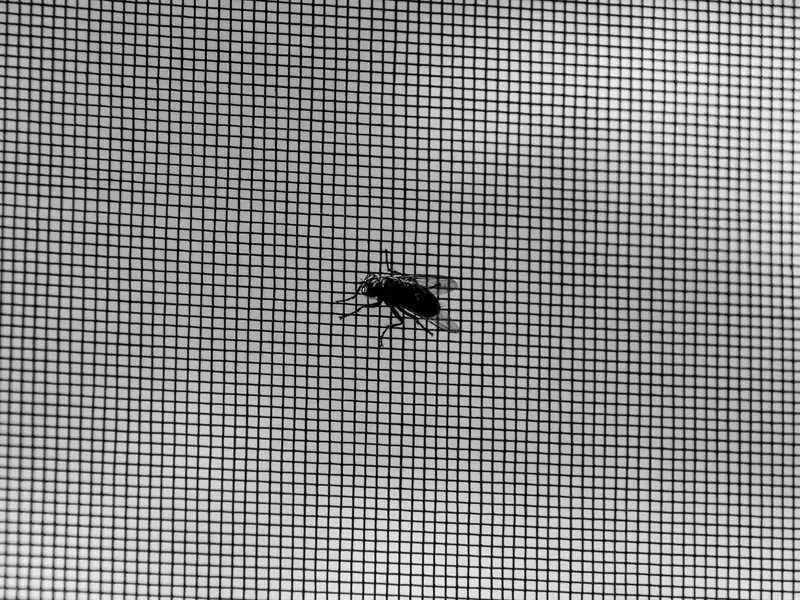
Window mesh
Window mesh in very old stone houses may be perforated or extremely poor and must be checked and replaced with new durable mesh.
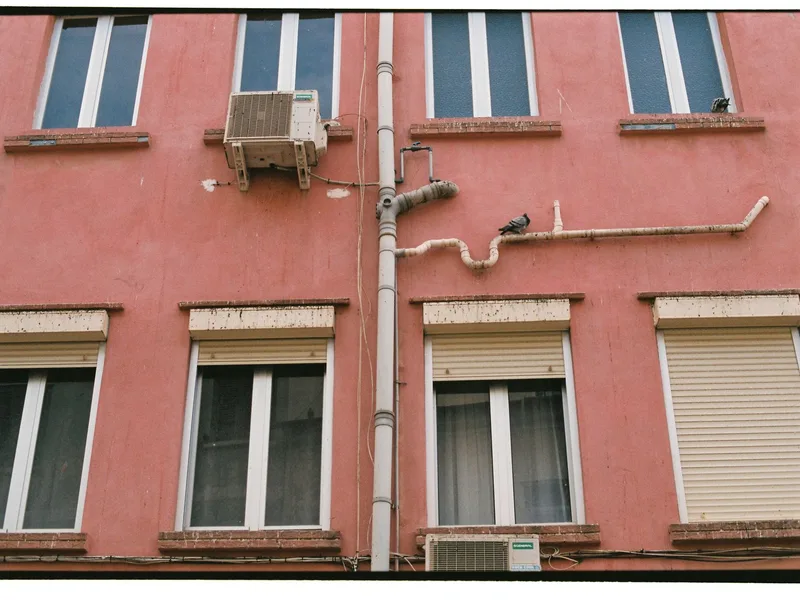
The air-conditioner sleeve
Air-conditioning and ventilation pipes may be absent or very old, and gaps around old air-con sleeves must be sealed with salt and moisture-resistant materials.
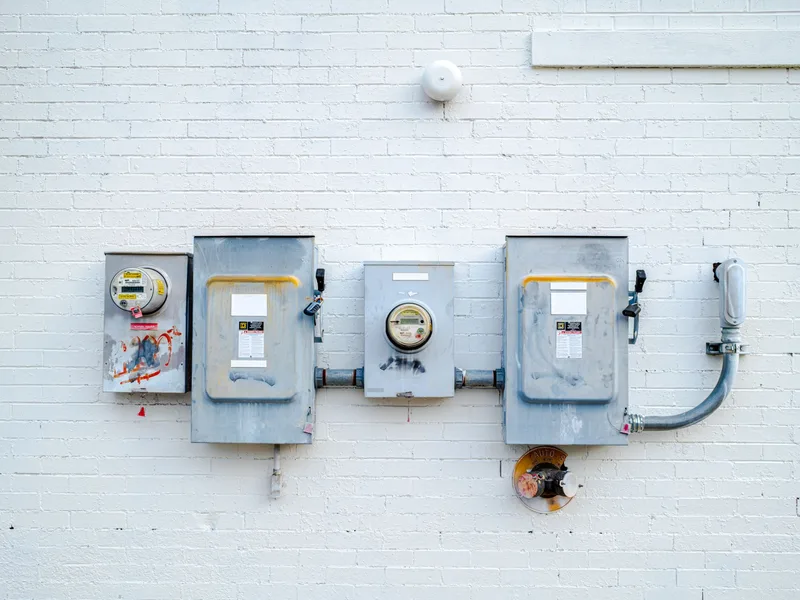
Meter boxes and electrical panels
Electrical panels and meter boxes in very old stone houses may be unprotected from moisture and are easy gecko and reptile entry points.
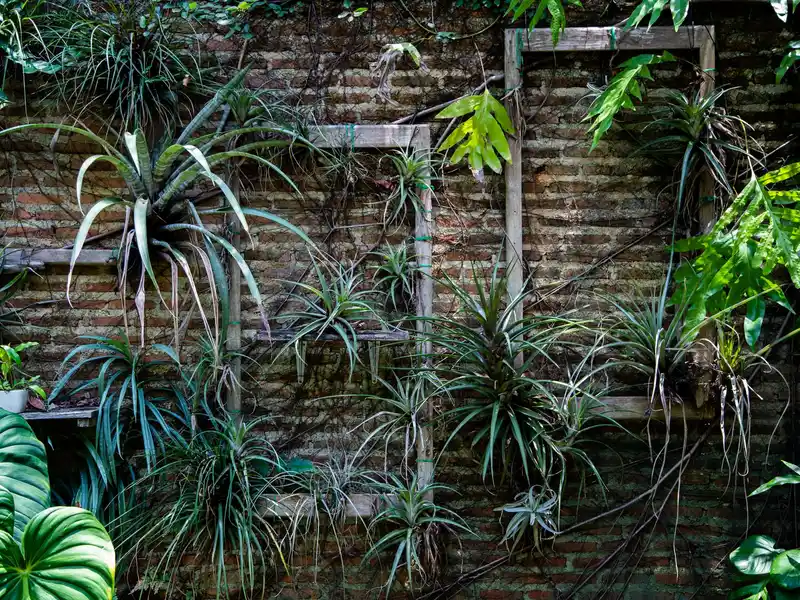
The garden and the irrigation
Outdoor areas and shared courtyards near the sea may shelter marine reptiles and require regular inspection and cleaning of algae and debris.
How we work
-
1
Inspect at night and find the source
We come at the hour it is actually moving, and establish which wall face it is living on, which lights are gathering its food, the entry points and the crevices it wedges into by day.
-
2
Treat the food source
We treat the flying and crawling insects on the wall faces, around the perimeter and around the lighting. Once the food goes, the wall stops being worth staying on.
-
3
Close the openings and clear the crevices
We seal the air-conditioner sleeve, screen the vents and drain outlets, deal with the underside of doors, and place a repellent in the crevices and behind panels so they move out before anything is closed.
-
4
The follow-up visit
We come back once the glued eggs have hatched, check the seals held, and re-treat any wall face where activity has returned.
What gecko control includes
-

A recorded night inspection
Wall faces, lighting, entry points and egg sites, all established before anything is applied.
-

Treating the insects on the walls
Targeted treatment around lighting, windows and the building perimeter, because the food is what keeps it there.
-

Placed repellent in the crevices
Behind panels, in wall joints and at the ceiling-void entries, where it sits out the day.
-

Screening vents and drain openings
Shafts, vents and the condensate outlet, which are entry points nobody looks at.
-

Aftercare instructions
Ventilation, what to cover, and the change to the outside lighting that stops the insects gathering again.
-

A scheduled follow-up
A set date after the first treatment, a check on the seals and re-treatment of anything still active.
Landmarks of Harat Al Bahr
Work in Harat Al Bahr starts from Qabil Street and the old Bab Al Bunt gate, where coral stone houses cluster on the shoreline. Dar Radwan and Akkash Mosque mark the quarter, and must be reached via the old narrow lanes leading directly to the harbour.
- Bab Al Bunt
- Qabil Street
- Dar Radwan
- Akkash Mosque
Questions about this district
Does coastal humidity mean geckos in Harat Al Bahr never stop?
Almost yes, because humidity means continuous new cracks and permanent insects. Regular periodic treatment is essential; you may need cycles every two weeks instead of three.
Are very old stone houses far more gecko-prone than modern ones?
Vastly more so. Old stone and mortar are completely decayed and offer open voids. Modern cement houses are much less vulnerable, but Harat Al Bahr is entirely old.
Does salt water from the sea enter the house along with geckos?
Salt water may seep through low cracks on the shoreline, especially during high waves or tides. This increases humidity and makes gecko and reptile entry easier.
Does treating one house stop geckos from the adjacent house?
No. Houses are extremely close and walls are shared. Geckos migrate between them. Treatment should include multiple houses together if possible.
Is sealing cracks in old stone actually possible?
Extremely difficult. Old mortar is very weak and humidity causes new cracks rapidly. Complete wall rebuilding may be needed; regular periodic treatment is the practical answer.
Do water reptiles enter the house directly from the sea?
Yes. They may enter through low cracks or via drainage if present. Harat Al Bahr is so close to water that marine reptiles are naturally present.
How much does gecko control in Harat Al Bahr cost?
It is set after the inspection, because the price follows the type of infestation, the size of the space, how far it has spread and the number of visits it needs. Send a photo and a description on WhatsApp and we will give you an estimate before we reach Harat Al Bahr.
Nearby districts we cover
Other services in Harat Al Bahr
Other services we provide to residents of Harat Al Bahr.
-
 Residential
Cockroach control
-
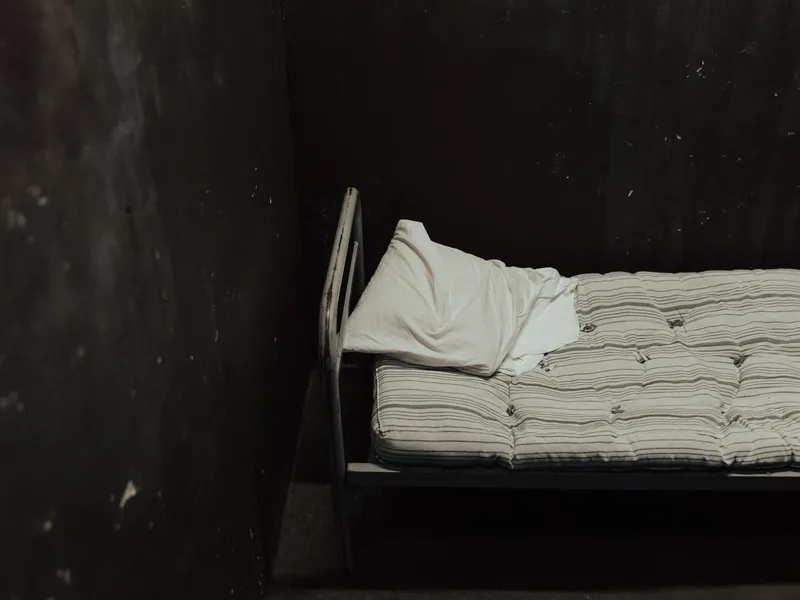 Residential
Bed bug control
-
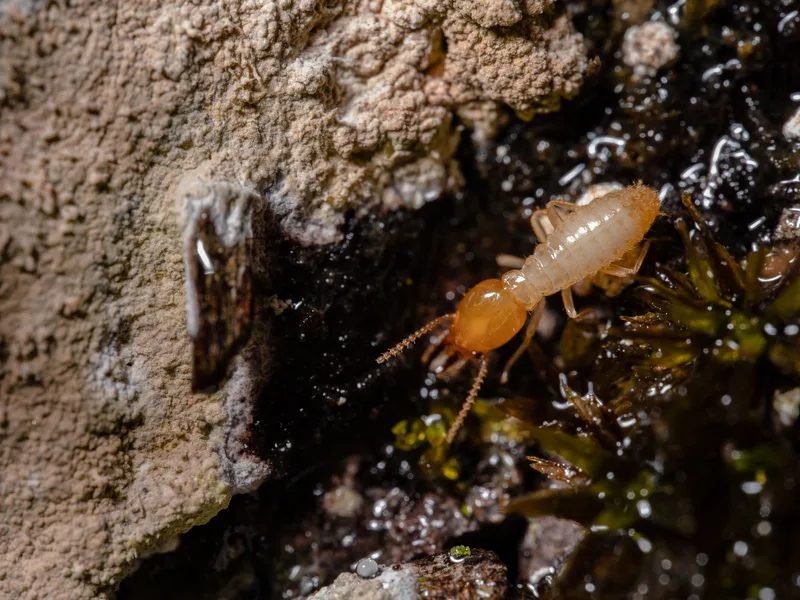 Residential
Termite control
-
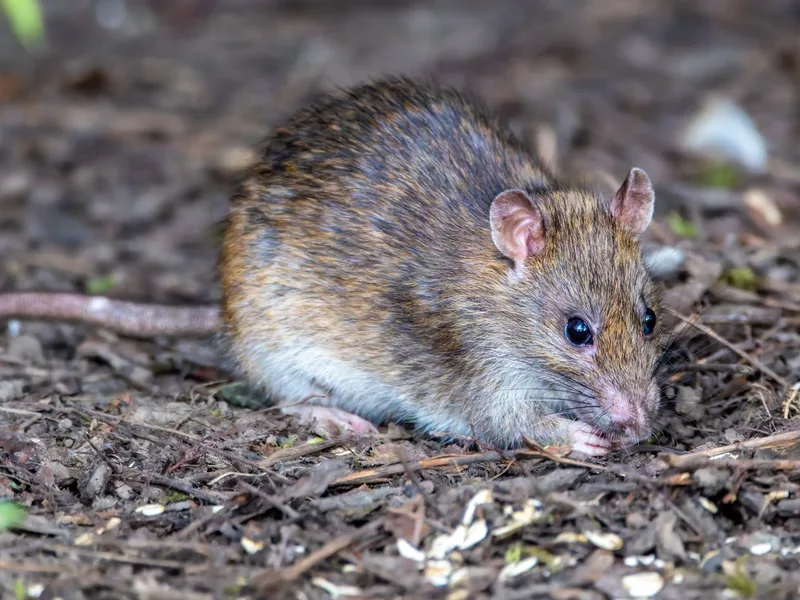 Residential
Rodents and mice
Need gecko control in Harat Al Bahr? Tell us what you saw and we will tell you what it needs
We reach Harat Al Bahr at a time we agree, and you get the full cost before we start.