
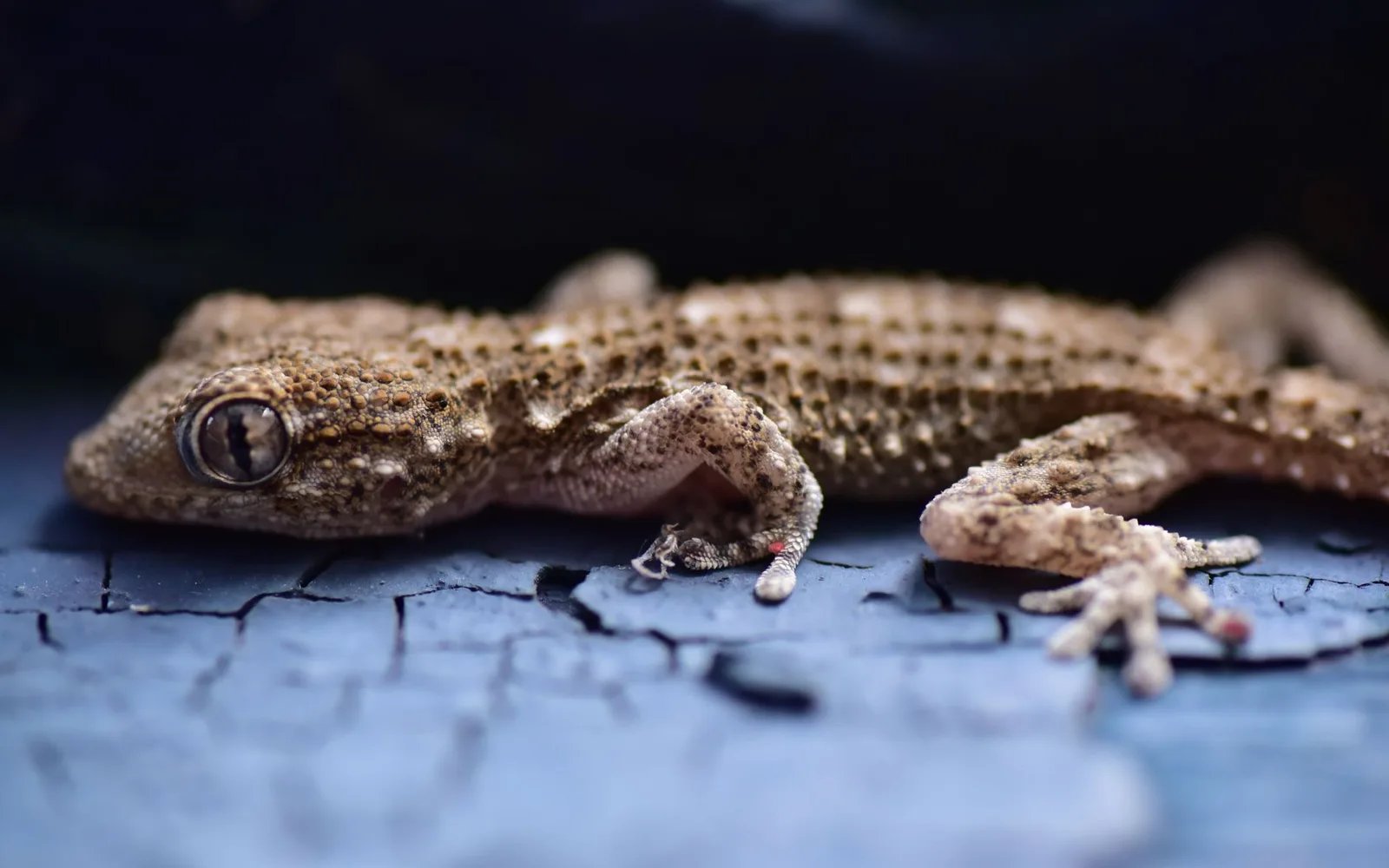
Gecko control in Jabal Al Noor Makkah
Jabal Al Noor rises north east of the Grand Mosque, drawing a constant stream of visitors year-round. Apartment blocks and shops cluster its base along King Faisal Road and Souq Al Arab, lit all night and busy all day. Continuous lighting and daily foot traffic attract crowds of insects, which bring geckos. Treatment here balances residential, commercial and tourism pressures in a single zone.
-
Targeted, not broadcast
Product goes into cracks and runways, never sprayed across open surfaces.
-
Told before we start
What we will use, where it goes, and what to cover or move before we arrive.
-
A follow-up visit
We return after the first treatment, because what survives it does not show on the day.
-
Homes and businesses
Apartments and villas, and kitchens and stores that need a record of each visit.
Why they keep coming back in Jabal Al Noor
Daily visitor traffic leaves scattered food waste around the mountain approaches and walkways, and night lighting on King Faisal Road draws vast quantities of insects every evening. The method is set out in full on how we approach Gecko control.
Mixed residential, commercial and tourism activity
Jabal Al Noor is ringed by shops open late into the evening and flats above them, with King Faisal Road busy all day with visitors, vendors and traffic. Shops leave food scraps, upper flats have permanent residents. This mix creates a living insect population that persists year-round, and geckos hunt where the insects congregate.
Narrow passages and ancient stone stairs around the mountain
The passages around the mountain are narrow, dark and fitted with old stone steps. Geckos hide in cracks in the stone and hunt insects attracted to lights at the entrances. Renovation work sometimes leaves new cracks, and ongoing treatment is needed to keep pace.
Tourism traffic and scattered food waste
Thousands of visitors climb the mountain daily, leaving food scraps and drink bottles around the pathways and viewing platforms. This provides a continuous food source that attracts flies and small insects. Geckos follow the insects, especially around food stalls and temporary cafes.
Jabal Al Noor on the map
Jabal Al Noor sits about 1.5 km from Al Adl and about 2.5 km from Al Khansa.
Open in Google MapsThe food, the opening and the crevice decide the method
Housing and shops spread around Jabal Al Noor along King Faisal Road and Souq Al Arab, apartment blocks and commercial units wrapping the base of the mountain visited daily year-round, running on towards Al Adl and Wadi Jaleel.
The house gecko
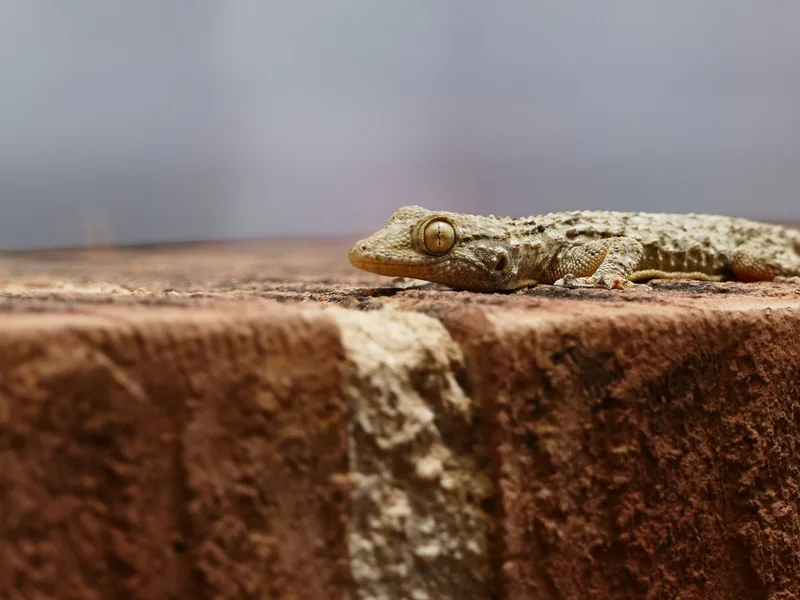
The house gecko hunts insects attracted to the night lighting on shop and flat frontages, then retreats to cracks in stone and dark corners.
Outdoor lighting
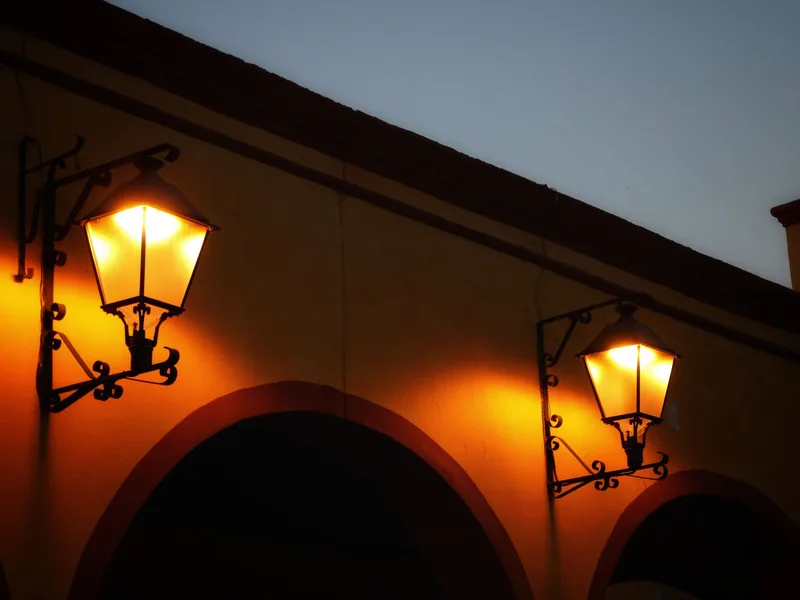
The night lighting on King Faisal Road and on the shop and passage fronts draws millions of small insects every night, and geckos track them.
Window mesh
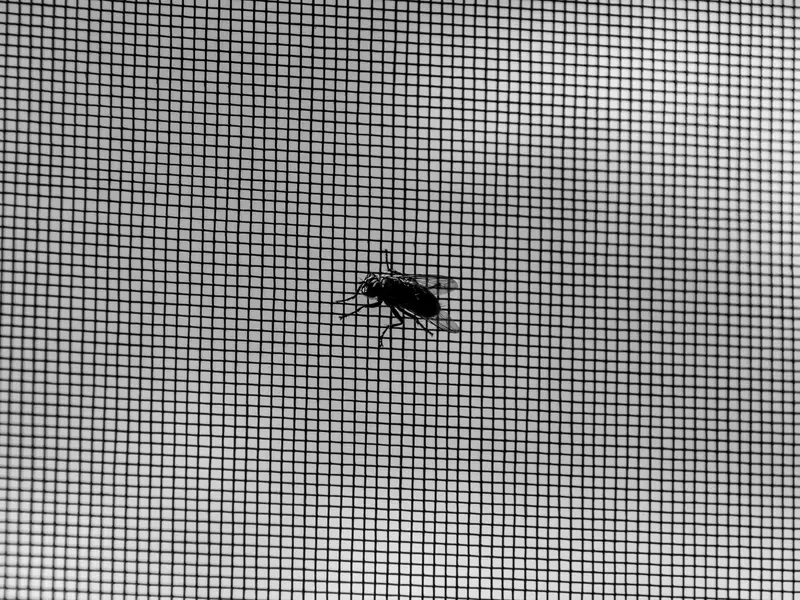
The passages around the mountain have many cracks and openings, and shop window mesh may have holes without the owner noticing.
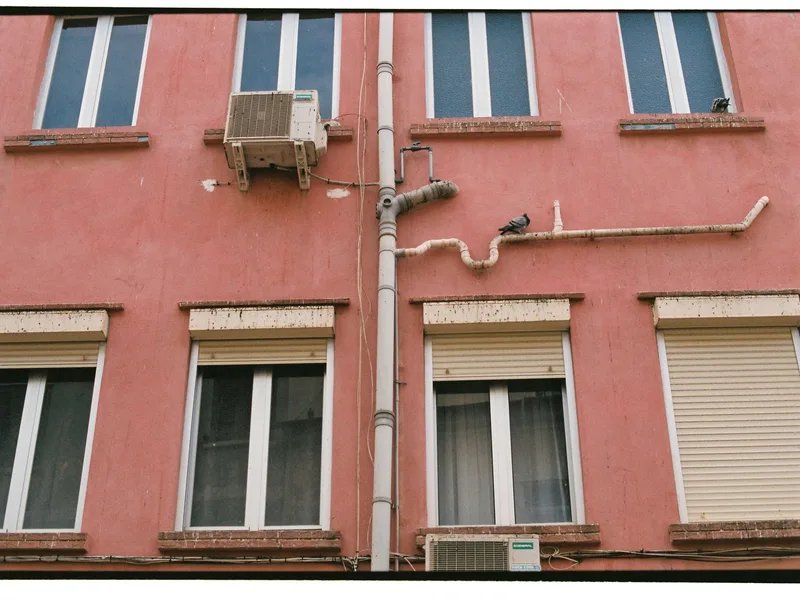
The air-conditioner sleeve
Air-conditioner pipes and drainage lines in shops and flats leave gaps around the sleeves, making these primary gecko entry routes.
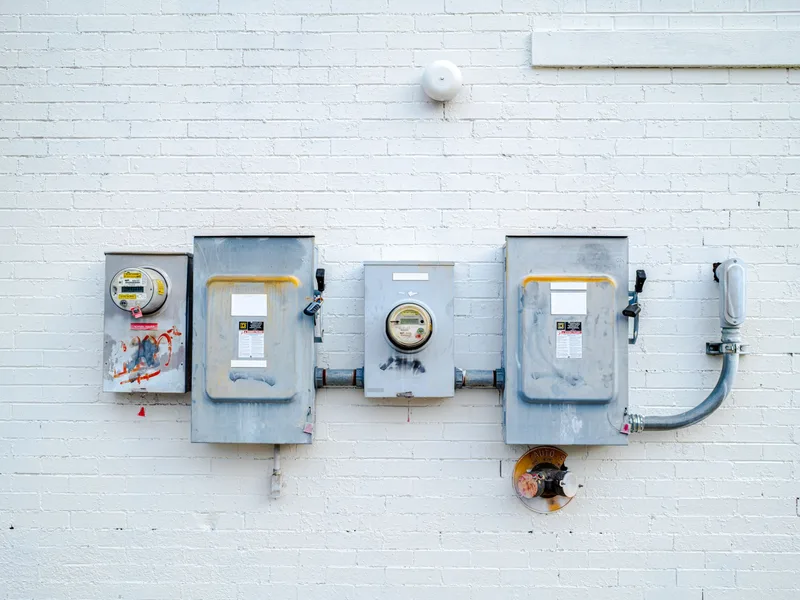
Meter boxes and electrical panels
Meter boxes and circuit breaker panels in passages and shops need careful treatment because geckos hide in them.
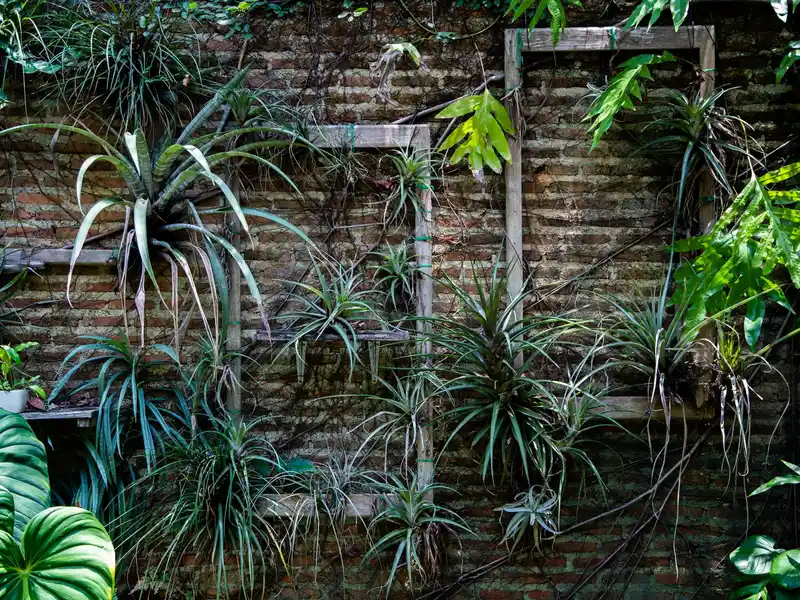
The garden and the irrigation
Ornamental plants and irrigation around shop entrances provide moisture that sustains the insect population, and treatment may include adjusting irrigation timing.
How we work
-
1
Inspect at night and find the source
We come at the hour it is actually moving, and establish which wall face it is living on, which lights are gathering its food, the entry points and the crevices it wedges into by day.
-
2
Treat the food source
We treat the flying and crawling insects on the wall faces, around the perimeter and around the lighting. Once the food goes, the wall stops being worth staying on.
-
3
Close the openings and clear the crevices
We seal the air-conditioner sleeve, screen the vents and drain outlets, deal with the underside of doors, and place a repellent in the crevices and behind panels so they move out before anything is closed.
-
4
The follow-up visit
We come back once the glued eggs have hatched, check the seals held, and re-treat any wall face where activity has returned.
What gecko control includes
-

A recorded night inspection
Wall faces, lighting, entry points and egg sites, all established before anything is applied.
-

Treating the insects on the walls
Targeted treatment around lighting, windows and the building perimeter, because the food is what keeps it there.
-

Placed repellent in the crevices
Behind panels, in wall joints and at the ceiling-void entries, where it sits out the day.
-

Screening vents and drain openings
Shafts, vents and the condensate outlet, which are entry points nobody looks at.
-

Aftercare instructions
Ventilation, what to cover, and the change to the outside lighting that stops the insects gathering again.
-

A scheduled follow-up
A set date after the first treatment, a check on the seals and re-treatment of anything still active.
What is different about Al Maabdah Sub-Municipality
Al Maabdah sub municipality climbs from Al Abtah and Al Jumayzah beside the Al Mualla cemetery up through Al Khansa and Rai Adhakhir to Al Adl, Jabal Al Nour, Wadi Jaleel and Qurtubah on the outer ring roads. It mixes hotels and pilgrim housing near the Grand Mosque with old popular houses on hillside passes, new housing schemes on valley floors that carry flash floods after rain, and industrial plots, workshops and warehouses along Al Hajj Street in Qurtubah. Street widening and expropriation leave partly demolished frontages in Al Khansa.
Questions about this district
Is a flat facing Jabal Al Noor more gecko-prone than an interior flat in the same building?
Yes, flats facing the mountain and the road get direct night lighting and higher insect activity than interior flats. Data shows front-facing flats need more frequent treatment.
Is treating the ground floor shop alone enough or must we treat the upper flats too?
The shop and upper flats are connected, and geckos move between them via cracks in the walls and interior passages. Treating the shop alone stops the gecko temporarily, but the joined structure needs integrated treatment.
When is gecko activity worst around Jabal Al Noor, during visiting season or summer?
During the visiting season when foot traffic peaks and food waste accumulates. The scattered food attracts insects in numbers, and geckos follow the insects. Summer is hot but traffic volume matters more.
Do the passages and stone steps around the mountain need separate treatment from the shops?
Yes, the passages and steps are a core part of the gecko habitat. Treating them cuts gecko transit routes between shops, flats and the mountain itself.
Is food waste from cafes and restaurants on the road a direct cause of gecko congregation?
Yes, temporary cafes leave food scraps and oils on the ground, which attract flies and small insects. Geckos hunt around these zones at night.
Does the ongoing passage rebuilding work increase the gecko problem temporarily?
Yes, new construction leaves cracks and gaps around pipes and cables. Geckos exploit this temporary chaos and hide in the gaps. Treatment may need repeating after the work finishes.
How much does gecko control in Jabal Al Noor cost?
It is set after the inspection, because the price follows the type of infestation, the size of the space, how far it has spread and the number of visits it needs. Send a photo and a description on WhatsApp and we will give you an estimate before we reach Jabal Al Noor.
Nearby districts we cover
Other services in Jabal Al Noor
Other services we provide to residents of Jabal Al Noor.
-
 Residential
Cockroach control
Residential
Cockroach control
-
 Residential
Bed bug control
Residential
Bed bug control
-
 Residential
Termite control
Residential
Termite control
-
 Residential
Rodents and mice
Residential
Rodents and mice
-
 Residential
Mosquito control
Residential
Mosquito control
-
 Residential
Fly control
Residential
Fly control
-
 Residential
Ant control
Residential
Ant control
-
 Residential
Scorpion control
Residential
Scorpion control
-
 Residential
Snake control
Residential
Snake control
-
 Residential
Flea control
Residential
Flea control
-
 Residential
Bird and pigeon control
Residential
Bird and pigeon control
-
 Residential
Preventive treatment
Residential
Preventive treatment
-
 Residential
Disinfection
Residential
Disinfection
-
 Commercial
Annual contracts
Commercial
Annual contracts
-
 Commercial
Restaurants and cafes
Commercial
Restaurants and cafes
-
 Commercial
Hotels and apartments
Commercial
Hotels and apartments
-
 Commercial
Warehouses and factories
Commercial
Warehouses and factories
-
 Commercial
Schools and nurseries
Commercial
Schools and nurseries
-
 Commercial
Retail and malls
Commercial
Retail and malls
-
 Commercial
Rest houses and farms
Commercial
Rest houses and farms
-
 Commercial
Fumigation
Commercial
Fumigation
-
 Water tanks
Water tank cleaning
Water tanks
Water tank cleaning
-
 Water tanks
Water tank sterilization
Water tanks
Water tank sterilization
-
 Water tanks
Water tank sealing
Water tanks
Water tank sealing
-
 Water tanks
Tank leak repair
Water tanks
Tank leak repair
Need gecko control in Jabal Al Noor? Tell us what you saw and we will tell you what it needs
We reach Jabal Al Noor at a time we agree, and you get the full cost before we start.