
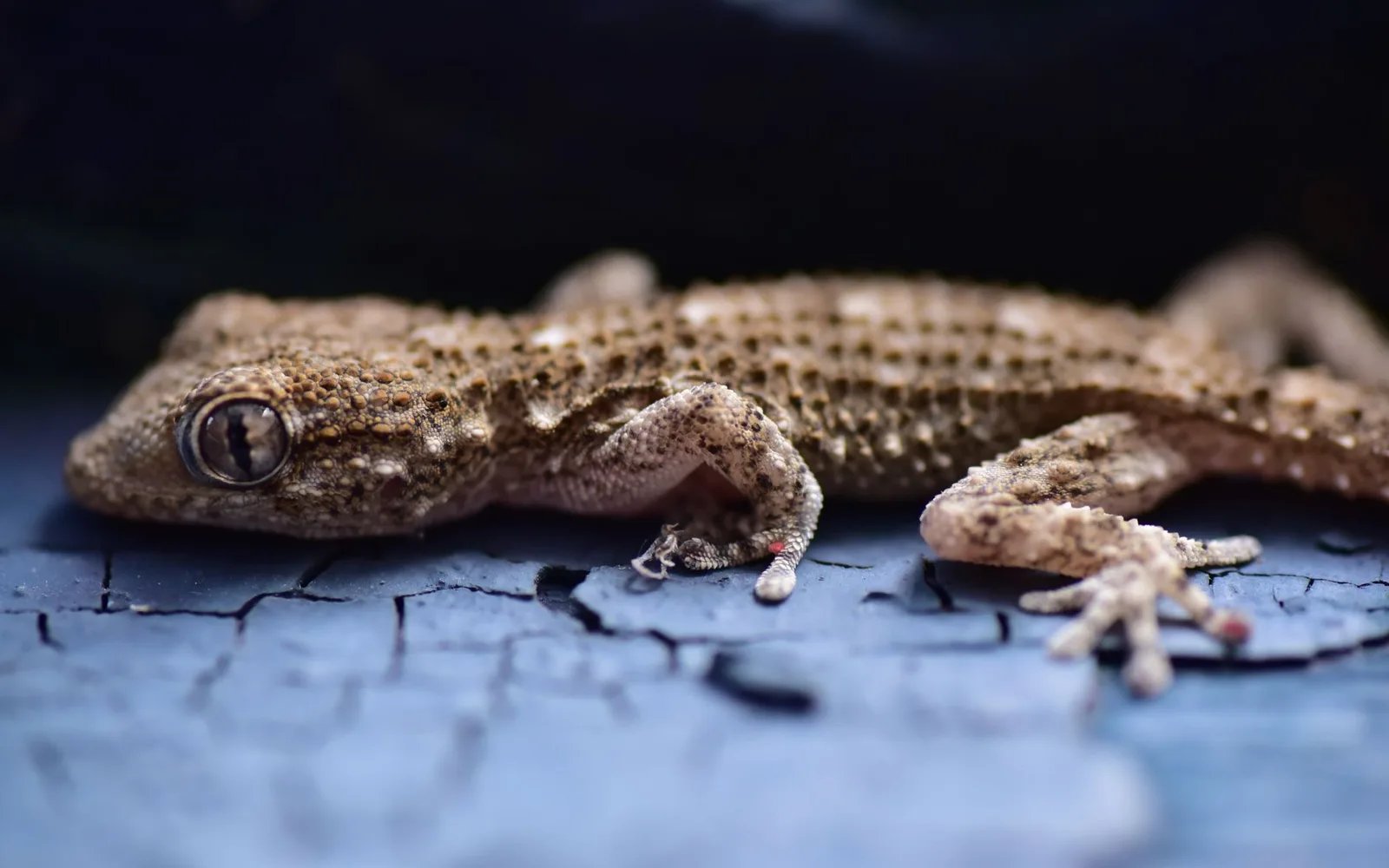
Gecko control in Al Adl Makkah
Al Adl's apartment blocks rise in rows along King Faisal Road, where shared lobbies, stairwells and identical repeated floors create a single continuous habitat for geckos moving between occupied and empty units. The shared services and repeated design mean treatment must target entire buildings, not individual flats, to succeed.
-
Targeted, not broadcast
Product goes into cracks and runways, never sprayed across open surfaces.
-
Told before we start
What we will use, where it goes, and what to cover or move before we arrive.
-
A follow-up visit
We return after the first treatment, because what survives it does not show on the day.
-
Homes and businesses
Apartments and villas, and kitchens and stores that need a record of each visit.
Why they keep coming back in Al Adl
Empty flats in the same building as occupied ones attract geckos rapidly because unopened flats offer undisturbed shelter and concentrated insect populations with no human disturbance. The method is set out in full on our Gecko control service.
Shared lobbies and repeated floor plans allow gecko movement
Dark corridors, stairwells and lift shafts provide safe routes between units, and uniform construction means treating one flat alone leaves connected spaces untreated. Geckos simply move next door, upstairs or down unless shared areas and inter-unit gaps receive the same attention as the occupied flats themselves.
Unified service runs link apartments through hidden pathways
Air conditioning sleeves, water pipes and drainage runs pierce shared walls, giving geckos direct routes between neighbouring flats. Sealing one flat's openings may simply redirect the gecko towards the next unit if the common risers and air handling spaces are not treated as part of the same zone.
Vacant and furnished flats reset infestation cycles together
Empty apartments and seasonally let furnished units attract fresh populations of geckos seeking undisturbed shelter, whilst occupied flats remain continuously monitored. Treatment timing must account for turnover in furnished blocks and vacant seasonal holdings, not just permanent residents.
The character of Al Adl
Apartment district: residential blocks, repeated floors and shared entrances
Apartment blocks mean gecko treatment extends beyond one flat to the entire building and all shared services, requiring coordination between residents and precise targeting of communal areas, adding planning complexity but ensuring results.
The food, the opening and the crevice decide the method
Identical apartment floors share unified ventilation systems, water pipes and sewerage lines passing through common walls, making it easy for geckos and insects to migrate between units by running through these shared conduits.
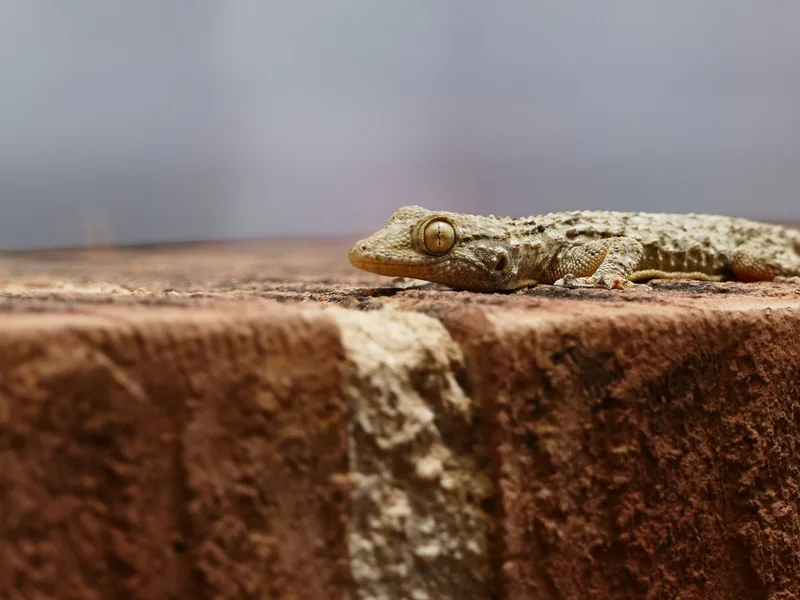
The house gecko
House geckos in apartment blocks hide in dark corridors, the gaps between floors and cracks around shared service pipes, not solely within individual flats, and they move freely through these connected spaces.

Outdoor lighting
Exterior corridor lighting and stairwell lights concentrate insects at night, attracting geckos from across the building to feed under these light sources in shared areas.
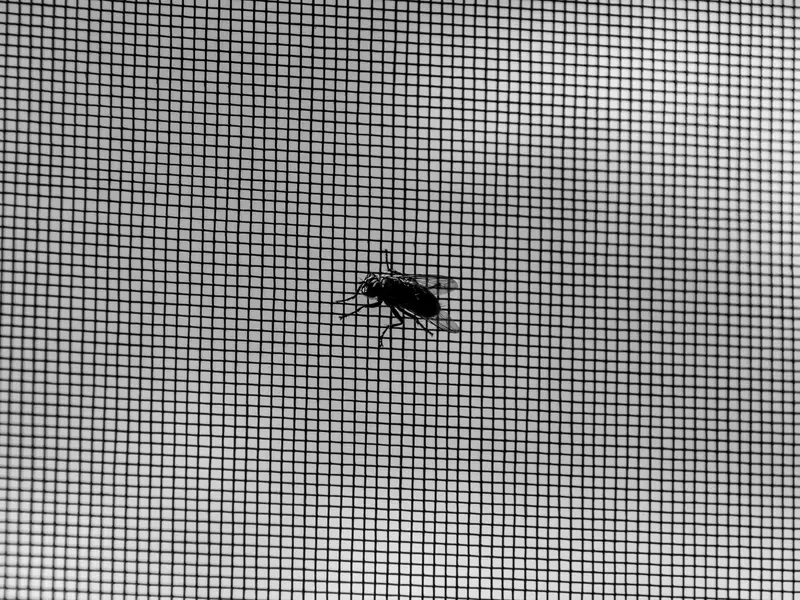
Window mesh
Window mesh on individual balconies stops entry there, but the air conditioning sleeves and ventilation openings that pierce shared walls between units offer direct unprotected routes the gecko uses to bypass sealed windows.
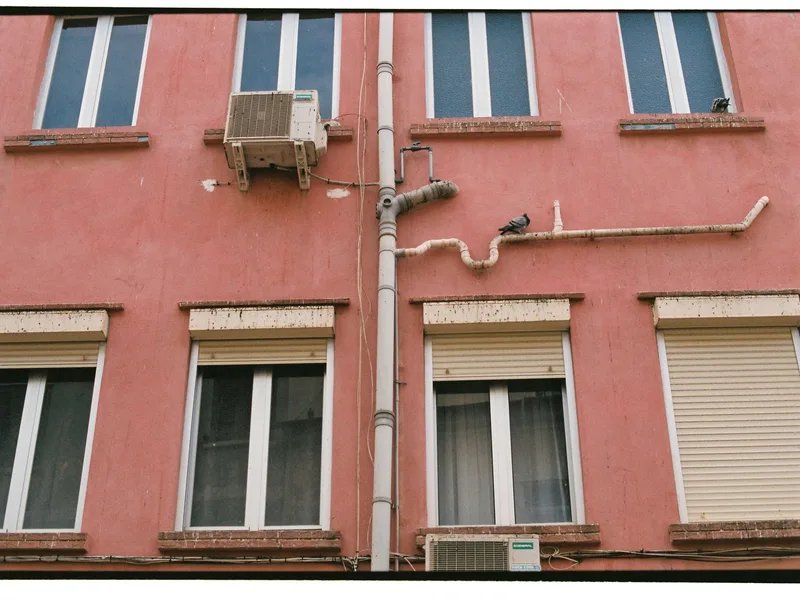
The air-conditioner sleeve
Air conditioner sleeves cross shared walls directly between neighbouring flats and need internal treatment with materials that block passage without restricting airflow to occupied units.
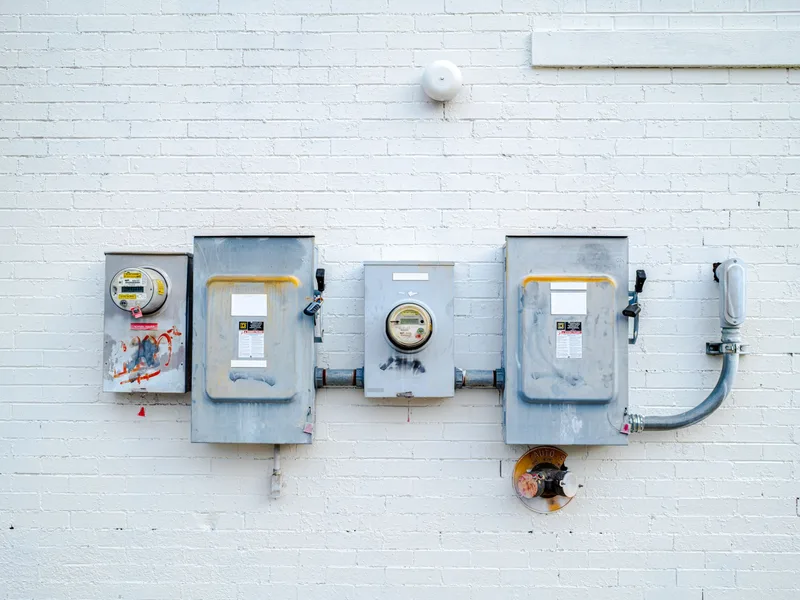
Meter boxes and electrical panels
Electrical panels and meter boxes in shared lobbies contain deep gaps and crevices where geckos shelter, needing careful precise work because of active electrical hazards near these installations.
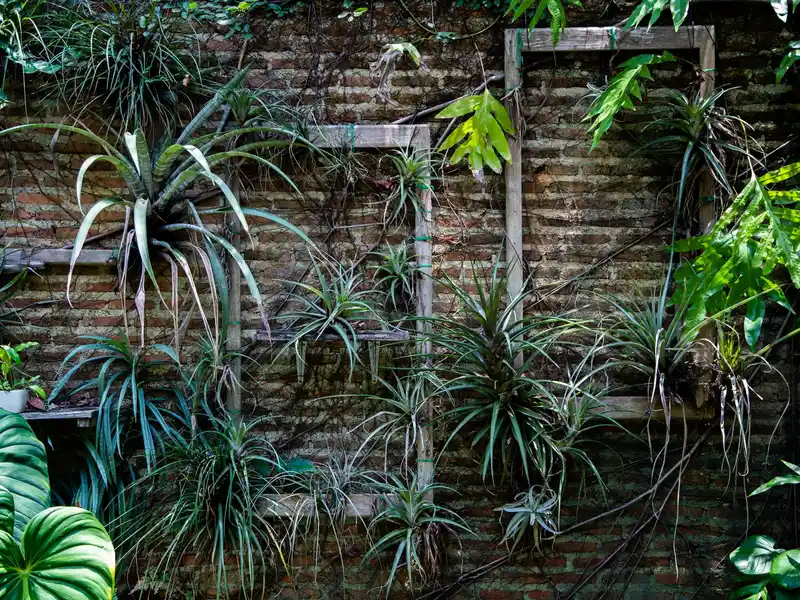
The garden and the irrigation
Common gardens or exterior spaces around the block are often limited, but lighting and irrigation should be managed to reduce night time insect attraction that draws geckos to the building perimeter.
How we work
-
1
Inspect at night and find the source
We come at the hour it is actually moving, and establish which wall face it is living on, which lights are gathering its food, the entry points and the crevices it wedges into by day.
-
2
Treat the food source
We treat the flying and crawling insects on the wall faces, around the perimeter and around the lighting. Once the food goes, the wall stops being worth staying on.
-
3
Close the openings and clear the crevices
We seal the air-conditioner sleeve, screen the vents and drain outlets, deal with the underside of doors, and place a repellent in the crevices and behind panels so they move out before anything is closed.
-
4
The follow-up visit
We come back once the glued eggs have hatched, check the seals held, and re-treat any wall face where activity has returned.
What gecko control includes
-

A recorded night inspection
Wall faces, lighting, entry points and egg sites, all established before anything is applied.
-

Treating the insects on the walls
Targeted treatment around lighting, windows and the building perimeter, because the food is what keeps it there.
-

Placed repellent in the crevices
Behind panels, in wall joints and at the ceiling-void entries, where it sits out the day.
-

Screening vents and drain openings
Shafts, vents and the condensate outlet, which are entry points nobody looks at.
-

Aftercare instructions
Ventilation, what to cover, and the change to the outside lighting that stops the insects gathering again.
-

A scheduled follow-up
A set date after the first treatment, a check on the seals and re-treatment of anything still active.
What is different about Al Maabdah Sub-Municipality
Al Maabdah sub municipality climbs from Al Abtah and Al Jumayzah beside the Al Mualla cemetery up through Al Khansa and Rai Adhakhir to Al Adl, Jabal Al Nour, Wadi Jaleel and Qurtubah on the outer ring roads. It mixes hotels and pilgrim housing near the Grand Mosque with old popular houses on hillside passes, new housing schemes on valley floors that carry flash floods after rain, and industrial plots, workshops and warehouses along Al Hajj Street in Qurtubah. Street widening and expropriation leave partly demolished frontages in Al Khansa.
Questions about this district
Must we treat all flats in the building or just the occupied ones?
Shared lobbies, stairwells and inter-unit service runs are the gecko's highways between units, so treating one flat whilst ignoring the building's communal spaces simply pushes the gecko to the neighbouring flat. Treating the entire building including all shared areas and empty units gives lasting results and stops the gecko relocating within the structure.
How do geckos move from one flat to the lift shaft and other units?
Geckos run through pipe sleeves, air conditioning openings and the gaps around doors, travelling along the dark stairwell and lift shaft where insects gather. Unified ventilation systems link all floors, and the gecko treats the entire building as one interconnected space rather than separate flats.
Do empty or seasonally let furnished flats need separate treatment timing?
Empty flats offer undisturbed shelter and become gecko refuges between seasons, and furnished blocks cycle new infestations with each rental period. Treatment before let, after vacation and in empty periods is essential, not just treatment of occupied units.
When in the year are geckos most active in apartment blocks here?
Summer months and periods when flats are fully occupied see peak activity as geckos hunt insects gathering around evening lights. Seasonal tourist lettings also spike infestations as furnished blocks attract new gecko populations with each occupation cycle.
Is treating shared lobbies as important as treating individual flats themselves?
Yes, stairwells, lobbies and lift shafts are the gecko's main routes between units and must receive the same careful treatment as the occupied flats. Gaps around electrical boxes, pipe penetrations and ventilation openings in common areas need precise work to cut off the gecko's ability to move between levels.
How many visits does an apartment block this size normally need?
A multi storey block typically requires three to four visits spread across weeks to deal with adults on the first visit, newly hatched young on the second, and any survivors from cemented eggs on subsequent calls. Each visit addresses a different life stage and catches eggs hatching as earlier treatment wears off.
How much does gecko control in Al Adl cost?
It is set after the inspection, because the price follows the type of infestation, the size of the space, how far it has spread and the number of visits it needs. Send a photo and a description on WhatsApp and we will give you an estimate before we reach Al Adl.
Nearby districts we cover
Other services in Al Adl
Other services we provide to residents of Al Adl.
-
 Residential
Cockroach control
Residential
Cockroach control
-
 Residential
Bed bug control
Residential
Bed bug control
-
 Residential
Termite control
Residential
Termite control
-
 Residential
Rodents and mice
Residential
Rodents and mice
-
 Residential
Mosquito control
Residential
Mosquito control
-
 Residential
Fly control
Residential
Fly control
-
 Residential
Ant control
Residential
Ant control
-
 Residential
Scorpion control
Residential
Scorpion control
-
 Residential
Snake control
Residential
Snake control
-
 Residential
Flea control
Residential
Flea control
-
 Residential
Bird and pigeon control
Residential
Bird and pigeon control
-
 Residential
Preventive treatment
Residential
Preventive treatment
-
 Residential
Disinfection
Residential
Disinfection
-
 Commercial
Annual contracts
Commercial
Annual contracts
-
 Commercial
Restaurants and cafes
Commercial
Restaurants and cafes
-
 Commercial
Hotels and apartments
Commercial
Hotels and apartments
-
 Commercial
Warehouses and factories
Commercial
Warehouses and factories
-
 Commercial
Schools and nurseries
Commercial
Schools and nurseries
-
 Commercial
Retail and malls
Commercial
Retail and malls
-
 Commercial
Rest houses and farms
Commercial
Rest houses and farms
-
 Commercial
Fumigation
Commercial
Fumigation
-
 Water tanks
Water tank cleaning
Water tanks
Water tank cleaning
-
 Water tanks
Water tank sterilization
Water tanks
Water tank sterilization
-
 Water tanks
Water tank sealing
Water tanks
Water tank sealing
-
 Water tanks
Tank leak repair
Water tanks
Tank leak repair
Need gecko control in Al Adl? Tell us what you saw and we will tell you what it needs
We reach Al Adl at a time we agree, and you get the full cost before we start.