
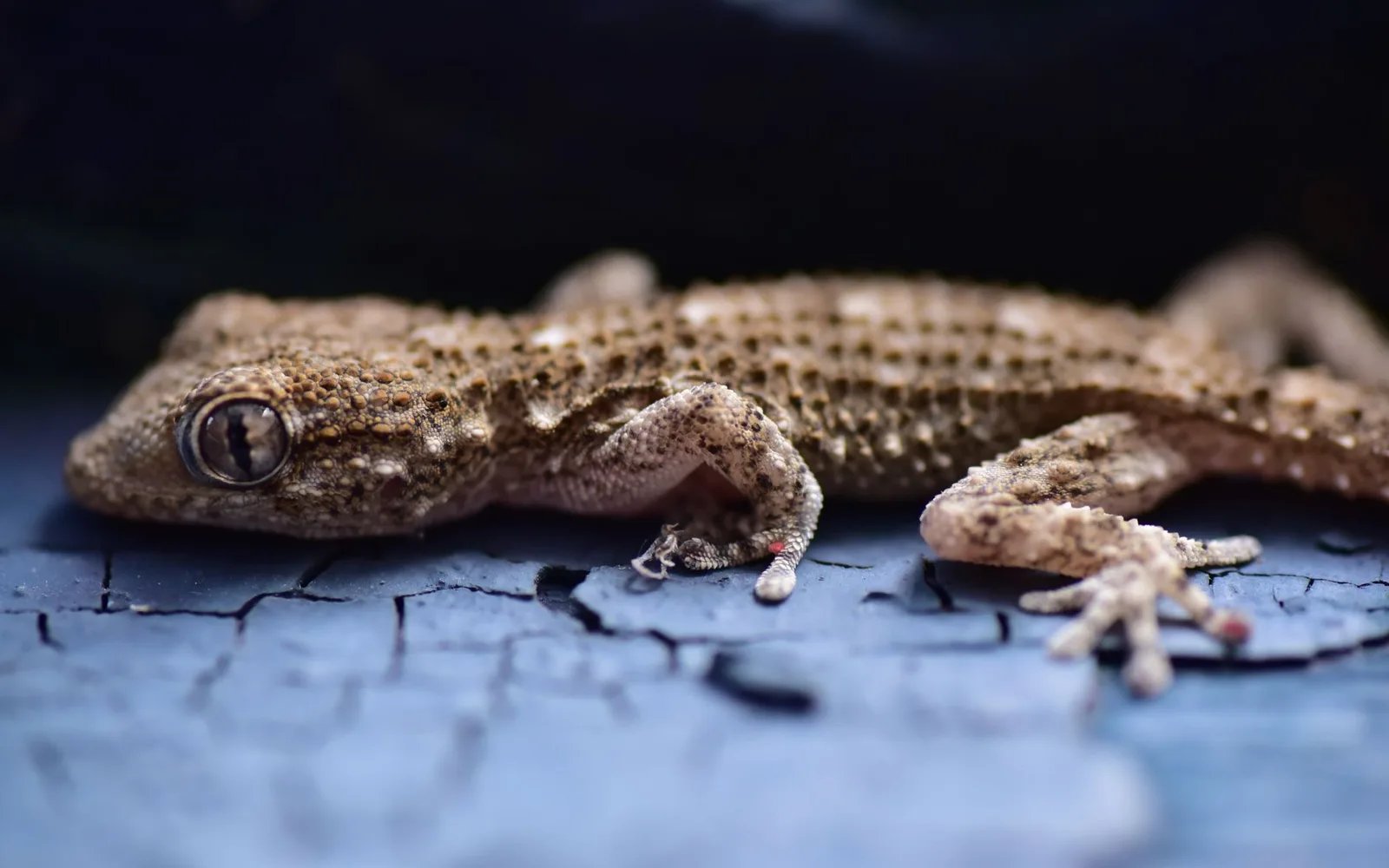
Gecko control in Kudai Makkah
Kudai is an old commercial district south east of the Grand Mosque, chosen for the vast seasonal car and coach parks that keep pilgrimage traffic away from the central zone. Warehouses, showrooms and new hotel towers surround open ground where geckos live sheltered and well-fed amongst small insects that gather under the permanent night lighting.
-
Targeted, not broadcast
Product goes into cracks and runways, never sprayed across open surfaces.
-
Told before we start
What we will use, where it goes, and what to cover or move before we arrive.
-
A follow-up visit
We return after the first treatment, because what survives it does not show on the day.
-
Homes and businesses
Apartments and villas, and kitchens and stores that need a record of each visit.
Why they keep coming back in Kudai
Warehouses and small showrooms open only during daytime hours, but geckos arrive at night when exterior lighting is on and insects gather densely around the building entrances and around light fittings. The method is set out in full on our Gecko control service.
Vacant plots provide unpoliced gecko habitat
Wide open ground between warehouses and showrooms offers gecko shelter beyond direct observation, and small insects breed there freely. Geckos do not need to enter the warehouse to hunt for food but rather inhabit the vacant plot and enter the warehouse to find safe temperature refuge when the sun rises.
Night lighting concentrates gecko food sources
Bright lighting around the car parks and building entrances attracts thousands of small insects nightly, and geckos arrive to feed on them, especially in the late hours. Treating the vacant ground alone does not solve the problem if the lighting remains as an insect magnet.
Old warehouse construction creates gecko crevices
The aged warehouses and showrooms in Kudai were built without modern sealing standards and contain countless fissures in walls and floor slabs. Geckos find safe daytime shelter within these cracks, and treating only the exterior ground does not reach geckos sheltering deep inside these structural gaps.
Landmarks of Kudai
Treatment in Kudai focuses on the vacant ground surrounding Kudai Car Parks and the Zamzam Water Project site where gecko populations concentrate, extending across the small warehouses and showrooms clustered around these major landmarks.
- Kudai Car Parks
- Zamzam Water Project
- Kudai Towers
- Kudai Ajyad Tunnel
- Jabal Khandamah
The food, the opening and the crevice decide the method
The district sits on the lower slopes of Jabal Khandamah with a legacy drainage system that functions intermittently. Extensive vacant plots between buildings offer unmonitored gecko shelter where small insects breed freely.
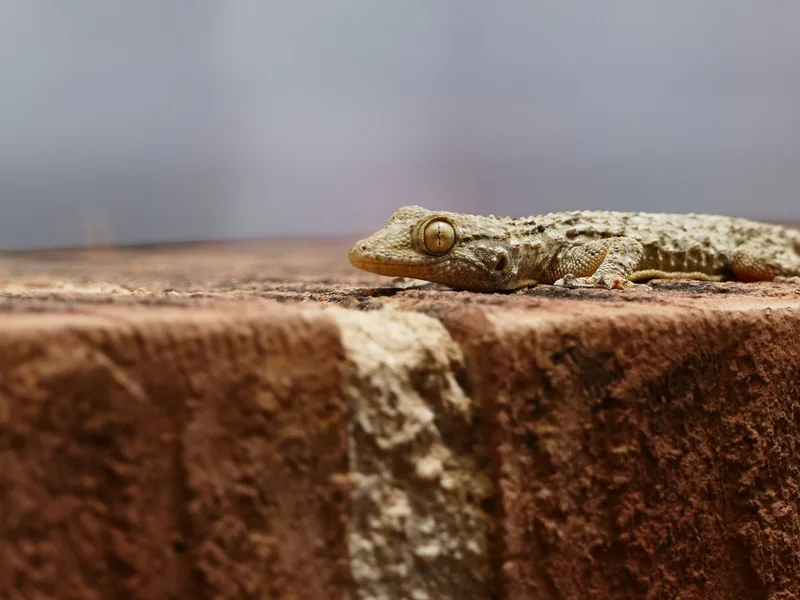
The house gecko
The house gecko inhabits cracks in the exterior walls of aged warehouses and emerges nightly to feed around light sources on the parking areas and building fronts.

Outdoor lighting
The intense lighting around the car parks and entrances attracts nocturnal insects profusely, making geckos active during hours when they would sleep in other districts lacking artificial night lighting.
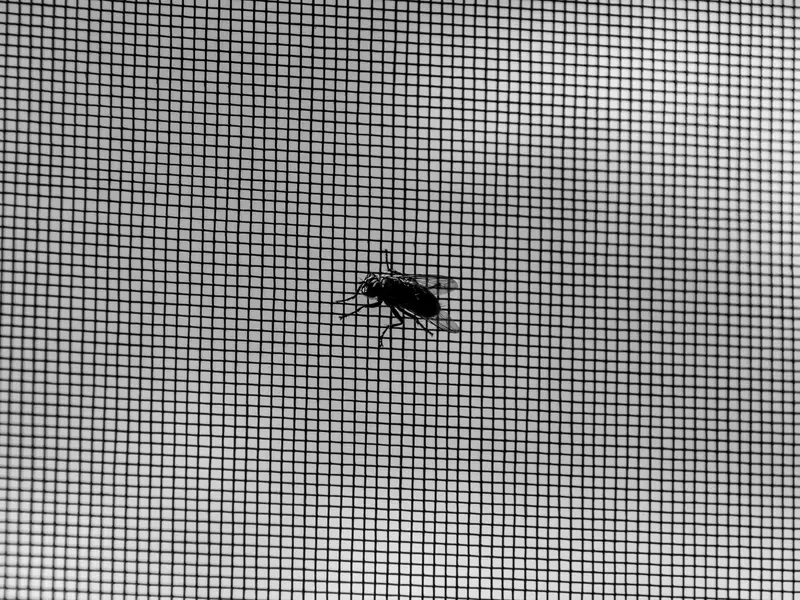
Window mesh
Old warehouse doors and windows fail to seal tightly due to age and weather wear, facilitating easy gecko entry especially during the night hours when the exterior lights draw insects.
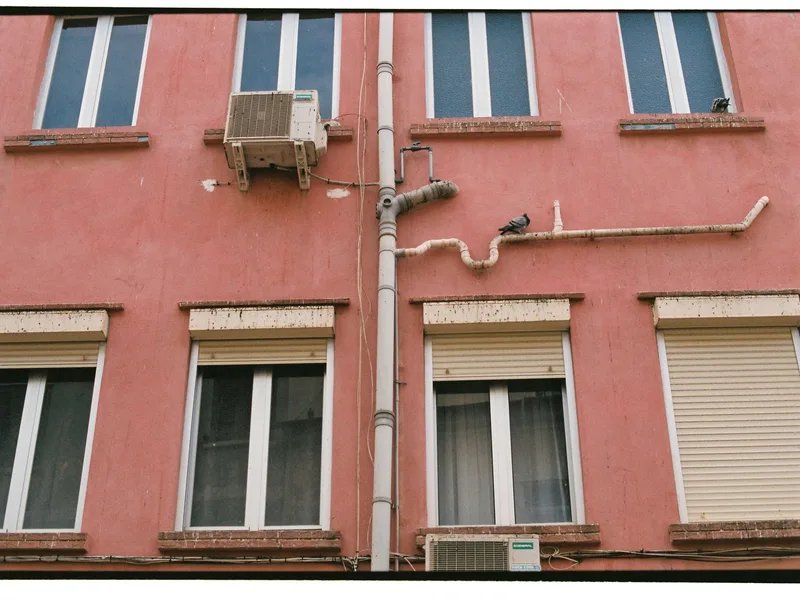
The air-conditioner sleeve
The small warehouses have simple, often poorly sealed air-conditioning openings, and geckos enter through them to find cooler air during peak heat hours.
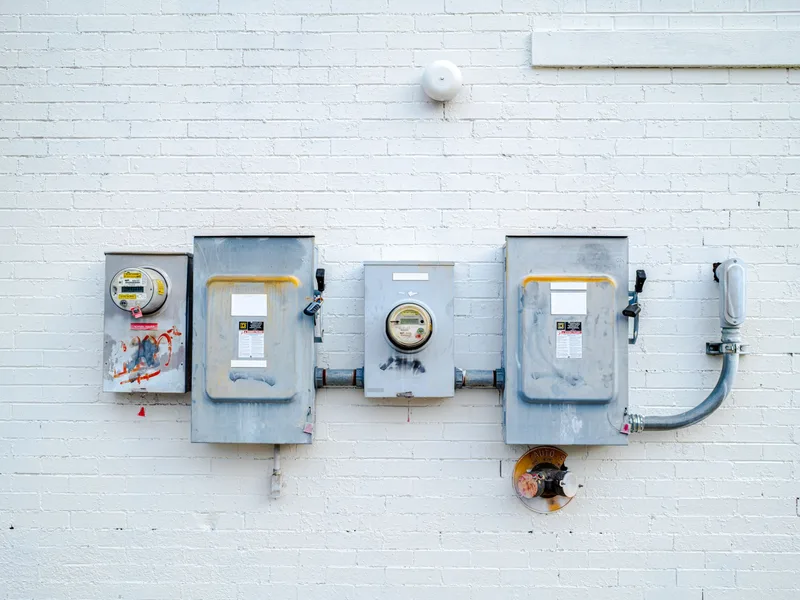
Meter boxes and electrical panels
Old warehouses in Kudai contain electrical boxes and meter installations that are not tightly sealed, and geckos deposit eggs inside them in the darkness and stable warmth.
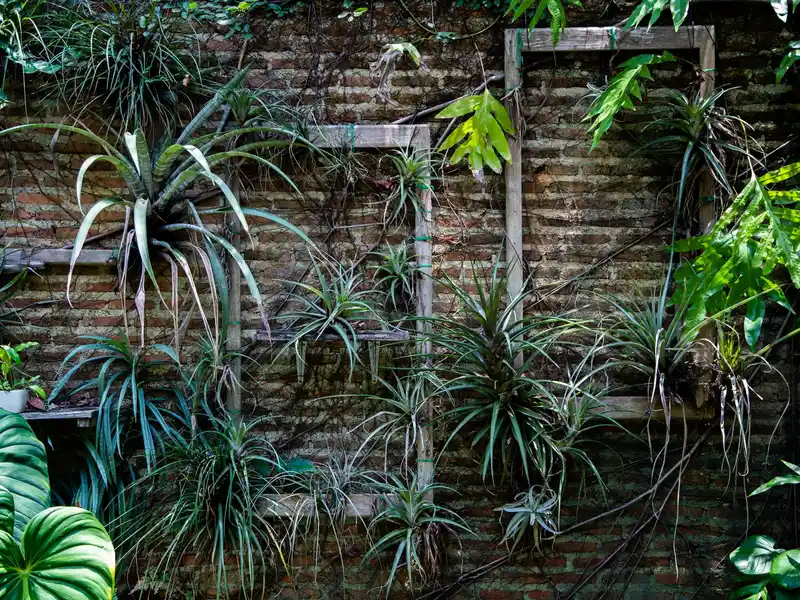
The garden and the irrigation
The vacant plots between warehouses receive irregular water from rainfall and subsurface drainage, creating conditions that attract worms and small insects that geckos feed on.
How we work
-
1
Inspect at night and find the source
We come at the hour it is actually moving, and establish which wall face it is living on, which lights are gathering its food, the entry points and the crevices it wedges into by day.
-
2
Treat the food source
We treat the flying and crawling insects on the wall faces, around the perimeter and around the lighting. Once the food goes, the wall stops being worth staying on.
-
3
Close the openings and clear the crevices
We seal the air-conditioner sleeve, screen the vents and drain outlets, deal with the underside of doors, and place a repellent in the crevices and behind panels so they move out before anything is closed.
-
4
The follow-up visit
We come back once the glued eggs have hatched, check the seals held, and re-treat any wall face where activity has returned.
What gecko control includes
-

A recorded night inspection
Wall faces, lighting, entry points and egg sites, all established before anything is applied.
-

Treating the insects on the walls
Targeted treatment around lighting, windows and the building perimeter, because the food is what keeps it there.
-

Placed repellent in the crevices
Behind panels, in wall joints and at the ceiling-void entries, where it sits out the day.
-

Screening vents and drain openings
Shafts, vents and the condensate outlet, which are entry points nobody looks at.
-

Aftercare instructions
Ventilation, what to cover, and the change to the outside lighting that stops the insects gathering again.
-

A scheduled follow-up
A set date after the first treatment, a check on the seals and re-treatment of anything still active.
What is different about Al Misfalah Sub-Municipality
Al Misfalah sub municipality runs downhill from the south of the Grand Mosque through Al Misfalah, Kudai and Al Rawabi to Al Taqwa, Al Hindawiyah, Al Khalidiyah and Al Rusayfah at the third ring road. The northern end is old apartment blocks and pilgrim hotels with restaurants along Ibrahim Al Khalil Street and the huge coach parks at Kudai. The south and west are dense popular districts with countless small shops and unplanned hillside housing, some of it already cleared for redevelopment, giving way to orderly land grant schemes in Al Rusayfah beside the railway station.
Questions about this district
Will treating the vacant ground solve the gecko problem in the warehouse?
The vacant plot is the food and shelter source, but geckos enter the warehouse too to find safe refuge in hot hours. Complete control requires treating the vacant ground, warehouse interior and entrances together.
Is the night lighting around the car parks the cause of geckos?
The lights attract insects that geckos eat, but they are not the sole cause. If vacant plots nearby offer shelter, geckos come regardless. Effective control removes both shelter and food sources at once.
Does the gecko come from Jabal Khandamah or from the vacant ground between warehouses?
Jabal Khandamah is a primary source of small insects and reptiles, but the vacant plots between warehouses provide the safe passage between the mountain and the warehouse. Treating this corridor cuts the connection.
Should we spray the old warehouse itself or the surrounding ground first?
Treat the exterior ground and entrances first, then the warehouse interior. This blocks gecko entry during treatment and reduces re-entry from the surrounding vacant plots.
Will treating one warehouse be enough or do we need the whole district?
If the surrounding vacant plots and neighbouring buildings go untreated, geckos return from adjacent warehouses and vacant ground within weeks. Effective control includes the target warehouse, its neighbours and the intervening vacant plots.
How often does a warehouse in Kudai need gecko control per year?
Kudai sits close to the mountain and has extensive vacant plots, so warehouses may need treatment every two to three months, especially if doors are opened during late night hours.
How much does gecko control in Kudai cost?
It is set after the inspection, because the price follows the type of infestation, the size of the space, how far it has spread and the number of visits it needs. Send a photo and a description on WhatsApp and we will give you an estimate before we reach Kudai.
Nearby districts we cover
Other services in Kudai
Other services we provide to residents of Kudai.
-
 Residential
Cockroach control
Residential
Cockroach control
-
 Residential
Bed bug control
Residential
Bed bug control
-
 Residential
Termite control
Residential
Termite control
-
 Residential
Rodents and mice
Residential
Rodents and mice
-
 Residential
Mosquito control
Residential
Mosquito control
-
 Residential
Fly control
Residential
Fly control
-
 Residential
Ant control
Residential
Ant control
-
 Residential
Scorpion control
Residential
Scorpion control
-
 Residential
Snake control
Residential
Snake control
-
 Residential
Flea control
Residential
Flea control
-
 Residential
Bird and pigeon control
Residential
Bird and pigeon control
-
 Residential
Preventive treatment
Residential
Preventive treatment
-
 Residential
Disinfection
Residential
Disinfection
-
 Commercial
Annual contracts
Commercial
Annual contracts
-
 Commercial
Restaurants and cafes
Commercial
Restaurants and cafes
-
 Commercial
Hotels and apartments
Commercial
Hotels and apartments
-
 Commercial
Warehouses and factories
Commercial
Warehouses and factories
-
 Commercial
Schools and nurseries
Commercial
Schools and nurseries
-
 Commercial
Retail and malls
Commercial
Retail and malls
-
 Commercial
Rest houses and farms
Commercial
Rest houses and farms
-
 Commercial
Fumigation
Commercial
Fumigation
-
 Water tanks
Water tank cleaning
Water tanks
Water tank cleaning
-
 Water tanks
Water tank sterilization
Water tanks
Water tank sterilization
-
 Water tanks
Water tank sealing
Water tanks
Water tank sealing
-
 Water tanks
Tank leak repair
Water tanks
Tank leak repair
Need gecko control in Kudai? Tell us what you saw and we will tell you what it needs
We reach Kudai at a time we agree, and you get the full cost before we start.