
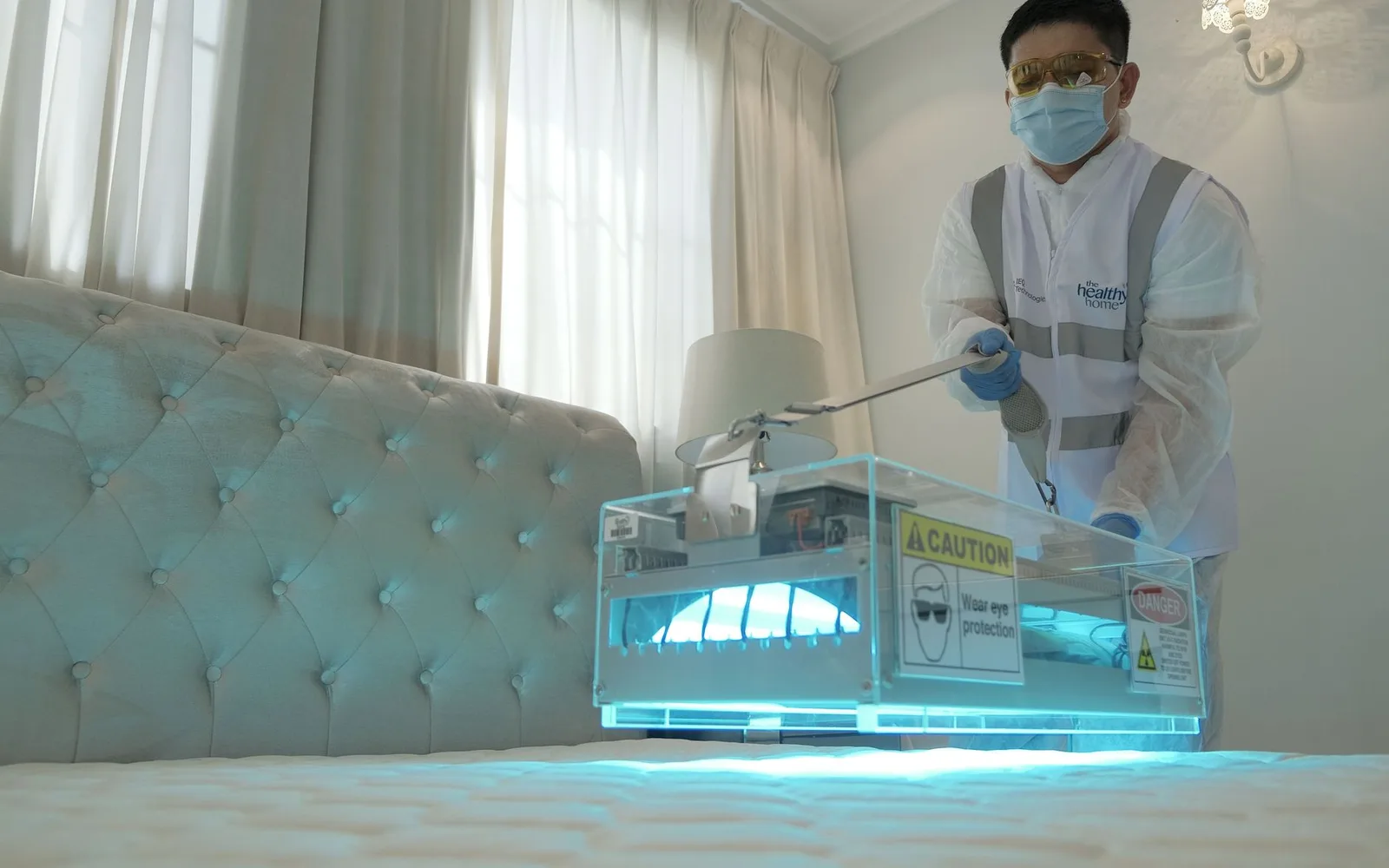
Hotels and apartments in Al Balad Jeddah
Al Balad, Jeddah's UNESCO listed historic heart, is a maze of narrow lanes between coral stone towers and wooden rawashin latticework that dates back centuries. Hotels wedged into this dense, ancient fabric cannot fit large equipment or work quickly, and treating them means navigating confined spaces, shared walls and the constant food waste from the souqs that runs through the lanes outside. The job here is nothing like a new hotel district.
-
Targeted, not broadcast
Product goes into cracks and runways, never sprayed across open surfaces.
-
Told before we start
What we will use, where it goes, and what to cover or move before we arrive.
-
A follow-up visit
We return after the first treatment, because what survives it does not show on the day.
-
Homes and businesses
Apartments and villas, and kitchens and stores that need a record of each visit.
Why they keep coming back in Al Balad
Guests arriving at small hotels in the souk districts come from many countries and their luggage carries insects from each one. Insects arrive packed in bags and cases far more often here than in newer commercial districts. The method is set out in full on our Hotels and apartments service.
Shared corridors and continuous guest flow
Al Balad hotels lack wide hallways and isolated rooms. Corridors are narrow, doors sit close together and guests move through constantly, so insects travel easily from one room to another through shared gaps, pipework and ventilation ducts that connect the old building from end to end.
Heritage stone and impossible sealing
Coral limestone, centuries old timber, traditional fireplaces and clay render contain cracks and voids that cannot be sealed without damaging the heritage structure listed as a World Heritage site. Treatment demands precision to avoid spoiling the building that tourists come to see.
Souqs and food markets pressing from outside
Souq Al Alawi and Souq Al Badu, with food stalls and restaurants immediately adjacent, draw pests to the area constantly. Food waste, open bins and moisture from market trading gather close to hotel walls, feeding cockroaches, ants and flies that seek shelter in the buildings nearby.
Al Balad on the map
Al Balad sits about 1.5 km from Al Hindawiyah and about 1.5 km from East Al Baghdadiyah.
Open in Google MapsWhat we check in the room, and behind it
Compressed stone building, narrow lanes and poor ventilation trap moisture in the walls and floors of old hotels throughout the year, creating the damp climate bed bugs and cockroaches prefer.
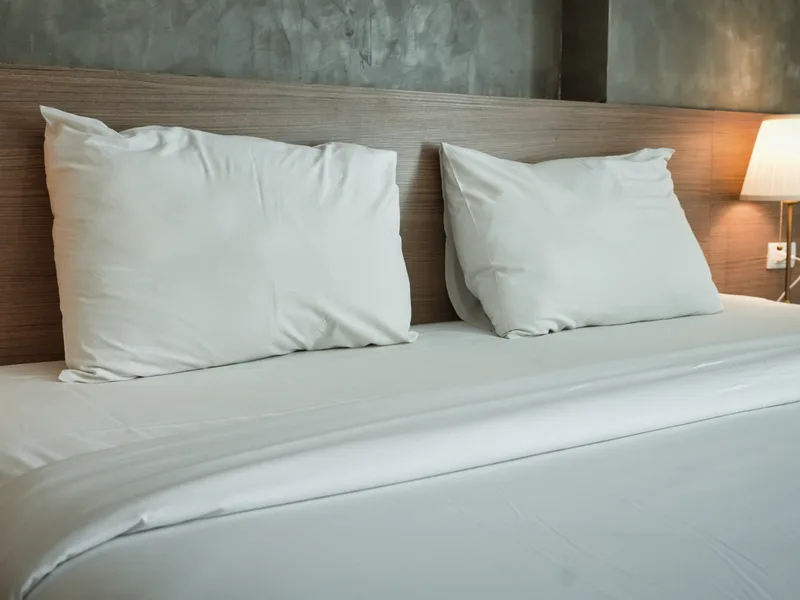
Mattress and base seams
Old Al Balad hotels contain deep cracks in wooden frames and stone bases where eggs hide in the seams and are invisible. The intricate joinery gives the bugs multiple hiding places in a single frame.
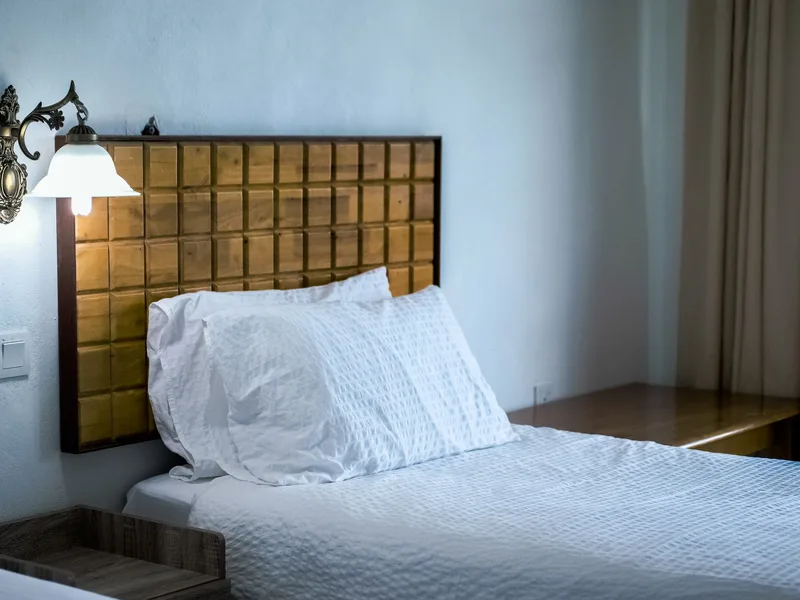
The headboard
Headboards may be carved heritage wood with ornamental gaps. Those decorative voids offer multiple refuges and make eggs hard to reach even after careful inspection.
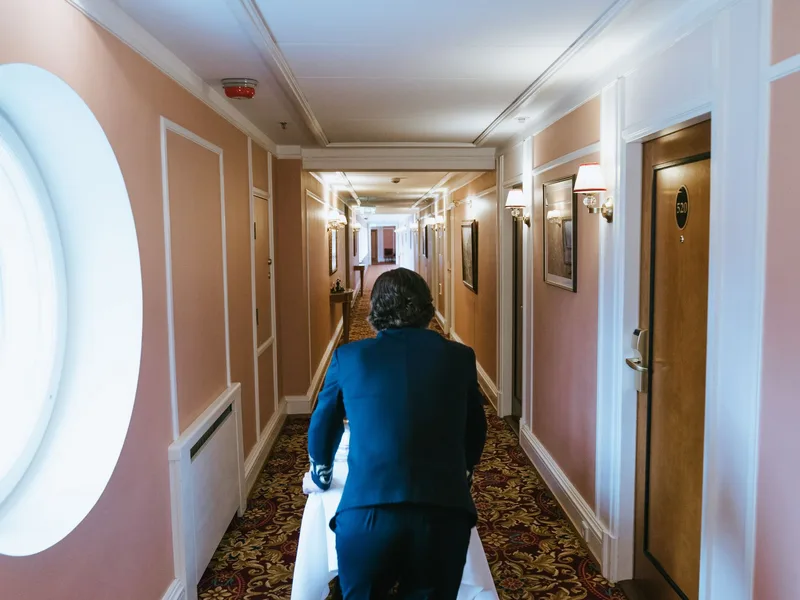
The rooms either side
Rooms sit close in the narrow lanes, and insects travel between them quickly. Treating the adjacent rooms together, not in isolation, is essential to stop the cycle.
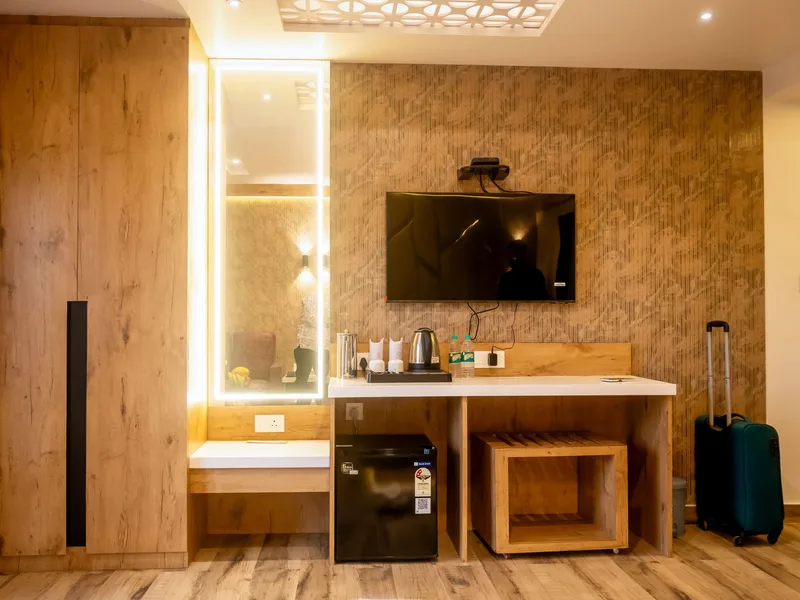
The luggage stand and wardrobe
Carved wooden luggage stands and traditional wardrobes offer deep recesses and are often antique or part of the building's character. Direct spraying risks damaging them, so treatment must be selective.
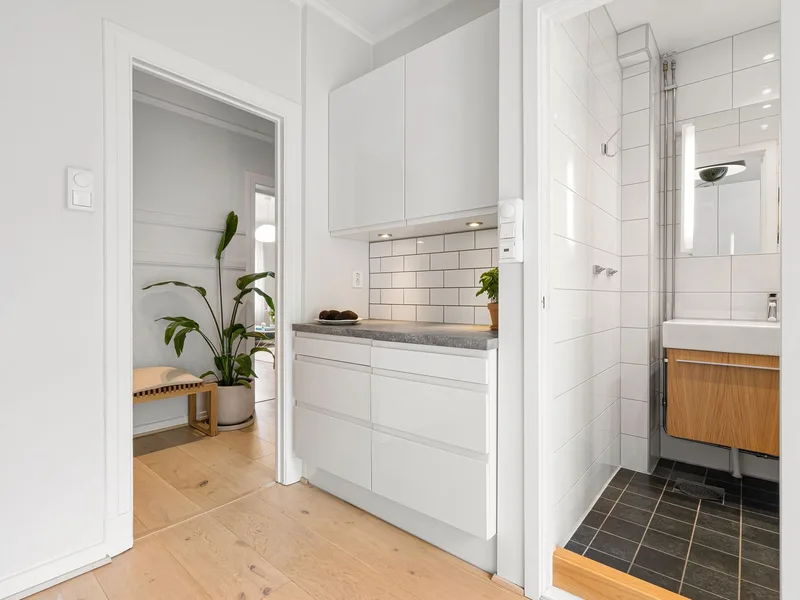
The kitchenette in a unit
Furnished kitchenettes in the hotel rooms lack modern ventilation. Humidity builds and food scraps attract cockroaches and ants that shelter in narrow spaces between the equipment.
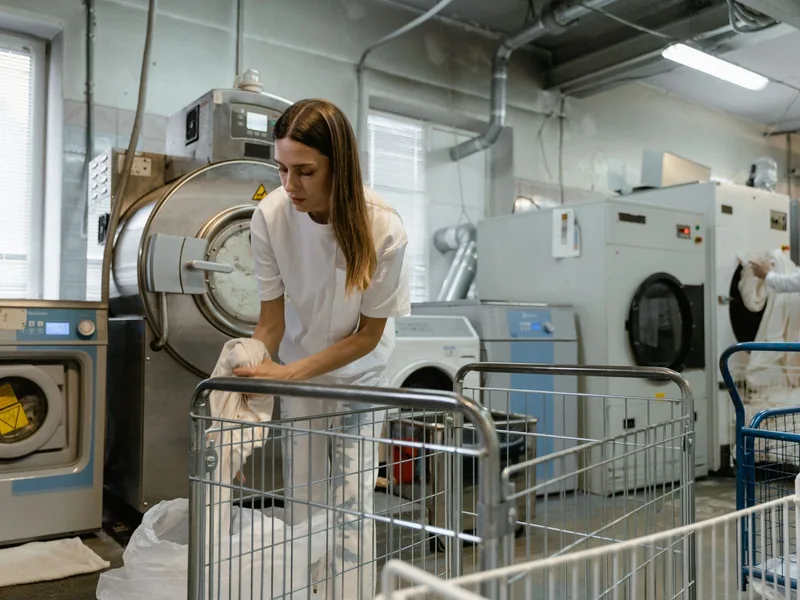
Laundry and the waste room
The shared laundry and central waste room are fed by old pipes that leak and shed rust. Constant moisture there supports insects year round and demands careful attention to standing water and drains.
How we work
-
1
Walk the floor, room by room
We start from what the staff reported, open the beds, lift the headboards and check the rooms either side and the ones above and below, then mark each room as affected, adjacent or clear.
-
2
Treatment outside occupied hours
Seams are vacuumed first, then steam or a targeted application goes onto the seams and joints, dust into the frame voids and behind the skirting, and gel bait through the kitchens and service areas. Nothing is broadcast over soft furnishings.
-
3
Sealing, and the operating routine
We close the skirting gap, the pipe penetration and the gap under the service corridor door, then agree with the staff that linen is bagged inside the room itself, and what gets reported the moment it is seen.
-
4
Follow-up, and putting the room back
We come back once the remaining eggs have hatched, read the monitors and open the bed a second time. A room returns to service on the result of that inspection, and the room number and both dates go into the log.
What the hotel and apartment programme includes
-

A recorded room by room inspection
Beds opened, headboards lifted, neighbouring rooms checked, and the state of every room number recorded before anything is applied.
-

Treatment of the beds and seams
Vacuuming, then a targeted application on mattress and base seams, frame joints and behind the skirting, never across the open surfaces of the room.
-

Bait and points in the service areas
Gel bait and numbered monitoring positions through the kitchen, the stores and the service corridors, read and logged on every visit.
-

Drains, laundry and waste
Floor gullies, the grease trap, the laundry and the ground around the containers, because that is the source that renews itself daily.
-

Room release and staff guidance
What is covered and cleared before we go in, the ventilation time we set for each case, and what the staff look for when they strip a bed.
-

A timed follow-up and a room log
A second visit timed to the hatch, monitors read, and a record carrying the room number, the date of each visit and what was found.
Landmarks of Al Balad
Work in Al Balad means understanding the layout around Souq Al Alawi and Bab Makkah, where small hotels and furnished flats cluster densely between the historic lanes. We plan visit schedules using these landmarks as reference points to navigate the souk maze and respond quickly when complaints arise.
- Nassif House
- Al Shafi'i Mosque
- Souq Al Alawi
- Souq Al Badu
- Bab Makkah
- Bab Sharif
Questions about this district
Does pest control for a souk district hotel work differently than others?
Entirely. Pressure from outside the building is far higher here. We focus on external entry points, gaps in the shared walls with markets, and perimeter breaks, not just the rooms inside. The souqs are the source.
How do you treat a heritage listed building safely?
We use products approved for heritage materials and do not drill, seal or alter the structure. The emphasis is precise chemical treatment, targeting the insects without damaging the building fabric that defines the district.
Do insects move quickly between rooms down these narrow corridors?
Yes, short distances and close doors aid movement. We treat corridors and shared spaces as a core part of the plan, not an afterthought, because the insects are already connected through them.
How much does guest luggage from overseas add to the problem?
Substantially. Tourists bring insects and new species in their bags from each country they come from. High guest turnover means fresh infestations arrive regularly, every week in the high season.
Does moisture in old stone make the problem worse?
Much worse. Stone buildings hold moisture, especially away from direct sun. That creates ideal conditions for cockroaches, silverfish and humidity loving insects that thrive in dark, damp spaces.
How often must we return to check it has not come back?
Outside pressure from the market means return visits must be scheduled more frequently than in other districts, especially during the high tourist season when foot traffic and luggage movement peak.
How much does hotels and apartments in Al Balad cost?
It is set after the inspection, because the price follows the type of infestation, the size of the space, how far it has spread and the number of visits it needs. Send a photo and a description on WhatsApp and we will give you an estimate before we reach Al Balad.
Nearby districts we cover
Other services in Al Balad
Other services we provide to residents of Al Balad.
-
 Residential
Cockroach control
Residential
Cockroach control
-
 Residential
Bed bug control
Residential
Bed bug control
-
 Residential
Termite control
Residential
Termite control
-
 Residential
Rodents and mice
Residential
Rodents and mice
-
 Residential
Mosquito control
Residential
Mosquito control
-
 Residential
Fly control
Residential
Fly control
-
 Residential
Ant control
Residential
Ant control
-
 Residential
Gecko control
Residential
Gecko control
-
 Residential
Scorpion control
Residential
Scorpion control
-
 Residential
Snake control
Residential
Snake control
-
 Residential
Flea control
Residential
Flea control
-
 Residential
Bird and pigeon control
Residential
Bird and pigeon control
-
 Residential
Preventive treatment
Residential
Preventive treatment
-
 Residential
Disinfection
Residential
Disinfection
-
 Commercial
Annual contracts
Commercial
Annual contracts
-
 Commercial
Restaurants and cafes
Commercial
Restaurants and cafes
-
 Commercial
Warehouses and factories
Commercial
Warehouses and factories
-
 Commercial
Schools and nurseries
Commercial
Schools and nurseries
-
 Commercial
Retail and malls
Commercial
Retail and malls
-
 Commercial
Rest houses and farms
Commercial
Rest houses and farms
-
 Commercial
Fumigation
Commercial
Fumigation
-
 Water tanks
Water tank cleaning
Water tanks
Water tank cleaning
-
 Water tanks
Water tank sterilization
Water tanks
Water tank sterilization
-
 Water tanks
Water tank sealing
Water tanks
Water tank sealing
-
 Water tanks
Tank leak repair
Water tanks
Tank leak repair
Need hotels and apartments in Al Balad? Tell us what you saw and we will tell you what it needs
We reach Al Balad at a time we agree, and you get the full cost before we start.