
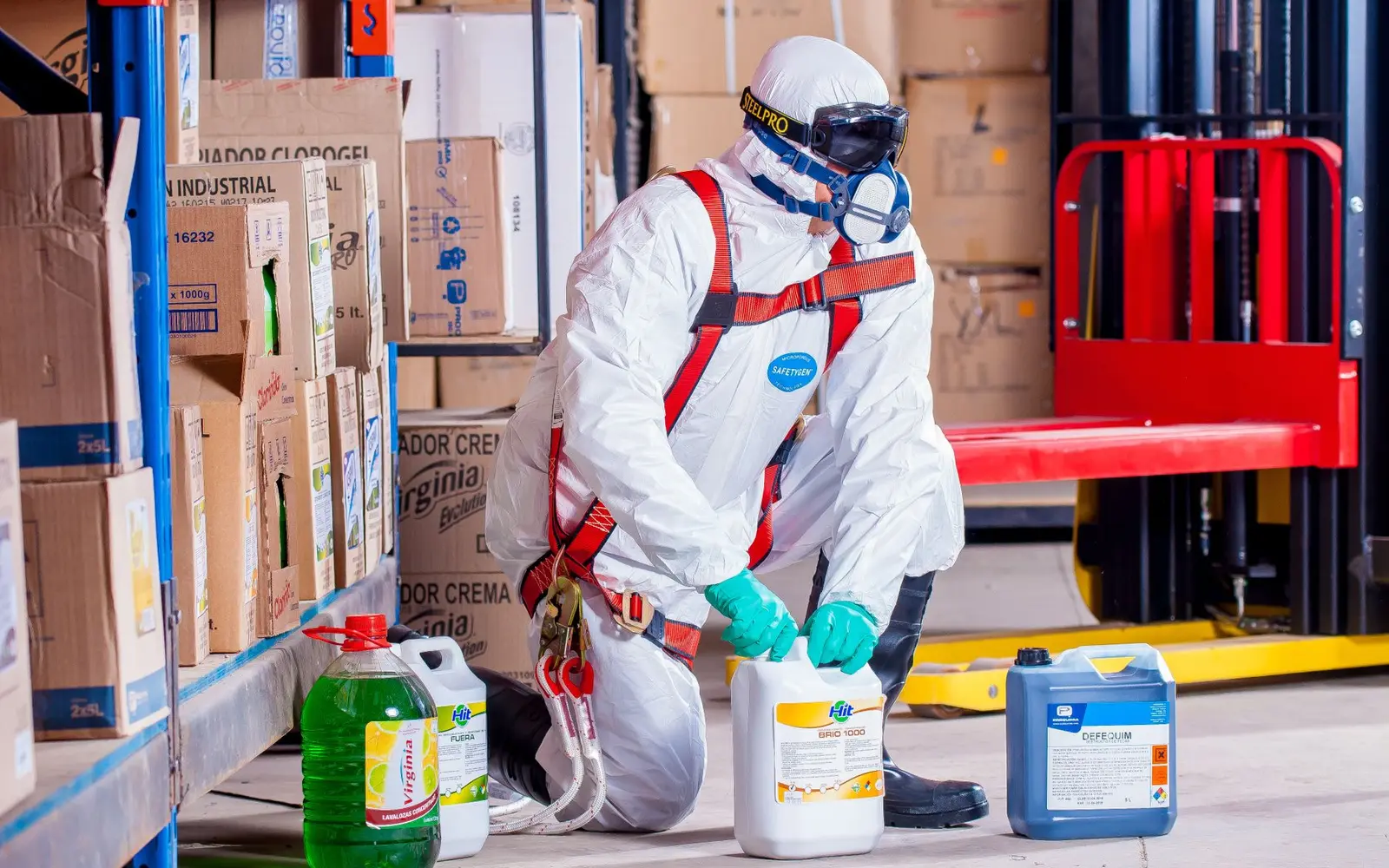
Warehouses and factories in Al Balad Jeddah
Al Balad, Jeddah's historic commercial quarter, crowds souqs and storage spaces into narrow lanes and century-old buildings where blanket spraying is not an option. We read activity on coral stone walls and wooden rawashin, and treat only what the traps reveal at each weekly visit.
-
Targeted, not broadcast
Product goes into cracks and runways, never sprayed across open surfaces.
-
Told before we start
What we will use, where it goes, and what to cover or move before we arrive.
-
A follow-up visit
We return after the first treatment, because what survives it does not show on the day.
-
Homes and businesses
Apartments and villas, and kitchens and stores that need a record of each visit.
Why they keep coming back in Al Balad
Popular souqs like Al Alawi store stock in extremely tight gaps between stalls, meaning precise inspection and trap work are the only workable approach. The method is set out in full on what Warehouses and factories involves.
Old doors and crowded lanes as the perimeter
Shops and storage doors open directly into narrow alleys and busy souqs. Goods arrive straight from the streets and surrounding markets with no clear boundary between in and out, so they need daily reading and not a blanket chemical sweep once a season.
Coral stone walls and wooden latticework create natural fissures
Coral limestone and traditional timber rawashin provide cracks and cavities where insects shelter. Treatment must respect the UNESCO heritage status and avoid damage to the fabric, so we rely on traps and reading instead of heavy fogging or surface spraying.
Stock stored in cellars with no air clearance
Cellars under shops are tiny and hold mixed goods on ancient shelving. The gaps between racks, floor and walls are so tight that a person cannot walk between them, so we must read consistently and work by trap data alone, not by spraying confined spaces.
Al Balad on the map
Al Balad sits about 1.5 km from Al Hindawiyah and about 1.5 km from East Al Baghdadiyah.
Open in Google MapsWhat the first walk through the building reads
Souqs and shops in Al Balad receive goods daily through ancient doors that open directly onto lanes, and cellars beneath closely packed buildings lack the ventilation to disperse any treatment air.
The shutter line
Ancient souq doors in Al Balad open straight into lanes and alleys, and the daily loading and unloading brings pests in on cargo boxes and pallets that come from across the city.
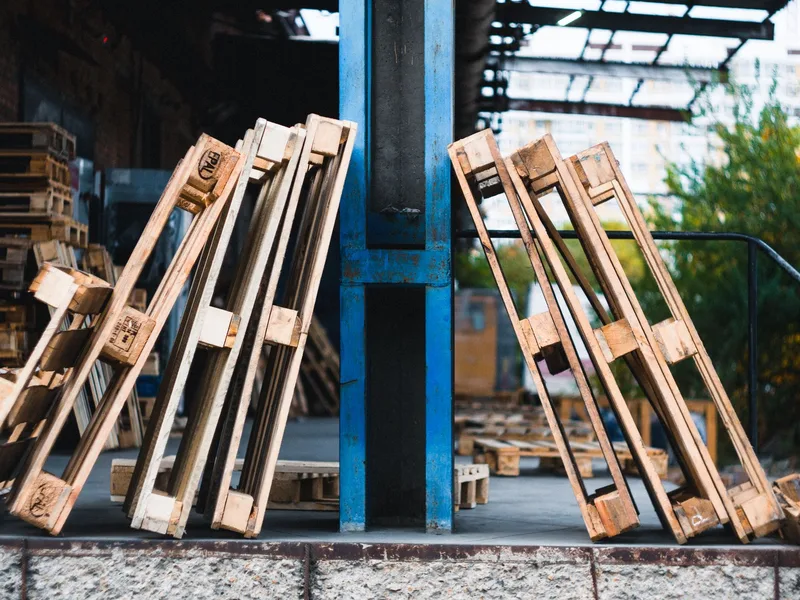
What comes in on the pallet
Stalls receive different goods most days, some from distant suppliers, and any shipment might already be infested; each new delivery needs to be checked at the point where it enters the stall.
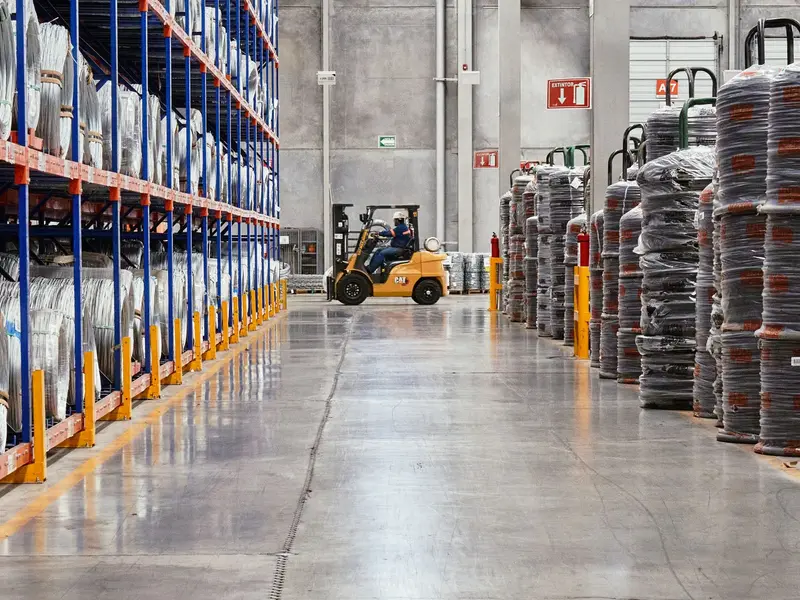
The strip along the wall
Shelves are old wood crammed tightly, and traps go in every natural gap between racks and walls; we clear crumbs and spoilage from those crevices so the traps read clearly.
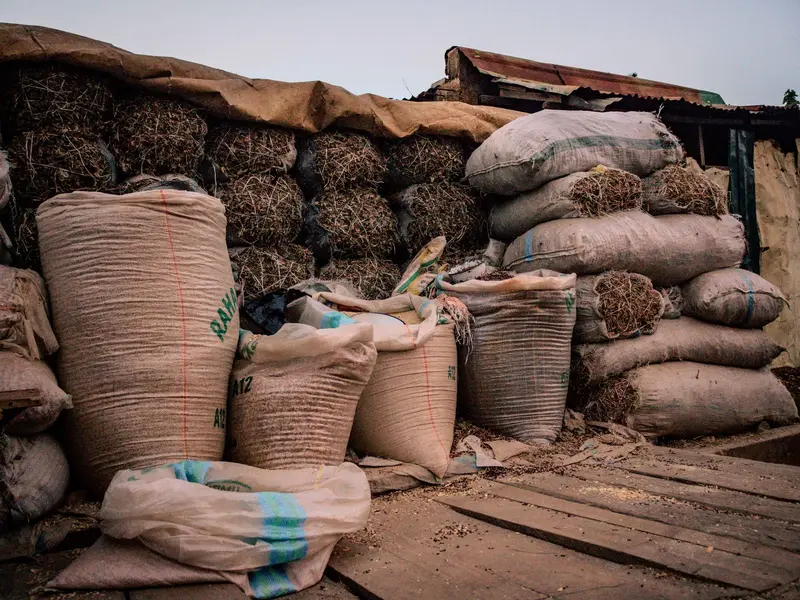
Spillage under the racking
Cellars are tight spaces with high humidity, oil and food waste seep under the racking, so we focus on cleaning those zones thoroughly and cutting the moisture that insects need to breed.
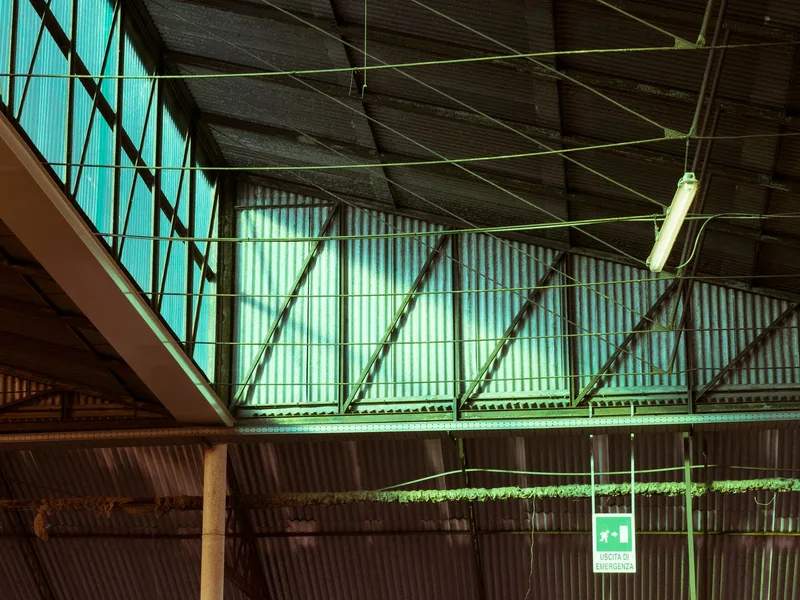
The roof and the openings above
Ceilings and upper openings are old and sometimes incomplete, and rats can enter from above at night, especially in the oldest sectors, so we check every roof opening and gap with care.
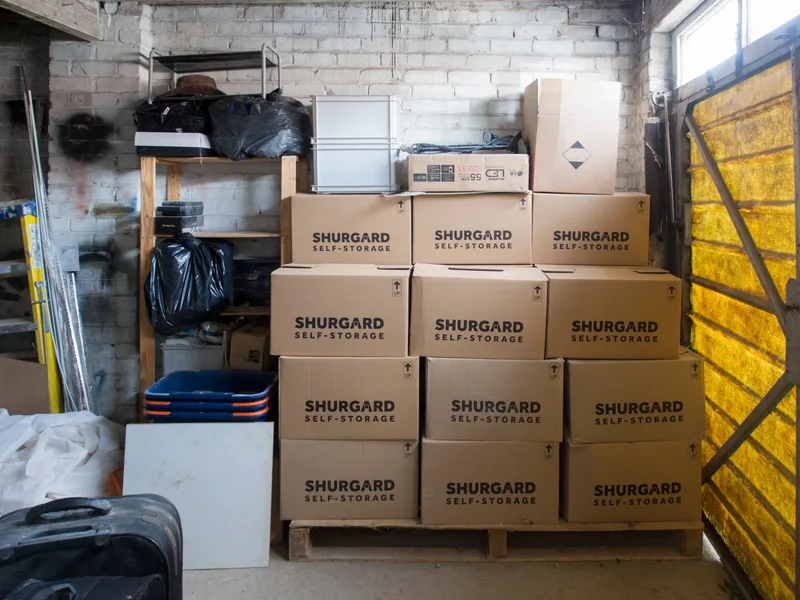
Stock that does not move
Some goods in a stall move slowly and pests may take hold if stock sits unused for months; we advise turning inventory over and not stacking old goods in dead storage space.
How we work
-
1
Survey the building and locate the source
We walk from the goods-in door through the racking, the production areas and the outside wall line, and establish whether the pressure is stored product pests inside the goods, rodents from the perimeter or flying insects from waste and doorways, because each of those is a different programme.
-
2
Pheromone traps and numbered points
Species-specific pheromone traps through the storage areas, and monitoring points on the external ring and along the internal walls, numbered on the racking plan. A trap treats nothing, it tells us which aisle the numbers are climbing in.
-
3
Targeted treatment and isolating the consignment
Spillage is lifted first, then empty racking, wall and floor junctions and voids are treated, and nothing is placed over open stock or a running line. A consignment showing activity is isolated where it stands rather than carried through the building.
-
4
Sealing, then the scheduled visits
We close door gaps, openings and pipe entries, then come back on an agreed schedule: the same traps and points are read each time, and a report goes over what was found, what was treated and what the building still needs closed.
What warehouse pest control includes
-

Site survey and racking plan
A walk from the goods-in door to the last aisle, and a plan with every monitoring position numbered before anything is installed.
-

Pheromone traps and numbered points
Species-specific traps through the storage areas and points along the perimeter line, read and logged on every visit.
-

Targeted treatment of racking and junctions
On empty racking, wall and floor junctions and voids, never over open stock or a running line.
-

Drains, waste and the perimeter
Floor gullies, the container area and the outside wall line, because that is the source which renews itself.
-

Proofing and building findings
Shutter gaps, brush seals and mesh over openings, with a list of what the site needs to repair.
-

Scheduled visits and a report each time
Agreed dates set by the pressure on the site, the same traps read again, and a report that records every visit.
Landmarks of Al Balad
We reach shops and cellars in Al Balad through Bab Sharif or Bab Makkah, and we coordinate visits and reading cycles with owners via the routes through Souq Al Badu and Souq Al Alawi.
- Nassif House
- Al Shafi'i Mosque
- Souq Al Alawi
- Souq Al Badu
- Bab Makkah
- Bab Sharif
Questions about this district
Can we treat a souq storage cellar without stopping trade above?
Yes. We use pheromone traps that are safe for goods and customers, and any needed treatment is done after hours in identified zones only. The stock is unaffected and the shop stays open during inspection and trap reading.
An incoming shipment shows activity. What is the procedure?
We record the exact location, isolate the affected goods and notify the supplier. Then we treat the entry point and its surrounds with traps and close monitoring for two weeks to stop spread into other stock.
The cellar gets damp in winter. Does that change the treatment?
Dampness attracts insects, especially cockroaches and ants. We focus on drying out cracks and gaps and advise you to seal leaks, because water loss reduces the population pressure all season.
How often are traps read in a single Al Alawi stall?
Weekly at first. Once numbers stabilise we move to fortnightly reads. Crowded souqs need denser reading than standalone warehouses because the constant goods flow keeps pressure high.
Does spray harm antique or heritage goods on display?
We do not use heavy fogging in Al Balad. We rely on traps, physical barriers and reading strategies that leave no residue on wood or textiles, and we never spray directly near items of value.
Souq Al Badu near Bab Makkah is huge. How do we cover it?
We divide the souq into zones and place numbered traps in each according to goods type and flow. We read each zone separately so we identify sources precisely without treating the whole market at once.
How much does warehouses and factories in Al Balad cost?
It is set after the inspection, because the price follows the type of infestation, the size of the space, how far it has spread and the number of visits it needs. Send a photo and a description on WhatsApp and we will give you an estimate before we reach Al Balad.
Nearby districts we cover
Other services in Al Balad
Other services we provide to residents of Al Balad.
-
 Residential
Cockroach control
Residential
Cockroach control
-
 Residential
Bed bug control
Residential
Bed bug control
-
 Residential
Termite control
Residential
Termite control
-
 Residential
Rodents and mice
Residential
Rodents and mice
-
 Residential
Mosquito control
Residential
Mosquito control
-
 Residential
Fly control
Residential
Fly control
-
 Residential
Ant control
Residential
Ant control
-
 Residential
Gecko control
Residential
Gecko control
-
 Residential
Scorpion control
Residential
Scorpion control
-
 Residential
Snake control
Residential
Snake control
-
 Residential
Flea control
Residential
Flea control
-
 Residential
Bird and pigeon control
Residential
Bird and pigeon control
-
 Residential
Preventive treatment
Residential
Preventive treatment
-
 Residential
Disinfection
Residential
Disinfection
-
 Commercial
Annual contracts
Commercial
Annual contracts
-
 Commercial
Restaurants and cafes
Commercial
Restaurants and cafes
-
 Commercial
Hotels and apartments
Commercial
Hotels and apartments
-
 Commercial
Schools and nurseries
Commercial
Schools and nurseries
-
 Commercial
Retail and malls
Commercial
Retail and malls
-
 Commercial
Rest houses and farms
Commercial
Rest houses and farms
-
 Commercial
Fumigation
Commercial
Fumigation
-
 Water tanks
Water tank cleaning
Water tanks
Water tank cleaning
-
 Water tanks
Water tank sterilization
Water tanks
Water tank sterilization
-
 Water tanks
Water tank sealing
Water tanks
Water tank sealing
-
 Water tanks
Tank leak repair
Water tanks
Tank leak repair
Need warehouses and factories in Al Balad? Tell us what you saw and we will tell you what it needs
We reach Al Balad at a time we agree, and you get the full cost before we start.