
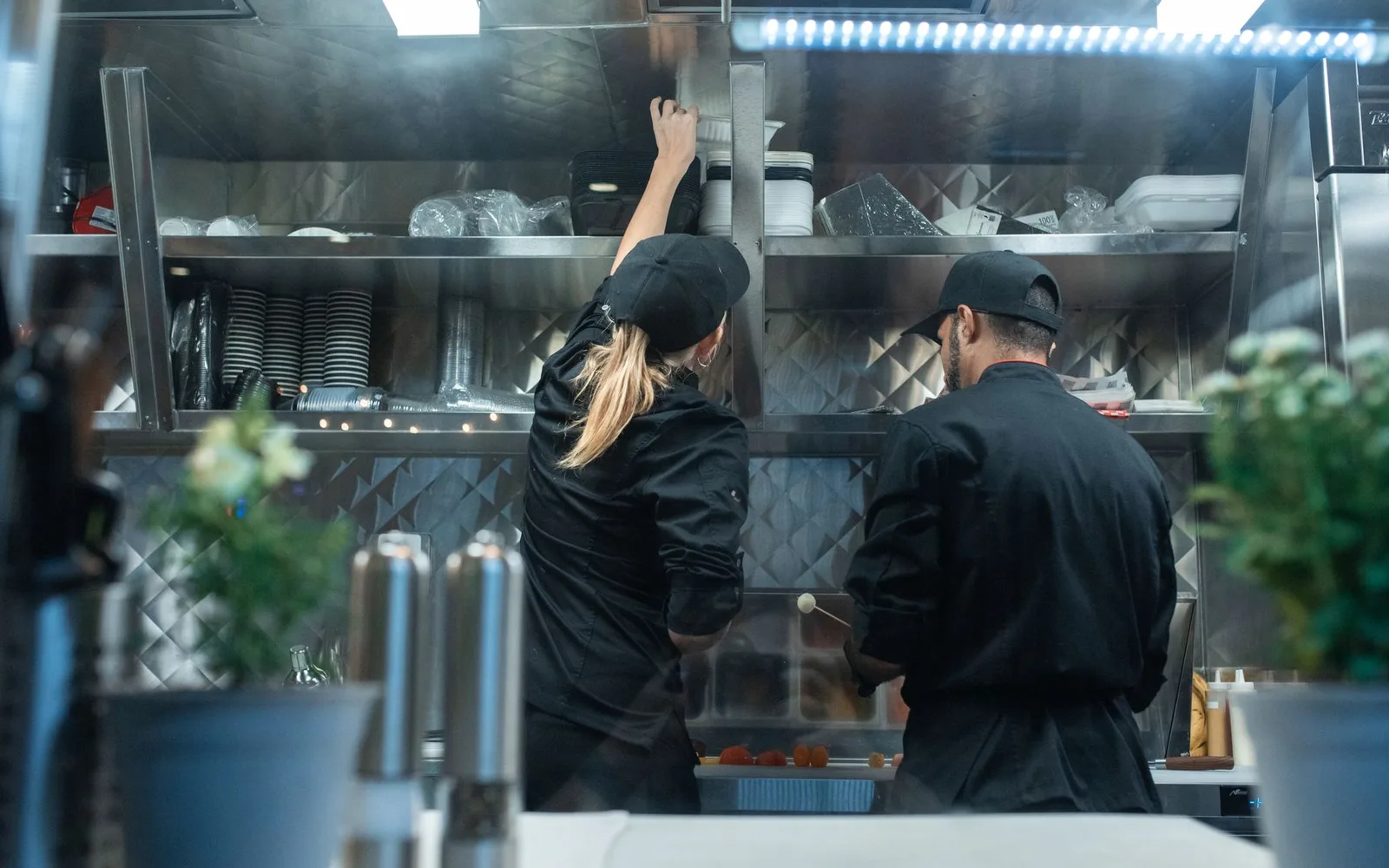
Restaurants and cafes in Al Balad Jeddah
Al Balad's restaurants and cafes sit in packed souqs and narrow lanes where buildings almost touch and historic pipework runs under cobbled streets. The pest pressure here is different from newer commercial districts. Cockroaches shelter in the gaps of coral limestone and old foundations; ants follow sewage lines between units. Treating this district means understanding heritage building anatomy, not just kitchen layout.
-
Targeted, not broadcast
Product goes into cracks and runways, never sprayed across open surfaces.
-
Told before we start
What we will use, where it goes, and what to cover or move before we arrive.
-
A follow-up visit
We return after the first treatment, because what survives it does not show on the day.
-
Homes and businesses
Apartments and villas, and kitchens and stores that need a record of each visit.
Why they keep coming back in Al Balad
Restaurants here are often below street level or sandwiched between residential flats, which means drain networks are intricate and old sewage lines run shared. The baseline complexity is architectural. The method is set out in full on how we approach Restaurants and cafes.
Fractures and voids in stone and ancient fabric
Original coral limestone houses and walls built and rebuilt over centuries have natural fissures and structural gaps. Cockroaches use this old building network as a highway between units. Treatment here requires knowledge of historic masonry pathways, not only the kitchen. A point monitored in your premises can be reached from a neighbour's unit two floors up.
Hundreds of food units under one roof
Souq Al Alawi and Souq Al Badu and the other markets of Al Balad house dozens of restaurants, cafes and food shops in shared spaces. Insects move freely between adjacent units. What you control in your shop can migrate from a neighbour seconds away. Any programme must coordinate with the surrounding units and market management.
Daily deliveries from the adjacent market cluster
Restaurants in Al Balad receive fresh vegetables, poultry and meat from the neighboring vegetable and livestock markets every morning. Cardboard, produce crates and uninspected goods carry cockroach eggs and ant colonies with them. Goods inwards inspection is not optional here: it is a daily necessity that shapes every programme.
Al Balad on the map
Al Balad sits about 1.5 km from Al Hindawiyah and about 1.5 km from East Al Baghdadiyah.
Open in Google MapsThe places that decide the programme
The close-set limestone buildings and narrow lanes of Al Balad hold moisture and shadow all year. Fissures in aged masonry and the gaps left by centuries of repair and addition are natural highways for insects between units and floors.
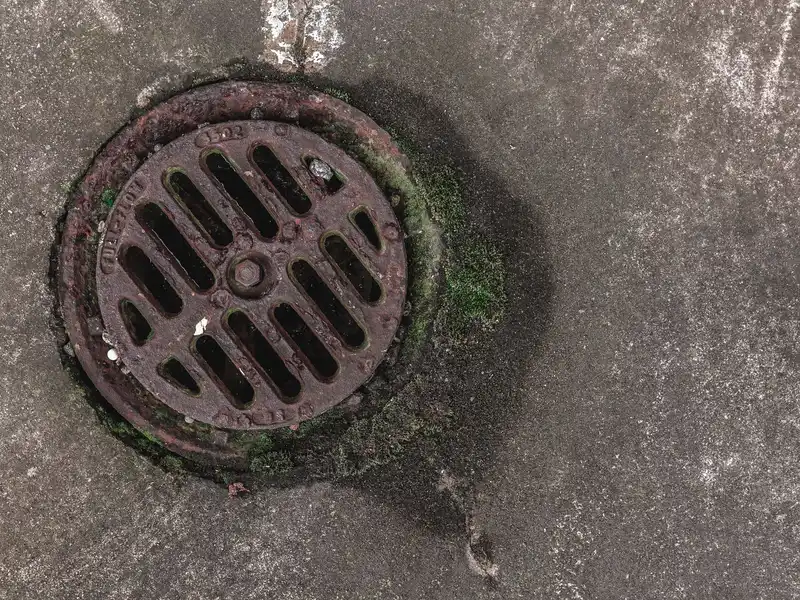
Gullies and the grease trap
Old drain sumps in Al Balad often empty directly into shared subterranean lines beneath the lanes, so we place grease traps at every drain point inside the kitchen to intercept debris before it reaches shared pipework.
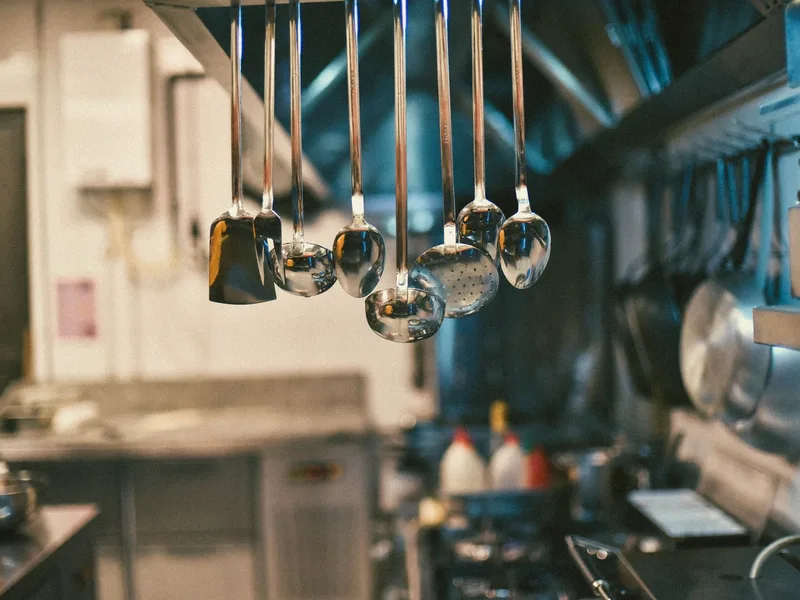
The cooking line and plinths
Cooking lines in covered markets are cramped, so we focus on refrigerators, ovens and stoves and apply protection barriers around each equipment plinth and footprint.
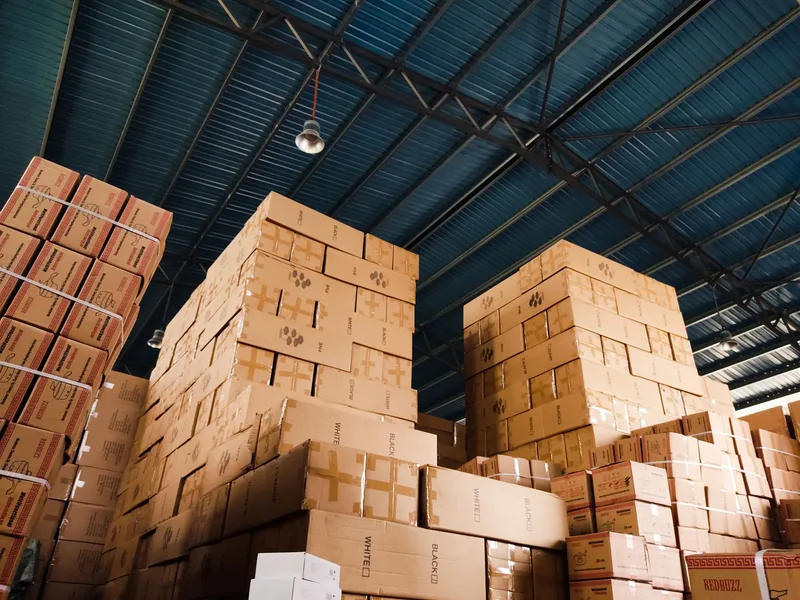
Cardboard at goods inwards
Cardboard arrives fresh from the vegetable and poultry markets, so we inspect every crate at the goods door and treat or remove it before it enters storage zones.
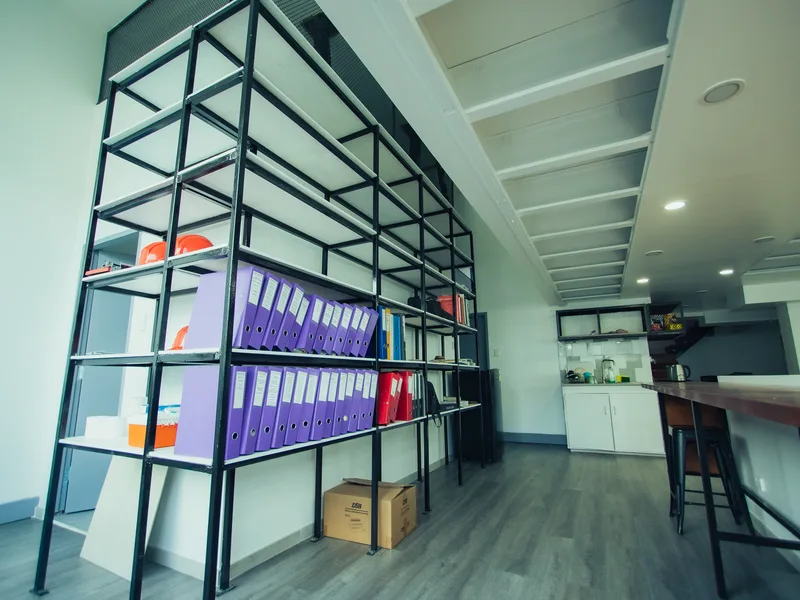
Dry store shelving
Dry store shelving in old souqs is often built directly against damp stone walls, so we treat the wall behind the shelving and schedule regular damp checks because moisture drives insect activity.
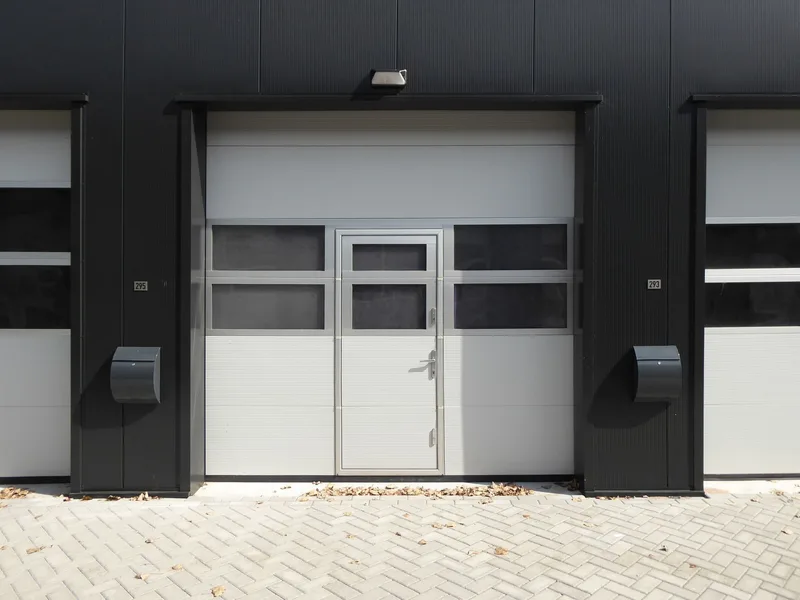
The back service door
The back service door of markets opens onto a shared lane or central waste collection point, so we fit an air curtain or treatment screen across the threshold to prevent entry from the common area.
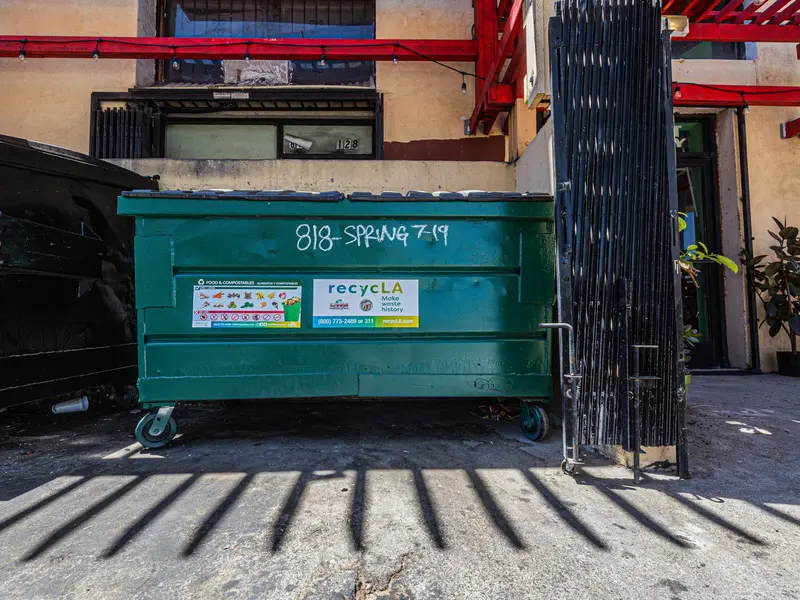
The bin area
The bin area in souqs is usually centralised, so we map its exact location and treat the surrounding zone with numbered monitoring points on a plan of your access route.
How we work
-
1
Survey and site plan
We follow the food route from delivery to waste, establish which species are present and where the moisture is, and mark the station positions on a plan of the kitchen and the store.
-
2
Install numbered monitoring points
Sealed, numbered stations in fixed positions, read in the same order every visit so the file shows a trend rather than an impression.
-
3
Treatment outside service hours
Gel bait into joints and voids, foam into the gullies and the grease trap, and nothing applied to preparation surfaces, with equipment covered and surfaces wiped down before service resumes.
-
4
Scheduled visits and the site file
Every visit reads the stations and records what was found, the corrective action needed, who owns it and by when, and the file stays on site to be shown at an inspection.
What a restaurant programme includes
-

Opening survey and site plan
Species, entry points and moisture sources, with a plan showing where every station sits.
-

Sealed, numbered stations
Bait held inside closed stations in food areas, never open product near preparation or storage.
-

Gully and grease trap treatment
Foam that contacts the pipe wall where small flies breed, which is the step most contracts skip.
-

Targeted application after closing
Into joints, voids and the store perimeter, at a time with no exposed food and no team in the kitchen.
-

Reopening instructions for the team
What to cover before, what to wipe after, and what not to wash so the treatment is not undone.
-

A visit report and a running log
Every station read, corrective actions with an owner and a date, and a continuous file to show at an inspection.
Landmarks of Al Balad
Work in Al Balad is organised by your defining landmarks. We use Nassif House as our primary reference for eastern approaches and access to the interior markets, and Al Shafi'i Mosque to anchor the western zones near Souq Al Badu and Bab Sharif.
- Nassif House
- Al Shafi'i Mosque
- Souq Al Alawi
- Souq Al Badu
- Bab Makkah
- Bab Sharif
Questions about this district
My restaurant is inside a covered market. How do you reach us?
We enter at the market's night closure hours through the main entrance or through the open service door used by vendors, and work quickly to avoid disturbing neighbours. We know the old market layout and how to reach kitchen areas discreetly.
Will treatment damage historic furniture or heritage structures?
We apply targeted sprays to exposure points only, not general aerosol treatment, and avoid touching antiques or historic elements. The chemistry is precise and localised, not a building-wide fog.
Cockroaches keep coming from the shop next to mine. Do you visit more often?
Yes. Restaurants in covered markets need closer intervals because reinfestation pressure comes directly from neighbours. We assess your environment and schedule visits to match the density and movement pattern of the market itself.
What do you inspect during your regular check?
We inspect the old drain lines and sumps below floor level, examine fractures in the stone walls, review cardboard handling at goods inwards, and check the seals inside refrigeration units and storage bins.
Can you treat the lane itself or the shared drainage system?
We focus on your own unit, but we can brief the market management or the property owner on treating shared areas, common drainage lines and lane-level pest vectors.
Is monthly treatment enough, or do I need weekly visits?
In Al Balad we usually recommend fortnightly treatment for the first three months to gain control, then reassess for a monthly schedule based on our findings. Busy markets often need higher initial pressure.
How much does restaurants and cafes in Al Balad cost?
It is set after the inspection, because the price follows the type of infestation, the size of the space, how far it has spread and the number of visits it needs. Send a photo and a description on WhatsApp and we will give you an estimate before we reach Al Balad.
Nearby districts we cover
Other services in Al Balad
Other services we provide to residents of Al Balad.
-
 Residential
Cockroach control
Residential
Cockroach control
-
 Residential
Bed bug control
Residential
Bed bug control
-
 Residential
Termite control
Residential
Termite control
-
 Residential
Rodents and mice
Residential
Rodents and mice
-
 Residential
Mosquito control
Residential
Mosquito control
-
 Residential
Fly control
Residential
Fly control
-
 Residential
Ant control
Residential
Ant control
-
 Residential
Gecko control
Residential
Gecko control
-
 Residential
Scorpion control
Residential
Scorpion control
-
 Residential
Snake control
Residential
Snake control
-
 Residential
Flea control
Residential
Flea control
-
 Residential
Bird and pigeon control
Residential
Bird and pigeon control
-
 Residential
Preventive treatment
Residential
Preventive treatment
-
 Residential
Disinfection
Residential
Disinfection
-
 Commercial
Annual contracts
Commercial
Annual contracts
-
 Commercial
Hotels and apartments
Commercial
Hotels and apartments
-
 Commercial
Warehouses and factories
Commercial
Warehouses and factories
-
 Commercial
Schools and nurseries
Commercial
Schools and nurseries
-
 Commercial
Retail and malls
Commercial
Retail and malls
-
 Commercial
Rest houses and farms
Commercial
Rest houses and farms
-
 Commercial
Fumigation
Commercial
Fumigation
-
 Water tanks
Water tank cleaning
Water tanks
Water tank cleaning
-
 Water tanks
Water tank sterilization
Water tanks
Water tank sterilization
-
 Water tanks
Water tank sealing
Water tanks
Water tank sealing
-
 Water tanks
Tank leak repair
Water tanks
Tank leak repair
Need restaurants and cafes in Al Balad? Tell us what you saw and we will tell you what it needs
We reach Al Balad at a time we agree, and you get the full cost before we start.