
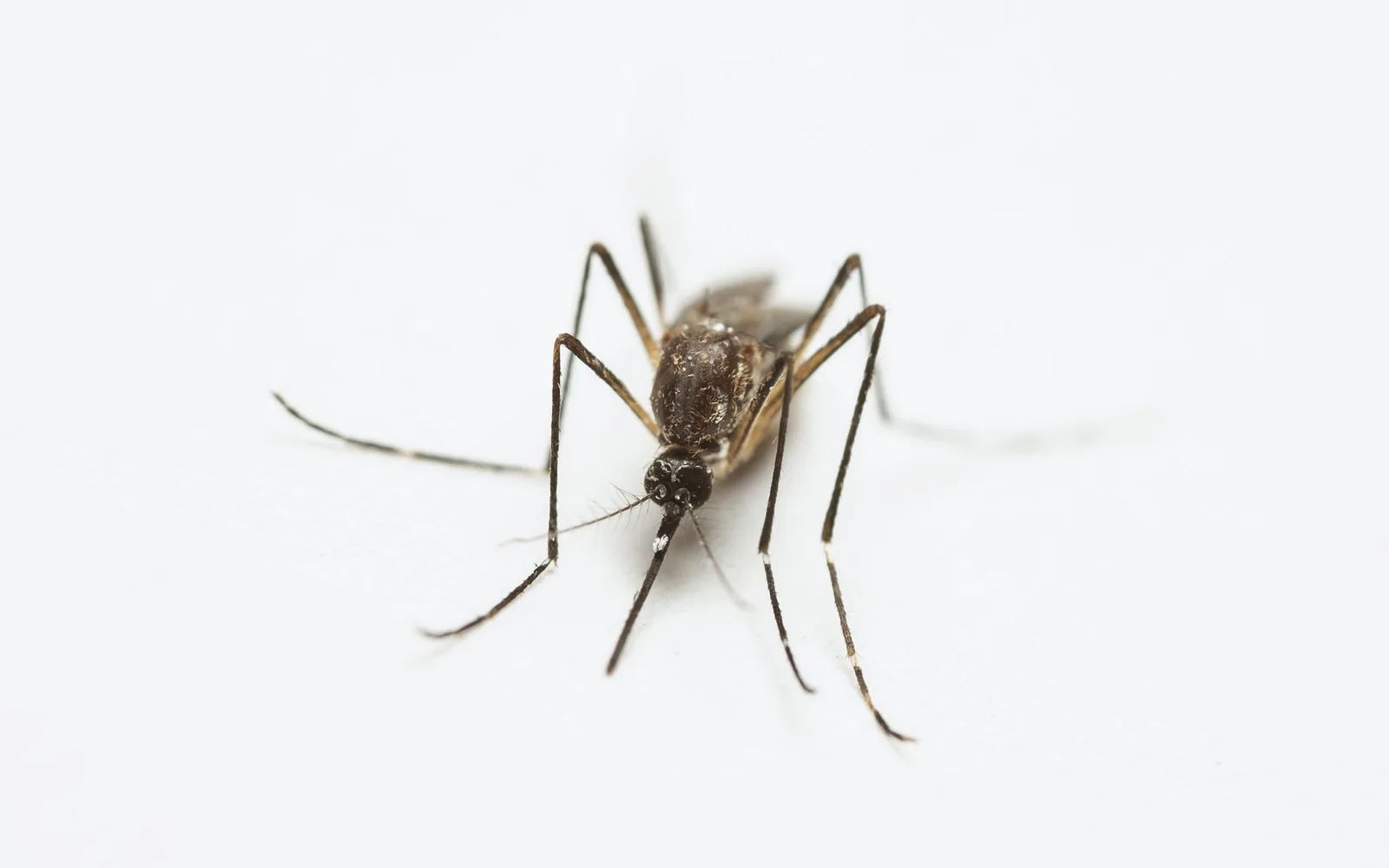
Mosquito control in Al Ajwad Jeddah
Al Ajwad is an organised eastern district mixing villas and apartment blocks on ground where the water table runs high. Seasonal wadis such as Wadi Umm Hablain cut across it, and damp soil around foundations provides constant standing water breeding grounds. Building at the edges opens new routes for mosquitoes to reach occupied homes.
-
Targeted, not broadcast
Product goes into cracks and runways, never sprayed across open surfaces.
-
Told before we start
What we will use, where it goes, and what to cover or move before we arrive.
-
A follow-up visit
We return after the first treatment, because what survives it does not show on the day.
-
Homes and businesses
Apartments and villas, and kitchens and stores that need a record of each visit.
Why they keep coming back in Al Ajwad
Groundwater surfaces in places, and small pools remain through the season around foundations and small courtyards. The method is set out in full on our Mosquito control service.
Seasonal wadis hold rainwater for weeks
Wadi Umm Hablain and Wadi Al Asla fill rapidly after rain but the water persists in low spots and bends for weeks. This creates multiple pool sizes across the district, each a breeding site.
High groundwater keeps soil wet constantly
In parts of the district the water table sits very close to the surface. Without rain alone the soil around house foundations stays damp, and small plants in courtyards find water without watering.
Building sites and vacant plots provide temporary refuge
Excavations and unleveled ground at construction sites trap water, and these sites go untreated. Mosquitoes find perfect breeding habitat there, then move into completed neighbouring homes.
Al Ajwad on the map
Al Ajwad sits about 2 km from Al Manar and about 2.5 km from Al Samir.
Open in Google MapsStanding water and shade decide the method
Seasonal wadis cross the area and soil around foundations stays damp. Drainage networks in the newer districts are incomplete, leaving rainwater and groundwater pooled in low spots.
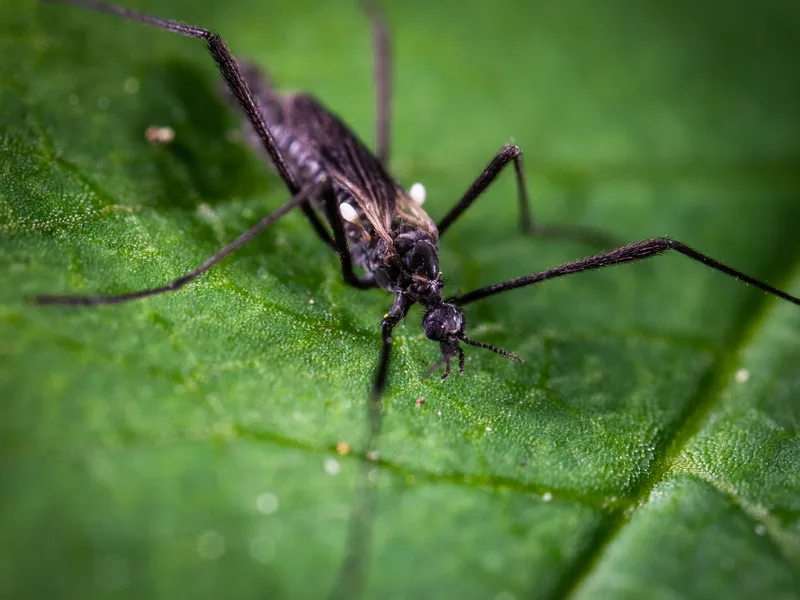
The daytime biter
The daytime biter rests in shade beneath plant leaves and grass, where moisture from groundwater and watering keeps conditions wet.
The one that comes out after sunset
After sunset it becomes active and flies through the district seeking water sources for egg laying.
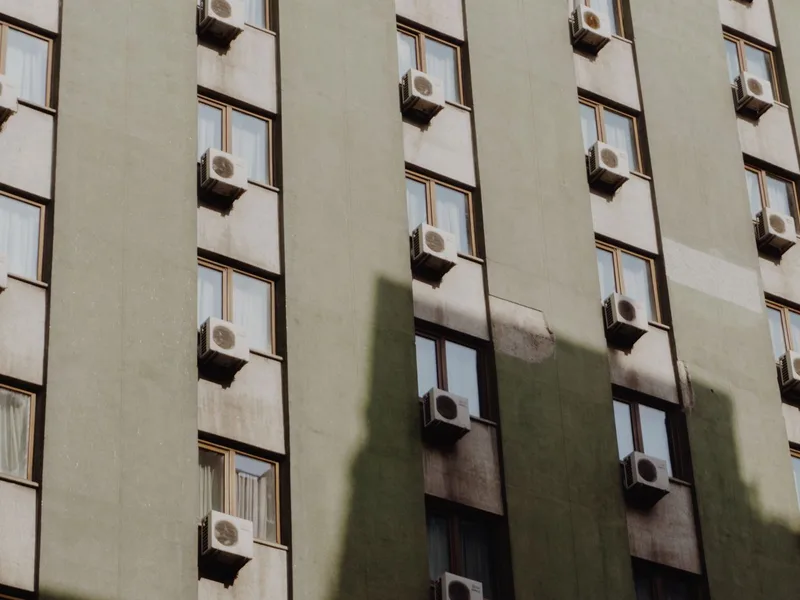
Air-conditioning condensate
Air-conditioning drain from villa or block runs to ground, where water collects around plants and foundations.
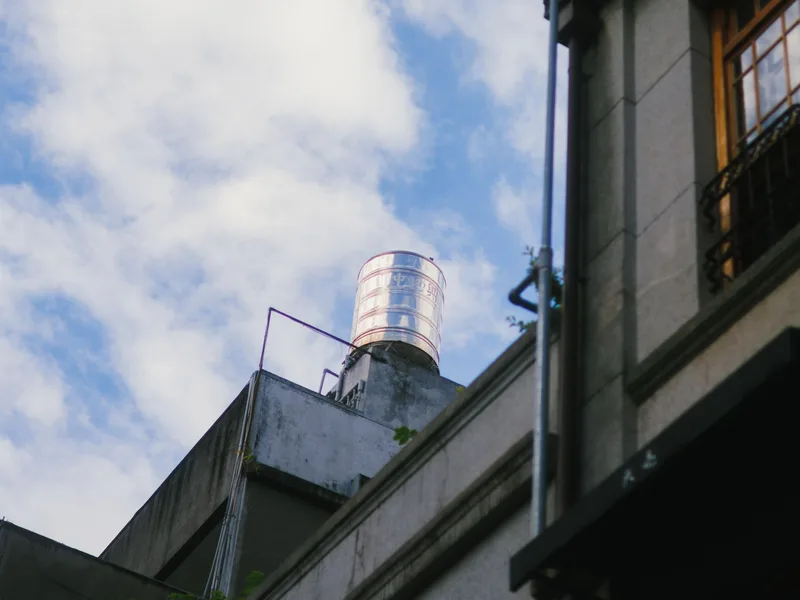
The tank and its openings
Water tanks on roofs or in courtyards may be exposed or have loose hatches, letting mosquitoes enter.

Garden containers and irrigation
Small garden sprinklers leave standing water in low spots, and groundwater keeps soil damp.
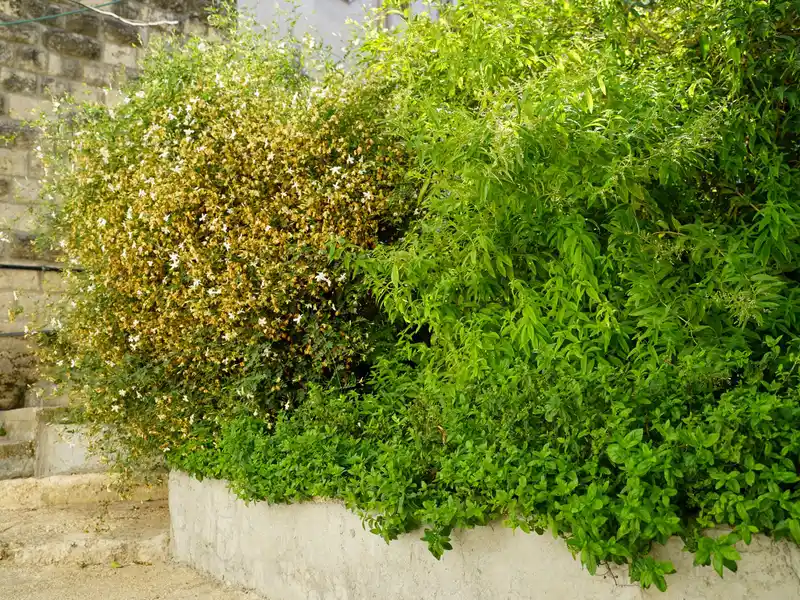
The shade it rests in
Shade beneath trees in villa and block courtyards, and dark areas beneath overhangs and passages, provide mosquito refuges.
How we work
-
1
Inspect and map the water
We walk the perimeter, the roof, the garden, the meter chambers and the condensate runs, record everything that holds water, and read the species from the breeding site and the time of biting.
-
2
Remove the water that can go
Empty, invert, cover: saucers, containers, old tyres and roof gullies. Every point that disappears is a treatment that never needs repeating.
-
3
Larval treatment, then the resting surfaces
Water that cannot be drained is treated so the larva never completes, then a residual goes under planting, beneath outdoor furniture and along low shaded walls.
-
4
The follow-up visit
We come back once the generation that was in the water on the first visit has completed, review every point we recorded and re-treat where needed.
What mosquito control includes
-

A recorded water survey
Roof, perimeter, garden, meter chambers and condensate lines, written down before anything is applied.
-

Draining and covering the sources
Emptying what can be emptied, draining what can be drained, and covering what has to stay full.
-

Larval treatment for the water that stays
For ground tanks, inspection chambers, water features and any permanent water that has to remain.
-

A residual on the resting places
Under trees and shrubs, beneath outdoor furniture and on shaded walls, where the adult sits out the day.
-

Aftercare instructions
What stays inverted, what gets covered, which openings need mesh, and when watering goes back to normal.
-

A scheduled follow-up
A set date after the first treatment, with every recorded water point reviewed and re-treated if the water came back.
What is different about Briman Sub-Municipality
Briman sub-municipality sits east of the Haramain expressway on Jeddah's north eastern edge. Its older quarters are planned grids of villas and walk-up flats, while the outer districts are new subdivisions still being built out. Seasonal wadis such as Wadi Umm Hablain and Wadi Al Asla cross the area, groundwater runs high in places, and drainage networks in the newer districts are incomplete, so soil around foundations stays damp. Vacant plots, live building sites and constant dust give crawling insects and rodents easy routes into homes, and the food outlets along the main arteries keep them supplied.
Questions about this district
Does groundwater actually reach the house from beneath the foundation?
Yes, in parts of the district. The water table may touch the foundation itself or saturate soil around it. That means the courtyard or passage may stay damp without any watering at all.
Does runoff from roofs collect around the walls as standing pools?
Yes, especially around newer villas. Water runs down from roof and walls and collects on the surrounding ground. If the ground is uneven or drainage poor, the water sits.
Do leftover construction sites and neighbouring excavations supply the house with mosquitoes?
Yes, building sites hold water and provide dark refuges. Mosquitoes that breed there move to neighbouring villas and blocks easily.
Why do mosquitoes spike immediately after heavy rain?
Rain fills every excavation and low spot fast. Within a week or two, mosquitoes hatch from every small pool, numbers rise sharply.
Do the wadis need separate treatment from the homes?
Yes, wadis are natural sources and mosquitoes breeding in them move into the district. We treat wadis and homes together to prevent quick return.
Does incomplete drainage in new districts really increase the mosquito burden?
Yes, incomplete networks mean water pools in the soil and open channels. This creates perfect conditions for persistent breeding.
How much does mosquito control in Al Ajwad cost?
It is set after the inspection, because the price follows the type of infestation, the size of the space, how far it has spread and the number of visits it needs. Send a photo and a description on WhatsApp and we will give you an estimate before we reach Al Ajwad.
Nearby districts we cover
Other services in Al Ajwad
Other services we provide to residents of Al Ajwad.
-
 Residential
Cockroach control
Residential
Cockroach control
-
 Residential
Bed bug control
Residential
Bed bug control
-
 Residential
Termite control
Residential
Termite control
-
 Residential
Rodents and mice
Residential
Rodents and mice
-
 Residential
Fly control
Residential
Fly control
-
 Residential
Ant control
Residential
Ant control
-
 Residential
Gecko control
Residential
Gecko control
-
 Residential
Scorpion control
Residential
Scorpion control
-
 Residential
Snake control
Residential
Snake control
-
 Residential
Flea control
Residential
Flea control
-
 Residential
Bird and pigeon control
Residential
Bird and pigeon control
-
 Residential
Preventive treatment
Residential
Preventive treatment
-
 Residential
Disinfection
Residential
Disinfection
-
 Commercial
Annual contracts
Commercial
Annual contracts
-
 Commercial
Restaurants and cafes
Commercial
Restaurants and cafes
-
 Commercial
Hotels and apartments
Commercial
Hotels and apartments
-
 Commercial
Warehouses and factories
Commercial
Warehouses and factories
-
 Commercial
Schools and nurseries
Commercial
Schools and nurseries
-
 Commercial
Retail and malls
Commercial
Retail and malls
-
 Commercial
Rest houses and farms
Commercial
Rest houses and farms
-
 Commercial
Fumigation
Commercial
Fumigation
-
 Water tanks
Water tank cleaning
Water tanks
Water tank cleaning
-
 Water tanks
Water tank sterilization
Water tanks
Water tank sterilization
-
 Water tanks
Water tank sealing
Water tanks
Water tank sealing
-
 Water tanks
Tank leak repair
Water tanks
Tank leak repair
Need mosquito control in Al Ajwad? Tell us what you saw and we will tell you what it needs
We reach Al Ajwad at a time we agree, and you get the full cost before we start.