
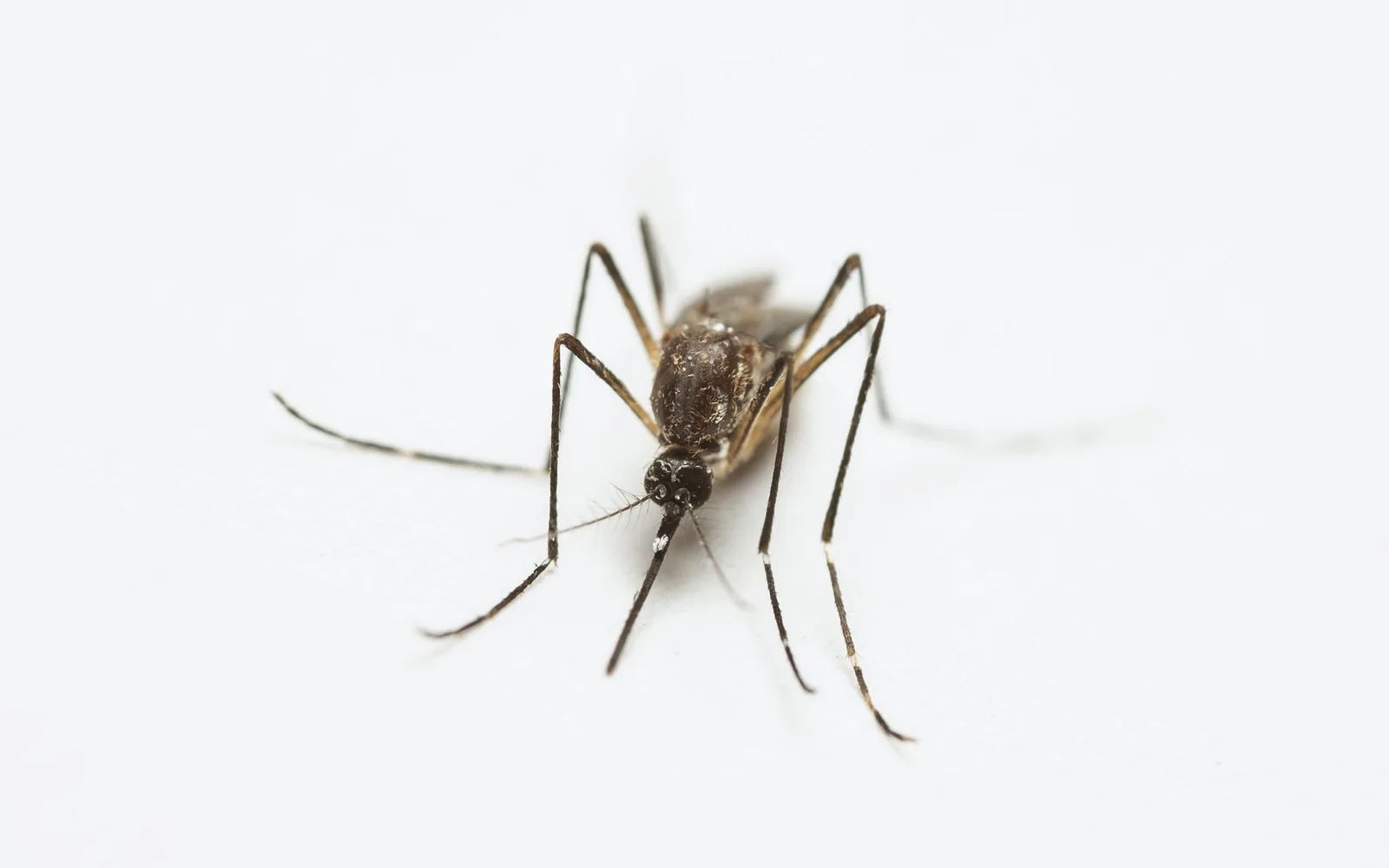
Mosquito control in Al Muntazah Jeddah
Al Muntazah is a dense apartment district on Briman's eastern edge, with narrow internal streets and buildings whose pipework is decades old. Mosquitoes exploit this crowding and ageing infrastructure for steady breeding. Treatment here differs from villa gardens and private compounds.
-
Targeted, not broadcast
Product goes into cracks and runways, never sprayed across open surfaces.
-
Told before we start
What we will use, where it goes, and what to cover or move before we arrive.
-
A follow-up visit
We return after the first treatment, because what survives it does not show on the day.
-
Homes and businesses
Apartments and villas, and kitchens and stores that need a record of each visit.
Why they keep coming back in Al Muntazah
Closely stacked flats in multi storey blocks mean mosquitoes move between them through gaps and openings. Each flat is not a separate source; the building itself is one interconnected one. The method is set out in full on our Mosquito control service.
Standing water in gaps and internal pipework
Leaks from ageing drainage in foundations and walls leave standing water in unreachable voids. Treating one flat does not solve the problem if the leak is in a shared wall or a buried line shared with neighbours.
Shared and shaded roof tanks
Apartment buildings share roof level tanks that stay covered and dark. Nobody sees inside, but the permanent shade there means mosquitoes breed fast even without obvious contamination.
No access to shared entry and common ground
There are no private gardens to each flat and shared entries and stairwells run between home and street. Treating the interior only leaves open routes: mosquitoes re enter from outside every day.
Al Muntazah on the map
Al Muntazah sits about 2.5 km from Al Ajwad and about 4 km from Al Samir.
Open in Google MapsStanding water and shade decide the method
Wadi Al Asla runs along the eastern edge, and apartment buildings let to workers pack many residents into confined spaces with shared entrances and old water networks that leak constantly.
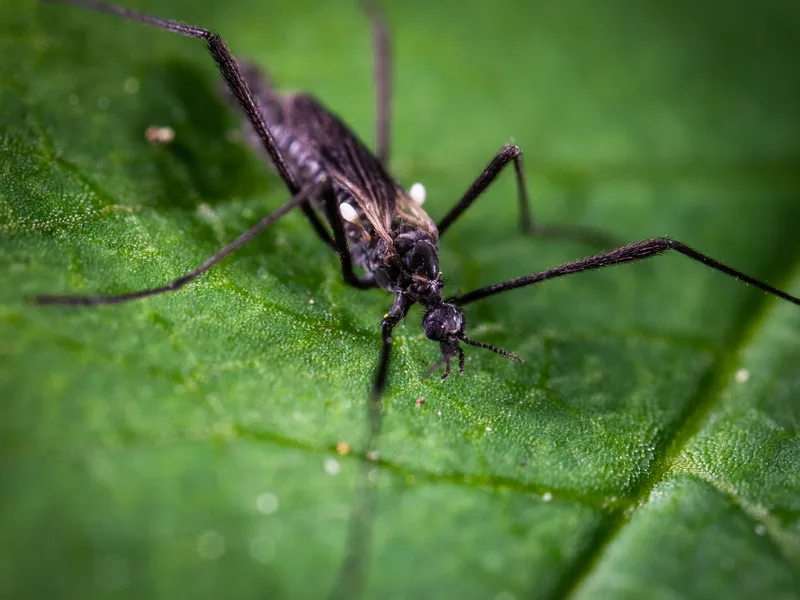
The daytime biter
The daytime biter hides in the shade of stairs and entries and the gaps between flats, where moisture and darkness hold all day long.
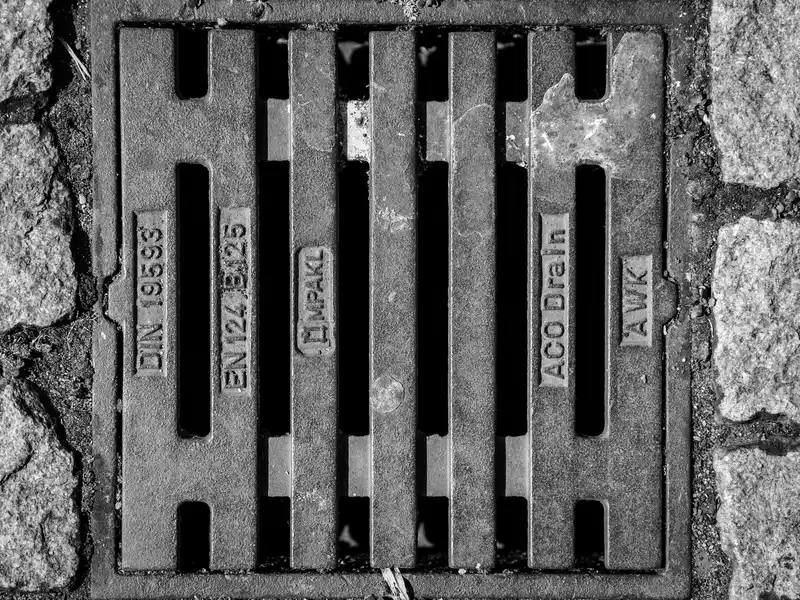
The one that comes out after sunset
After sunset the mosquito leaves voids and pipes to seek blood, and flats with open windows become its hunting ground as night falls.
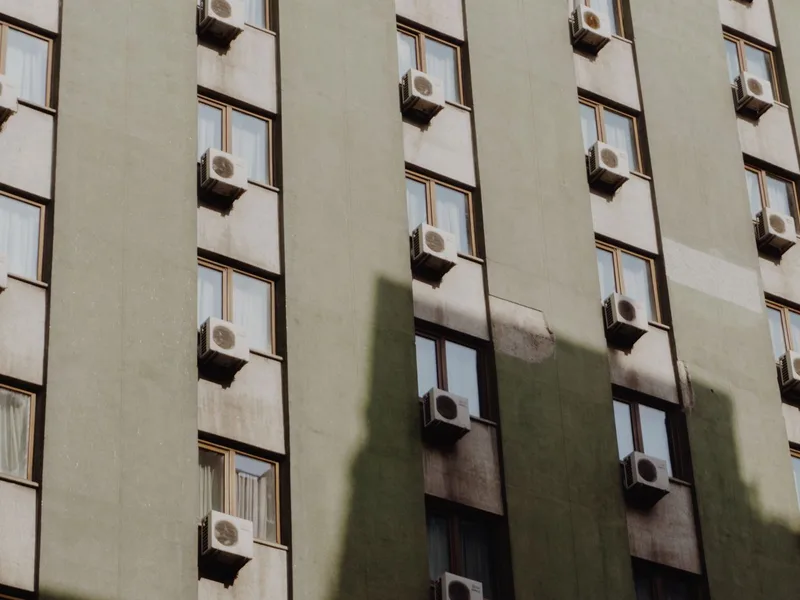
Air-conditioning condensate
Air conditioning drips from flats onto landings and the roof level, pooling in corners where the drain is weak or blocked by debris.
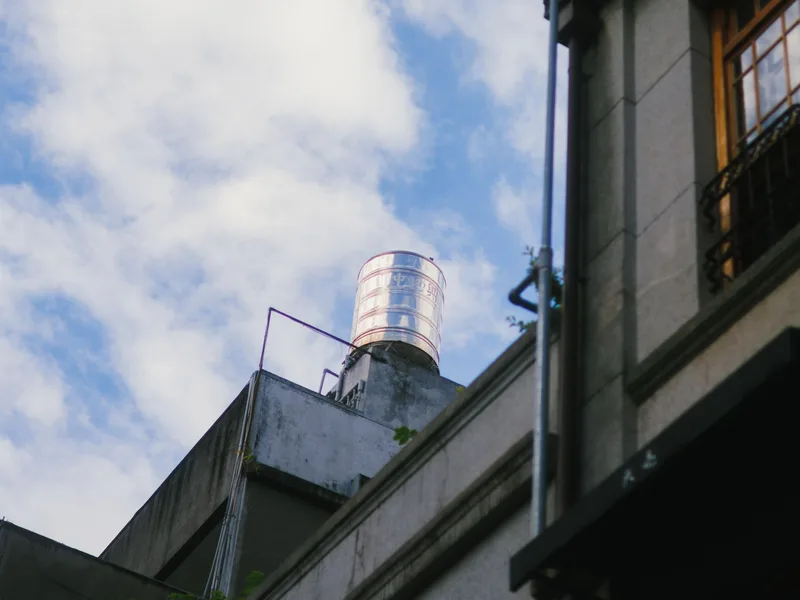
The tank and its openings
A flat's tank may not be the main problem, but a leak in the shared pipes under the floor fills voids with permanent standing water.
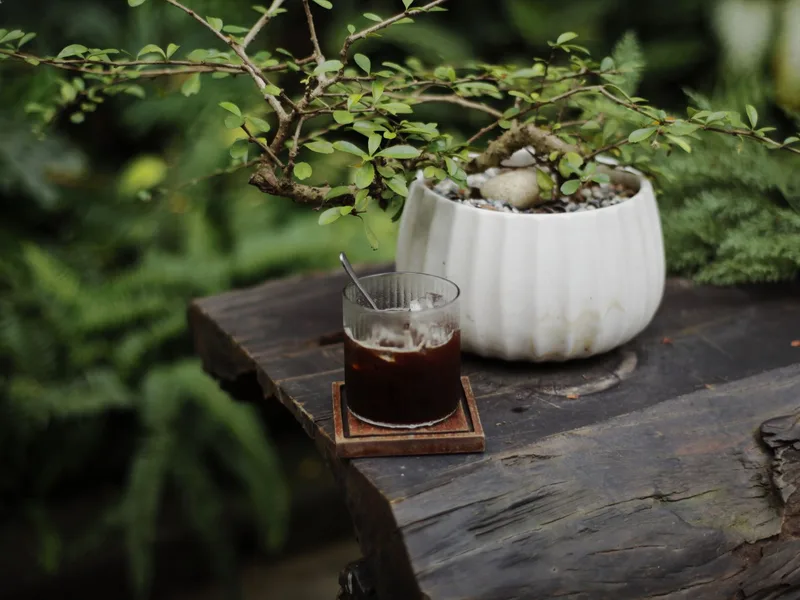
Garden containers and irrigation
Potted plants on landings and stairs, and sometimes on shared balconies, collect irrigation water, and the stair shade stops it evaporating fast.
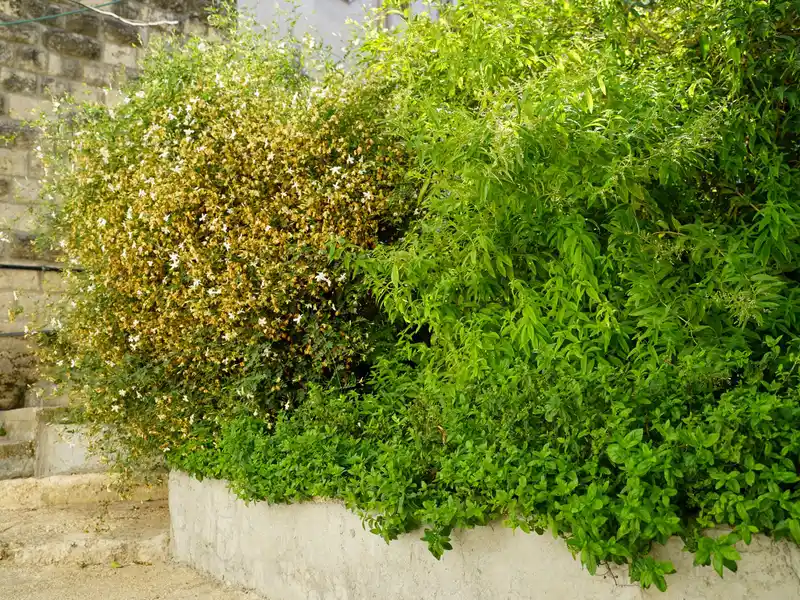
The shade it rests in
The shade in the stairwell and gaps between floors and the dark corners of the entry are where the adult mosquito rests through the day undisturbed.
How we work
-
1
Inspect and map the water
We walk the perimeter, the roof, the garden, the meter chambers and the condensate runs, record everything that holds water, and read the species from the breeding site and the time of biting.
-
2
Remove the water that can go
Empty, invert, cover: saucers, containers, old tyres and roof gullies. Every point that disappears is a treatment that never needs repeating.
-
3
Larval treatment, then the resting surfaces
Water that cannot be drained is treated so the larva never completes, then a residual goes under planting, beneath outdoor furniture and along low shaded walls.
-
4
The follow-up visit
We come back once the generation that was in the water on the first visit has completed, review every point we recorded and re-treat where needed.
What mosquito control includes
-

A recorded water survey
Roof, perimeter, garden, meter chambers and condensate lines, written down before anything is applied.
-

Draining and covering the sources
Emptying what can be emptied, draining what can be drained, and covering what has to stay full.
-

Larval treatment for the water that stays
For ground tanks, inspection chambers, water features and any permanent water that has to remain.
-

A residual on the resting places
Under trees and shrubs, beneath outdoor furniture and on shaded walls, where the adult sits out the day.
-

Aftercare instructions
What stays inverted, what gets covered, which openings need mesh, and when watering goes back to normal.
-

A scheduled follow-up
A set date after the first treatment, with every recorded water point reviewed and re-treated if the water came back.
Landmarks of Al Muntazah
Al Muntazah lies between Hada Al Sham Road to the north and Muawiyah Al Sulami Street to the west, and visit scheduling moves through the major streets to reach the different building blocks efficiently across the district.
- Hada Al Sham Road
- Muawiyah Al Sulami Street
- Wadi Al Asla
Questions about this district
Is the flat's water tank the source?
If the tank is unguarded or open ended and stays cool, yes. But in old buildings the leak under the floor is worse, because it saturates voids that cannot be emptied and sit dark and damp.
Do you treat the shared stair and entry?
Yes, but it needs coordination with building management or owners. Mosquitoes in the entry come from the street daily, so regular treatment there matters more than one off work inside.
Are aged pipes in the walls the cause of recurrence?
Yes, especially where pipes run in outer walls or between flats. A small leak in a drain stays wet constantly and fills with eggs. Once the leak is found, treatment works better.
Do the buildings need deep cleaning before treatment?
Cleaning helps but is not essential. We focus on shaded areas and wet corners. The key is to seal large gaps so mosquitoes do not re enter from the street or from other flats.
Is one treatment enough in a crowded building?
Rarely. Dense buildings, high turnover of residents and a shared entry mean fast re infestation. Scheduled visits work better than a single call.
Can we treat the roof and the tank itself?
Yes, with care. If the roof is open and unused, we treat it. We secure the tank opening first, then treat the area around it. We never put anything into the water itself.
How much does mosquito control in Al Muntazah cost?
It is set after the inspection, because the price follows the type of infestation, the size of the space, how far it has spread and the number of visits it needs. Send a photo and a description on WhatsApp and we will give you an estimate before we reach Al Muntazah.
Other services in Al Muntazah
Other services we provide to residents of Al Muntazah.
-
 Residential
Cockroach control
Residential
Cockroach control
-
 Residential
Bed bug control
Residential
Bed bug control
-
 Residential
Termite control
Residential
Termite control
-
 Residential
Rodents and mice
Residential
Rodents and mice
-
 Residential
Fly control
Residential
Fly control
-
 Residential
Ant control
Residential
Ant control
-
 Residential
Gecko control
Residential
Gecko control
-
 Residential
Scorpion control
Residential
Scorpion control
-
 Residential
Snake control
Residential
Snake control
-
 Residential
Flea control
Residential
Flea control
-
 Residential
Bird and pigeon control
Residential
Bird and pigeon control
-
 Residential
Preventive treatment
Residential
Preventive treatment
-
 Residential
Disinfection
Residential
Disinfection
-
 Commercial
Annual contracts
Commercial
Annual contracts
-
 Commercial
Restaurants and cafes
Commercial
Restaurants and cafes
-
 Commercial
Hotels and apartments
Commercial
Hotels and apartments
-
 Commercial
Warehouses and factories
Commercial
Warehouses and factories
-
 Commercial
Schools and nurseries
Commercial
Schools and nurseries
-
 Commercial
Retail and malls
Commercial
Retail and malls
-
 Commercial
Rest houses and farms
Commercial
Rest houses and farms
-
 Commercial
Fumigation
Commercial
Fumigation
-
 Water tanks
Water tank cleaning
Water tanks
Water tank cleaning
-
 Water tanks
Water tank sterilization
Water tanks
Water tank sterilization
-
 Water tanks
Water tank sealing
Water tanks
Water tank sealing
-
 Water tanks
Tank leak repair
Water tanks
Tank leak repair
Need mosquito control in Al Muntazah? Tell us what you saw and we will tell you what it needs
We reach Al Muntazah at a time we agree, and you get the full cost before we start.