
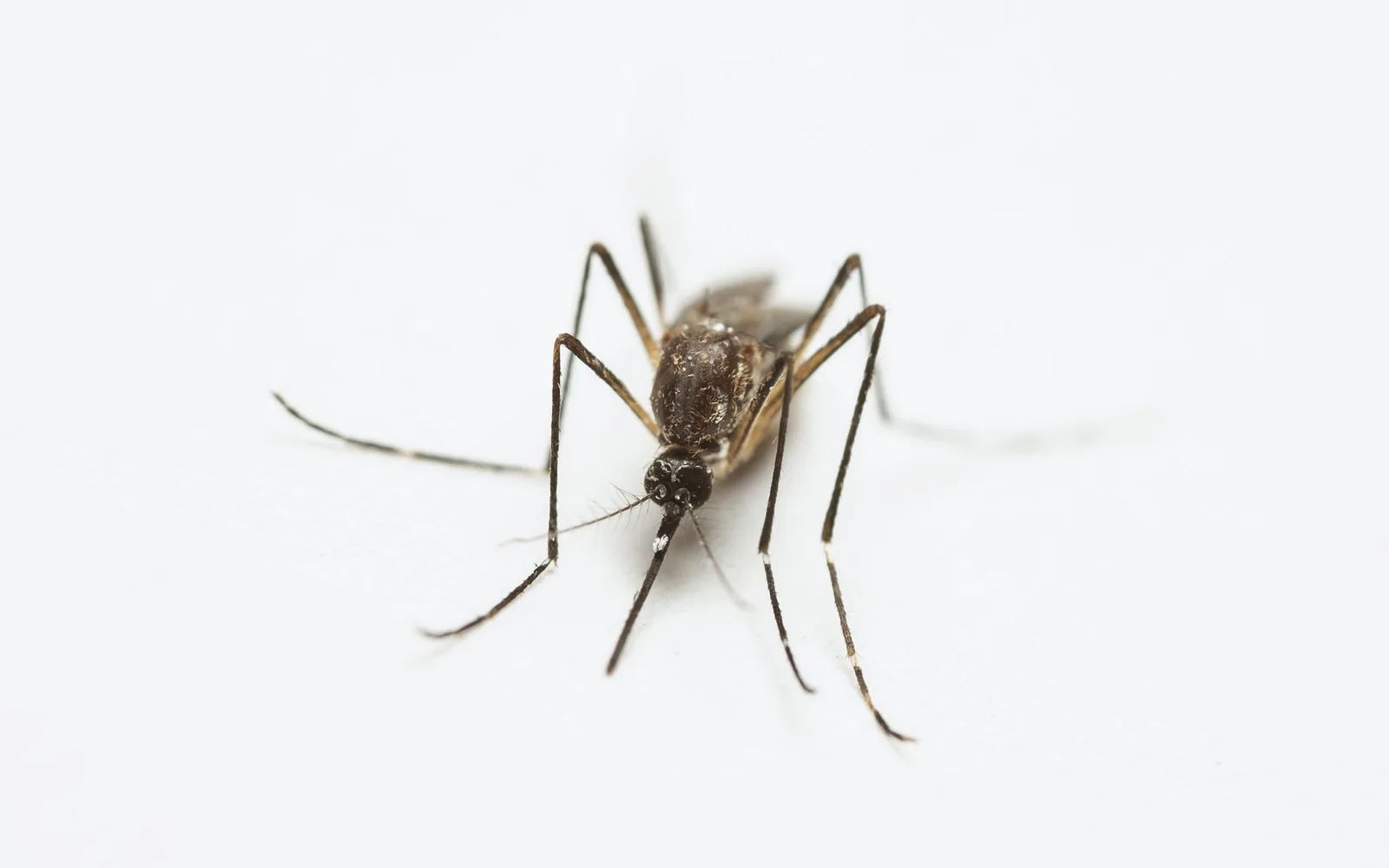
Mosquito control in Al Buhayrat Makkah
Al Buhayrat is a dense mixed district centred on Umm Al Mumineen Road where ground floor shops sit directly below residential flats, creating vertically layered mosquito sources spread through narrow courts and vertical cavities between towers.
-
Targeted, not broadcast
Product goes into cracks and runways, never sprayed across open surfaces.
-
Told before we start
What we will use, where it goes, and what to cover or move before we arrive.
-
A follow-up visit
We return after the first treatment, because what survives it does not show on the day.
-
Homes and businesses
Apartments and villas, and kitchens and stores that need a record of each visit.
Why they keep coming back in Al Buhayrat
Ground floor shops collect water from air conditioning units and drains pooled directly beneath occupied flats, creating sealed microhabitats. Mosquitoes climb from the bottom floors upward through shared cavities and enter flats on every level. The method is set out in full on how we approach Mosquito control.
Ground floor shops hide multiple water pools underneath
The voids beneath raised floors and the gaps round shop foundations trap air conditioning drain water and cleaning water, remaining damp even in dry weather. Mosquitoes lay eggs in these protected shaded zones away from wind. Residents above have no way to access or treat these breeding grounds.
Tower blocks spread mosquitoes vertically across heights
Night flying mosquitoes climb from the first floor upward through gaps round pipes, conduit and vents connecting each flat. Every storey becomes a separate breeding ecosystem. Horizontal fogging in the street cannot penetrate the building envelope to reach internal surfaces of upper flats.
At Tanim Walkway brings fresh mosquito populations daily
Visitor and vehicle movement from the walkway delivers new mosquitoes into the district every day, especially during peak times. Single treatment of the residential area does not stop the inflow of insects from surrounding activity hubs.
The character of Al Buhayrat
Mixed district: shops at street level with homes above them
A mixed district means mosquitoes exist in layers: standing water in shared voids under the shops, flying adults in upper flats, and eggs in tank openings on roofs. You cannot treat one layer and ignore another and expect success.
Standing water and shade decide the method
The district sits close to the northern Haram boundary between An Nawwariyah and As Salamah, with modern apartment blocks alongside plots still under construction and roads cutting through.
The daytime biter
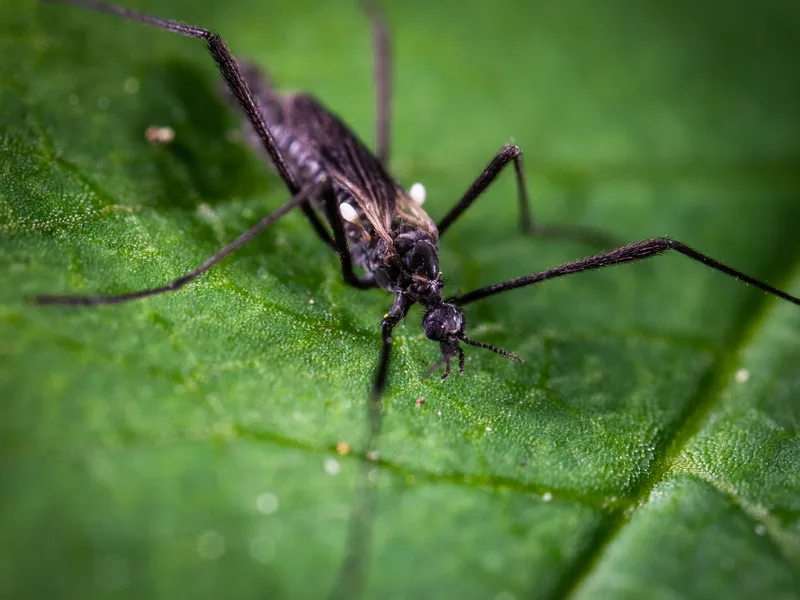
The daytime biter in Al Buhayrat hides in the tight courts between towers and the dense shade under the shop canopies and suspended slab overhangs.
The one that comes out after sunset
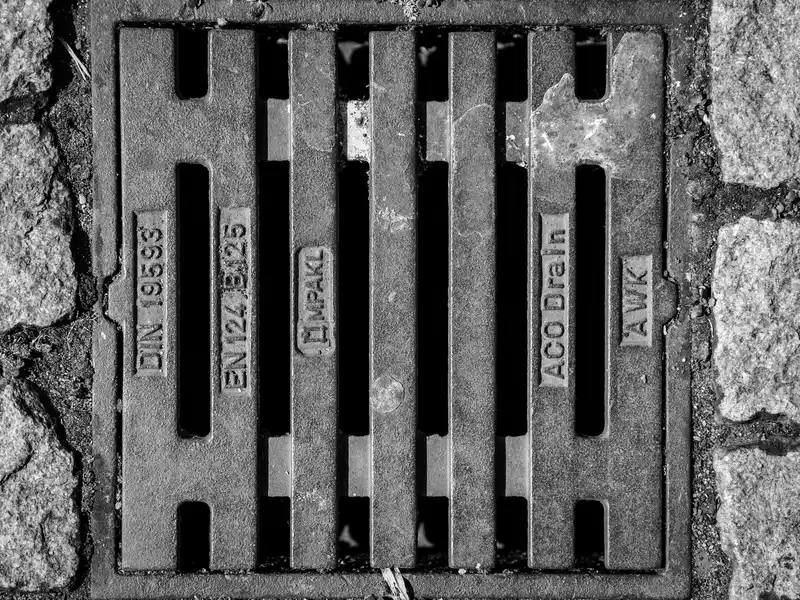
The night flying mosquito climbs internal stairwells and pipe shafts searching for high shelter, resting on shared entrance walls and the passages between units.
Air-conditioning condensate
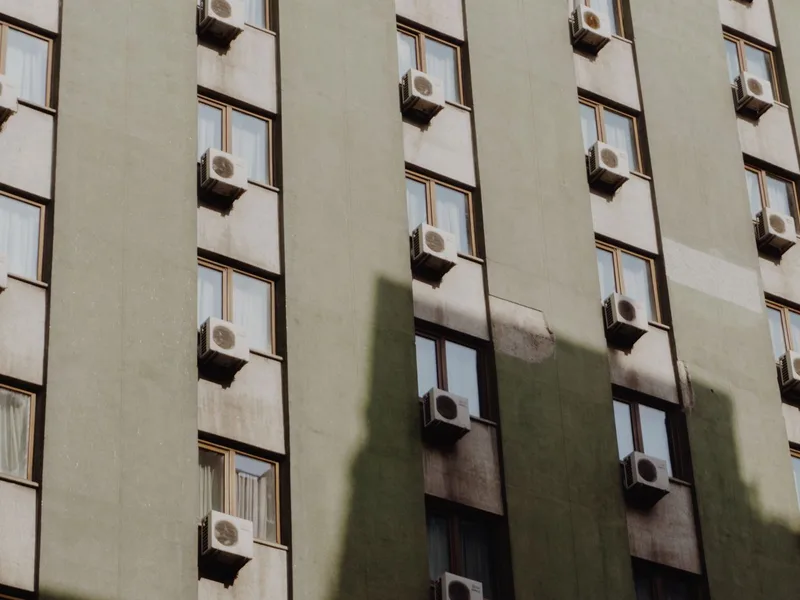
Air conditioning condensate from the flats and shops runs directly into the sealed voids beneath the raised ground floors or into narrow courts that dry very slowly.
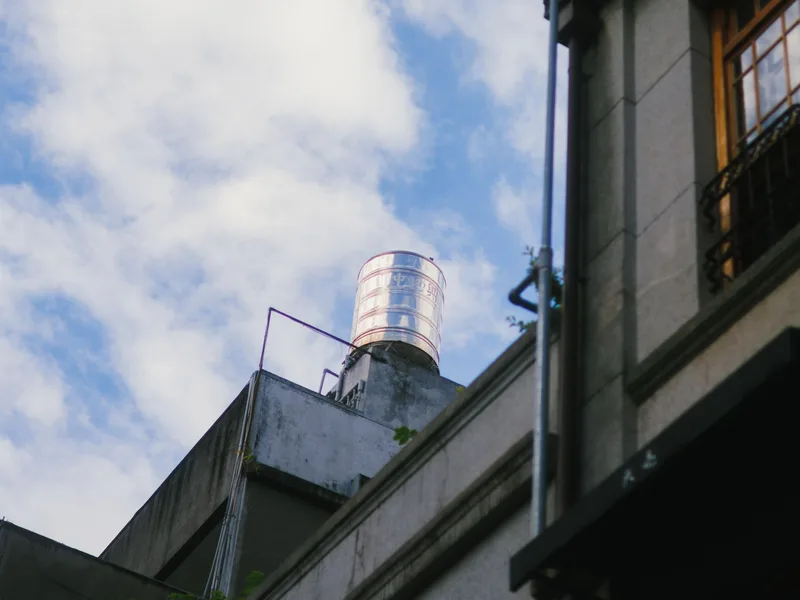
The tank and its openings
Water tank openings on the roofs and gaps round the risers carrying pipes from the shop to every flat provide continuous standing water in protected locations.

Garden containers and irrigation
Garden containers in the tight courts and watering round the main entrance vegetation collect water and shield breeding sites from wind and direct sun.
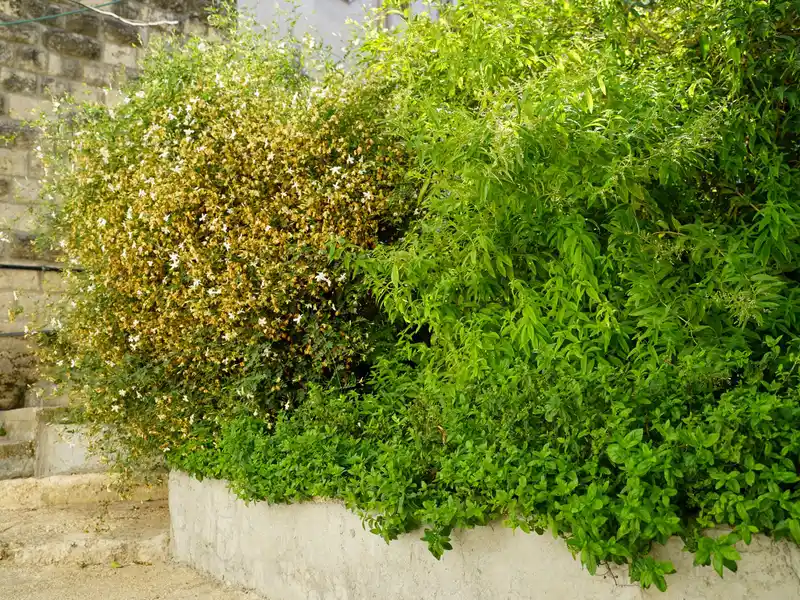
The shade it rests in
The heavy shadow under shop slab overhangs and the permanent darkness in closed passages between the towers offer safe daytime rest for mosquitoes that cannot be reached by fogging.
How we work
-
1
Inspect and map the water
We walk the perimeter, the roof, the garden, the meter chambers and the condensate runs, record everything that holds water, and read the species from the breeding site and the time of biting.
-
2
Remove the water that can go
Empty, invert, cover: saucers, containers, old tyres and roof gullies. Every point that disappears is a treatment that never needs repeating.
-
3
Larval treatment, then the resting surfaces
Water that cannot be drained is treated so the larva never completes, then a residual goes under planting, beneath outdoor furniture and along low shaded walls.
-
4
The follow-up visit
We come back once the generation that was in the water on the first visit has completed, review every point we recorded and re-treat where needed.
What mosquito control includes
-

A recorded water survey
Roof, perimeter, garden, meter chambers and condensate lines, written down before anything is applied.
-

Draining and covering the sources
Emptying what can be emptied, draining what can be drained, and covering what has to stay full.
-

Larval treatment for the water that stays
For ground tanks, inspection chambers, water features and any permanent water that has to remain.
-

A residual on the resting places
Under trees and shrubs, beneath outdoor furniture and on shaded walls, where the adult sits out the day.
-

Aftercare instructions
What stays inverted, what gets covered, which openings need mesh, and when watering goes back to normal.
-

A scheduled follow-up
A set date after the first treatment, with every recorded water point reviewed and re-treated if the water came back.
Landmarks of Al Buhayrat
Work in Al Buhayrat is organized around Umm Al Mumineen Road, which divides the tower blocks into treatment zones, and extends northward to Hira General Hospital, where treatment begins in the densest commercial lower levels.
- Umm Al Mumineen Road
- Madinah Road
- Fourth Ring Road
- Hira General Hospital
- At Tanim Walkway
- Khubayb ibn Adi Mosque
Questions about this district
If I treat my flat, will that stop mosquitoes coming up from the shop?
No. The mosquito enters your flat through shared cavities and gaps round pipes running from the shop through every unit. Treating only your space leaves the entry points open. The shop below and the untreated flats beside and above you continue breeding and harbouring insects.
Why do upper floors still have mosquitoes after we treated the district?
Street level fogging reaches only what flies in open air. It cannot penetrate pipes, wall cavities and shafts inside the building where mosquitoes rest and breed. Tower blocks require additional treatment on interior surfaces and in enclosed spaces the street treatment misses.
Can keeping the shop spotlessly clean prevent mosquito breeding underneath?
Cleanliness matters indoors, but standing water collects in unseen voids beneath raised floors and in old cracks. Mosquitoes exploit these invisible zones even if the shop floor looks immaculate. Structural gaps hold moisture long after visible water is swept away.
Should we treat all the shops in the building or just the ones beside us?
Mosquitoes move easily between adjacent shops through shared gaps in the foundations and common cavities below the ground slab. Treating one shop leaves the neighbouring shops as continuous breeding sources that will recolonise the treated shop.
Must every flat in the tower be treated at the same time?
Timing matters in a dense tower. If we treat some units weeks before others, mosquitoes from untreated flats will find the newly cleared spaces more attractive for breeding. Staggered treatment wastes the benefit of each visit.
Are mosquitoes in Al Buhayrat harder to control because the buildings are so tightly packed?
Tight spacing accelerates mosquito movement between units, but the core problem is standing water in shared voids no single resident can reach. The challenge here is not density alone but inaccessible common areas where breeding never stops.
How much does mosquito control in Al Buhayrat cost?
It is set after the inspection, because the price follows the type of infestation, the size of the space, how far it has spread and the number of visits it needs. Send a photo and a description on WhatsApp and we will give you an estimate before we reach Al Buhayrat.
Nearby districts we cover
Other services in Al Buhayrat
Other services we provide to residents of Al Buhayrat.
-
 Residential
Cockroach control
Residential
Cockroach control
-
 Residential
Bed bug control
Residential
Bed bug control
-
 Residential
Termite control
Residential
Termite control
-
 Residential
Rodents and mice
Residential
Rodents and mice
-
 Residential
Fly control
Residential
Fly control
-
 Residential
Ant control
Residential
Ant control
-
 Residential
Gecko control
Residential
Gecko control
-
 Residential
Scorpion control
Residential
Scorpion control
-
 Residential
Snake control
Residential
Snake control
-
 Residential
Flea control
Residential
Flea control
-
 Residential
Bird and pigeon control
Residential
Bird and pigeon control
-
 Residential
Preventive treatment
Residential
Preventive treatment
-
 Residential
Disinfection
Residential
Disinfection
-
 Commercial
Annual contracts
Commercial
Annual contracts
-
 Commercial
Restaurants and cafes
Commercial
Restaurants and cafes
-
 Commercial
Hotels and apartments
Commercial
Hotels and apartments
-
 Commercial
Warehouses and factories
Commercial
Warehouses and factories
-
 Commercial
Schools and nurseries
Commercial
Schools and nurseries
-
 Commercial
Retail and malls
Commercial
Retail and malls
-
 Commercial
Rest houses and farms
Commercial
Rest houses and farms
-
 Commercial
Fumigation
Commercial
Fumigation
-
 Water tanks
Water tank cleaning
Water tanks
Water tank cleaning
-
 Water tanks
Water tank sterilization
Water tanks
Water tank sterilization
-
 Water tanks
Water tank sealing
Water tanks
Water tank sealing
-
 Water tanks
Tank leak repair
Water tanks
Tank leak repair
Need mosquito control in Al Buhayrat? Tell us what you saw and we will tell you what it needs
We reach Al Buhayrat at a time we agree, and you get the full cost before we start.