
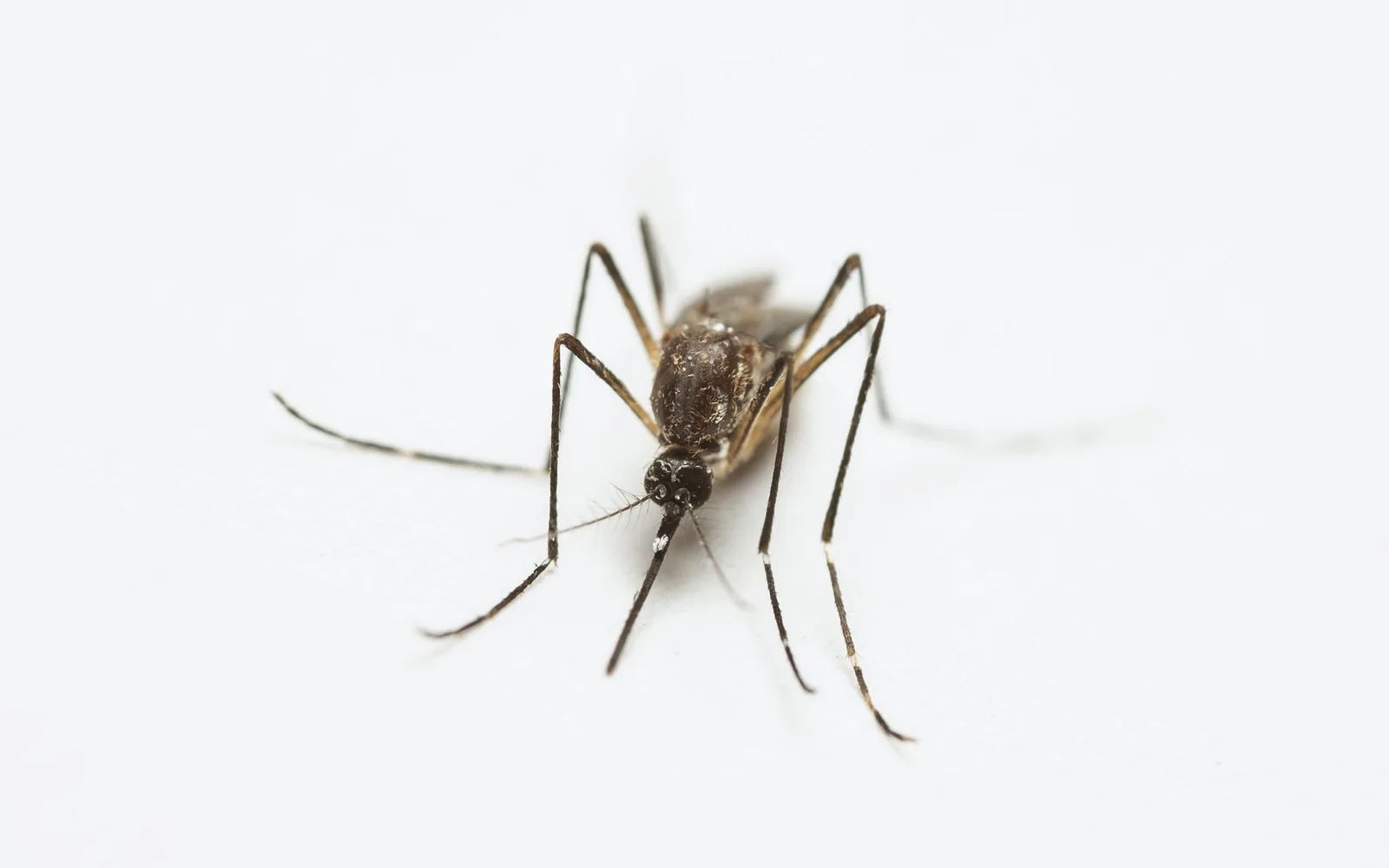
Mosquito control in Al Fayha Makkah
Al Fayha is a north west expansion zone of Makkah on the new Al Fayha road, laid out as schemes with wide vacant plots. Ongoing building, gardens and irrigated green spaces provide standing water year round, seasonal wadis collect rain, and the new location means sparse services and incomplete drainage networks.
-
Targeted, not broadcast
Product goes into cracks and runways, never sprayed across open surfaces.
-
Told before we start
What we will use, where it goes, and what to cover or move before we arrive.
-
A follow-up visit
We return after the first treatment, because what survives it does not show on the day.
-
Homes and businesses
Apartments and villas, and kitchens and stores that need a record of each visit.
Why they keep coming back in Al Fayha
New gardens hold water for long periods in sandy soil. Building sites trap rainwater and mixer water for weeks. The method is set out in full on Mosquito control in detail.
Irrigated gardens around new blocks produce persistent standing water
Each new block has a garden fed by sprinkler or drip. Excess water pools around plants, and sandy soil holds it. In drought, water remains under leaves and grass for months.
Seasonal wadis provide large natural breeding sources
Wadis such as Wadi Saraf and Wadi At Tanim cut through the area. In rain they fill fast, and water persists in low spots between schemes for weeks. Each wadi is a major breeding site.
Wide vacant plots trap water and provide natural shelters
Very wide vacant plots sit between schemes. After rain, water collects in every depression and may not dry for weeks. Mosquitoes find natural refuges there far from any treatment.
The character of Al Fayha
New development: ongoing construction and vacant plots between the homes
Ongoing building means Al Fayha is a continuously evolving environment. New gardens are watered heavily because construction is recent, and wadis work at full force. Effective treatment must focus on wadis and new gardens together.
Standing water and shade decide the method
An expansion area between As Salamah, Al Hamra and Al Buhayrat, where the northern Haram boundary crosses the road. Wide vacant plots and scattered new blocks with irrigated gardens.
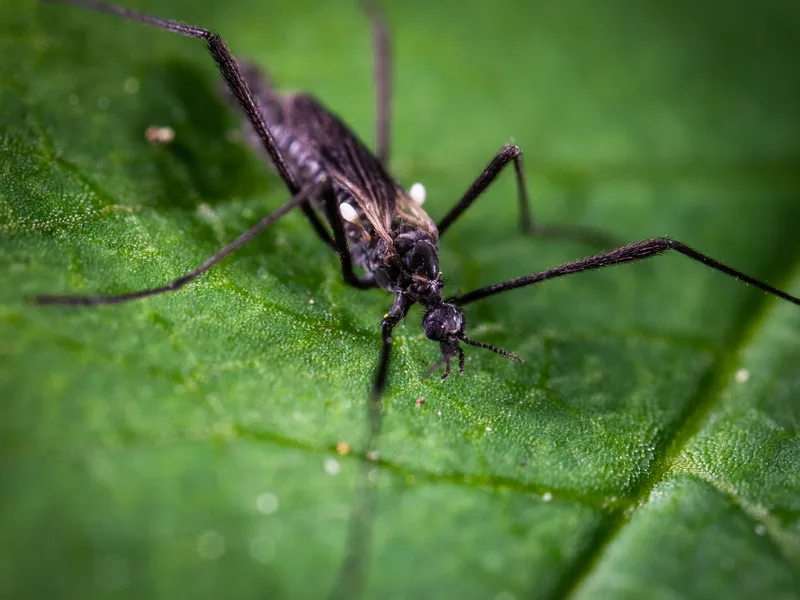
The daytime biter
The daytime biter rests in shade beneath irrigated garden leaves and dense plantings.
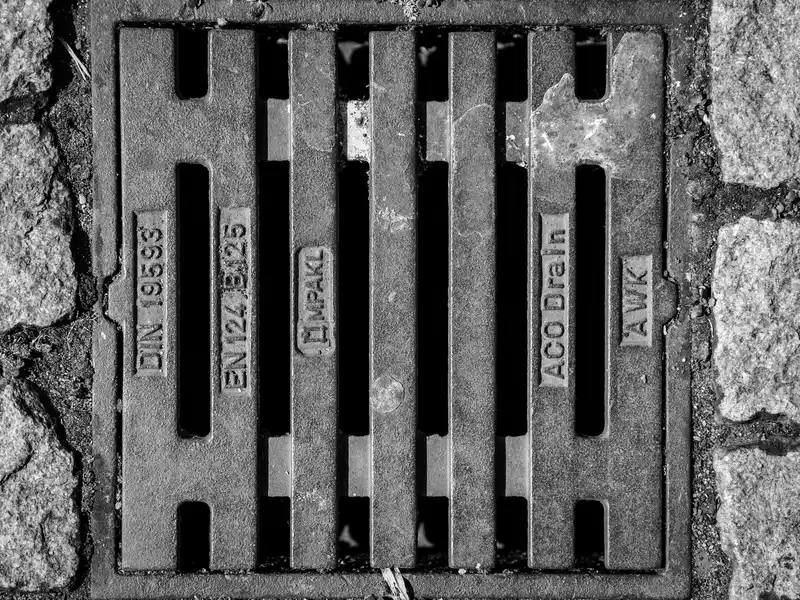
The one that comes out after sunset
After sunset it emerges from gardens and wadis, hunting new water and blood.
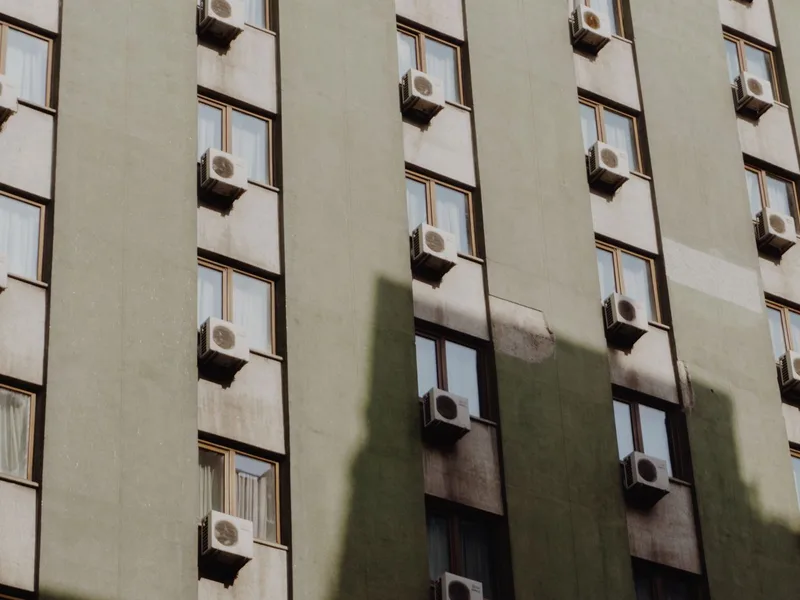
Air-conditioning condensate
Air-conditioning drain from the new block runs to the garden, where water pools around plants.
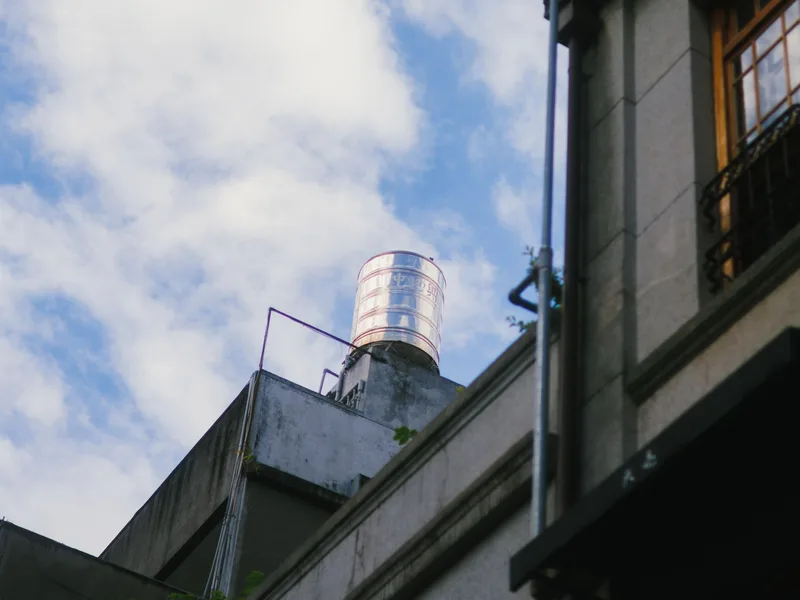
The tank and its openings
A water tank in the courtyard may be exposed, and spilled water remains in low spots.
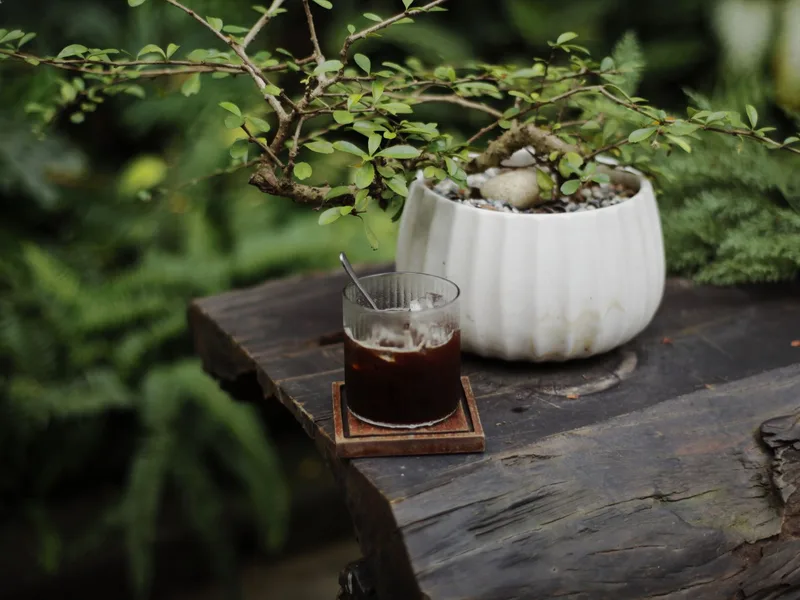
Garden containers and irrigation
Garden sprinklers leave standing water beneath trees and plants, and the water does not dry fast.
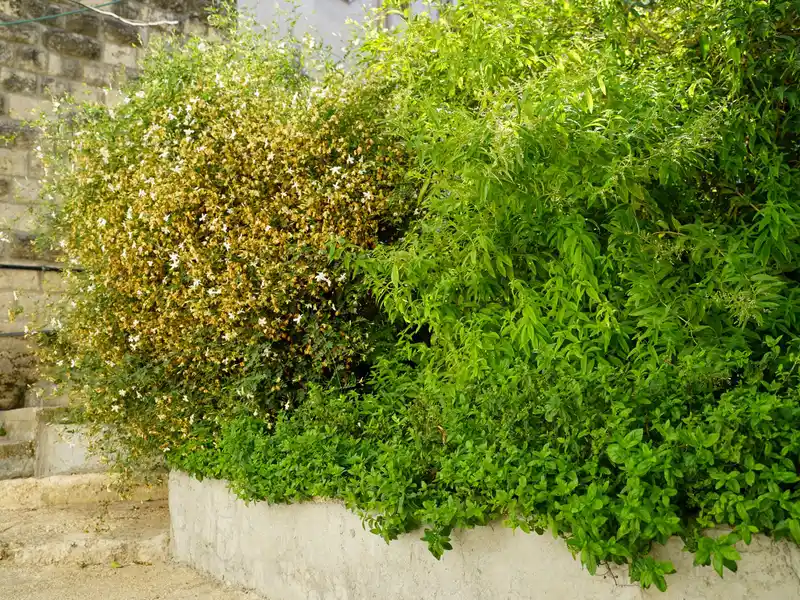
The shade it rests in
Beneath dense new plantings and trees it stays dark and wet, creating mosquito refuges.
How we work
-
1
Inspect and map the water
We walk the perimeter, the roof, the garden, the meter chambers and the condensate runs, record everything that holds water, and read the species from the breeding site and the time of biting.
-
2
Remove the water that can go
Empty, invert, cover: saucers, containers, old tyres and roof gullies. Every point that disappears is a treatment that never needs repeating.
-
3
Larval treatment, then the resting surfaces
Water that cannot be drained is treated so the larva never completes, then a residual goes under planting, beneath outdoor furniture and along low shaded walls.
-
4
The follow-up visit
We come back once the generation that was in the water on the first visit has completed, review every point we recorded and re-treat where needed.
What mosquito control includes
-

A recorded water survey
Roof, perimeter, garden, meter chambers and condensate lines, written down before anything is applied.
-

Draining and covering the sources
Emptying what can be emptied, draining what can be drained, and covering what has to stay full.
-

Larval treatment for the water that stays
For ground tanks, inspection chambers, water features and any permanent water that has to remain.
-

A residual on the resting places
Under trees and shrubs, beneath outdoor furniture and on shaded walls, where the adult sits out the day.
-

Aftercare instructions
What stays inverted, what gets covered, which openings need mesh, and when watering goes back to normal.
-

A scheduled follow-up
A set date after the first treatment, with every recorded water point reviewed and re-treated if the water came back.
What is different about Al Umrah Sub-Municipality
Al Umrah sub municipality covers the north west of Makkah along the Madinah road and the old Jeddah road, from At Tanim and Masjid Aisha to An Nawwariyah. Its districts are the city's newest, villas and apartment blocks raised on wide schemes where large tracts in Al Umrah Al Jadidah, Al Fayha and Al Buhayrat remain vacant or under construction. Wadi Saraf and Wadi At Tanim run through it and rainwater gathers on unfinished schemes, ihram shops, restaurants and coach stops along the Madinah road serve a constant flow of pilgrims, and villas fill Al Hamra and Umm Al Jud.
Questions about this district
Does a new irrigated garden around the block feed mosquitoes year round?
Yes, sandy soil holds water for months. The small garden is perfect breeding habitat, and mosquitoes move from there into the block.
Are the wadis and the water that collects in them the main mosquito source?
Yes, wadis are the primary source. Mosquitoes breeding in wadis move into neighbouring schemes and blocks directly.
Do vacant plots between blocks need separate treatment?
Yes, vacant ground is a real source. We treat ground, wadis and blocks together for real control.
Why are mosquitoes worse in Al Fayha than in older, denser nearby districts?
Old dense districts are dry and built up. Al Fayha is wide and vacant and new, with irrigated gardens and wadis. Water and plants make it ideal habitat.
Is treating a single block enough in Al Fayha?
No, each block is surrounded by natural water sources and gardens. We treat the block, garden and surrounding ground together.
Does Al Fayha's nearness to the Haram affect the mosquito population?
The location does not change mosquito type, but extra moisture from gardens and wadis raises numbers.
How much does mosquito control in Al Fayha cost?
It is set after the inspection, because the price follows the type of infestation, the size of the space, how far it has spread and the number of visits it needs. Send a photo and a description on WhatsApp and we will give you an estimate before we reach Al Fayha.
Nearby districts we cover
Other services in Al Fayha
Other services we provide to residents of Al Fayha.
-
 Residential
Cockroach control
Residential
Cockroach control
-
 Residential
Bed bug control
Residential
Bed bug control
-
 Residential
Termite control
Residential
Termite control
-
 Residential
Rodents and mice
Residential
Rodents and mice
-
 Residential
Fly control
Residential
Fly control
-
 Residential
Ant control
Residential
Ant control
-
 Residential
Gecko control
Residential
Gecko control
-
 Residential
Scorpion control
Residential
Scorpion control
-
 Residential
Snake control
Residential
Snake control
-
 Residential
Flea control
Residential
Flea control
-
 Residential
Bird and pigeon control
Residential
Bird and pigeon control
-
 Residential
Preventive treatment
Residential
Preventive treatment
-
 Residential
Disinfection
Residential
Disinfection
-
 Commercial
Annual contracts
Commercial
Annual contracts
-
 Commercial
Restaurants and cafes
Commercial
Restaurants and cafes
-
 Commercial
Hotels and apartments
Commercial
Hotels and apartments
-
 Commercial
Warehouses and factories
Commercial
Warehouses and factories
-
 Commercial
Schools and nurseries
Commercial
Schools and nurseries
-
 Commercial
Retail and malls
Commercial
Retail and malls
-
 Commercial
Rest houses and farms
Commercial
Rest houses and farms
-
 Commercial
Fumigation
Commercial
Fumigation
-
 Water tanks
Water tank cleaning
Water tanks
Water tank cleaning
-
 Water tanks
Water tank sterilization
Water tanks
Water tank sterilization
-
 Water tanks
Water tank sealing
Water tanks
Water tank sealing
-
 Water tanks
Tank leak repair
Water tanks
Tank leak repair
Need mosquito control in Al Fayha? Tell us what you saw and we will tell you what it needs
We reach Al Fayha at a time we agree, and you get the full cost before we start.