
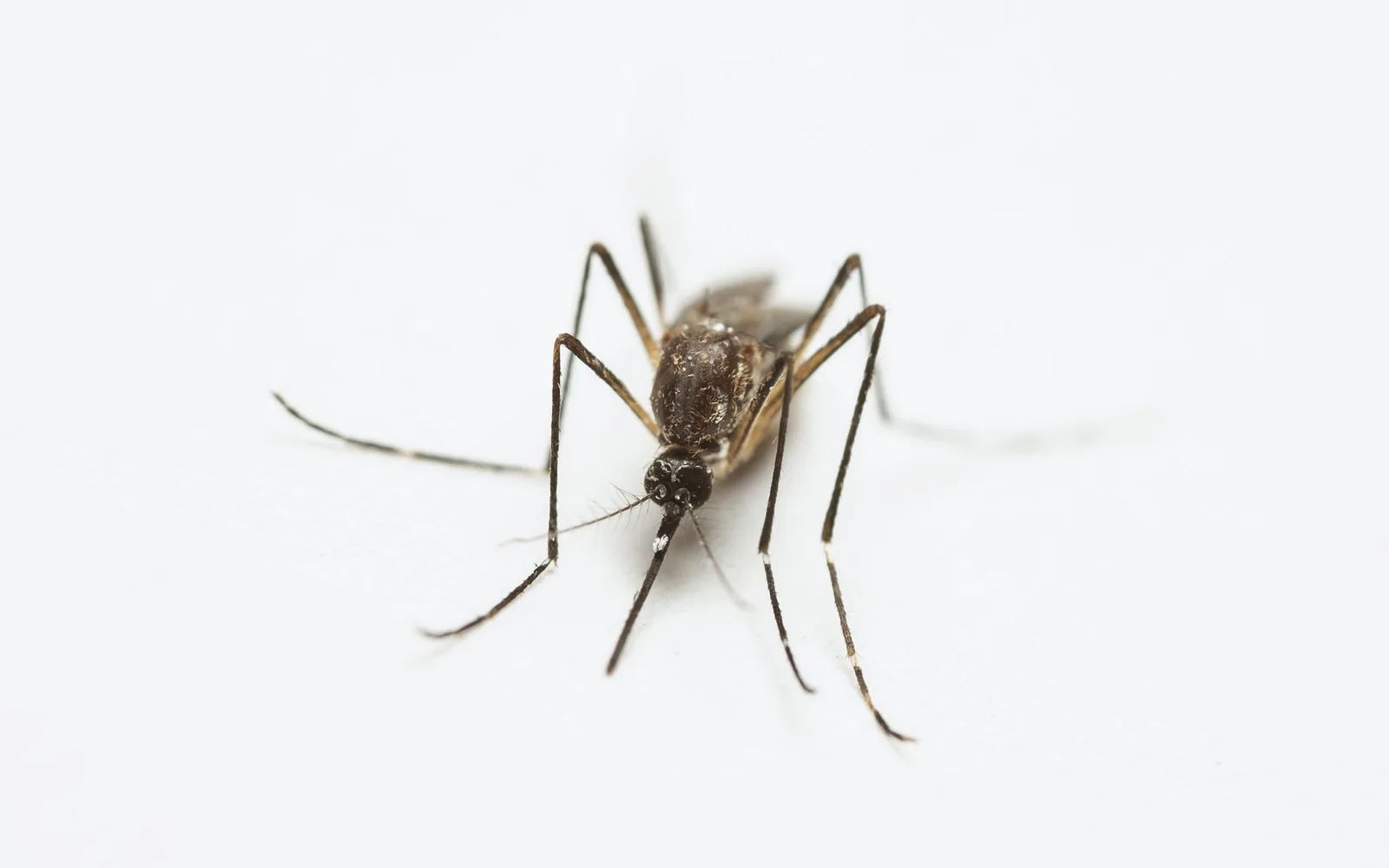
Mosquito control in Al Furusiyah Jeddah
Al Furusiyah is a new development where recent villas and flats stand among wide plots still under construction and constant excavation that disturbs soil and brings subsurface water to the surface. Large private gardens and regular irrigation, combined with exposed building sites, create a mosquito environment fundamentally different from older established districts.
-
Targeted, not broadcast
Product goes into cracks and runways, never sprayed across open surfaces.
-
Told before we start
What we will use, where it goes, and what to cover or move before we arrive.
-
A follow-up visit
We return after the first treatment, because what survives it does not show on the day.
-
Homes and businesses
Apartments and villas, and kitchens and stores that need a record of each visit.
Why they keep coming back in Al Furusiyah
New gardens need daily watering, and drip and sprinkler systems leave small pools and permanently waterlogged soil below ground. The constant disturbance of the soil by construction keeps damp conditions active even after rain stops. The method is set out in full on Mosquito control in detail.
Exposed building plots provide unsupervised mosquito shelter and breeding grounds
Excavations, open foundations and loose soil offer damp shade, elevated groundwater leaves small pools in pits, and machinery constantly moves earth and exposes more moisture. These sites remain untended between work shifts and provide ideal breeding conditions in summer.
Modern irrigation systems generate standing water below ground level
New villas have contemporary gardens and sprinklers or drip lines that pool in the soil, buried pipes leak due to thermal movement, and the black soil used in landscaping retains water longer than natural earth. These sources spread across the plot and never fully dry out.
Ongoing development and vacant plots isolate each villa from its neighbours
Each home sits surrounded by empty land and building sites, mosquitoes move easily from one construction zone to a garden to an adjoining development, and the distances between residences reduce the effect of treating a single plot without addressing the surrounding land.
Landmarks of Al Furusiyah
Work in Al Furusiyah is organised in relation to Al Furusiyah Equestrian Club, which marks the district boundary to the south, and Asfan Road to the north, where new construction zones and vacant subdivisions require extended treatment beyond individual residential lots.
- Al Furusiyah Equestrian Club
- Asfan Road
- Al Furusiyah Street
- Saeed bin Amer Mosque
- Al Rayyan Mosque
- Al Nasr Private Schools
Standing water and shade decide the method
The land is inland and away from sea humidity, but high groundwater levels and intensive digging leave soil saturated around foundations and irrigation drains. Water management here is complicated by ongoing work and shifting ground conditions.
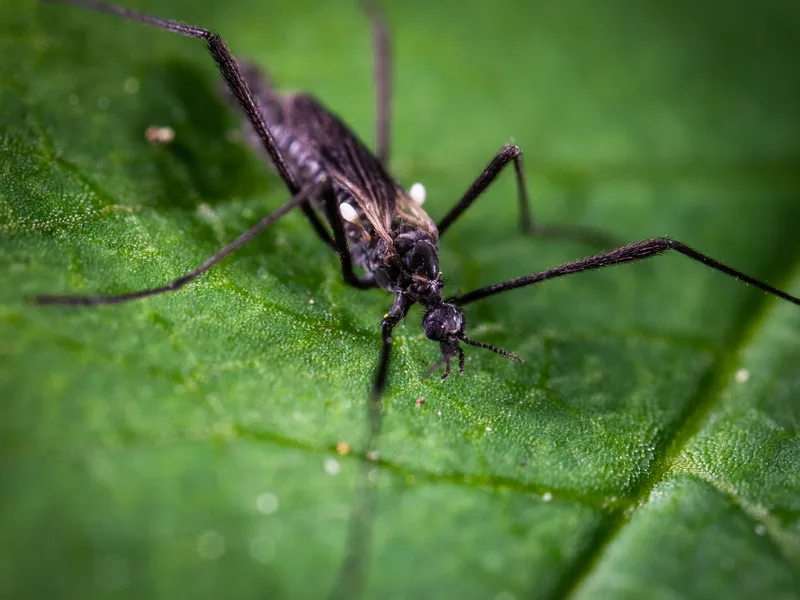
The daytime biter
Mosquitoes active by day hide beneath damp soil surfaces, dark excavations and vacant plots, waiting for rising humidity to drive them out toward homes in the afternoon.
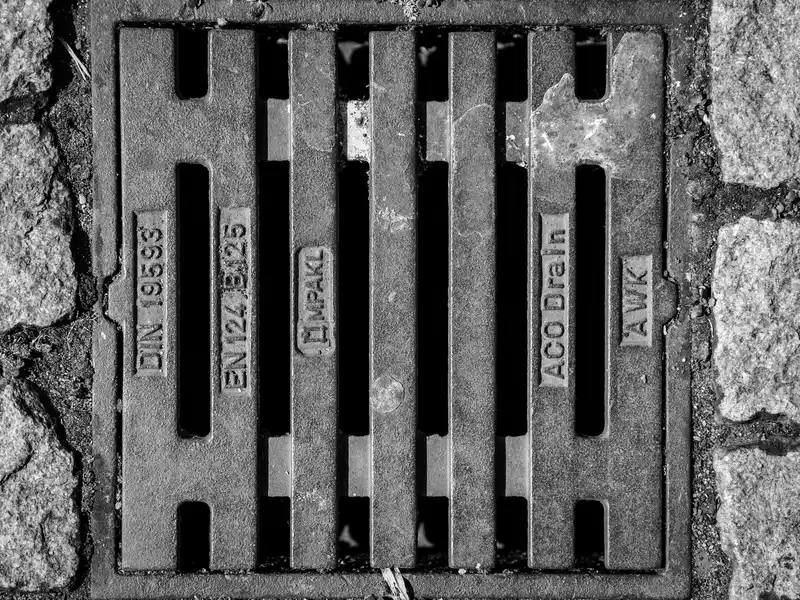
The one that comes out after sunset
After sunset, warm air pushes mosquitoes from waterlogged soil and irrigated gardens toward houses with increasing force, and they concentrate near lawns and water sources first.
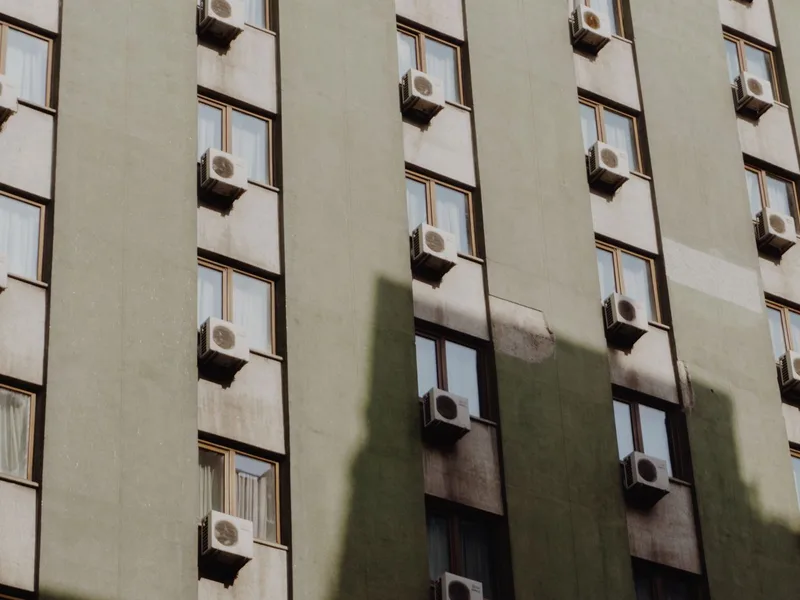
Air-conditioning condensate
Air-conditioning condensate from new villas often drains onto the ground around the building and leaves damp clay that harbours larvae and pupae near the foundation.
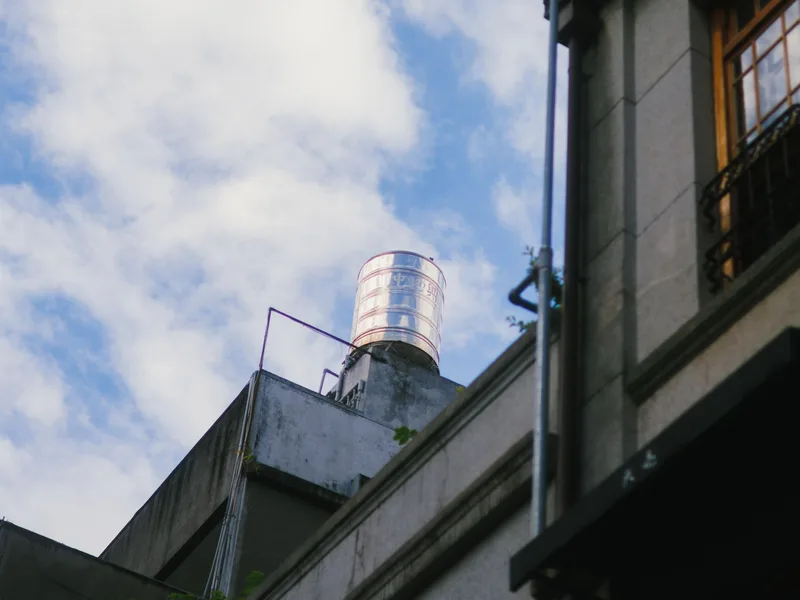
The tank and its openings
The underground storage tank and its openings in new villas often lack mesh or covers, and elevated ground around the tank opening traps water in a small basin.
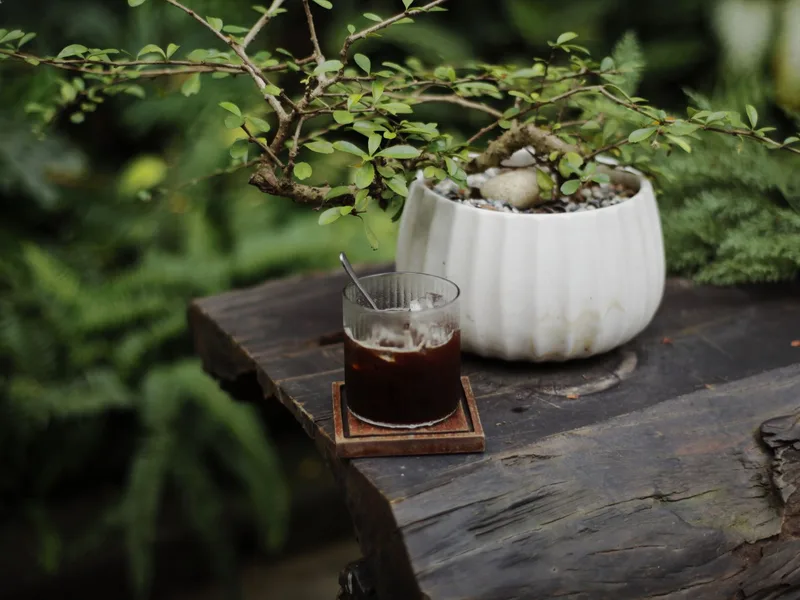
Garden containers and irrigation
Garden containers, buried pipes and sprinkler heads provide continuous water, and damp black soil offers shelter for larvae throughout the soil profile.
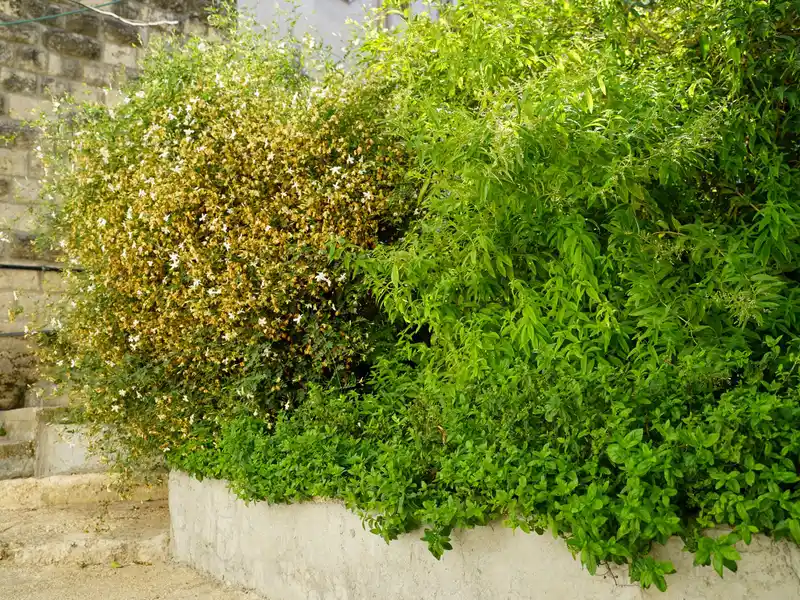
The shade it rests in
Damp shade around the villa foundation, neighbouring excavations and vacant plots provide day-resting shelter for adult mosquitoes active in the early hours before evening feeding.
How we work
-
1
Inspect and map the water
We walk the perimeter, the roof, the garden, the meter chambers and the condensate runs, record everything that holds water, and read the species from the breeding site and the time of biting.
-
2
Remove the water that can go
Empty, invert, cover: saucers, containers, old tyres and roof gullies. Every point that disappears is a treatment that never needs repeating.
-
3
Larval treatment, then the resting surfaces
Water that cannot be drained is treated so the larva never completes, then a residual goes under planting, beneath outdoor furniture and along low shaded walls.
-
4
The follow-up visit
We come back once the generation that was in the water on the first visit has completed, review every point we recorded and re-treat where needed.
What mosquito control includes
-

A recorded water survey
Roof, perimeter, garden, meter chambers and condensate lines, written down before anything is applied.
-

Draining and covering the sources
Emptying what can be emptied, draining what can be drained, and covering what has to stay full.
-

Larval treatment for the water that stays
For ground tanks, inspection chambers, water features and any permanent water that has to remain.
-

A residual on the resting places
Under trees and shrubs, beneath outdoor furniture and on shaded walls, where the adult sits out the day.
-

Aftercare instructions
What stays inverted, what gets covered, which openings need mesh, and when watering goes back to normal.
-

A scheduled follow-up
A set date after the first treatment, with every recorded water point reviewed and re-treated if the water came back.
What is different about Taybah Sub-Municipality
Taybah sub municipality covers the newly built districts of north east Jeddah along Al Haramain Road and Asfan Road. New villas and apartment buildings stand among vacant plots, building sites and half finished subdivisions. Al Hamdaniyah is the oldest and densest part with its markets and shops, while Al Furusiyah, Al Bashair, Al Rahmaniyah, Al Falah and Al Salihiyah are mostly recent. The ground is inland and away from the sea, dry and dusty, rest houses, camps and stables on the fringes draw flies and crawling insects, and constant digging and construction stirs rodents out of the empty plots.
Questions about this district
Why are there so many mosquitoes around new gardens and sprinklers in a new house?
New gardens require daily watering and sprinklers pool water around plant roots. Black topsoil retains water more than natural earth. Treatment must include water below ground level, not only visible pooling on the surface.
Are excavations around a new villa a source of mosquitoes?
Yes. Open pits offer damp shade, groundwater pools in holes, and machinery churns soil and brings moisture to the surface. Treatment here must be repeated until neighbouring construction finishes.
Can buried irrigation pipes leak and create mosquito breeding?
Yes. Underground pipes expand and contract with heat and may crack. Leaked water stays wet below ground for weeks. Checking pipes and sealing leaks significantly reduces breeding sources.
Do mosquitoes travel from vacant plots between villas into homes?
Yes, very easily, especially at dusk when humidity peaks. Insects fly from empty land directly to windows and openings. Treating a single garden is not enough to stop them.
What is the difference between an old garden with natural soil and a new one with black topsoil?
Black topsoil drains poorly and holds water longer. Roots are new and shallow so they need frequent watering. Mosquitoes favour continuous moisture over intermittent wet periods.
Why were there more mosquitoes during construction and fewer after neighbouring building finished?
Excavation and machinery supply moisture and shade, and construction workers leave containers that collect water. Once building ends, temporary shade and surface water decrease, but groundwater and gardens remain constant sources.
How much does mosquito control in Al Furusiyah cost?
It is set after the inspection, because the price follows the type of infestation, the size of the space, how far it has spread and the number of visits it needs. Send a photo and a description on WhatsApp and we will give you an estimate before we reach Al Furusiyah.
Nearby districts we cover
Other services in Al Furusiyah
Other services we provide to residents of Al Furusiyah.
-
 Residential
Cockroach control
Residential
Cockroach control
-
 Residential
Bed bug control
Residential
Bed bug control
-
 Residential
Termite control
Residential
Termite control
-
 Residential
Rodents and mice
Residential
Rodents and mice
-
 Residential
Fly control
Residential
Fly control
-
 Residential
Ant control
Residential
Ant control
-
 Residential
Gecko control
Residential
Gecko control
-
 Residential
Scorpion control
Residential
Scorpion control
-
 Residential
Snake control
Residential
Snake control
-
 Residential
Flea control
Residential
Flea control
-
 Residential
Bird and pigeon control
Residential
Bird and pigeon control
-
 Residential
Preventive treatment
Residential
Preventive treatment
-
 Residential
Disinfection
Residential
Disinfection
-
 Commercial
Annual contracts
Commercial
Annual contracts
-
 Commercial
Restaurants and cafes
Commercial
Restaurants and cafes
-
 Commercial
Hotels and apartments
Commercial
Hotels and apartments
-
 Commercial
Warehouses and factories
Commercial
Warehouses and factories
-
 Commercial
Schools and nurseries
Commercial
Schools and nurseries
-
 Commercial
Retail and malls
Commercial
Retail and malls
-
 Commercial
Rest houses and farms
Commercial
Rest houses and farms
-
 Commercial
Fumigation
Commercial
Fumigation
-
 Water tanks
Water tank cleaning
Water tanks
Water tank cleaning
-
 Water tanks
Water tank sterilization
Water tanks
Water tank sterilization
-
 Water tanks
Water tank sealing
Water tanks
Water tank sealing
-
 Water tanks
Tank leak repair
Water tanks
Tank leak repair
Need mosquito control in Al Furusiyah? Tell us what you saw and we will tell you what it needs
We reach Al Furusiyah at a time we agree, and you get the full cost before we start.