
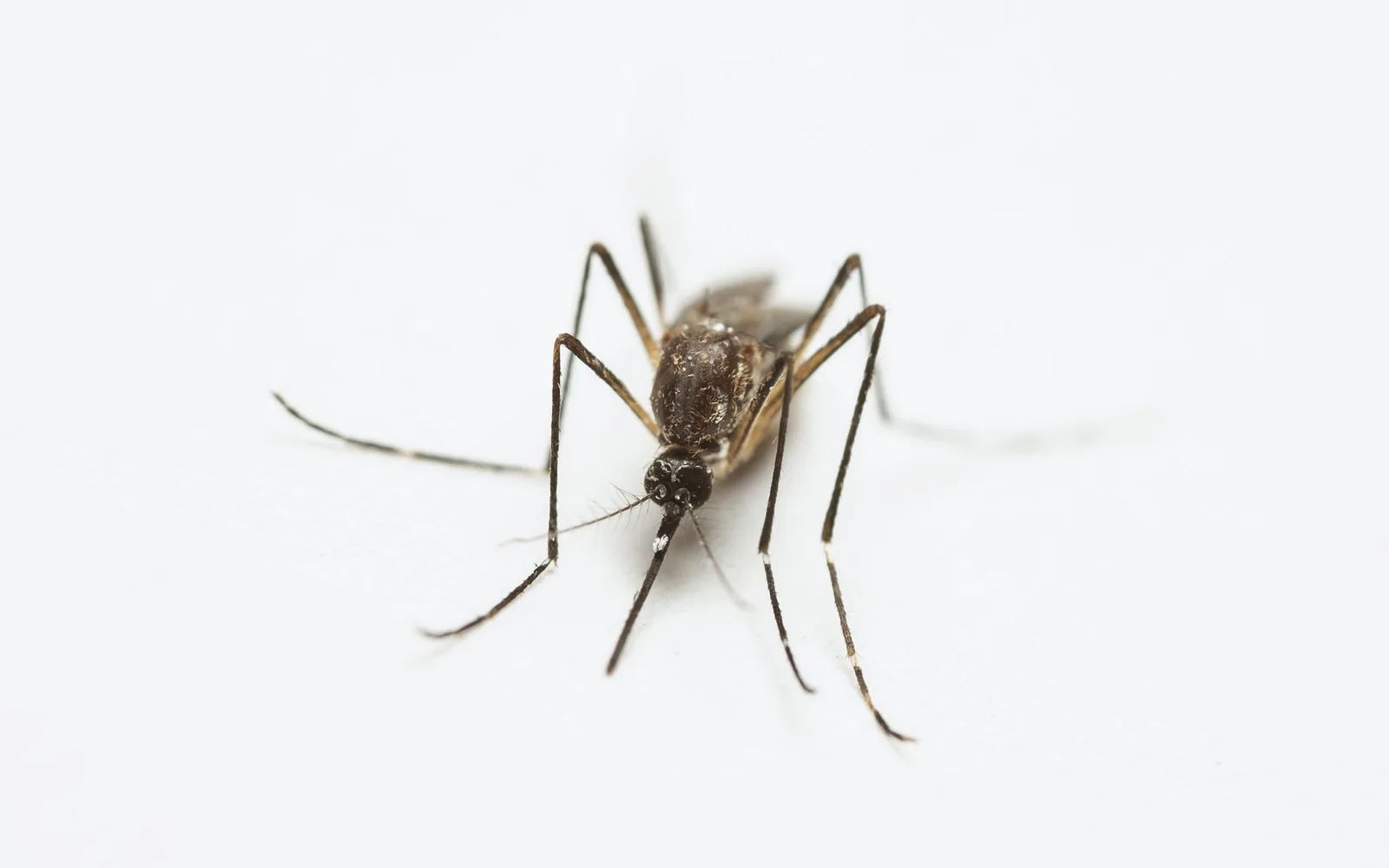
Mosquito control in Al Harazat Jeddah
Al Harazat is a densely packed residential district that grew rapidly on former agricultural land through informal subdivisions. The drainage infrastructure has never caught up with the population, water pools in narrow streets and cannot evaporate quickly, and buildings stand so close that mosquitoes travel freely from one apartment to the next. Humidity is trapped year round.
-
Targeted, not broadcast
Product goes into cracks and runways, never sprayed across open surfaces.
-
Told before we start
What we will use, where it goes, and what to cover or move before we arrive.
-
A follow-up visit
We return after the first treatment, because what survives it does not show on the day.
-
Homes and businesses
Apartments and villas, and kitchens and stores that need a record of each visit.
Why they keep coming back in Al Harazat
In Al Harazat the windows and air vents of neighbouring flats are so close that a mosquito colony bred in one apartment drifts effortlessly into the next within days of emergence. The method is set out in full on Mosquito control in detail.
Narrow streets trap water and humidity indefinitely
Streets in Al Harazat are narrower than modern standards, creating pockets where water gathers in ruts and cannot dry quickly. Buildings block air circulation, so humidity stays high even in dry weather. Larval breeding is continuous.
Shared drainage is older than the district itself
The neighbourhood was built quickly and the original agricultural drainage lines beneath it are still the main sewer system. Water collects in underground voids and inter-building cavities that no single apartment owner can access or maintain.
Population density accelerates spread between units
Window to window distance is minimal, permitting immediate migration of adults from treated flats to untreated neighbours. Single apartment treatment fails because adjacent units replenish the colony within days of emergence.
Al Harazat on the map
Al Harazat sits about 4.5 km from Umm Al Salam and about 5.5 km from Al Mahamid.
Open in Google MapsStanding water and shade decide the method
The district was built outside municipal planning regulations on land with inadequate stormwater capacity. Narrow streets and tight building spacing mean standing water persists for days after rain or irrigation.
The daytime biter
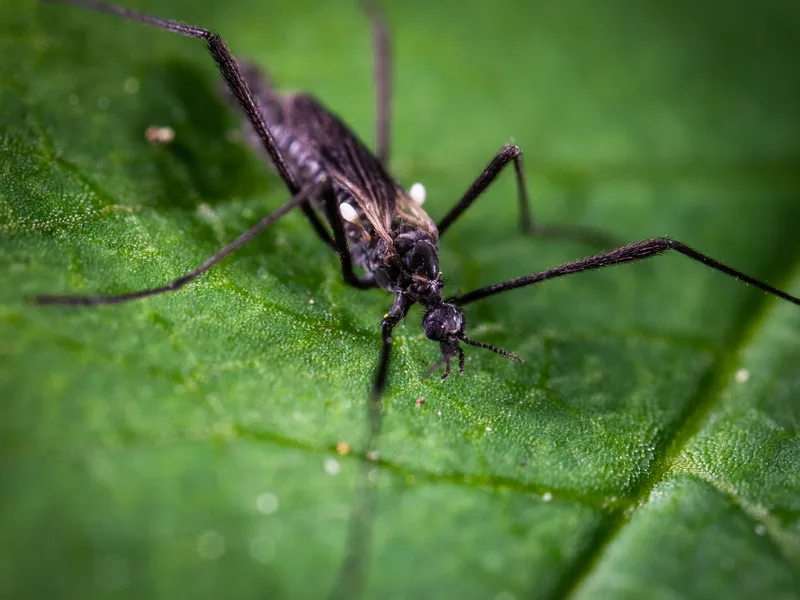
Daytime mosquitoes in Al Harazat rest in the cavities between buildings and the shadowed corners of narrow streets where air does not move and humidity stays high.
The one that comes out after sunset
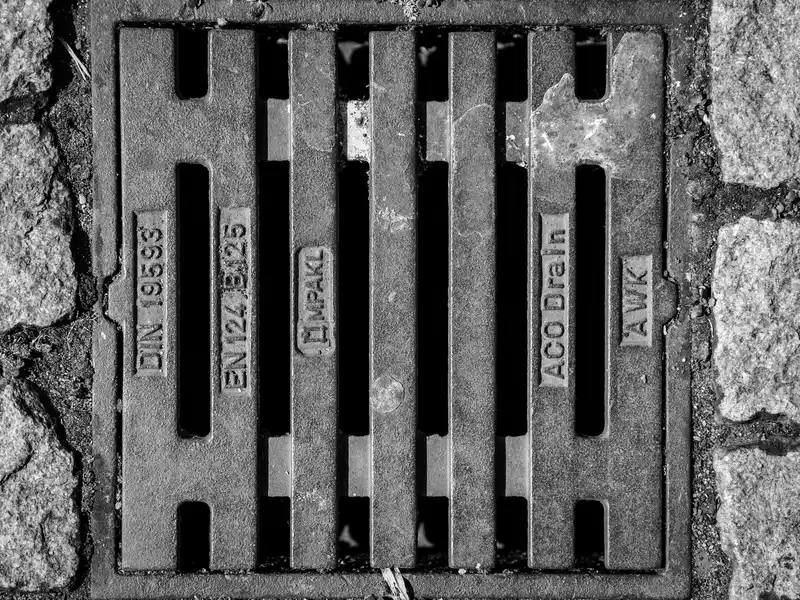
After sunset the colonies emerge from underground voids and shared drains, with the heaviest flight occurring in every narrow passage and between buildings after dusk.
Air-conditioning condensate
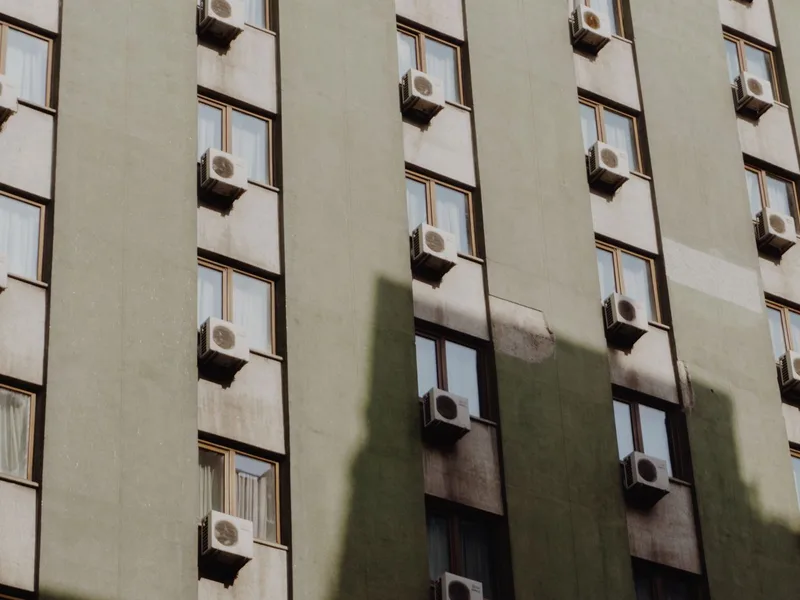
Each apartment air conditioner leaks water that pools immediately outside windows and in foundation cracks, creating dozens of micro breeding sites across the district.
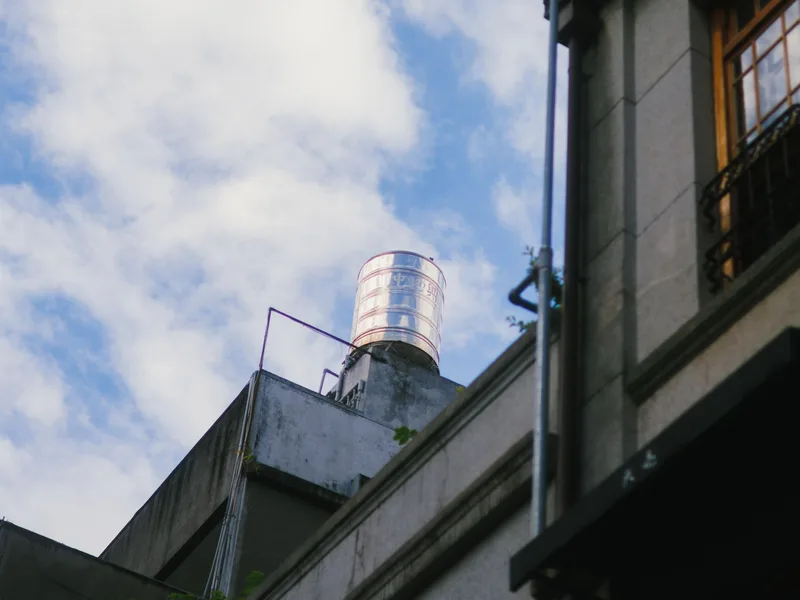
The tank and its openings
Water tanks are filled from the shared underground main that also feeds drainage, meaning tank water may be contaminated and attracts mosquitoes that would ignore clean systems.

Garden containers and irrigation
Small courtyard gardens and pot plants are common, daily watering is necessary in the heat, and overflow water runs into gaps and cavities beneath the buildings.
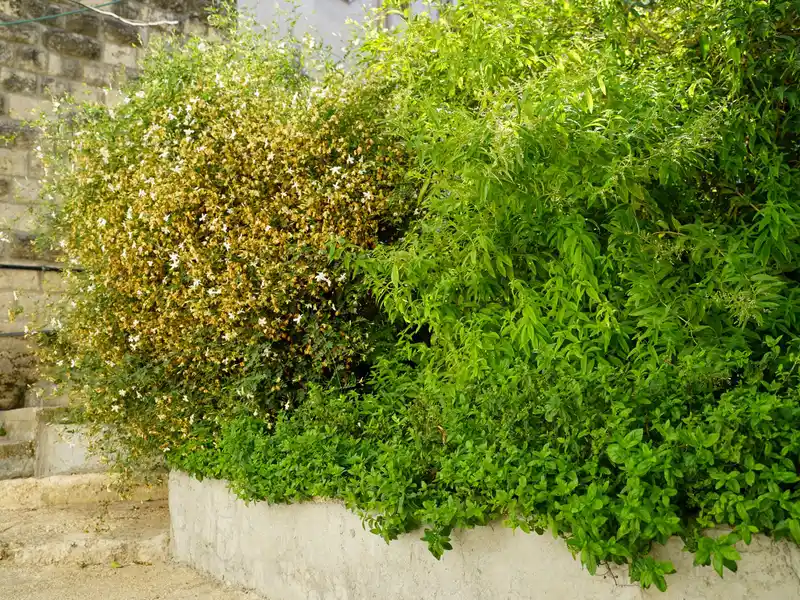
The shade it rests in
Permanent shade fills the narrow alleys between buildings, creating cool refuges where adults rest by day, and the trapped humidity prevents the desiccation that would naturally kill them.
How we work
-
1
Inspect and map the water
We walk the perimeter, the roof, the garden, the meter chambers and the condensate runs, record everything that holds water, and read the species from the breeding site and the time of biting.
-
2
Remove the water that can go
Empty, invert, cover: saucers, containers, old tyres and roof gullies. Every point that disappears is a treatment that never needs repeating.
-
3
Larval treatment, then the resting surfaces
Water that cannot be drained is treated so the larva never completes, then a residual goes under planting, beneath outdoor furniture and along low shaded walls.
-
4
The follow-up visit
We come back once the generation that was in the water on the first visit has completed, review every point we recorded and re-treat where needed.
What mosquito control includes
-

A recorded water survey
Roof, perimeter, garden, meter chambers and condensate lines, written down before anything is applied.
-

Draining and covering the sources
Emptying what can be emptied, draining what can be drained, and covering what has to stay full.
-

Larval treatment for the water that stays
For ground tanks, inspection chambers, water features and any permanent water that has to remain.
-

A residual on the resting places
Under trees and shrubs, beneath outdoor furniture and on shaded walls, where the adult sits out the day.
-

Aftercare instructions
What stays inverted, what gets covered, which openings need mesh, and when watering goes back to normal.
-

A scheduled follow-up
A set date after the first treatment, with every recorded water point reviewed and re-treated if the water came back.
The character of Al Harazat
Apartment district: residential blocks, repeated floors and shared entrances
In Al Harazat's dense apartment district, flats are so closely spaced that a mosquito colony bred in one unit drifts into neighbours within forty-eight hours of emergence. Treating a single apartment leaves you neighbour-dependent.
Questions about this district
Why does Al Harazat have more mosquitoes than newer districts?
The district grew on old farmland and was never replanned. Original agricultural drainage runs beneath it remain the primary sewer, with weak capacity and poor gradient. Water collects in underground gaps and remains standing.
Do the narrow streets actually cause the mosquito problem?
Yes. Narrow streets trap air and humidity, and rainwater or irrigation remains on the surface longer. The shade and moisture create continuous breeding conditions. Drying times are half those in wider, sunlit areas.
Do mosquitoes move freely between flats in this district?
Extremely freely. Windows are metres apart, air intakes nearly touch, and adult mosquitoes navigate the distance easily. If you treat one flat, neighbours will introduce new colonies within two days of adult emergence.
Does garden watering in small courtyards feed the problem?
Garden water and rooftop runoff do contribute, but the primary source is the ancient drainage system trapped underground. Overflow from that system creates standing water independent of household watering practices.
Does treatment need to happen more often here than in other areas?
Yes. Environmental conditions in Al Harazat support continuous breeding and cross-flat migration is rapid. Treatment intervals must be shorter and geographically broader to contain the population.
Does the mosquito population explode immediately after heavy rain?
Yes, visibly and within three days. The narrow streets and poor drainage create hundreds of temporary pools, each one a larval breeding site, and the cohesion of flats means they mature together.
How much does mosquito control in Al Harazat cost?
It is set after the inspection, because the price follows the type of infestation, the size of the space, how far it has spread and the number of visits it needs. Send a photo and a description on WhatsApp and we will give you an estimate before we reach Al Harazat.
Nearby districts we cover
Other services in Al Harazat
Other services we provide to residents of Al Harazat.
-
 Residential
Cockroach control
Residential
Cockroach control
-
 Residential
Bed bug control
Residential
Bed bug control
-
 Residential
Termite control
Residential
Termite control
-
 Residential
Rodents and mice
Residential
Rodents and mice
-
 Residential
Fly control
Residential
Fly control
-
 Residential
Ant control
Residential
Ant control
-
 Residential
Gecko control
Residential
Gecko control
-
 Residential
Scorpion control
Residential
Scorpion control
-
 Residential
Snake control
Residential
Snake control
-
 Residential
Flea control
Residential
Flea control
-
 Residential
Bird and pigeon control
Residential
Bird and pigeon control
-
 Residential
Preventive treatment
Residential
Preventive treatment
-
 Residential
Disinfection
Residential
Disinfection
-
 Commercial
Annual contracts
Commercial
Annual contracts
-
 Commercial
Restaurants and cafes
Commercial
Restaurants and cafes
-
 Commercial
Hotels and apartments
Commercial
Hotels and apartments
-
 Commercial
Warehouses and factories
Commercial
Warehouses and factories
-
 Commercial
Schools and nurseries
Commercial
Schools and nurseries
-
 Commercial
Retail and malls
Commercial
Retail and malls
-
 Commercial
Rest houses and farms
Commercial
Rest houses and farms
-
 Commercial
Fumigation
Commercial
Fumigation
-
 Water tanks
Water tank cleaning
Water tanks
Water tank cleaning
-
 Water tanks
Water tank sterilization
Water tanks
Water tank sterilization
-
 Water tanks
Water tank sealing
Water tanks
Water tank sealing
-
 Water tanks
Tank leak repair
Water tanks
Tank leak repair
Need mosquito control in Al Harazat? Tell us what you saw and we will tell you what it needs
We reach Al Harazat at a time we agree, and you get the full cost before we start.