
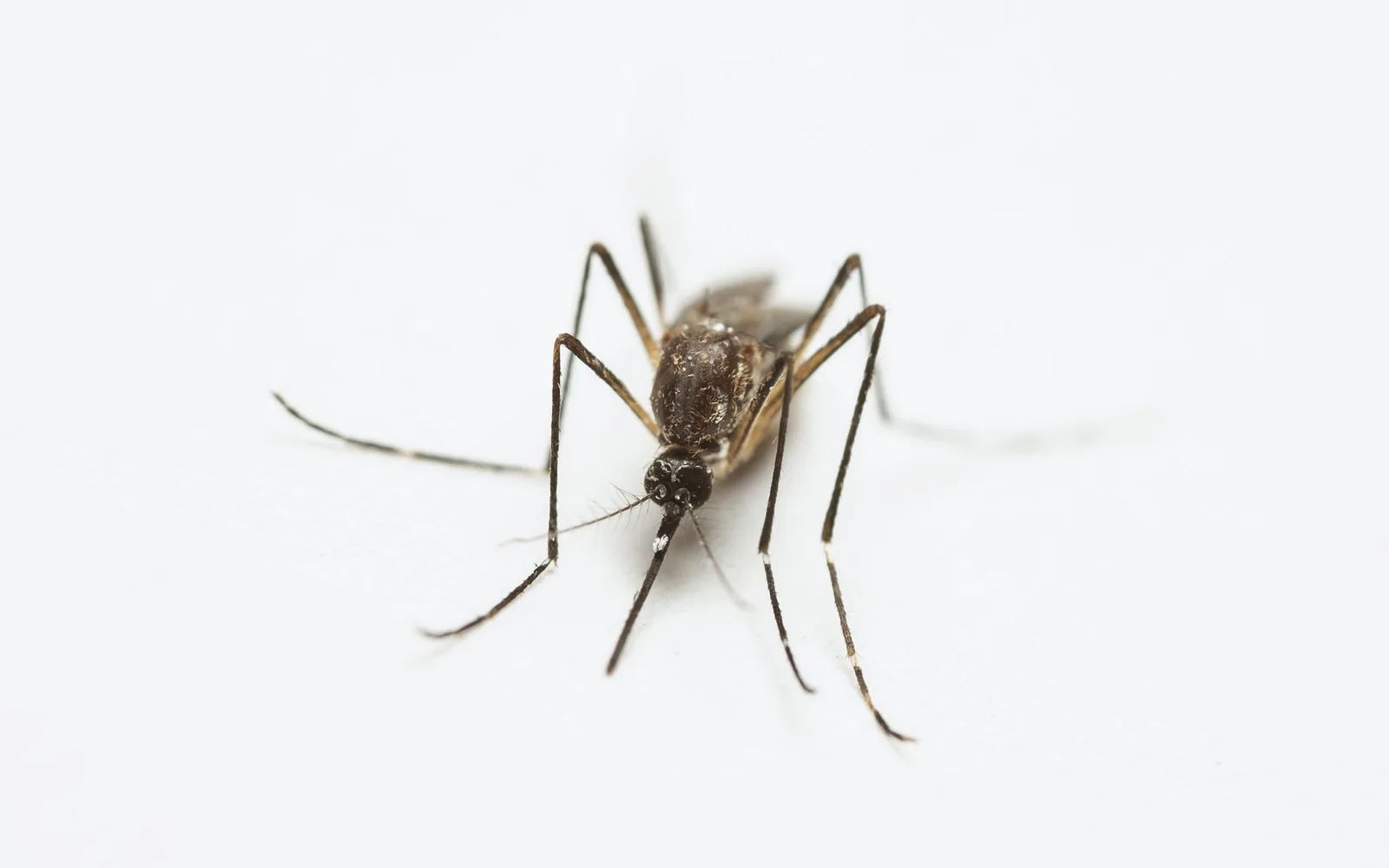
Mosquito control in Al Rawabi Makkah
Al Rawabi is a district south of the Grand Mosque carved from a range of hills, its slopes cut through by deep tunnels that carry the Ajyad to Kudai road from the western side to the eastern. These tunnels allow groundwater seepage and trap persistent moisture, and the soil beneath the high rise blocks holds far more standing water than any flat planned area.
-
Targeted, not broadcast
Product goes into cracks and runways, never sprayed across open surfaces.
-
Told before we start
What we will use, where it goes, and what to cover or move before we arrive.
-
A follow-up visit
We return after the first treatment, because what survives it does not show on the day.
-
Homes and businesses
Apartments and villas, and kitchens and stores that need a record of each visit.
Why they keep coming back in Al Rawabi
The underground tunnels maintain constant humidity and provide a natural breeding refuge for mosquitoes even through the dry season, and many residents are unaware their problem originates in the rock and earth beneath their feet. The method is set out in full on how we approach Mosquito control.
Moisture in the underground tunnels
The tunnels that bore through the hill to carry the Ajyad Kudai road maintain high humidity and provide a safe haven for mosquitoes protected from the extreme heat of the surface. Treatment must reach these tunnels because they are a continuous breeding reservoir that will repopulate buildings above.
Damp soil beneath the high rise blocks
The tall apartment buildings were built on hillsides after earth moved and graded the slopes. Groundwater seeps from the foundations and collects in lower floor apartments and basement levels, particularly in rainy seasons and after the construction dewatering is complete.
Leakage points in foundations and tunnel walls
The tunnels, basement levels and underground plant rooms in Al Rawabi may leak water from their walls and floors, and these small seepage points become protected breeding sites that cannot easily be reached except with repeated spraying.
Landmarks of Al Rawabi
Al Rawabi lies along the Ajyad Kudai Road, the route that cuts through the deep hillside tunnels. Work is coordinated with tunnel administration and Al Rawabi Garden, which sits on the hilltop above the buildings, where irrigation runoff drains downward through the soil to reach the foundations below.
- Rai Bakhsh
- Ajyad Kudai Road
- Kudai Ajyad Tunnel
- Al Rawabi Garden
- Jabal Khandamah
Standing water and shade decide the method
Al Rawabi is a hillside district with deep underground tunnels and passages built through the bedrock. These subterranean structures collect and trap groundwater and surface moisture year round, creating a damp environment completely unlike the terrain outside.
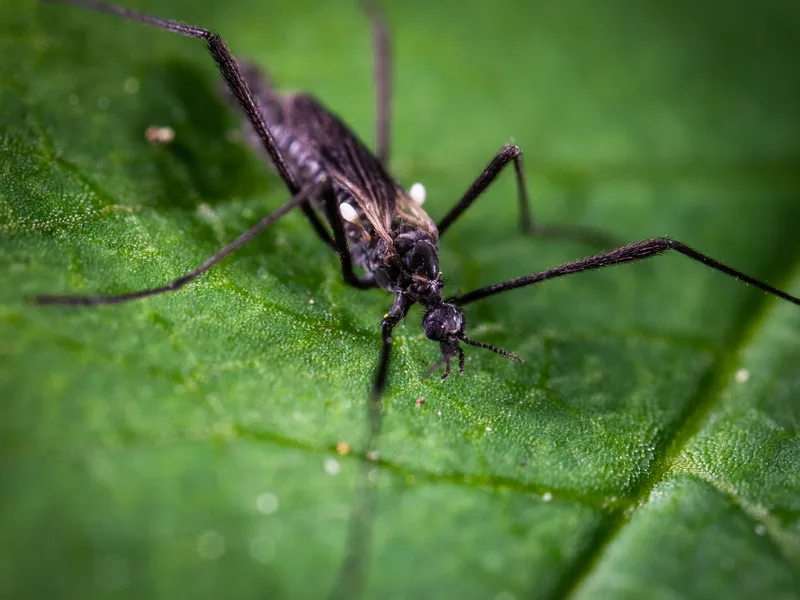
The daytime biter
Day biting mosquitoes in Al Rawabi rest in the dark underground tunnels and passages where the humidity is high and the temperature is cooler than the surface.
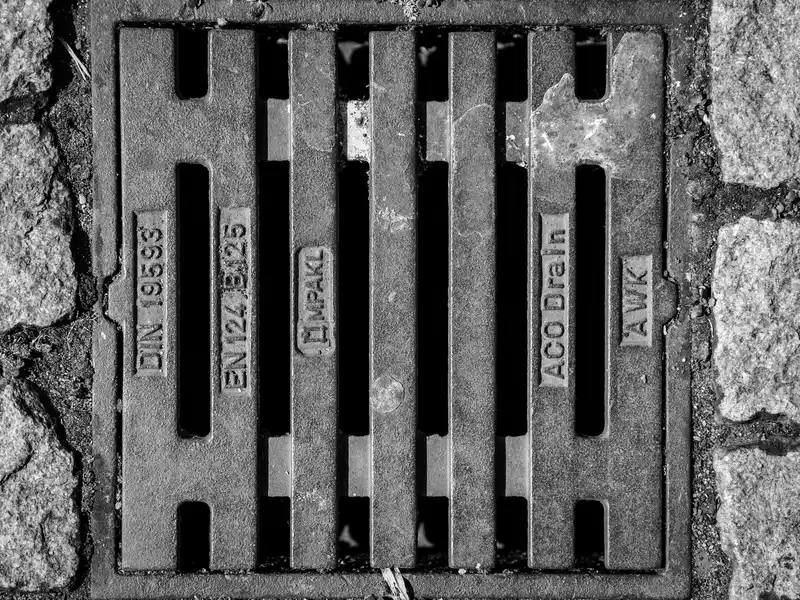
The one that comes out after sunset
After sunset the adults fly from the tunnels upwards into the apartment blocks, seeking warm enclosed spaces where they can feed and lay eggs overnight.
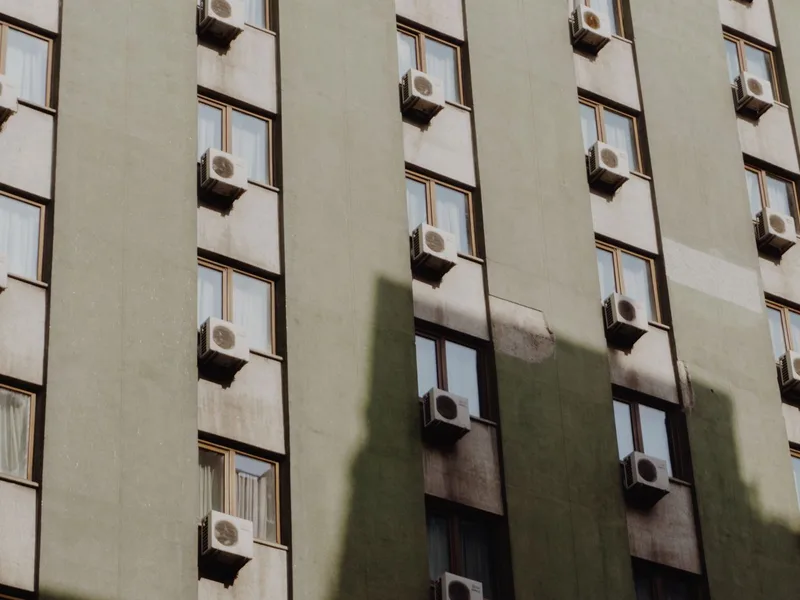
Air-conditioning condensate
Air conditioning condensate from each flat drains to concrete surfaces and channels, then spills into gaps and cavities beneath the building footings.
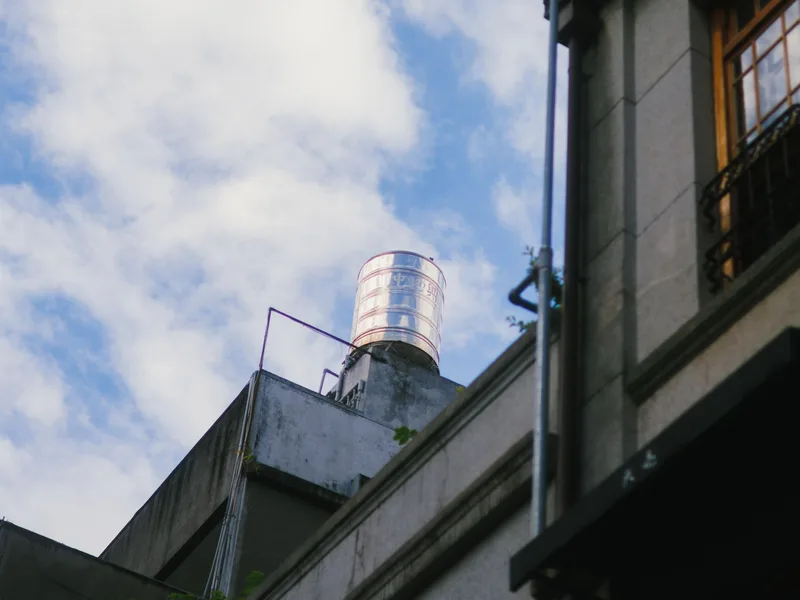
The tank and its openings
Water tanks in individual flats may leak into the lower storeys and basement levels, particularly older tanks that no longer receive regular inspection and maintenance.
Garden containers and irrigation
Irrigation in Al Rawabi Park seeps onto the slopes and percolates deep into the hillside soil, eventually moving beneath the building footings where it collects in multiple water pockets.
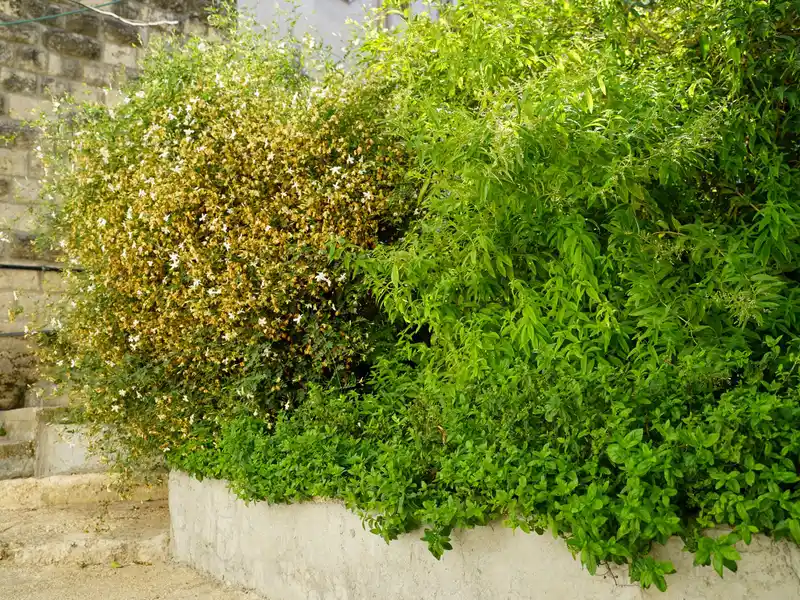
The shade it rests in
The shaded rest areas for adult mosquitoes are the underground tunnels and darkened passages, the shadowed entrance halls of the tall towers where temperature and humidity remain stable through the entire day.
How we work
-
1
Inspect and map the water
We walk the perimeter, the roof, the garden, the meter chambers and the condensate runs, record everything that holds water, and read the species from the breeding site and the time of biting.
-
2
Remove the water that can go
Empty, invert, cover: saucers, containers, old tyres and roof gullies. Every point that disappears is a treatment that never needs repeating.
-
3
Larval treatment, then the resting surfaces
Water that cannot be drained is treated so the larva never completes, then a residual goes under planting, beneath outdoor furniture and along low shaded walls.
-
4
The follow-up visit
We come back once the generation that was in the water on the first visit has completed, review every point we recorded and re-treat where needed.
What mosquito control includes
-

A recorded water survey
Roof, perimeter, garden, meter chambers and condensate lines, written down before anything is applied.
-

Draining and covering the sources
Emptying what can be emptied, draining what can be drained, and covering what has to stay full.
-

Larval treatment for the water that stays
For ground tanks, inspection chambers, water features and any permanent water that has to remain.
-

A residual on the resting places
Under trees and shrubs, beneath outdoor furniture and on shaded walls, where the adult sits out the day.
-

Aftercare instructions
What stays inverted, what gets covered, which openings need mesh, and when watering goes back to normal.
-

A scheduled follow-up
A set date after the first treatment, with every recorded water point reviewed and re-treated if the water came back.
What is different about Al Misfalah Sub-Municipality
Al Misfalah sub municipality runs downhill from the south of the Grand Mosque through Al Misfalah, Kudai and Al Rawabi to Al Taqwa, Al Hindawiyah, Al Khalidiyah and Al Rusayfah at the third ring road. The northern end is old apartment blocks and pilgrim hotels with restaurants along Ibrahim Al Khalil Street and the huge coach parks at Kudai. The south and west are dense popular districts with countless small shops and unplanned hillside housing, some of it already cleared for redevelopment, giving way to orderly land grant schemes in Al Rusayfah beside the railway station.
Questions about this district
Are the tunnels beneath the hills the main mosquito source here?
Yes, the tunnels maintain steady humidity throughout the year and shield mosquitoes from intense surface heat, making them ideal for continuous breeding. Even if we treat the flats alone, mosquitoes will return from the tunnels below the buildings.
Can the tunnels and underground passages be treated?
Yes, but it requires coordination with building management and the municipality because some tunnels may be sealed or under maintenance. Treatment should focus on leakage points and any wet floor areas where larvae can develop.
Why is mosquito control more difficult in Al Rawabi than in flat areas?
Al Rawabi is built on a hill riddled with tunnels and passages. Groundwater moves easily beneath the foundations and pools at multiple points. Flat planned areas do not face this underground hydrology problem.
Does rainfall increase mosquitoes in Al Rawabi more than the rest of Makkah?
Yes, rainfall fills the tunnels and subterranean cavities with additional water, and because the hillside drains slowly, the water remains standing for weeks, giving mosquitoes time to complete their breeding cycle.
Is treating one flat enough or must the whole building be treated?
Treating a single flat provides only temporary relief because mosquitoes return from the tunnels and neighbouring buildings. Seasonal treatment of the entire structure and tunnel inspection offers the most durable solution.
Do Al Rawabi Park and Jabal Khandamah contribute to the mosquito problem?
The park and hillside may contribute in some cases if watering is irregular, but the primary source is the groundwater beneath the foundations and the tunnel system itself.
How much does mosquito control in Al Rawabi cost?
It is set after the inspection, because the price follows the type of infestation, the size of the space, how far it has spread and the number of visits it needs. Send a photo and a description on WhatsApp and we will give you an estimate before we reach Al Rawabi.
Nearby districts we cover
Other services in Al Rawabi
Other services we provide to residents of Al Rawabi.
-
 Residential
Cockroach control
Residential
Cockroach control
-
 Residential
Bed bug control
Residential
Bed bug control
-
 Residential
Termite control
Residential
Termite control
-
 Residential
Rodents and mice
Residential
Rodents and mice
-
 Residential
Fly control
Residential
Fly control
-
 Residential
Ant control
Residential
Ant control
-
 Residential
Gecko control
Residential
Gecko control
-
 Residential
Scorpion control
Residential
Scorpion control
-
 Residential
Snake control
Residential
Snake control
-
 Residential
Flea control
Residential
Flea control
-
 Residential
Bird and pigeon control
Residential
Bird and pigeon control
-
 Residential
Preventive treatment
Residential
Preventive treatment
-
 Residential
Disinfection
Residential
Disinfection
-
 Commercial
Annual contracts
Commercial
Annual contracts
-
 Commercial
Restaurants and cafes
Commercial
Restaurants and cafes
-
 Commercial
Hotels and apartments
Commercial
Hotels and apartments
-
 Commercial
Warehouses and factories
Commercial
Warehouses and factories
-
 Commercial
Schools and nurseries
Commercial
Schools and nurseries
-
 Commercial
Retail and malls
Commercial
Retail and malls
-
 Commercial
Rest houses and farms
Commercial
Rest houses and farms
-
 Commercial
Fumigation
Commercial
Fumigation
-
 Water tanks
Water tank cleaning
Water tanks
Water tank cleaning
-
 Water tanks
Water tank sterilization
Water tanks
Water tank sterilization
-
 Water tanks
Water tank sealing
Water tanks
Water tank sealing
-
 Water tanks
Tank leak repair
Water tanks
Tank leak repair
Need mosquito control in Al Rawabi? Tell us what you saw and we will tell you what it needs
We reach Al Rawabi at a time we agree, and you get the full cost before we start.