
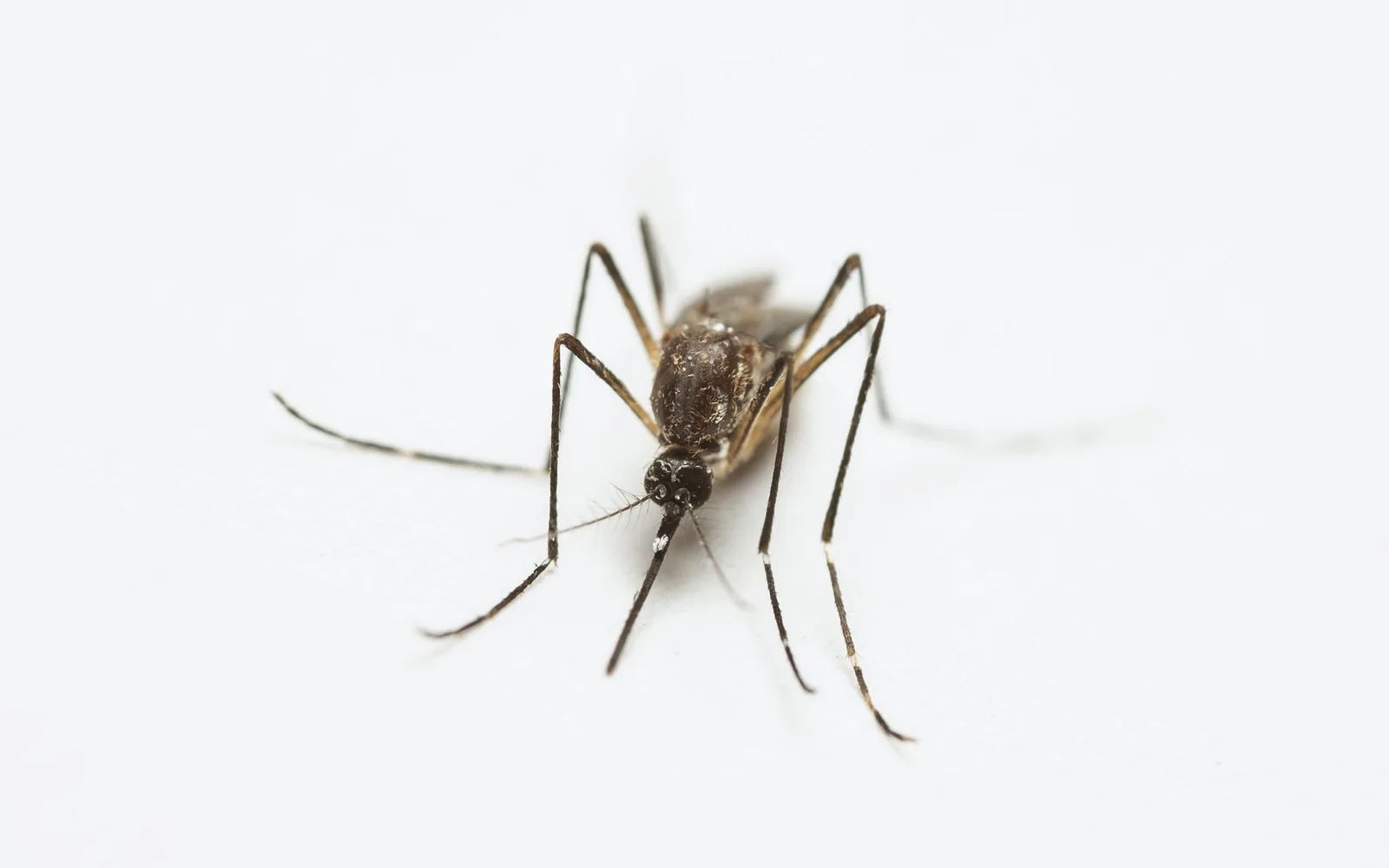
Mosquito control in Bathaa Quraish Makkah
Bathaa Quraish is a mixed district south west of the Grand Mosque, shops at street level with homes above, and around every shop pooled water from watering and cleaning. Jabal Thawr rises over the district and separates it from Al Hijrah, and mosquitoes here move easily from shops into houses. Multiple sources feed one problem.
-
Targeted, not broadcast
Product goes into cracks and runways, never sprayed across open surfaces.
-
Told before we start
What we will use, where it goes, and what to cover or move before we arrive.
-
A follow-up visit
We return after the first treatment, because what survives it does not show on the day.
-
Homes and businesses
Apartments and villas, and kitchens and stores that need a record of each visit.
Why they keep coming back in Bathaa Quraish
In Bathaa Quraish, ground-floor shops, especially groceries and restaurants, provide water and food constantly for mosquitoes. The method is set out in full on what Mosquito control involves.
Shops and exposed water on floors
Food shops and groceries use much water. Shop floors stay damp at all times. Fruit and vegetable boxes hold water. Cleaning water spills onto the already moist floors.
Jabal Thawr and moisture rising from the slopes
Jabal Thawr is very close and the soil beneath the district is damp from water seeping from the slope. Moisture rises through foundations and keeps every ground floor damp.
Gardens and scheduled watering around government buildings
Courts, schools and the library are ringed with gardens. Regular watering adds water constantly. This water spills into the street and onto land between shops and homes.
The character of Bathaa Quraish
Mixed district: shops at street level with homes above them
Mixing shops with homes in a district next to Jabal Thawr and government buildings means mosquito sources are multiple and overlapping. Shops supply water and food, gardens supply continuous watering, the hill supplies rising moisture. Treatment requires coordination with shop owners and government agencies together.
Standing water and shade decide the method
The district sits at moderate elevation south of the Haram, with the Fourth Ring Road cutting through. The soil is clay and watering in courts, schools and government gardens adds water continually.
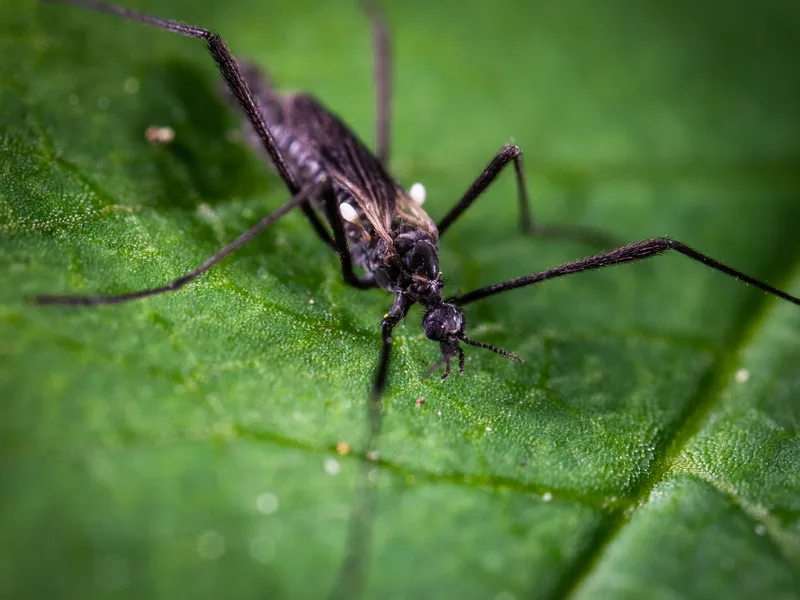
The daytime biter
The daytime mosquito in Bathaa Quraish hides in shaded corners of shops and narrow passages between houses.
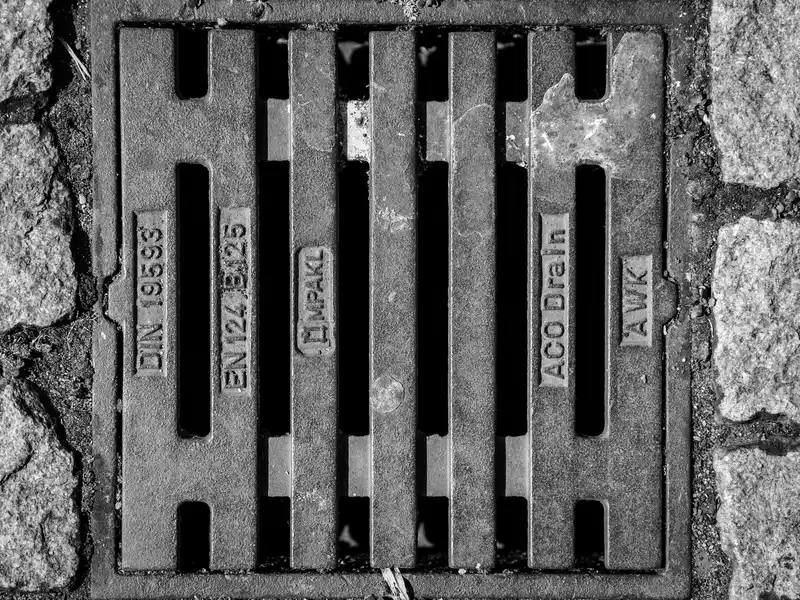
The one that comes out after sunset
In the evening it emerges from shop floors and moisture rising from foundations to seek hosts in the flats.
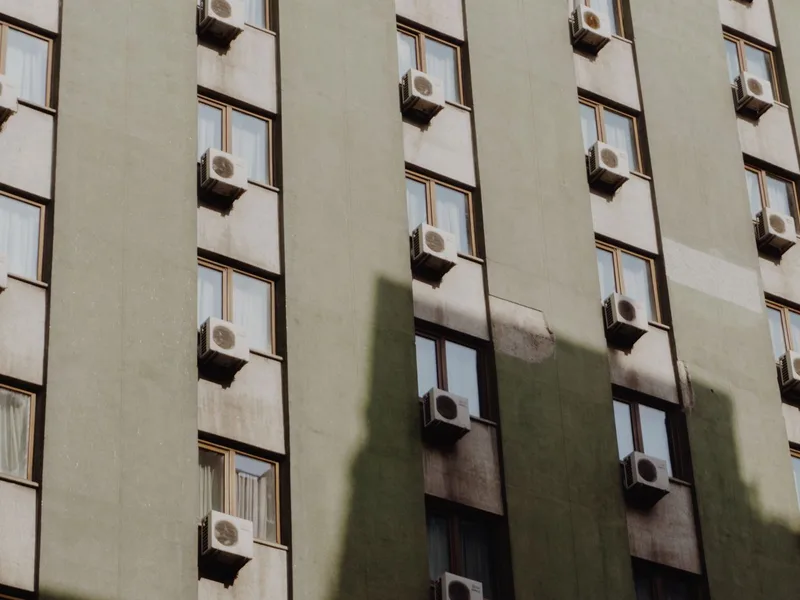
Air-conditioning condensate
Water from air-conditioning in shops and government buildings runs down to shared floors and soil.
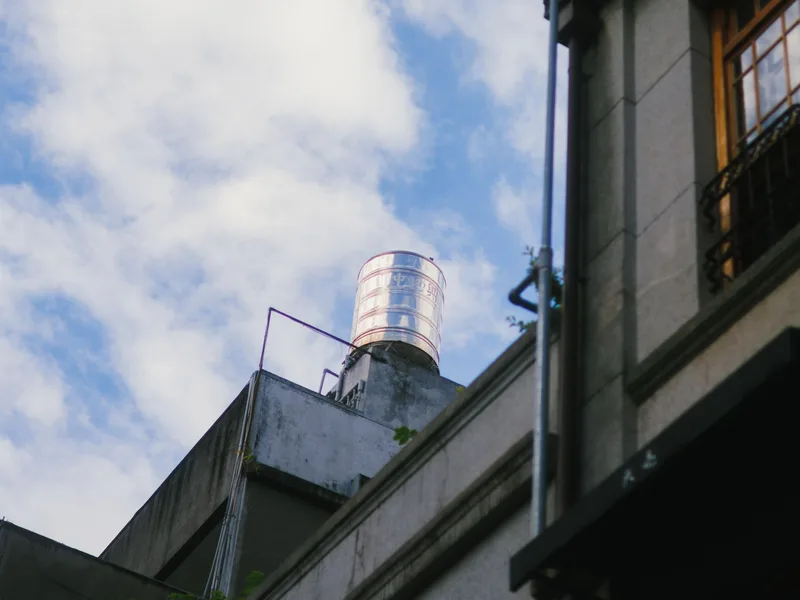
The tank and its openings
Water tanks on roofs and in shared areas may be sources if their openings are uncovered.
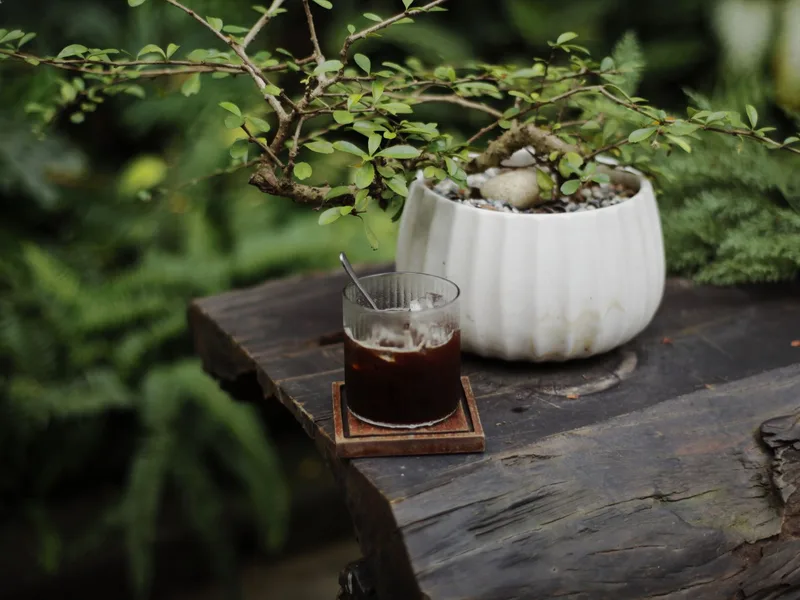
Garden containers and irrigation
Regular watering in government gardens runs down into the street and low areas around homes.
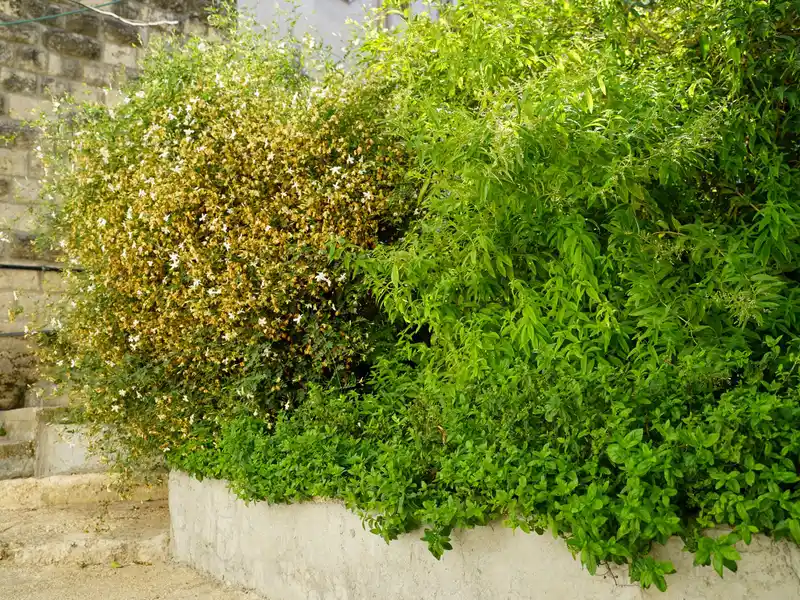
The shade it rests in
Constant shade between shops and low ceilings and close Jabal Thawr makes every low zone a safe shelter for adult mosquitoes.
How we work
-
1
Inspect and map the water
We walk the perimeter, the roof, the garden, the meter chambers and the condensate runs, record everything that holds water, and read the species from the breeding site and the time of biting.
-
2
Remove the water that can go
Empty, invert, cover: saucers, containers, old tyres and roof gullies. Every point that disappears is a treatment that never needs repeating.
-
3
Larval treatment, then the resting surfaces
Water that cannot be drained is treated so the larva never completes, then a residual goes under planting, beneath outdoor furniture and along low shaded walls.
-
4
The follow-up visit
We come back once the generation that was in the water on the first visit has completed, review every point we recorded and re-treat where needed.
What mosquito control includes
-

A recorded water survey
Roof, perimeter, garden, meter chambers and condensate lines, written down before anything is applied.
-

Draining and covering the sources
Emptying what can be emptied, draining what can be drained, and covering what has to stay full.
-

Larval treatment for the water that stays
For ground tanks, inspection chambers, water features and any permanent water that has to remain.
-

A residual on the resting places
Under trees and shrubs, beneath outdoor furniture and on shaded walls, where the adult sits out the day.
-

Aftercare instructions
What stays inverted, what gets covered, which openings need mesh, and when watering goes back to normal.
-

A scheduled follow-up
A set date after the first treatment, with every recorded water point reviewed and re-treated if the water came back.
What is different about Al Shawqiyah Sub-Municipality
Al Shawqiyah sub municipality runs south from the Third Ring Road to the city's edge on the Al Layth road and the Jeddah expressway. Planned districts such as Al Shawqiyah, Al Malik Fahd and Bathaa Quraish have wide streets, villas and apartment blocks, while schemes in Wali Al Ahd are being built out and informal housing in Al Ukayshiyah and Al Zuhur is being cleared. The vegetable market and livestock auction at Souq Al Halaqa, open construction sites, the rocky slopes of Jabal Thawr and sewers still being laid through the southern fringe offer exposed food, shelter and moisture.
Questions about this district
Are food shops the main source?
Yes, shops are a very large source. Water, food, moisture and shade provide ideal conditions. We treat shops and flats above them together.
Can watering in government gardens be stopped?
No. The gardens are public property and must be watered. We focus on protecting buildings from mosquitoes coming from watered areas.
Is Jabal Thawr itself a source?
The hill itself is not a source, but rising moisture from it increases the damp habitat around the district.
Does the Grand Mosque Library need separate treatment?
The library is an important government building. We focus on protecting courts, schools and surrounding homes. The library may have its own programme.
Do flats on upper floors suffer from mosquitoes?
Yes. Moisture from shops and land rises through foundations. Upper floors suffer less but are not immune.
Does mosquito traffic from neighbouring Souq Al Halaqa affect Bathaa Quraish?
Souq Al Halaqa is relatively distant and the ring road separates them. The impact is limited but vigilance toward the market is useful.
How much does mosquito control in Bathaa Quraish cost?
It is set after the inspection, because the price follows the type of infestation, the size of the space, how far it has spread and the number of visits it needs. Send a photo and a description on WhatsApp and we will give you an estimate before we reach Bathaa Quraish.
Nearby districts we cover
Other services in Bathaa Quraish
Other services we provide to residents of Bathaa Quraish.
-
 Residential
Cockroach control
Residential
Cockroach control
-
 Residential
Bed bug control
Residential
Bed bug control
-
 Residential
Termite control
Residential
Termite control
-
 Residential
Rodents and mice
Residential
Rodents and mice
-
 Residential
Fly control
Residential
Fly control
-
 Residential
Ant control
Residential
Ant control
-
 Residential
Gecko control
Residential
Gecko control
-
 Residential
Scorpion control
Residential
Scorpion control
-
 Residential
Snake control
Residential
Snake control
-
 Residential
Flea control
Residential
Flea control
-
 Residential
Bird and pigeon control
Residential
Bird and pigeon control
-
 Residential
Preventive treatment
Residential
Preventive treatment
-
 Residential
Disinfection
Residential
Disinfection
-
 Commercial
Annual contracts
Commercial
Annual contracts
-
 Commercial
Restaurants and cafes
Commercial
Restaurants and cafes
-
 Commercial
Hotels and apartments
Commercial
Hotels and apartments
-
 Commercial
Warehouses and factories
Commercial
Warehouses and factories
-
 Commercial
Schools and nurseries
Commercial
Schools and nurseries
-
 Commercial
Retail and malls
Commercial
Retail and malls
-
 Commercial
Rest houses and farms
Commercial
Rest houses and farms
-
 Commercial
Fumigation
Commercial
Fumigation
-
 Water tanks
Water tank cleaning
Water tanks
Water tank cleaning
-
 Water tanks
Water tank sterilization
Water tanks
Water tank sterilization
-
 Water tanks
Water tank sealing
Water tanks
Water tank sealing
-
 Water tanks
Tank leak repair
Water tanks
Tank leak repair
Need mosquito control in Bathaa Quraish? Tell us what you saw and we will tell you what it needs
We reach Bathaa Quraish at a time we agree, and you get the full cost before we start.