
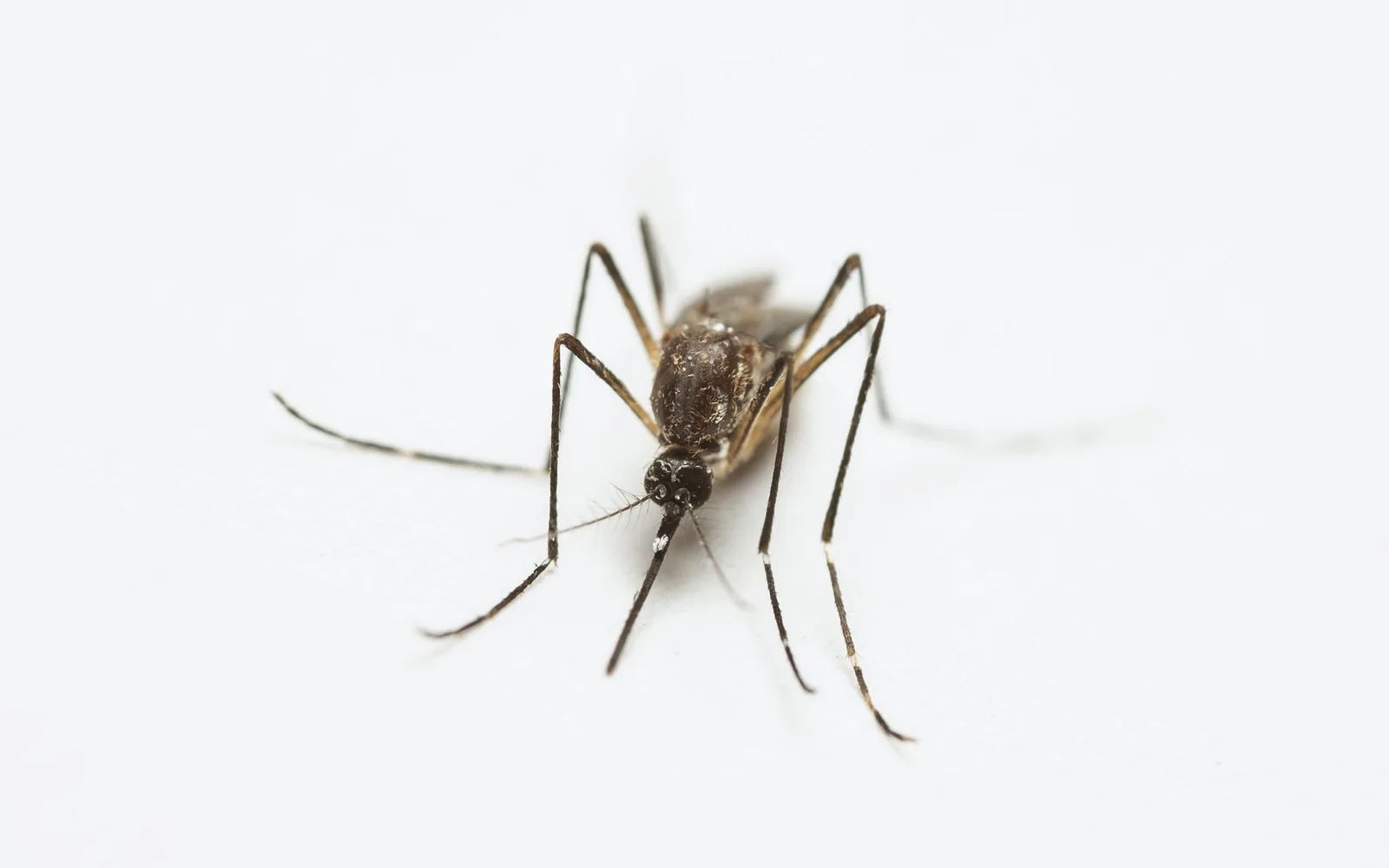
Mosquito control in Jaranah Makkah
Jaranah is a wadi settlement north east of Makkah centred on Al Jaranah Mosque, the Ihram point for pilgrims from the city. A small administrative town with scattered low houses, old wells and farms in the wadi bed are ringed by open ground and seasonal watercourses. Water from ancient wells, farming systems and flood channels after rain creates breeding conditions entirely different from the city quarters, requiring treatment focused first on natural water sources rather than urban infrastructure.
-
Targeted, not broadcast
Product goes into cracks and runways, never sprayed across open surfaces.
-
Told before we start
What we will use, where it goes, and what to cover or move before we arrive.
-
A follow-up visit
We return after the first treatment, because what survives it does not show on the day.
-
Homes and businesses
Apartments and villas, and kitchens and stores that need a record of each visit.
Why they keep coming back in Jaranah
Old uncovered wells in the wadi bed hold standing water for days after rain or irrigation flow from neighbouring farms, providing ideal mosquito development pools in undisturbed shade. The method is set out in full on the full Mosquito control page.
Ancient uncovered wells provide uninterrupted mosquito breeding
The old open wells scattered through the wadi are never fully capped or regularly cleared, so water sits in them for extended periods surrounded by wild plant shade, providing mosquitoes with a complete life cycle undisturbed by any intervention.
Seasonal floods fill wadis and excavations with slow drainage
After rain, Wadi Al Jaranah and the connected watercourses fill with flood water that sits for days before draining away slowly, leaving damp silt. This period is long enough for complete new generations to develop before the ground dries.
Farms provide continuous irrigation and open channel systems
Farms adjacent to settlement provide constant irrigation water in open channels and catch pools, where mosquitoes breed rapidly because the water is warm, plants provide food and shade, and the system runs through the growing season without interruption.
Jaranah on the map
Jaranah sits about 3 km from Yamamah and about 4 km from Zamzam.
Open in Google MapsStanding water and shade decide the method
A north eastern wadi settlement with a small administrative centre, scattered low houses and farms on the slopes, surrounded by vacant land and seasonal wadi channels that feed water after heavy rain.
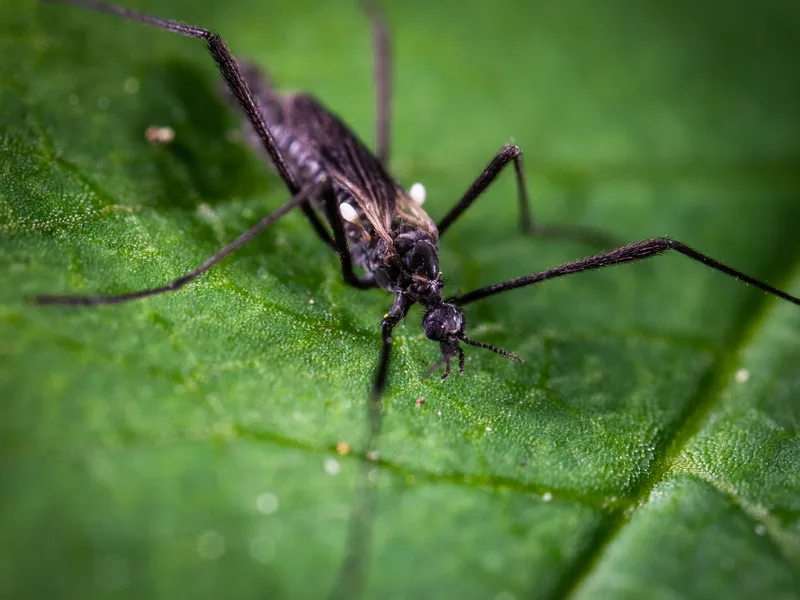
The daytime biter
The daytime biter finds shelter in the exposed wells and ground pits in the wadi, where natural plant shade from wild vegetation and constant high moisture provide safe resting.
The one that comes out after sunset
After sunset, mosquitoes emerge from wells and pits and fly toward the nearby houses to find hosts, especially if house windows are open or lack proper screening.
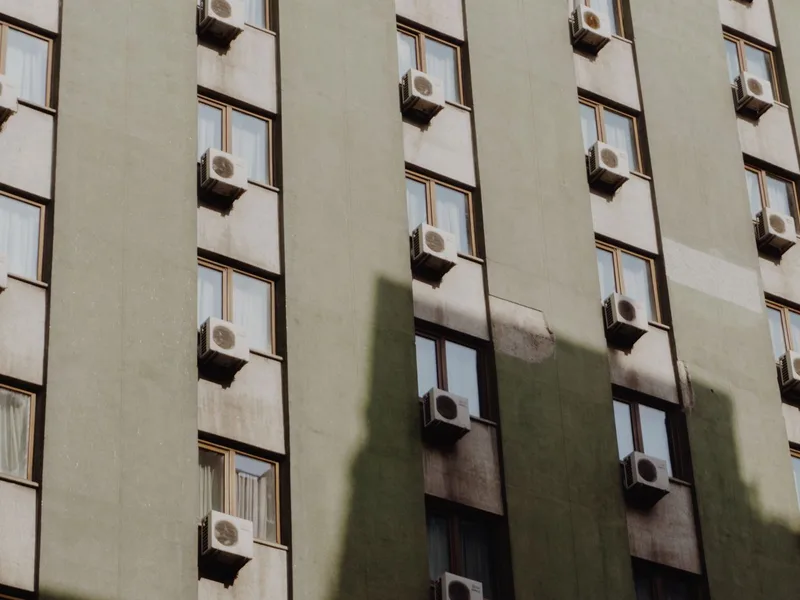
Air-conditioning condensate
Irrigation water from farms collects in open channels and catch basins around plants, providing warm water ideal for rapid mosquito development.
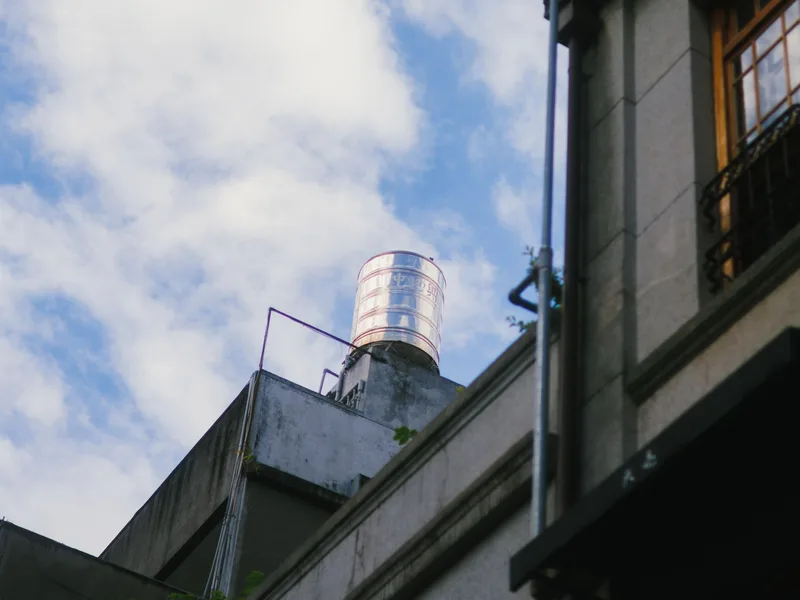
The tank and its openings
The house tank or private well may become a breeding source if it is not fully capped, and water stays standing for days or weeks if not drawn regularly.
Garden containers and irrigation
Small pits and depressions in the open ground around houses collect flood water after rain and irrigation, staying damp under wild plant cover.
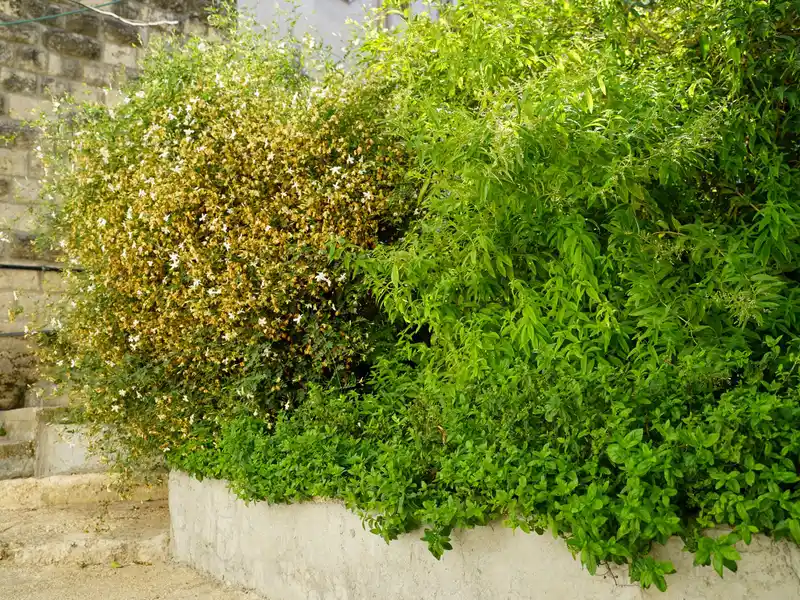
The shade it rests in
Shade under wild trees and bushes scattered around settlement provides permanent daytime resting ground for adults, with high moisture and undisturbed shelter.
How we work
-
1
Inspect and map the water
We walk the perimeter, the roof, the garden, the meter chambers and the condensate runs, record everything that holds water, and read the species from the breeding site and the time of biting.
-
2
Remove the water that can go
Empty, invert, cover: saucers, containers, old tyres and roof gullies. Every point that disappears is a treatment that never needs repeating.
-
3
Larval treatment, then the resting surfaces
Water that cannot be drained is treated so the larva never completes, then a residual goes under planting, beneath outdoor furniture and along low shaded walls.
-
4
The follow-up visit
We come back once the generation that was in the water on the first visit has completed, review every point we recorded and re-treat where needed.
What mosquito control includes
-

A recorded water survey
Roof, perimeter, garden, meter chambers and condensate lines, written down before anything is applied.
-

Draining and covering the sources
Emptying what can be emptied, draining what can be drained, and covering what has to stay full.
-

Larval treatment for the water that stays
For ground tanks, inspection chambers, water features and any permanent water that has to remain.
-

A residual on the resting places
Under trees and shrubs, beneath outdoor furniture and on shaded walls, where the adult sits out the day.
-

Aftercare instructions
What stays inverted, what gets covered, which openings need mesh, and when watering goes back to normal.
-

A scheduled follow-up
A set date after the first treatment, with every recorded water point reviewed and re-treated if the water came back.
What is different about Al Sharai Sub-Municipality
Al Sharai is the eastern growth front of Makkah along King Faisal Road and the Taif road. Settled quarters sit beside recently renamed schemes where plots are still vacant and buildings are going up, so construction sites, fill and open excavations lie next to occupied homes. Wadi channels such as Wadi Mudarraja, Wadi Al Sharai and Wadi Al Mughammas carry flash floods after rain and dry out to damp silt, while dust blows off the open hills. Roadside shops, restaurants and warehouses line the Taif road, and to the east the area shades into villages, palm farms and springs.
Questions about this district
Is Wadi Al Jaranah itself the primary mosquito source for the settlement?
Yes, the uncovered ancient wells provide complete mosquito development, water never drains fast and is never treated. Treating the primary wells is essential before anything else.
Must the wadi itself be treated or just the settlement area?
The wadi is large and full treatment is impractical. Focus treatment on the spots where standing water persists longest, such as hollows and excavations near houses.
Do the vacant plots around houses hold breeding water after rain?
Yes, water gathers in dips and shallow pits in open ground after rain and stays for periods long enough for development, especially where wild plants provide shade above.
Is a single treatment sufficient during the dry season?
In dry months mosquitoes are fewer because water is scarce, but wells and farm irrigation provide continuous water. One treatment may last a while, but rain will restart the cycle.
Is clearing exposed pits and holes before treatment essential?
Yes very much, because open excavations hold water, silt and seedling plants, creating very safe refuges where adult mosquitoes shelter through the day.
Is treating the houses alone sufficient or must the farms be treated too?
Houses and farms share the same water and mosquito populations, so treating houses alone will not solve the problem if farms continuously breed new adults.
How much does mosquito control in Jaranah cost?
It is set after the inspection, because the price follows the type of infestation, the size of the space, how far it has spread and the number of visits it needs. Send a photo and a description on WhatsApp and we will give you an estimate before we reach Jaranah.
Other services in Jaranah
Other services we provide to residents of Jaranah.
-
 Residential
Cockroach control
Residential
Cockroach control
-
 Residential
Bed bug control
Residential
Bed bug control
-
 Residential
Termite control
Residential
Termite control
-
 Residential
Rodents and mice
Residential
Rodents and mice
-
 Residential
Fly control
Residential
Fly control
-
 Residential
Ant control
Residential
Ant control
-
 Residential
Gecko control
Residential
Gecko control
-
 Residential
Scorpion control
Residential
Scorpion control
-
 Residential
Snake control
Residential
Snake control
-
 Residential
Flea control
Residential
Flea control
-
 Residential
Bird and pigeon control
Residential
Bird and pigeon control
-
 Residential
Preventive treatment
Residential
Preventive treatment
-
 Residential
Disinfection
Residential
Disinfection
-
 Commercial
Annual contracts
Commercial
Annual contracts
-
 Commercial
Restaurants and cafes
Commercial
Restaurants and cafes
-
 Commercial
Hotels and apartments
Commercial
Hotels and apartments
-
 Commercial
Warehouses and factories
Commercial
Warehouses and factories
-
 Commercial
Schools and nurseries
Commercial
Schools and nurseries
-
 Commercial
Retail and malls
Commercial
Retail and malls
-
 Commercial
Rest houses and farms
Commercial
Rest houses and farms
-
 Commercial
Fumigation
Commercial
Fumigation
-
 Water tanks
Water tank cleaning
Water tanks
Water tank cleaning
-
 Water tanks
Water tank sterilization
Water tanks
Water tank sterilization
-
 Water tanks
Water tank sealing
Water tanks
Water tank sealing
-
 Water tanks
Tank leak repair
Water tanks
Tank leak repair
Need mosquito control in Jaranah? Tell us what you saw and we will tell you what it needs
We reach Jaranah at a time we agree, and you get the full cost before we start.