
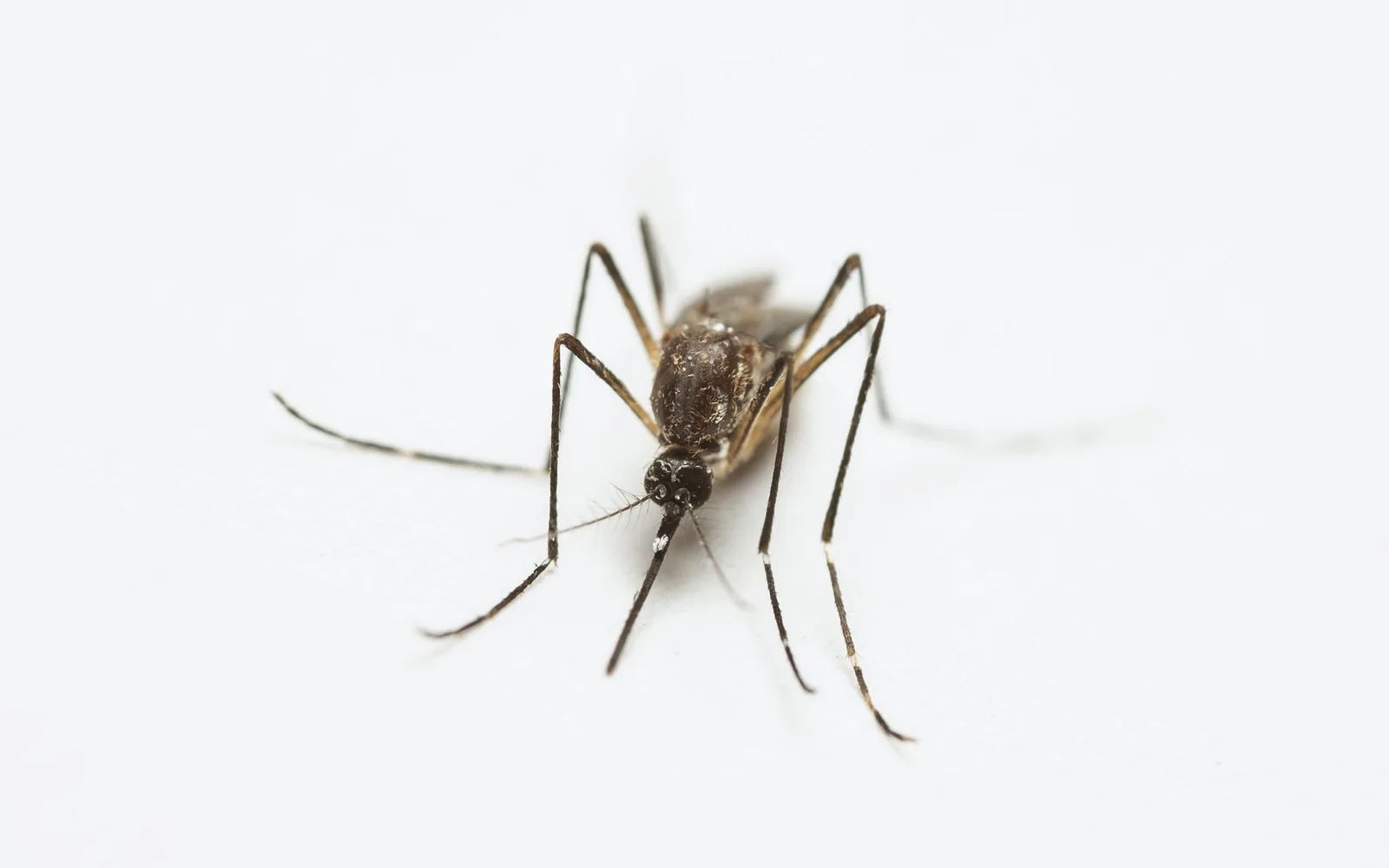
Mosquito control in Zamzam Makkah
Zamzam is a northern extension of Al Sharai still under development, where vacant plots between villas and foundation pits create mosquito breeding sites that a single home cannot control. Treatment here differs because the district is growing and water patterns change as construction moves forward.
-
Targeted, not broadcast
Product goes into cracks and runways, never sprayed across open surfaces.
-
Told before we start
What we will use, where it goes, and what to cover or move before we arrive.
-
A follow-up visit
We return after the first treatment, because what survives it does not show on the day.
-
Homes and businesses
Apartments and villas, and kitchens and stores that need a record of each visit.
Why they keep coming back in Zamzam
New villas are surrounded by planned but unbuilt land, and the pits around foundations stay damp weeks after any rainfall stops, creating stable breeding sites even in dry months. The method is set out in full on how we approach Mosquito control.
Foundation excavations as a permanent source
Ongoing construction leaves pits and small pools around each new villa, filling from spray-down water, air-conditioning condensate, and rainwater seepage. These become year-round breeding sites. Treating your villa alone cannot stop the mosquitoes moving in from these surrounding pits and the contractor's works.
Vacant land scattered between homes
A single street may separate your villa from open ground that is neither ploughed nor regularly watered, allowing water to pool beneath wild plants and compacted earth. This source lies outside your boundary and cannot be managed from a single treated property.
Nearby wadis and seasonal ravine drainage
Wadi Al Jaranah and Wadi Mudarraja drain large upstream areas, and small ravines between villas become water courses during and after rain. Even light rainfall leaves these ravines damp enough for rapid breeding, then they dry before the next wet cycle.
Zamzam on the map
Zamzam sits about 2.5 km from Thaniyah and about 2.5 km from Uhud.
Open in Google MapsStanding water and shade decide the method
The area slopes towards Wadi Mudarraja to the east, and small ravines carry water after rain, leaving pools in exposed soil and excavations that remain waterlogged for weeks.
The daytime biter
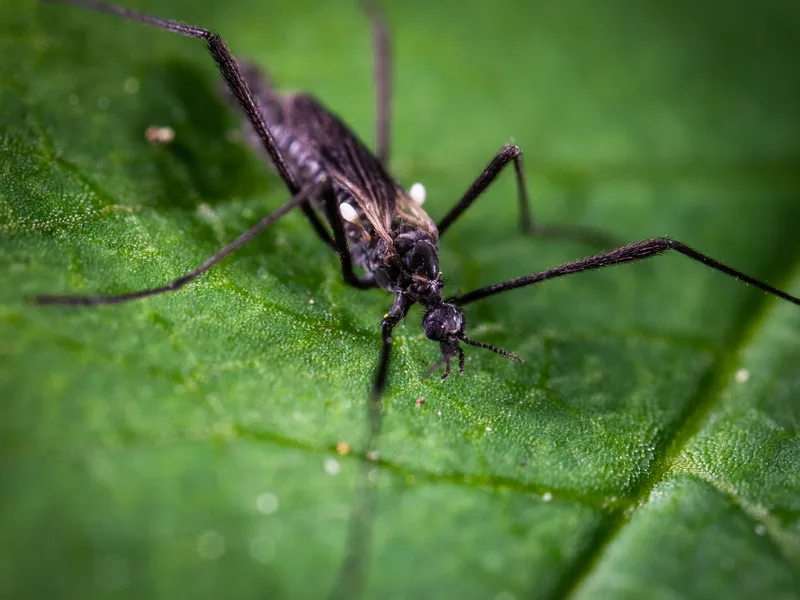
The daytime mosquito in Zamzam hides in the shade beneath small raised terrain and drainage ravines, where natural shade is constant and moisture stays trapped under compacted earth all through daylight hours.
The one that comes out after sunset
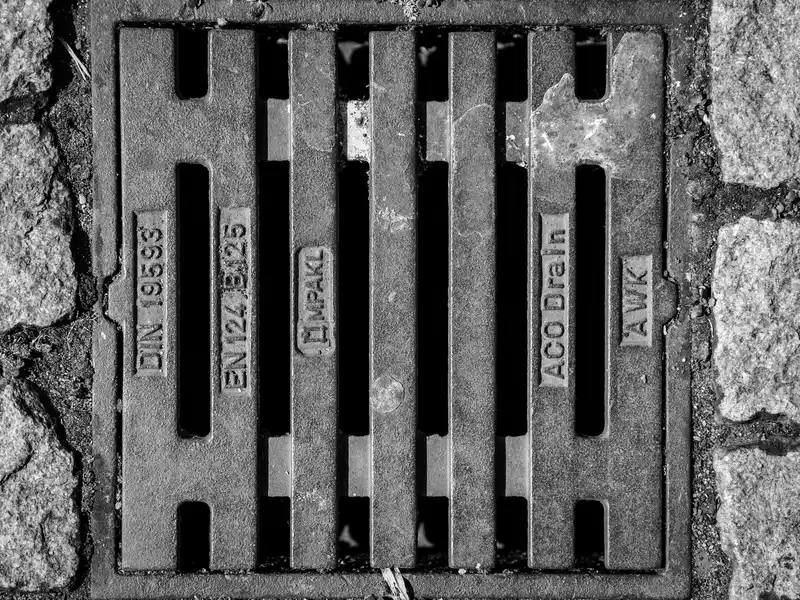
After sunset mosquitoes emerge from ravines and foundation pits around villas, and open bare ground with few trees provides clear flight paths between scattered homes across the district.
Air-conditioning condensate
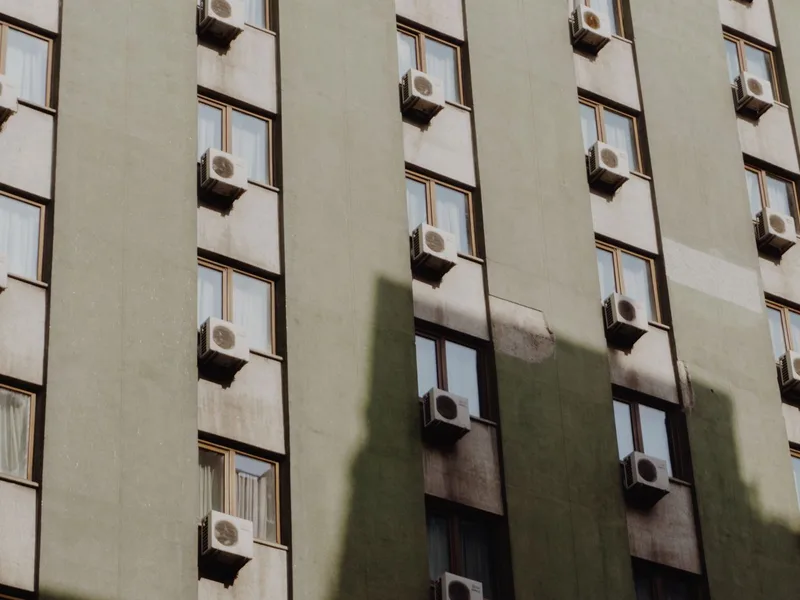
Air-conditioning condensate from new villas pools beneath the building and in low ground, providing stable water for breeding even during dry spells when surface irrigation has stopped.
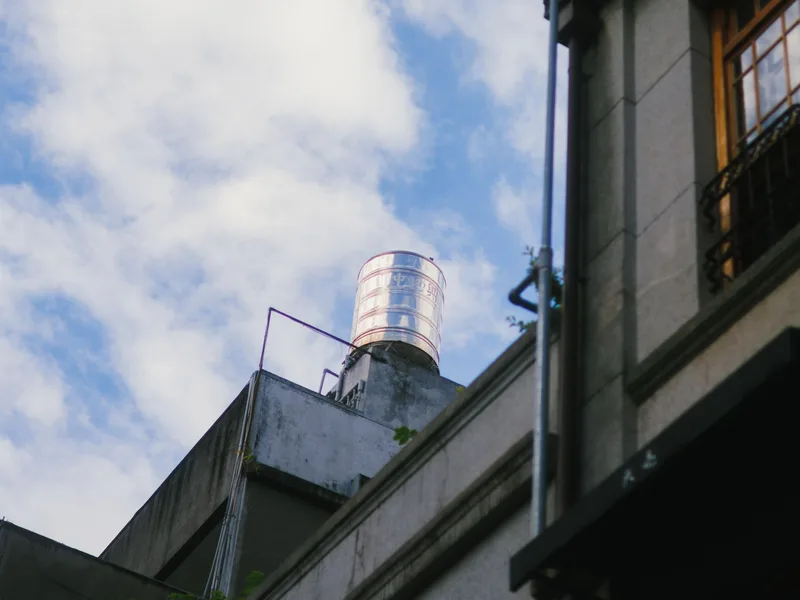
The tank and its openings
Water tanks in new villas are usually sealed, but pipes and openings around the foundation may leak and create breeding water outside the tank itself, fed continuously by runoff and condensate.
Garden containers and irrigation
Underground irrigation systems in new developments may leak into surrounding soil, keeping it damp for weeks. Daily watering keeps this soil moisture constant and ideal for mosquito development.
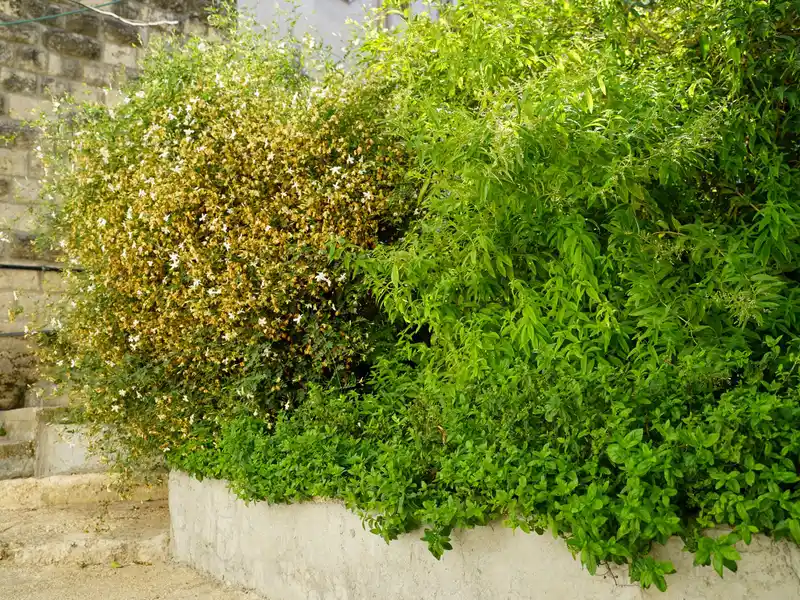
The shade it rests in
Shade beneath small natural ravines and terrain undulations stays damp and dark, providing a year-round refuge for adult mosquitoes even when surrounding open ground has dried out completely.
How we work
-
1
Inspect and map the water
We walk the perimeter, the roof, the garden, the meter chambers and the condensate runs, record everything that holds water, and read the species from the breeding site and the time of biting.
-
2
Remove the water that can go
Empty, invert, cover: saucers, containers, old tyres and roof gullies. Every point that disappears is a treatment that never needs repeating.
-
3
Larval treatment, then the resting surfaces
Water that cannot be drained is treated so the larva never completes, then a residual goes under planting, beneath outdoor furniture and along low shaded walls.
-
4
The follow-up visit
We come back once the generation that was in the water on the first visit has completed, review every point we recorded and re-treat where needed.
What mosquito control includes
-

A recorded water survey
Roof, perimeter, garden, meter chambers and condensate lines, written down before anything is applied.
-

Draining and covering the sources
Emptying what can be emptied, draining what can be drained, and covering what has to stay full.
-

Larval treatment for the water that stays
For ground tanks, inspection chambers, water features and any permanent water that has to remain.
-

A residual on the resting places
Under trees and shrubs, beneath outdoor furniture and on shaded walls, where the adult sits out the day.
-

Aftercare instructions
What stays inverted, what gets covered, which openings need mesh, and when watering goes back to normal.
-

A scheduled follow-up
A set date after the first treatment, with every recorded water point reviewed and re-treated if the water came back.
Landmarks of Zamzam
Zamzam is reached from Al Jaranah Road on its western side, and treatment focuses on the pits and small ravines that drain towards Wadi Mudarraja. Breeding sources are scattered among new homes rather than concentrated at one point.
- Al Jaranah Road
- Wadi Al Jaranah
- Wadi Mudarraja
Questions about this district
Will treating only my villa stop mosquitoes from the pits around neighbouring homes?
No. Foundation excavations at neighbouring villas and vacant plots are ongoing sources. Treating your home protects the interior from adult mosquitoes, but new adults emerge continuously from those external sites. Coordinating with neighbours or accepting repeat visits is more realistic.
Should standing water be drained from foundation pits before treatment?
Yes, emptying visible water from foundation pits removes current breeding sites. However these pits refill from seepage, condensate run-off and spray water, so treatment targets the water itself and the shaded areas where adults rest near the pit edges.
Are the vacant planned plots south of Zamzam the primary mosquito source here?
Partly. Vacant land creates seasonal pools, but your villa's own foundation pit and neighbouring villas are closer and more persistent sources. Treatment focuses on what can be reached: your home and immediately adjacent accessible ground.
How many times per year must Zamzam be treated for full protection?
Frequency depends on rainfall and irrigation. In dry periods every two weeks may suffice. Once you begin regular watering or after heavy rain, weekly or twice-weekly treatment becomes more effective against accelerated breeding.
Will waiting for construction to complete and drainage networks to finish solve this?
Yes. Once building ends and permanent drainage networks are in place, mosquito breeding sites will drop significantly. Until then, repeat treatment manages the temporary pits and water that incomplete construction leaves behind.
Do floods from Wadi Al Jaranah bring established mosquitoes from upstream areas?
Floods carry sediment, debris and possibly larvae, but most breeding happens locally in pools left after the water recedes. Treating the wet ground immediately after a flood stops the rapid breeding that follows waterlogging.
How much does mosquito control in Zamzam cost?
It is set after the inspection, because the price follows the type of infestation, the size of the space, how far it has spread and the number of visits it needs. Send a photo and a description on WhatsApp and we will give you an estimate before we reach Zamzam.
Other services in Zamzam
Other services we provide to residents of Zamzam.
-
 Residential
Cockroach control
Residential
Cockroach control
-
 Residential
Bed bug control
Residential
Bed bug control
-
 Residential
Termite control
Residential
Termite control
-
 Residential
Rodents and mice
Residential
Rodents and mice
-
 Residential
Fly control
Residential
Fly control
-
 Residential
Ant control
Residential
Ant control
-
 Residential
Gecko control
Residential
Gecko control
-
 Residential
Scorpion control
Residential
Scorpion control
-
 Residential
Snake control
Residential
Snake control
-
 Residential
Flea control
Residential
Flea control
-
 Residential
Bird and pigeon control
Residential
Bird and pigeon control
-
 Residential
Preventive treatment
Residential
Preventive treatment
-
 Residential
Disinfection
Residential
Disinfection
-
 Commercial
Annual contracts
Commercial
Annual contracts
-
 Commercial
Restaurants and cafes
Commercial
Restaurants and cafes
-
 Commercial
Hotels and apartments
Commercial
Hotels and apartments
-
 Commercial
Warehouses and factories
Commercial
Warehouses and factories
-
 Commercial
Schools and nurseries
Commercial
Schools and nurseries
-
 Commercial
Retail and malls
Commercial
Retail and malls
-
 Commercial
Rest houses and farms
Commercial
Rest houses and farms
-
 Commercial
Fumigation
Commercial
Fumigation
-
 Water tanks
Water tank cleaning
Water tanks
Water tank cleaning
-
 Water tanks
Water tank sterilization
Water tanks
Water tank sterilization
-
 Water tanks
Water tank sealing
Water tanks
Water tank sealing
-
 Water tanks
Tank leak repair
Water tanks
Tank leak repair
Need mosquito control in Zamzam? Tell us what you saw and we will tell you what it needs
We reach Zamzam at a time we agree, and you get the full cost before we start.